Peru Itinerary: 3 Weeks
Peru rewards the traveler who slows down. The country's headline sights sit roughly 1,000 km apart along a single southern corridor, and three weeks is the length that lets you climb from sea level at Paracas to 3,827 m at Puno without rushing a single acclimatization night.
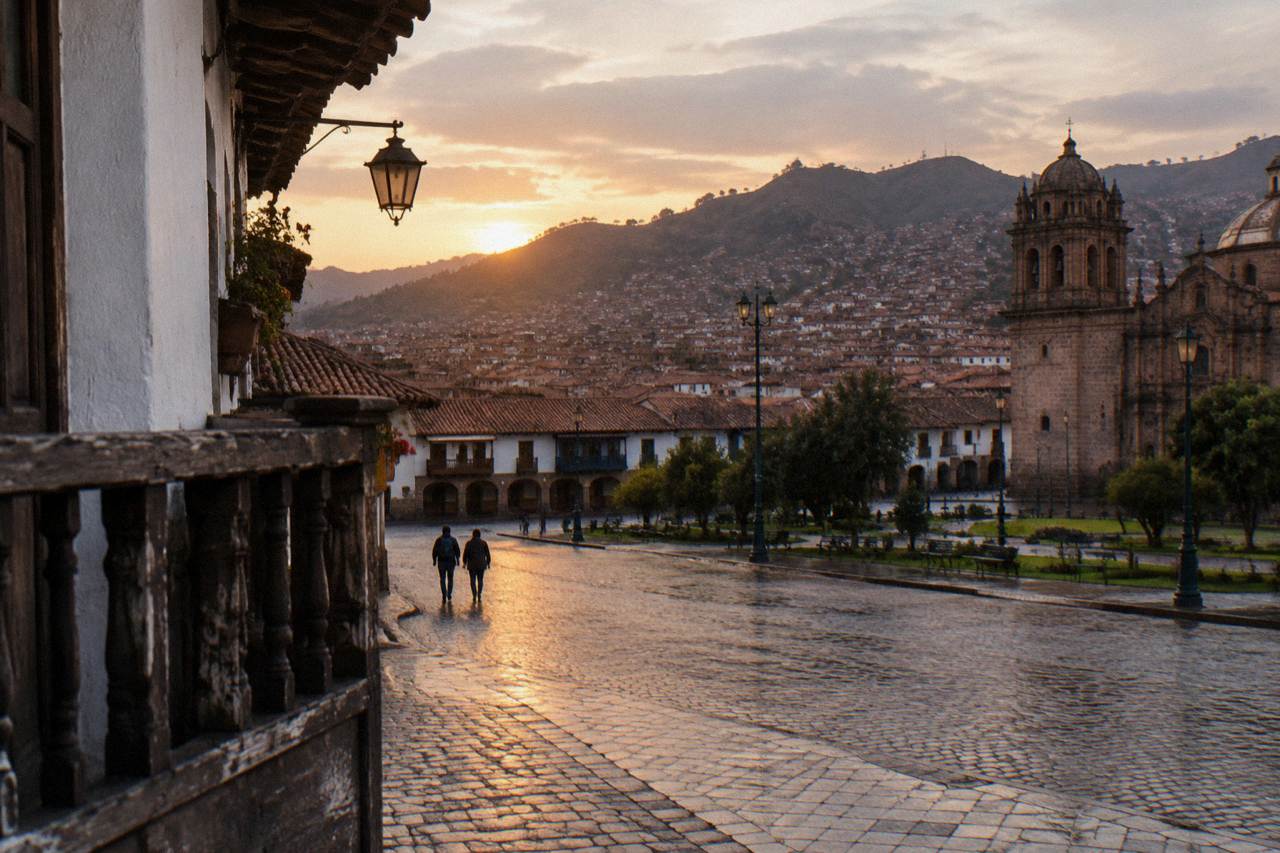
Short answer
Three weeks covers Lima, Paracas, Huacachina, Nazca, Arequipa, Colca Canyon, Puno, Cusco and Machu Picchu at a realistic pace, roughly 1,000 km of overland travel. Buses handle the corridor in 1.5 to 10 hour legs, a Lima to Cusco flight takes 1h20m, and the loop pairs cleanly with a hop-on hop-off pass.
Why Three Weeks Is The Right Length For Peru
Three weeks is the shortest honest length for the full southern loop, Lima through Paracas, Arequipa, Puno, Cusco and Machu Picchu, because the geography alone demands about 1,000 km of overland travel and the altitude profile demands slow climbing. Sea level gives way to 3,827 m at Puno, and bodies need nights at 2,335 m and around 3,400 m to adjust. Two weeks forces cuts; three weeks lets the route breathe.
The trap most first-time visitors fall into is treating Peru like a city break with a ruin attached. Lima to Cusco by direct bus runs 21.5 to 24 hours on the premium lines, and the interesting way south is not the direct way at all. It is the coastal strip of Paracas and Huacachina, the desert plateau of Nazca, the white volcanic city of Arequipa, the condor country of Colca Canyon, and then the altiplano around Puno before Cusco finally appears. Each of those places justifies at least a night, several justify two.
Three weeks also happens to be the itinerary length that best matches a full hop-on hop-off bus pass. Peru Hop's pass covers exactly this corridor, picking up and dropping off at your hotel in participating locations, and passes are valid up to one year from first use. That flexibility matters on a long trip: a travel day can slide a day later without wrecking the plan. For a shorter look at the trade-offs, the two-week Peru itinerary guide shows what gets sacrificed.
One honest caveat for the budget-minded: a hop-on hop-off pass costs more than a bare Cruz del Sur or Oltursa seat before you tally in the taxis and terminal time it replaces. It is not the cheapest way to buy one direct seat; it is the cheapest way to buy a whole flexible month.
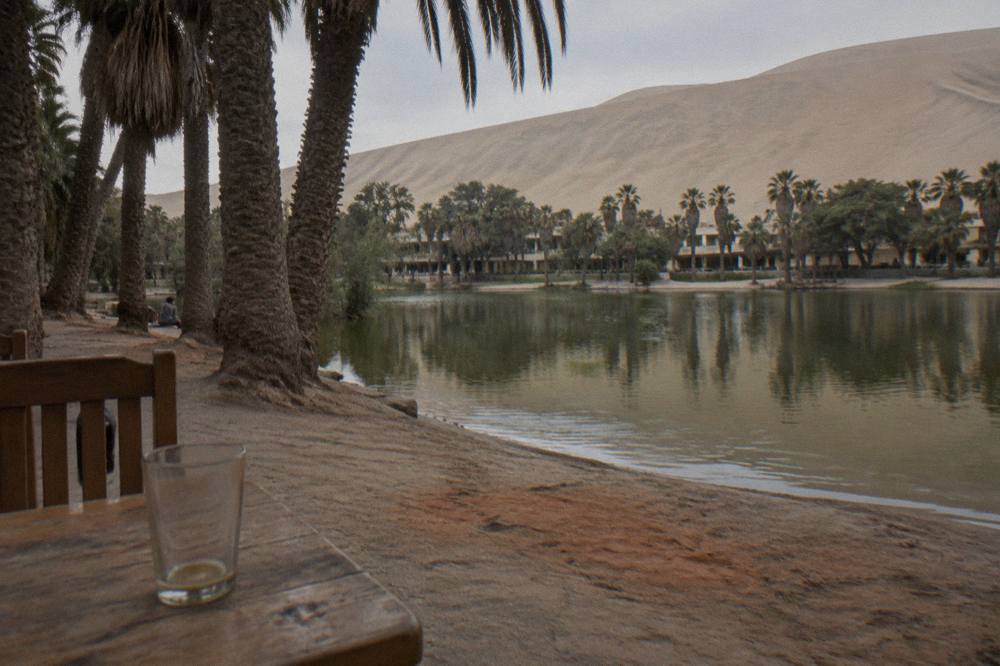
The Three-Week Route At A Glance
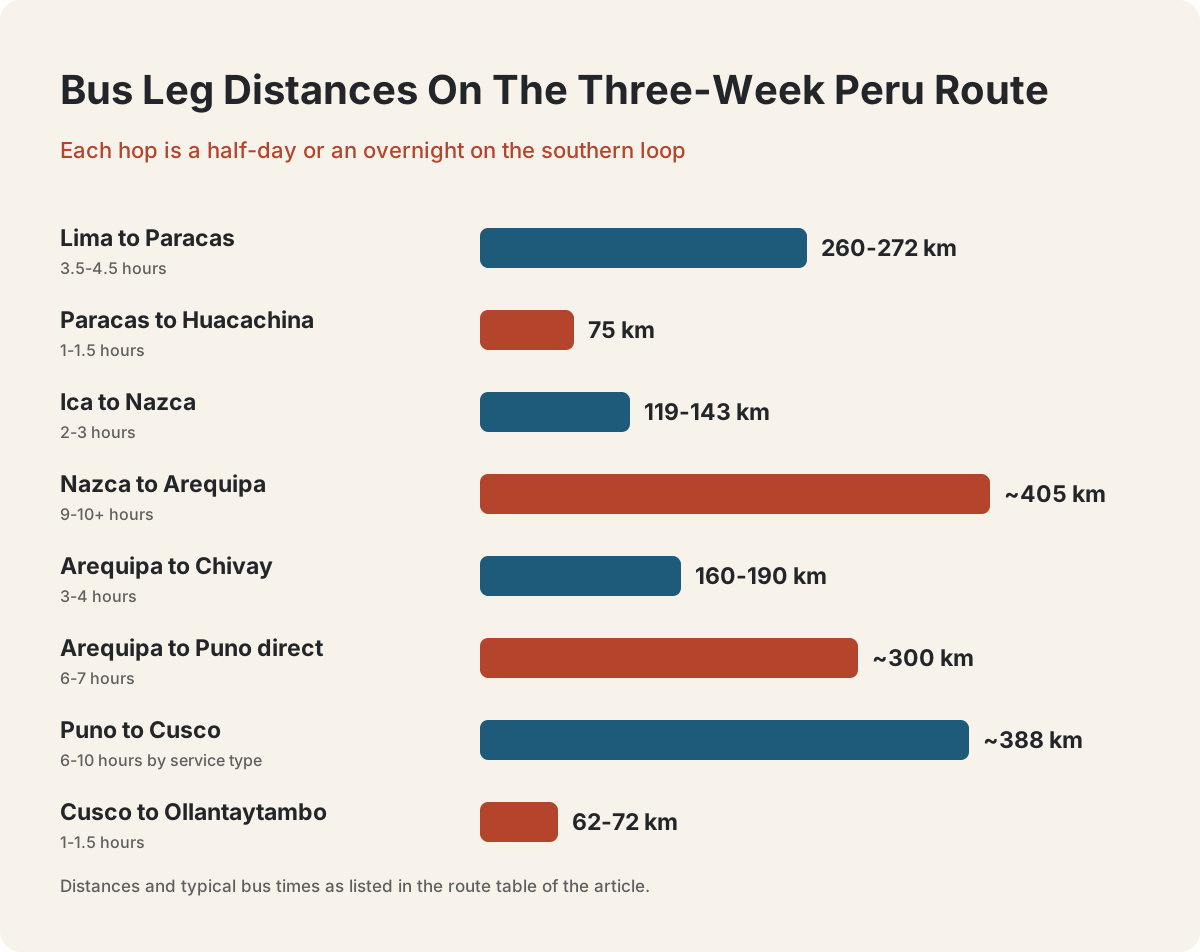
The classic three-week shape is three one-week blocks: week one on the coast from Lima to Nazca, week two climbing through Arequipa and Colca Canyon to Puno, and week three around Cusco, the Sacred Valley and Machu Picchu. Distances look intimidating on a map but each hop is a half-day or an overnight, roughly 75 to 405 km per leg, and the longest single ride, Nazca to Arequipa, runs about 9 to 10 hours on standard services.
Here is the skeleton most three-week travelers follow:
| Week | Bases | Anchor experiences | Sleeping altitude |
|---|---|---|---|
| 1 | Lima, Paracas, Huacachina, Nazca | Ballestas Islands, dune boarding, Nazca Lines overflight | 79 m to 520 m |
| 2 | Arequipa, Chivay, Puno | Santa Catalina, Cruz del Condor, Lake Titicaca | 2,335 m to 3,827 m |
| 3 | Cusco, Sacred Valley, Aguas Calientes | Machu Picchu, Ollantaytambo, Cusco's old town | 2,792 m to 3,399 m |
The leg-by-leg reality of that skeleton, using typical road distances and service times:
| Leg | Distance | Typical bus time |
|---|---|---|
| Lima to Paracas | 260-272 km | 3.5-4.5 hours |
| Paracas to Huacachina | 75 km | 1-1.5 hours |
| Ica to Nazca | 119-143 km | 2-3 hours |
| Nazca to Arequipa | ~405 km | 9-10+ hours |
| Arequipa to Chivay | 160-190 km | 3-4 hours |
| Arequipa to Puno direct | ~300 km | 6-7 hours |
| Puno to Cusco | ~388 km | 6-10 hours by service type |
| Cusco to Ollantaytambo | 62-72 km | 1-1.5 hours |
Notice the altitude column in the first table. The itinerary is deliberately shaped so you sleep at 2,335 m in Arequipa before you ever sleep at 3,800 m, which is the single best altitude-sickness decision a Peru planner makes. The altitude sickness on the bus routes guide covers the symptoms and the medication question in more depth.
Three bookable anchors carry most of this route's decisions. The "Full-Day Group Tour" of Machu Picchu handles week three's centerpiece, the "Premium Day Trip, Sunset Toast" compresses the Paracas and Huacachina highlights into one coast day, and the "Colca To Puno, Scenic Stops" bus turns the canyon exit into transport rather than a backtrack.
Week One: Lima, Paracas, Huacachina And Nazca
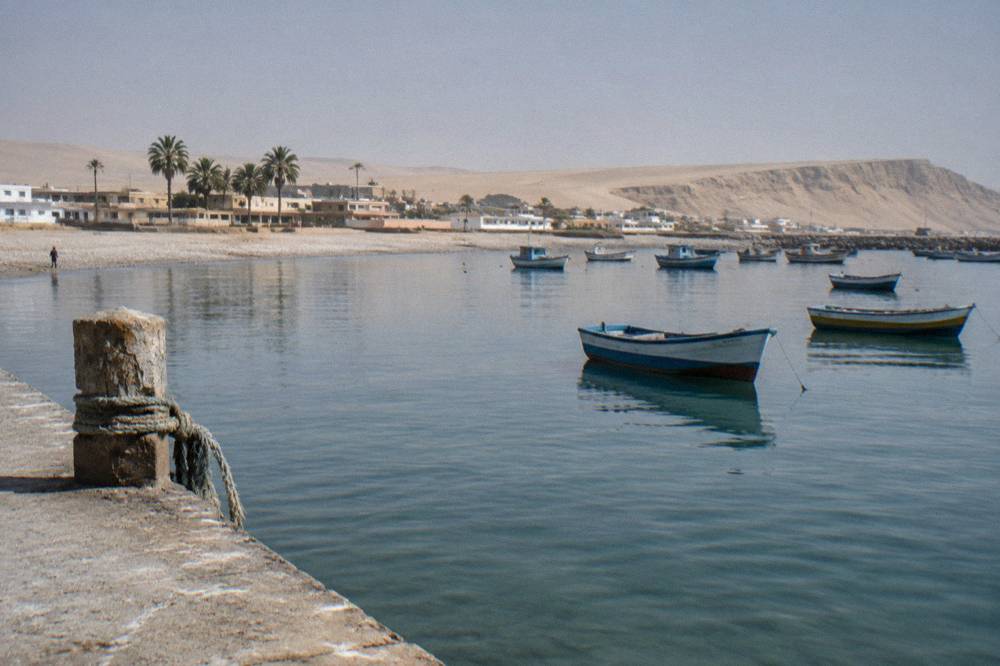
Give Lima two nights, then drop south along the Pan-American Highway. Paracas sits almost at sea level, 260 to 272 km from the capital, about 3.5 to 4.5 hours by bus, and the Ballestas Islands fill one full day. Huacachina is 75 km further inland, a one-hour hop, and Nazca is a 2 to 3 hour ride beyond that. Week one is warm, flat and easy, which is exactly why it comes first.
Lima deserves its two nights more than most itineraries admit. The historic center and the Miraflores cliff walk cost nothing but an afternoon, and the city's food reputation is earned. Once you head south, the pace quickens. Paracas is the gateway to the Ballestas Islands, sometimes called the poor man's Galapagos, and the boat rides leave in the morning, so an overnight in Paracas town beats a dawn departure from Lima.
Two premium day trips cover this whole stretch for travelers who prefer not to self-assemble. The "Premium Day Trip, Sunset Toast" runs roughly 16 hours from Lima, from $119 on the live listing, rated 4.8 across 2,636 reviews, and threads Paracas, Huacachina and a dune sunset toast into a single door-to-door day. Its sister tour, the "Premium Day Trip, Peru Hop Run", covers the same two stops with a sunset toast from $67, rated 4.9 across 9,650 reviews, on a slightly longer 16 to 18 hour schedule. Between them, the difference is mostly roster depth versus operator and price point; both carry free cancellation.
If you would rather move at your own speed, the "Direct Bus, One Way" from Lima to Paracas costs from $19, rated 4.2 across 53 reviews, in about 3 hours, and local connections take over from there. Nazca is the week's decision point. The "Nazca Overflight From Ica" is a 35-minute flight from $249, rated 4.7 from 4 reviews on a small pool, half-day with transfer included, free cancellation; the alternative is the roadside viewing tower, which shows a handful of figures at a fraction of the cost. The is Nazca worth it post weighs the overflight honestly.
One booking to make before week one ends: Machu Picchu itself. The citadel caps daily entry at 4,500 visitors, rising to 5,600 on high-season dates, and tickets are nominal and timed. The full-day Machu Picchu group tour from Cusco, from $332, rated 4.7 across 2,307 reviews, bundles the citadel ticket with bus, train and guide into a 12-hour day, and Check availability on the live listing early, because week three dates sell out before week one flights do.
Week Two: Arequipa, Colca Canyon And Lake Titicaca
The Nazca to Arequipa bus is the long one, roughly 405 km and 9 to 10 hours, usually run overnight or as a full daytime ride. Arequipa at 2,335 m is the acclimatization base, worth two nights. Colca Canyon adds two more via Chivay at 3,635 m, then the road climbs to Puno at 3,827 m on Lake Titicaca, the highest sleeping altitude of the trip and the reason week two's pace stays slow.
Arequipa earns its stop with the Santa Catalina monastery and a colonial core built from white volcanic sillar. But its real function in a three-week plan is physiological: three nights between 2,335 m and 3,635 m prepare the body for the altiplano in a way no medication schedule can replicate.
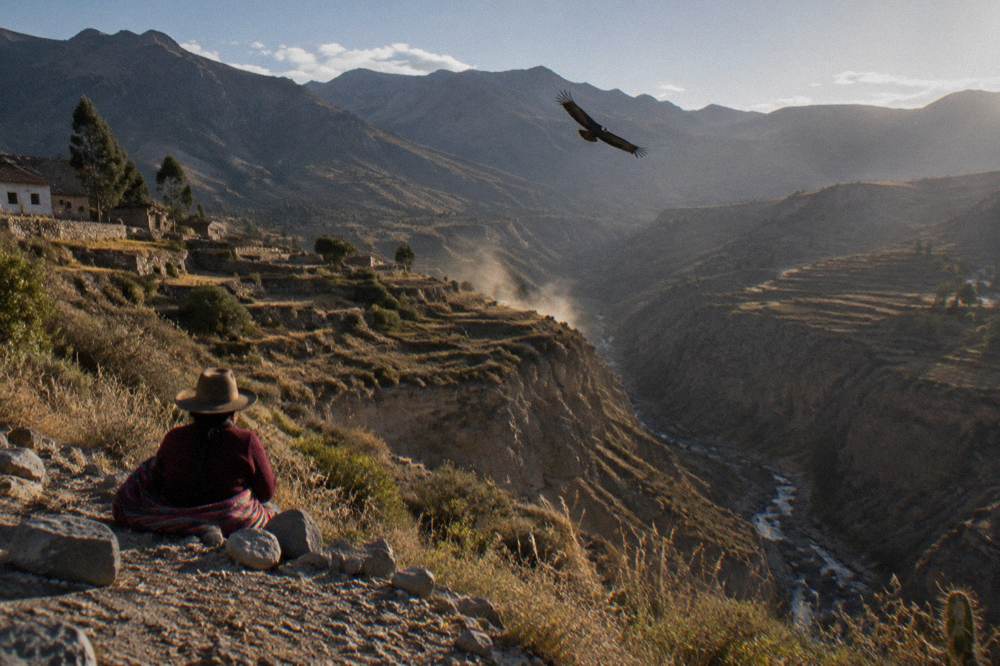
Colca Canyon is usually a two-day excursion from Arequipa, and the payoff is Cruz del Condor, the mirador at roughly 3,270 m where Andean condors ride the morning thermals between roughly 7 and 10 a.m. Dry season, April through November, gives the clearest viewing skies. Chivay sits at 3,635 m and higher passes en route reach around 4,800 m, so this is where headaches first appear if they are going to; the "Colca To Puno, Scenic Stops" bus from $41.03, rated 4.7 across 88 reviews, carries you out of the canyon to Puno in about 6.5 hours with viewpoints along the way, so you never backtrack to Arequipa.
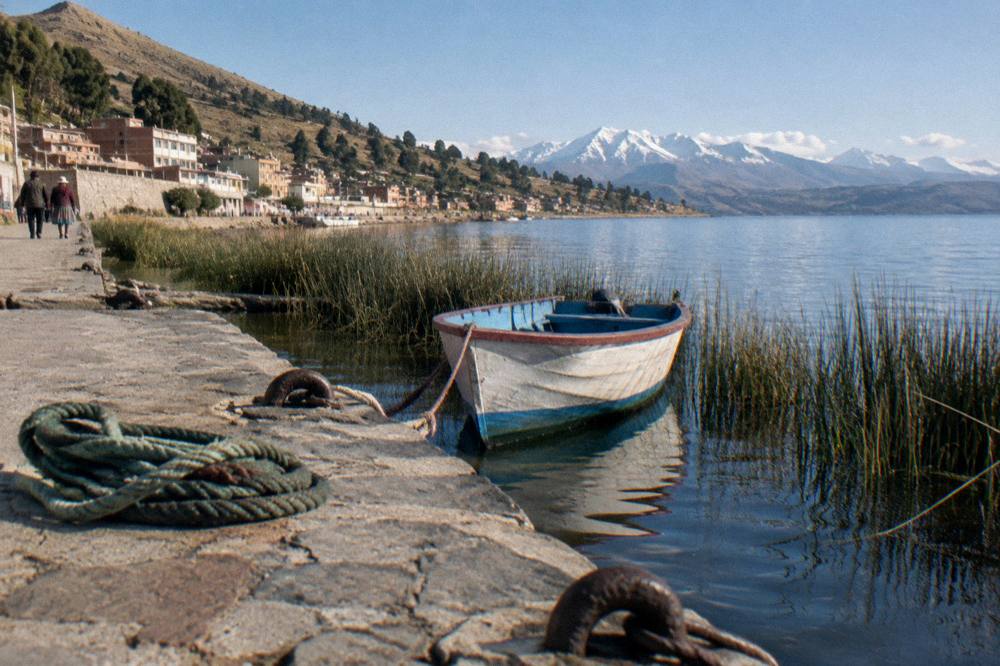
Puno itself is a functional city on an extraordinary lake. Titicaca's surface sits at 3,812 m, and the Uros floating reed islands are a half-day boat trip of 2 to 4 hours from the dock. The "Copacabana And Isla Del Sol" day tour from Puno, from $130, rated 4.8 across 30 reviews, crosses into Bolivia for a 12-hour day, which segues neatly into the add-on section below.
Not every leg of week two needs to be a bus. The "PeruRail Titicaca Train" runs the Cusco to Puno or Puno to Cusco direction in about 10 hours, from $395, with 294 reviews on the listing, too small a pool to print a star rating. It is a full-day rolling sightseeing trip rather than transport; scheduling details live on PeruRail's official schedule page.
Week Three: Cusco, The Sacred Valley And Machu Picchu
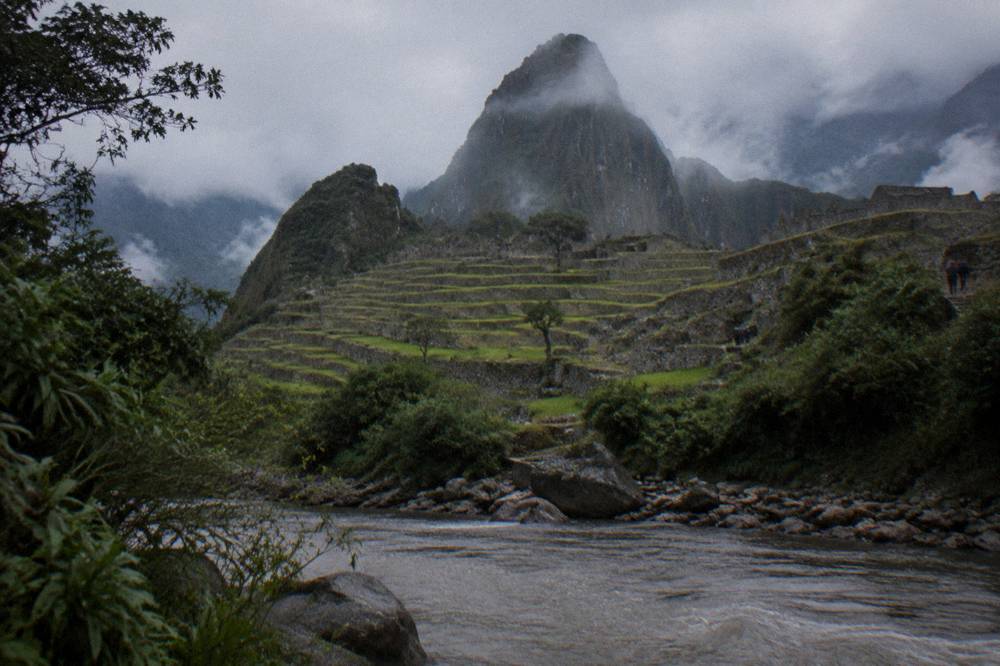
Puno to Cusco is about 388 km, 6 to 8 hours direct or 9 to 11 with the stops that make it worth the time. Cusco sits at 3,399 m, and the Sacred Valley drops usefully lower, Ollantaytambo at 2,792 m, Machu Picchu at 2,430 m, which is why valley nights before citadel mornings are standard advice. Give Cusco four nights and the valley one or two.
The scenic Puno to Cusco services stop at Andahuaylillas, Raqchi and other Inca and colonial sites along the route. The "Route Of The Sun, Buffet Lunch" runs from $50, rated 4.7 across 633 reviews, on a 6:10 a.m. to 5:30 p.m. schedule with lunch included, free cancellation, and it converts a transit day into the most educational day of the trip. Direct buses do the same road in 6 to 8 hours for travelers who would rather arrive early.
Cusco week splits cleanly. Two days for the city and its nearby ruins, one or two for the Sacred Valley's markets and fortresses, and one for Machu Picchu itself. Most Machu Picchu logistics route through Ollantaytambo, 62 to 72 km and 1 to 1.5 hours from Cusco by road, then roughly 1.5 hours by train from Ollantaytambo station to Aguas Calientes. The Cusco to Machu Picchu train guide unpacks the operators and the timing.
The citadel now runs on three main circuits with ten sub-routes, timed hourly entry windows between roughly 6:00 and 16:00 with a 30-minute grace period, guide groups capped at 16, and tickets primarily sold through the official rail schedules and the government's ticket portal at tuboleto.cultura.pe. A tour that bundles all of it removes the circuit puzzle from your plate.
Two comfortable options frame the spend. The "Full-Day Group Tour" from Cusco, from $332, rated 4.7 across 2,307 reviews, runs about 12 hours with no standard free-cancellation policy shown. The "Full-Day Vistadome Train" version, from $419, rated 5.0 across 317 reviews, rides the glass-roofed Vistadome service and does carry free cancellation on a roughly 16-hour day.
For the private road leg, the "Private Transfer To Ollantaytambo", from $60, rated 5.0 across 22 reviews, covers the Cusco hotels to train station run in about 2 hours with free cancellation, useful when an early train leaves no margin for a shared-taxi mishap.
And on arrival day in Cusco itself, the "Private Transfer, Shared Rate" from Cusco airport runs from $13 per group, rated 4.8 across 251 reviews, 20 to 25 minutes, while the "Private Pickup, Door To Door" alternative runs from $14.99, rated 4.5 across 98 reviews, 15 to 30 minutes.
The Bolivia Add-On: Copacabana And La Paz
Puno to Copacabana is only 140 to 155 km through the Kasani border, 3 to 4 hours door to door, and Copacabana to La Paz adds 145 to 155 km and 3.5 to 4 hours including the Tiquina Strait ferry. Since December 1, 2025, US, UK, EU, Canadian and Australian tourists enter Bolivia visa-free for up to 90 days, so the add-on no longer needs an embassy detour, only a free online SIGEMIG pre-registration.
The border itself is straightforward in daylight. Peru-side hours run roughly 07:30 to 18:00, the Bolivia side 08:30 to 19:00, and the guidance is uniform: cross between mid-morning and mid-afternoon. Copacabana sleeps at 3,841 m, marginally above Puno, so it slots into the itinerary without a new altitude adjustment.
Isla del Sol boats leave Copacabana's pier at roughly 08:30 and 13:30 daily, with crossings of 1.5 to 2 hours and small community fees of about 10 to 15 Bolivianos per checkpoint, payable in cash and variable, so confirm locally on the day. The full north to south ridge walk across the island has been open in 2026 reports. Isla del Sol's south end at Yumani is the reliable anchor.
One thing worth knowing before you commit the extra days: Bolivia saw widespread road blockades from early May through late June 2026, largely lifted by June 24, with routes to Peru reopened and no ongoing closures on the Puno to Copacabana to La Paz corridor reported through September 2026. The general rule stands regardless: roads in the region occasionally see strikes or protests, so check current conditions before any border day. The Peru and Bolivia itinerary guide plans the two-country version in full.
How A Hop-On Hop-Off Pass Fits The Full Loop
A hop-on hop-off pass fits the full loop well because it covers the exact corridor this route runs: Lima, Paracas, Huacachina, Nazca, Arequipa, Puno and Cusco. Peru Hop reports 395,000+ passengers carried, and its passes stay valid for up to one year, with in-app date changes allowed up to 12 hours before departure. The one boundary is that Cusco is the end of the line, and Machu Picchu is reached separately by train or trek.
The pass mechanics suit a slow loop. Peru Hop picks up and drops off at your hotel, so you skip bus terminals with your luggage, a bilingual local host rides every bus, and the coaches run wifi, USB charging, an onboard bathroom and reclining semi-cama seats, though some reviewers note wifi and charging can be inconsistent. Blankets are provided per passenger, and the climate-control system runs on the cold Puno-Cusco altiplano legs too. Machu Picchu, Huaraz, Iquitos and Puerto Maldonado are not on the pass, which is why week three's bookings sit outside it.
Daytime travel is the quiet safety advantage. The US State Department's Peru advisory notes that "Bus crashes are common, especially at night. Only use reputable transport companies, and where possible, avoid overnight travel, especially in mountainous and remote regions," and the current advisory restricts its own employees' night driving except on named corridors. A hop-on service that runs its long legs in daylight, with the pass structure building in stops, lines up with that advice more naturally than a string of overnight tickets. The UK FCDO publishes identical language on its own Peru page.
For travelers who just want single seats rather than a month of flexibility, a direct-ticket search tool is the budget alternative, and the Peru bus companies compared guide breaks down the carriers. Solo trip planners should also skim the backpacking Peru route guide for hostel-heavy pacing.
Practical Planning: Altitude, Tickets And Connectivity
Plan the altitude ladder deliberately: nights at 520 m and below in week one, 2,335 m in Arequipa, 3,635 m in Chivay, then the 3,800 m tier of Puno and Copacabana before Cusco at 3,399 m. Book Machu Picchu entry, or a tour that includes it, before you leave home. Carry cash for border fees and island checkpoints, and expect flights into Cusco to run 1 hour 20 to 25 minutes from Lima.
The altitude table, condensed into one place:
| Stop | Elevation | Role in the trip |
|---|---|---|
| Lima (Miraflores) | 79 m | Arrival and food |
| Huacachina | 368-404 m | Desert day, lowest fun stop |
| Nazca | 520 m | Overflight base |
| Arequipa | 2,335 m | Acclimatization anchor |
| Chivay | 3,635 m | Colca Canyon base |
| Puno | 3,827 m | Lake Titicaca base, highest sleep |
| Cusco | 3,399 m | Week three hub |
| Ollantaytambo | 2,792 m | Train gateway, lower than Cusco |
| Machu Picchu | 2,430 m | Citadel morning |
Morning departures are the most weather-reliable into Cusco, and LATAM, JetSMART and Sky Airline all fly the Lima corridor. Connectivity is the modern practical item. An eSIM bought before arrival covers the whole route, and an eSIM for Peru and Bolivia spares you the airport kiosk markup; hotel wifi handles the rest, and offline maps handle the altiplano dead zones. Cusco's current airport, Alejandro Velasco Astete, sits at 3,310 m, one of the world's highest commercial airports, which is why morning flights out are more reliable than afternoon ones and why baggage weight limits bite harder there. The replacement Chinchero airport is roughly 40 percent built, though no opening date has been confirmed, so no current itinerary should plan around it.
Money matters less for planning than shape does. A three-week loop at this pace leaves slack days, one in Arequipa, one in Cusco, that absorb delays, strikes or simply the wish to stay. Build them in on purpose. A schedule with no slack converts any strike, fog delay or sold-out train into a crisis, and Lima To Cusco as a corridor is far too good to spend in crisis mode.
With the skeleton set, the last decision is only which direction to run it. Southbound from Lima follows this guide's order and gives the altitude ladder its gentlest slope. Northbound from Cusco, flying in and busing out, puts the 3,399 m city on day two, which works only for travelers already acclimatized or willing to medicate. Three weeks accommodates either; it is the length where the country stops being a checklist and starts being a place.
Common Questions About A 3-Week Peru Itinerary
Is 3 weeks in Peru enough time?
Yes. Three weeks covers Lima, Paracas, Huacachina, Nazca, Arequipa, Colca Canyon, Puno, Cusco and Machu Picchu at a comfortable pace, with slack days built in. It is also the length at which a hop-on hop-off pass pays for its flexibility, since passes stay valid up to a year.
What is the best 3-week route through Peru?
The classic loop runs Lima, Paracas, Huacachina, Nazca, Arequipa, Colca Canyon, Puno, Cusco and Machu Picchu, roughly 1,000 km of overland travel spread across three one-week blocks. Add Copacabana and La Paz if Bolivia tempts you, since entry is now visa-free for most Western nationalities for up to 90 days.
How much does a 3-week Peru itinerary cost?
Transport anchors are known: the Lima to Paracas bus runs from $19, the scenic Puno to Cusco service from $50, and the full-day Machu Picchu group tour from $332. Lodging and food swing the total far more than transport does, so budget by your nightly comfort level rather than by the bus fares.
Should I book Machu Picchu before I leave home?
Yes. The citadel caps daily entry at 4,500 visitors, rising to 5,600 on high-season dates, and tickets are nominal, timed and sold on a government portal with a 15-minute purchase window. A bundled tour that includes the citadel ticket removes the circuit-selection puzzle and the sellout risk at once.
Is 3 weeks too long in Peru?
No. Peru's headline sights sit along a 1,000 km southern corridor, and the altitude profile alone argues for slow climbing from sea level to 3,827 m. Two weeks forces cuts; three weeks is the first length where the route stops feeling rushed.
Do I need a visa for the Bolivia add-on?
Most Western travelers, including US, UK, EU, Canadian and Australian passport holders, can enter Bolivia visa-free for up to 90 days following the December 2025 change. Everyone must complete the free SIGEMIG online pre-registration before crossing at Kasani, and border posts run roughly 07:30 to 18:00 on the Peru side.