Is Nazca Worth It
A straight answer on whether Nazca is worth the detour: what the overflight costs, what the ground view actually gives you, and when Paracas and Huacachina beat it.

Is Nazca Worth It
Yes, if you fly. The lines themselves are barely visible from the ground, so the experience that justifies the detour is the 35-minute overflight, which runs from $249 and carries a 4.7 rating from a small pool of 4 reviews. The town of Nazca, sitting at 520 m elevation, is mostly a practical overnight stop. If the flight holds no appeal, the coast's real headliners are Paracas and Huacachina, both reachable on inexpensive day trips from Lima.
Split the question in two and it answers itself. The Nazca Lines are a genuine wonder, a UNESCO-listed sprawl of figures and geometric lines scratched into the desert floor well over a thousand years ago. The town of Nazca, per Wikipedia's Nazca profile, is a workaday desert settlement at 520 m, hot, flat, and built almost entirely around people passing through on their way south. Travelers who arrive, fly over the glyphs, and move on tend to rank the stop among their trip's highlights. Travelers who arrive without a flight, squint at the lines from a roadside tower at a shallow angle, and leave wondering what the fuss was about. The gap between those two experiences is the whole story of this article.
The town sits on the southern arm of the classic overland corridor this site is named for, the route that Lima To Cusco travelers ride south: Paracas, Huacachina, Nazca, then the long climb toward Arequipa and the altiplano. Peru Hop's Lima to Cusco route stops at all three coast towns, which is why so many people face this exact choice without ever planning to. The schedule puts Nazca in front of you almost by default, and the real decision is whether to give it a flight day or treat it as a sleepover between buses.
So the verdict comes down to one number and one preference. The overflight runs from $249 for roughly 35 minutes over the desert, and it happens in a small aircraft that banks steeply; motion sickness is a common complaint in guest reviews of such flights. Everything else in town is supporting act: a quick tower stop, a meal, a bed, maybe a museum or an aqueduct on a slow afternoon. That is not a knock, it is just what Nazca is, and knowing it before you arrive shapes the plan for the better.
Here is how the three bookable options on this corridor compare, including the two Paracas and Huacachina day trips that compete for the same limited days:
| Option | From | Rating | Duration |
|---|---|---|---|
| "Nazca Overflight From Ica" flight tour | $249 | 4.7 from 4 reviews | 35-minute flight, half-day with transfer |
| "Premium Day Trip, Sunset Toast" (Paracas & Huacachina) | $119 | 4.8 from 2,636 reviews | ~16 hours |
| "Premium Day Trip, Peru Hop Run" (Paracas & Huacachina) | $67 | 4.9 from 9,650 reviews | 16-18 hours |
Notice the pattern in that table. The day trips are long but inexpensive; the flight is short but costly. Nothing forces a choice between them, because the three stack neatly into a coast sequence: a Paracas and Huacachina day trip from Lima first, then the overflight out of Ica or Huacachina, then onward south toward Arequipa. The binding constraint is time, not money, and that is worth admitting before you commit to anything.
How Do You Actually See The Nazca Lines?
Two ways exist: a 35-minute overflight from $249, or the roadside viewing tower on the highway shoulder outside town, which gives a partial, oblique look at a couple of figures. The flight is the version people mean when they call Nazca worth it; the tower is a preview rather than the experience itself, and it costs a fraction of the time.
From the ground, your option is the viewing tower. You climb a few meters, look out across the plain, and pick out a couple of figures at a shallow, foreshortened angle. It is a genuine look at the real thing, and it takes perhaps fifteen minutes. Corridor itineraries build it in as a drive-by: Peru Hop's published schedule shows a roughly 2 pm departure from Huacachina reaching the Nazca viewing tower around 4:30 pm, which tells you how small a stop it is in practice. The tower will not sell you on Nazca, but it will confirm the lines are there and real, and for some budgets that is enough.
From the air, everything changes. The overflight circles the glyphs at banking altitude so both sides of the cabin get a clear view, and the shapes resolve the way they never do from a roadside platform. The monkey, the hummingbird, the astronaut-like figure on a hillside stop looking like faint scratches and start looking like drawings made on a continental scale. The bookable option on this route is the "Nazca Overflight From Ica" tour: a 35-minute flight departing from Ica or Huacachina with round-trip transfers, making the whole outing a half day. It runs from $249, offers free cancellation, and shows a 4.7 rating from just 4 reviews, a pool far too small to mean much in either direction. Where a rating comes from a handful of reviews, treat it as a data point, not a verdict.

One honest note on expectations. Even from a plane, these are pale tracery scraped into brown desert, not a technicolor postcard. What lands is the scale and the strangeness: figures the size of city blocks, drawn by a people who could never have seen their own work complete from any altitude. Manage that expectation and the flight delivers; arrive expecting fireworks and even the air version can feel brief. Here is the ground-versus-air trade in one view:
| Roadside viewing tower | Scenic overflight | |
|---|---|---|
| What you see | A couple of figures at a shallow, oblique angle | The full geoglyphs resolving as the plane banks |
| Time involved | A brief roadside stop, often on the way into town | 35 minutes in the air, about half a day with transfers |
| Cost character | Nominal tower stop | From $249 per person |
| Who it suits | Budget travelers and the curious | Anyone treating Nazca as a headline stop |
| Flexibility | Works on any drive-by schedule | Weather dependent, mornings calmest |
The flight is the answer to this article's question, so it is worth saying plainly: if you are going to make the detour at all, make it for the overflight. Booking it as a structured half-day tour rather than negotiating at the airstrip also gives you a schedule to plan the rest of the day around, and free cancellation means the weather call is not a sunk cost.
How Do You Get To Nazca From Lima Or Huacachina?
By bus along the Panamericana Sur. Lima to Paracas covers roughly 260-272 km in 3.5-4.5 hours, Paracas to Huacachina about 75 km in 1-1.5 hours, and Ica to Nazca 119-143 km in 2-3 hours. Most travelers break the journey with a night at Paracas or Huacachina, then ride a morning bus into Nazca.
Nobody rides Lima to Nazca in one sitting if they can help it. The road is good and famously straight, but the total is best broken at the coast's two stars, which is exactly what most itineraries do. The legs stack up like this:
| Leg | Distance | Typical bus time |
|---|---|---|
| Lima to Paracas | ~260-272 km | 3.5-4.5 hours |
| Paracas to Huacachina | ~75 km | 1-1.5 hours |
| Ica to Nazca | ~119-143 km | 2-3 hours |
The Ica to Nazca leg is the one that matters for planning; the Ica to Nazca bus guide tracks average journey times at close to three hours, with morning departures the standard pattern so you arrive with the afternoon free. For the first leg, the bare-bones option is the "Direct Bus, One Way" service from Miraflores to Paracas, from $19 with a 4.2 rating from 53 reviews and a listed ride of roughly 3 hours; door-to-door time usually runs longer once Lima traffic is counted. Once you are past Paracas the land flattens and empties fast, and by the time you cross into Nazca's drainage you understand why the lines survived: almost nobody lives out here.
For travelers stringing the whole coast together rather than buying single seats, Peru Hop's hotel-pickup corridor service is how many people do it, and the features are the point: pickup and drop-off at your hotel or hostel in participating locations so you skip the terminal with your bags, a bilingual English/Spanish host on every bus, a climate-control system, and wifi, USB charging, an onboard bathroom and reclining semi-cama seats, though a few reviewers note the wifi and USB can be inconsistent. Passes are valid up to one year from first use, and you can change a bus time in the app up to 12 hours before departure, subject to availability. One honest trade-off: a pass costs more than a bare Cruz del Sur or Oltursa seat before you total in the taxis and tours it replaces, and it is not the cheapest option for a traveler who just wants one direct seat. If all you need is a seat on one specific leg, a direct bus ticket does that job for less.
If the flight is booked and the buses are understood, the practical question left is which day trip to bolt onto the front of the sequence, and there is a clear pick.
What Does The Overflight Actually Feel Like?
Small plane, steep banks, and about 35 minutes over the desert. The pilot circles each major figure so both sides of the cabin get a look, which means repeated banking turns; travelers prone to motion sickness should take precautions, and the sensation is closer to a sightseeing flight than an airliner cruise.
The aircraft used for Nazca overflights are small Cessna-class planes, typically five seats plus the pilot, and that intimacy is a feature and a drawback at once. You are close to the window, the desert fills the whole view, and the figures appear with almost no warning. The pilot narrates in Spanish and English, tipping the wing toward each glyph in turn so the left side of the cabin goes first, then a banking turn so the right side gets its pass. That circling pattern is why the flight feels active rather than serene: you are turning for a good part of those 35 minutes.
Motion sickness is the single most common complaint in reviews of flights like this across operators. The standard advice is to take a remedy well before boarding rather than on the tarmac, eat lightly beforehand, and sit near the wing if the choice is offered. Most flights run from mid-morning through the afternoon, and conditions are usually calmer earlier in the day; wind builds over the desert in the afternoon and can ground flights outright or make them rough. If your schedule allows a morning slot with a backup window the same day, take it.
The emotional arc, for most people, runs from skepticism to something quieter. From the tower the lines look like faint agricultural scars. From the air they look deliberate, designed, and enormous, and the question that hits at altitude is not what the figures are but how and why anyone made them without ever being able to see them. That is the moment the $249 earns itself, and it is the reason this article's verdict lands on yes. It is also the reason the alternative exists: a traveler who does not care about that question, or who cannot stomach the banking, should skip the flight without guilt and spend the day at the coast's other stops instead.
What Else Is There To Do In Nazca?
Honestly, not much, and that is the point of the verdict. Beyond the lines, Nazca offers a small archaeological museum, the Cantalloc aqueducts on the edge of town, a couple of miradores, and a pleasant enough plaza with the desert pressing in from every side. Most travelers give the town one night and move on, and the schedule supports that.
The Cantalloc aqueducts are the strongest of the secondary stops. These are stone-lined underground water channels with distinctive spiral access points, still functioning after well over a thousand years, and they explain how a settlement survived in one of the driest deserts on earth. They sit a short taxi ride from the center, cost little to visit, and pair naturally with a morning before an afternoon flight or an onward bus. The Maria Reiche museum, dedicated to the researcher who spent decades mapping and defending the lines, gives the glyphs a human story and a chronology, and it suits the traveler who wants context rather than just aerial spectacle.
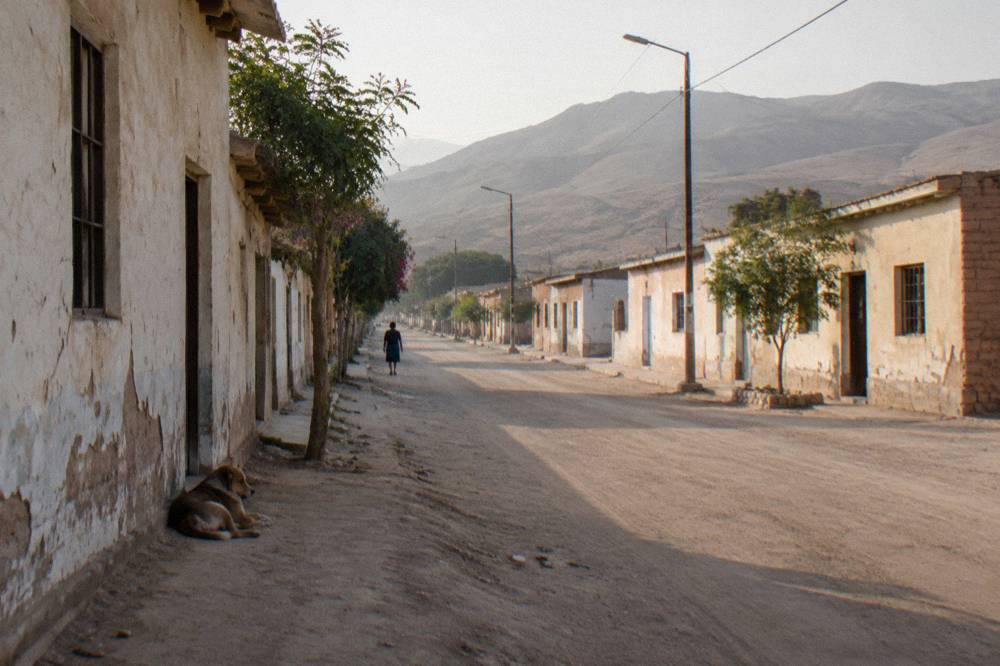
The town itself is functional rather than charming, and travelers who arrive expecting a colonial gem are consistently surprised in the wrong direction. What Nazca does have is a practical tourist infrastructure built entirely around the two-night flow of people flying and moving on: simple hotels, a cluster of restaurants around the plaza, agencies on every block, and an atmosphere that is entirely about logistics. After Huacachina's oasis or Paracas' shoreline, the town proper will not hold your camera.
The honest framing is this: Nazca is a base for the lines, not a destination in its own right. Give it one night, one flight, and one secondary stop if the mood takes you, and it repays the visit. Give it two days without a flight and it becomes the weakest link on the southern corridor. For the onward leg, the Huacachina to Arequipa via Nazca guide lays out how the whole desert crossing connects, from the Nazca overnight to the long climb to Arequipa at 2,335 m.
Nazca Versus Paracas And Huacachina: Which Coast Stop Deserves Your Day?
If you are flying, Nazca deserves its day and the others are bonuses. If you are not flying, Paracas and Huacachina win outright: Paracas gives you the Ballestas Islands wildlife and a national reserve, Huacachina gives you a desert oasis with dune rides, and both are bundled into day trips from Lima starting at $67. Nazca without the flight is the weakest of the three.
Paracas is the wildlife stop. The Ballestas Islands boat run puts you close to sea lions, penguins, and dense seabird colonies, and the neighboring Paracas National Reserve has coastline that looks borrowed from a different continent. Huacachina is the spectacle stop, a genuine oasis village ringed by dunes, where the afternoon activities are sandboarding and dune buggy rides and the evening is a sunset over a sea of sand. Both are compact, both are easy, and both are served by two strong day trips from Lima that this site tracks: the "Premium Day Trip, Peru Hop Run" at from $67 with a 4.9 rating from 9,650 reviews, and the "Premium Day Trip, Sunset Toast" at from $119 with a 4.8 rating from 2,636 reviews.
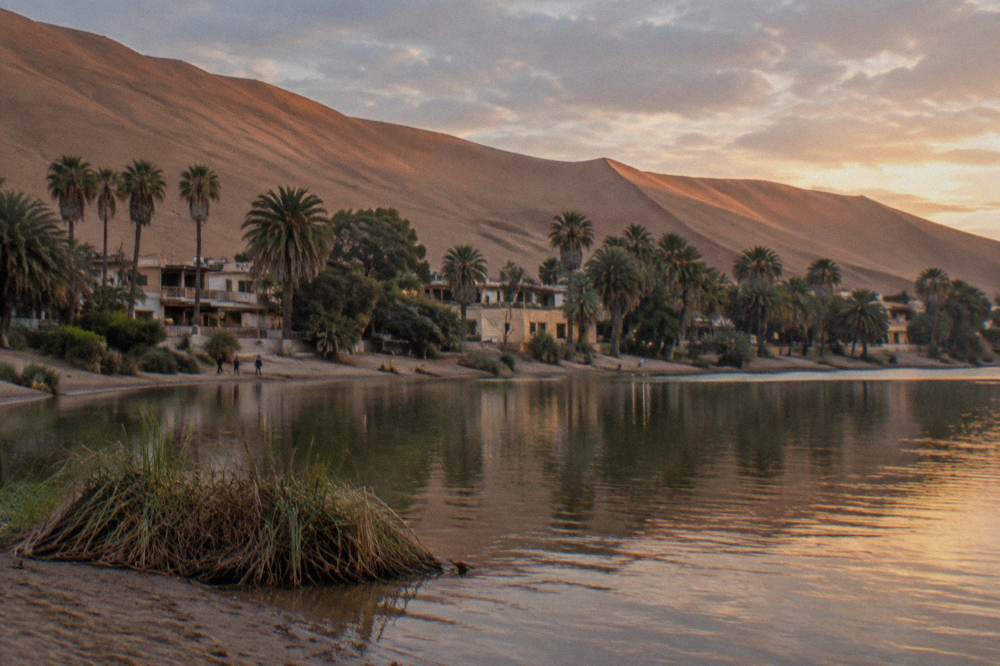
The distinction matters because most travelers have a fixed budget of coast days, usually two or three, and every hour spent in one stop is an hour not spent in another. The flight-first traveler does it in the natural order: Paracas and Huacachina on day one, overnight near Huacachina or Ica, the overflight as a half-day on day two, then the evening bus south. The no-flight traveler is better served compressing the coast entirely into the Paracas and Huacachina day trip and skipping the Nazca detour, because the tower stop alone, pleasant as it is, does not justify two extra hours of bus each way.
For help weighing the two day trips against each other, the is Huacachina worth it review goes deeper on the oasis stop, and the is Paracas worth visiting piece covers the reserve and the islands. Both answer the same shape of question this article asks about Nazca, and both reach a friendlier verdict than Nazca earns without a flight.
When Is The Best Time To Visit Nazca?
May to October, the dry season, with May and September as the sweet spots. The Peruvian coast south of Lima is a desert, so rain is rarely the issue; the variables are heat, afternoon wind over the flight zone, and crowds, which peak in the June to August high season along the whole southern corridor.
Nazca sits at 520 m in one of the driest deserts on the planet, and the practical weather question is almost never whether you can visit, it is how comfortable and how reliable the visit will be. Summer months from December to March bring the hottest days across the Ica and Nazca corridor, and heat does more than make you sweat: hot air is thinner air for a small plane, which is why early flights are favored and why afternoon departures are the first to be bumped. Wind builds over the flat desert through the afternoon at any time of year, and gusty conditions are the usual reason an overflight is delayed or rescheduled.
The dry season from May to October is the corridor's high season for good reason: cooler mornings, clearer air, and the most predictable flight windows of the year. Within that window, May and September deliver most of the benefit with thinner crowds at the airstrip, the hotels, and the roadside tower. June through August is peak season, when Machu Picchu's calendar pulls the biggest crowds through Cusco and the southern corridor feeds it, and Nazca's small infrastructure feels that flow in higher flight prices and fuller morning schedules. If your Peru trip is anchored to the high season anyway, book the overflight before you leave home rather than negotiating on arrival, because the calm morning slots sell out first.
Whenever you go, build a float day or at least a float half-day into the schedule around the flight. Flights get weather-delayed, and a traveler with a fixed afternoon bus to Arequipa has no room to absorb a two-hour hold. The traveler with a spare morning flies whenever the sky permits and loses nothing.
How Many Days Should You Give Nazca?
One night and one day, or even just a day if you are passing through on a corridor pass. The efficient version is: arrive from Huacachina or Ica by midday, fly in the afternoon or the next morning, add the tower stop or the aqueducts with whatever time remains, and take the evening bus toward Arequipa. Two full days without a flight is too many.
The one-night pattern is what the corridor's schedules are actually built around. Buses from Ica and Huacachina arrive through the late morning and afternoon, flights run from mid-morning onward, and the overnight buses south toward Arequipa and Arequipa's connections toward Puno leave in the evening. That geometry means a single night in Nazca can carry a tower stop on arrival, a flight the next morning, and an onward bus by lunchtime, which is about the tightest worthwhile version of the stop that exists.
The two-night version suits two kinds of travelers: the ones who want the aqueducts, the museum, and a slower pace after a fast coast sequence, and the ones whose flight got weather-delayed and need the buffer. If you are on a hop-on-hop-off corridor pass with a year of validity, the buffer is built in, since you can change a bus time in the app up to 12 hours before departure, subject to availability, and ride a later leg without penalty. If you are on fixed tickets, the float day matters more, and the safest shape is the one-night pattern with a morning flight and a same-day onward bus booked for the evening rather than the afternoon.
What you should not do is give Nazca a large block of your Peru time in the hope that more town will reveal more wonder. It will not; the wonder is 400 meters above the desert, it takes half a day to see, and everything else is arrangement. Budget the trip that way and Nazca pays out exactly as promised.
Common Questions About Nazca
Is Nazca Worth It?
Yes, if you fly. The 35-minute overflight from $249 is the experience that earns the detour; without it, the lines are a faint roadside glimpse and the town is a practical overnight stop. If the flight does not appeal, Paracas and Huacachina are stronger uses of your coast days.
Can you see the Nazca Lines without flying?
Only partially. The roadside viewing tower on the highway shoulder shows a couple of figures at a shallow, oblique angle in about fifteen minutes. It is a real look, but it is a preview rather than the experience, and corridor schedules treat it as a brief stop on the drive into town.
How long is the Nazca overflight?
The flight itself is about 35 minutes, with steep banking turns as the pilot circles each figure so both sides of the cabin get a view. With round-trip transfers from Ica or Huacachina, the whole outing is a half day. It runs from $249 and offers free cancellation.
How do I get from Lima to Nazca?
By bus along the Panamericana Sur, usually broken into legs: Lima to Paracas at roughly 260-272 km and 3.5-4.5 hours, Paracas to Huacachina at about 75 km and 1-1.5 hours, then Ica to Nazca at 119-143 km and 2-3 hours. Most travelers overnight at Paracas or Huacachina before the final leg.
How many days should I spend in Nazca?
One night is the standard pattern: arrive by afternoon, fly that afternoon or the next morning, fit in the tower or the aqueducts with the leftover time, and take the evening bus toward Arequipa. Two full days without a flight is more than the town can repay.
Is Nazca or Huacachina better?
They answer different questions. With the flight booked, Nazca is a headline stop; without it, Huacachina wins easily, since the oasis offers dune buggies, sandboarding and a sunset, and pairs with Paracas on day trips from Lima starting at $67.