Altitude Sickness On Peru's Bus Routes
Most altitude problems in Peru are not caused by Cusco. They are caused by how fast you get there. This guide walks the southern bus corridor leg by leg, showing exactly where the ground rises, where travelers sleep too high too soon, and how a slow route plus a few habits turns a rough week into a smooth one.
Short answer
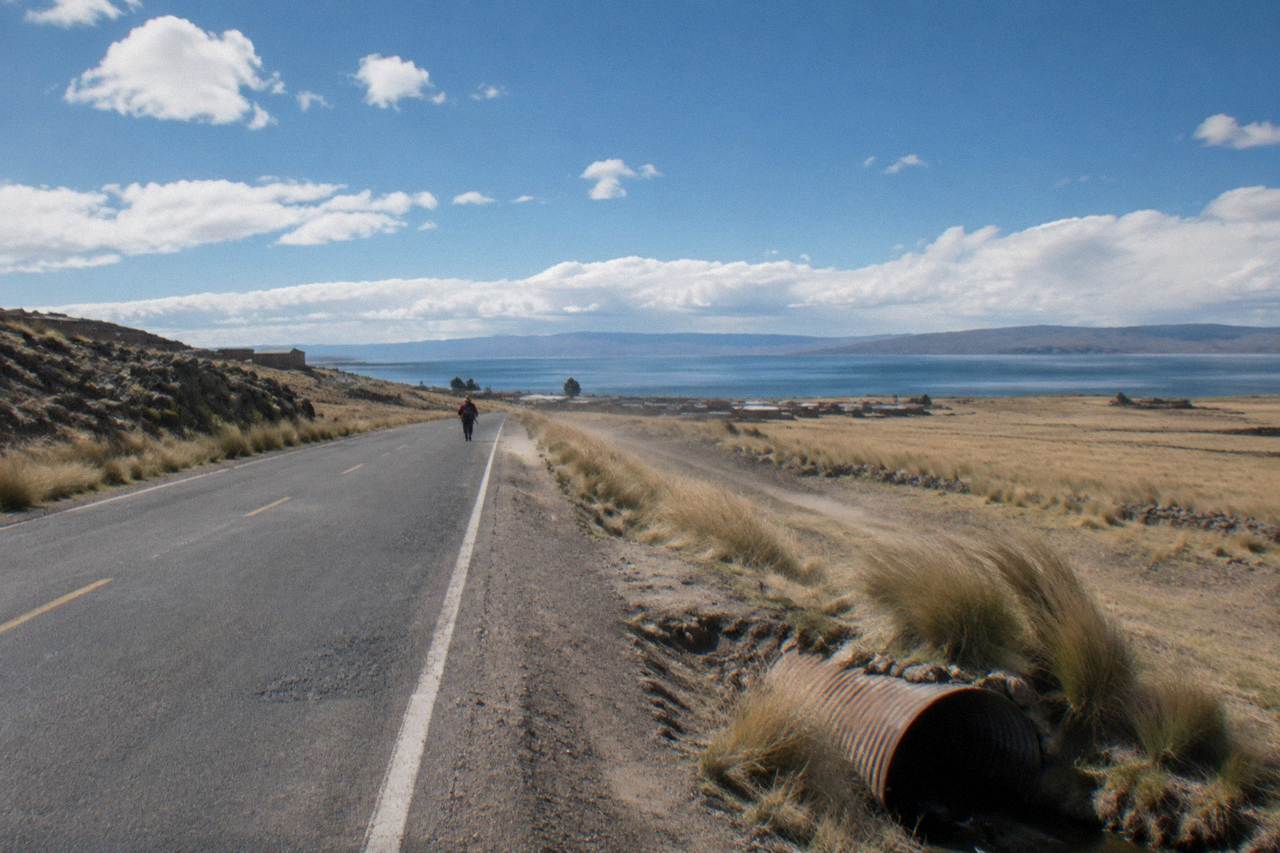
Altitude sickness on the Lima to Cusco bus corridor depends on where you sleep, not where you pass through. Lima sits near sea level, Arequipa at 2,335 m, Chivay at 3,635 m, Puno at 3,827 m and Cusco at 3,399 m. Sleeping above roughly 3,000 m on your first or second night is what causes most symptoms, so build one or two nights at Arequipa into the ascent.
Sea level to 3,827 m in one week: that is the real profile of the classic Lima to Cusco overland route, and it explains why so many travelers spend their first Puno night with a headache instead of a lake view. The corridor is not dangerous. It is just vertical in a way most coastal itineraries never are, and the human body needs hours, not views, to adjust to it.
This guide follows the route in ascent order, Lima, Paracas, Huacachina, Nazca, Arequipa, Chivay, Puno, Cusco, and marks the exact elevation of each overnight stop. Along the way it covers what altitude sickness actually is, why the bus-versus-flight choice matters more than most people think, and which legs are worth slowing down for. If you are still comparing transport overall, start with our Lima to Cusco by bus guide for timetables and operators, and the Lima to Cusco flight versus bus comparison for the speed-versus-acclimatization trade.
Why Ascending By Bus Beats Flying Into Altitude
Flying from Lima to Cusco moves you from 79 m to 3,399 m in about 80 minutes of cabin time, which gives your body zero hours to build red blood cells; riding the bus corridor over several days spreads the same climb across a week, with natural acclimatization stops like Arequipa at 2,335 m, and that pacing is the single most effective way to avoid altitude sickness before the high segments of the route.
Altitude sickness, acute mountain sickness in its common form, is what happens when you ascend faster than your body can adapt to falling oxygen pressure. Symptoms arrive hours after the altitude gain, typically a headache, nausea, poor sleep, loss of appetite and dizziness, and they usually resolve with rest at the same elevation. The trigger is not the highest point you touch but the elevation at which you sleep. A day trip over a 4,900 m pass is fine from a body that slept at 2,300 m the night before. That same pass after a night at 3,800 m with no acclimatization is a different story.
The United States embassy reissued its Peru travel advisory on September 8, 2026 at Level 2, and it explicitly permits its own government employees to ride commercial buses at night on the Lima-Arequipa-Cusco corridor, a detail that matters for anyone weighing bus safety generally. On altitude specifically, the guidance from both the US State Department advisory and the UK FCDO travel advice is the same: gradual ascent, rest on arrival, hydration, light meals, and no alcohol for the first 24 hours above 3,000 m.
Peru Hop, the hop-on-hop-off service that runs the full corridor with hotel pickup and drop-off, frames its whole route around this logic, and its passes let you change your bus dates in the app up to 12 hours before departure if you decide a town deserves an extra acclimatization night. A bilingual local host rides every bus, which is genuinely useful at 3,800 m when you want to ask, in English, whether your headache is normal. One honest caveat: a hop-on-hop-off pass costs more than a bare Cruz del Sur or Oltursa seat before you count the included taxis and stops, so a traveler who just wants one direct seat has cheaper options.
If your plan is a budget build, comparing direct bus seats on the corridor shows the cheap point-to-point alternative, but remember that the cheapest ticket is also the one that most tempts you to skip an overnight stop and ascend too fast.
Where You Actually Sleep: The Elevation Ladder
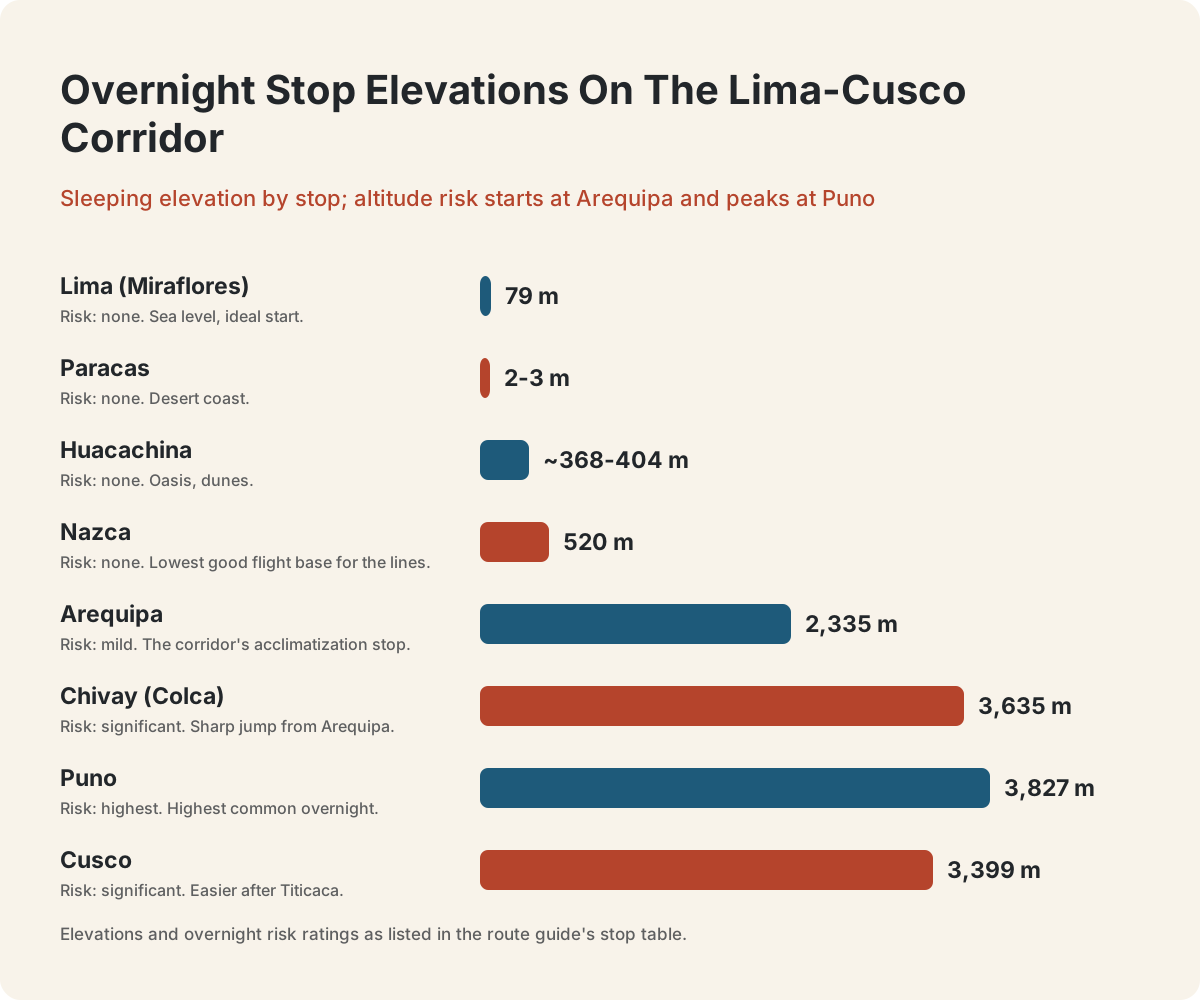
The corridor's overnight stops climb like a staircase: Lima at 79 m, Paracas at 2-3 m, Huacachina at about 368-404 m, Nazca at 520 m, Arequipa at 2,335 m, Chivay at 3,635 m, Puno at 3,827 m and Cusco at 3,399 m. Altitude risk starts at the Arequipa night, becomes real at Chivay, and peaks at Puno, which is why the middle of the route deserves the most planning.
Below about 2,500 m, altitude is essentially a non-issue for healthy travelers, which covers Lima, Paracas, Huacachina and Nazca entirely. Lake Titicaca's surface sits at 3,812 m, and Puno's plaza is barely above the lake, making it the highest common overnight on the route, higher even than Cusco by more than 400 m. That surprises people who treat Cusco as the altitude finale and sleep in Puno two nights before it.
| Stop | Elevation | Overnight risk | Notes for planners |
|---|---|---|---|
| Lima (Miraflores) | 79 m | None | Sea level, ideal start |
| Paracas | 2-3 m | None | Desert coast |
| Huacachina | ~368-404 m | None | Oasis, dunes |
| Nazca | 520 m | None | Lowest good flight base for the lines |
| Arequipa | 2,335 m | Mild | The corridor's acclimatization stop |
| Chivay (Colca) | 3,635 m | Significant | Sharp jump from Arequipa |
| Puno | 3,827 m | Highest | Highest common overnight |
| Cusco | 3,399 m | Significant | Easier after Titicaca |
The physics behind the table is simple. Above roughly 2,500 m, the oxygen available per breath falls enough that your body starts producing extra red blood cells to compensate, and that production takes days. Arequipa at 2,335 m sits right at the edge of the useful zone: high enough to start adaptation, low enough to sleep comfortably. That is exactly why every sensible southern Peru itinerary, including the route we detail in our 10 days in Peru itinerary, anchors at least one Arequipa night.
The First Legs: Lima To Nazca Stays Low
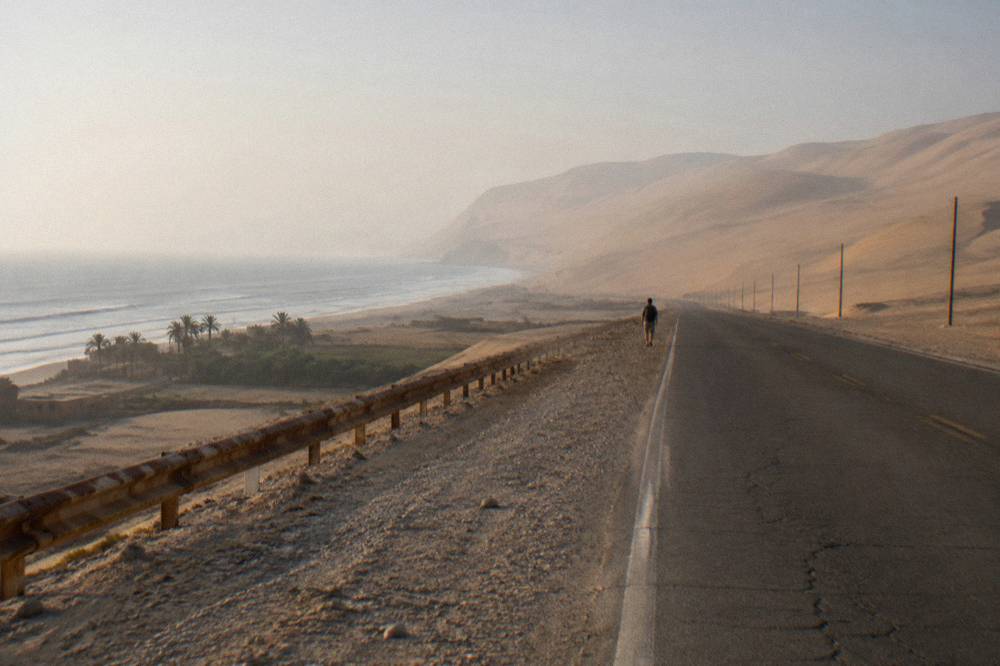
Lima to Paracas, Paracas to Huacachina, and Huacachina or Ica to Nazca cover about 400 km of Pan-American highway with every overnight between 2 m and 520 m; there is no meaningful altitude risk anywhere on this stretch, so the only reason to rush it is impatience, and the main hazard is dehydration from desert sun rather than thin air.
This is the segment where altitude planning matters least and coast planning matters most. Lima to Paracas is roughly 260-272 km, about 3.5-4.5 hours of driving before pickup detours, and the one-way bus from Lima starts from $19 with a 4.2 rating from 53 reviews. Paracas to Huacachina is a short 75 km hop of one to 1.5 hours. Nazca, at 520 m, is reached in about 2-3 hours from Ica, and it is the right base for a Nazca Lines overflight: the flight from Ica or Huacachina runs 35 minutes in the air with a half-day including transfer, from $249, rated 4.7 from 4 reviews, a small pool that reflects a niche product rather than mass bookings.
None of this climbing matters physiologically, but two habits are worth building here because they pay off later. First, hydration: the desert coast is dry, and arriving at altitude already dehydrated is the most common self-inflicted amplifier of symptoms. Second, skip heavy drinking on your last low-elevation night. Hangover plus altitude gain is the classic double hit on the Nazca to Arequipa leg.
If you are compressing the coast into day trips from Lima rather than overnight stops, the premium Paracas and Huacachina option runs from $67 with a 4.9 rating from 9,650 reviews, while its sister listing runs from $119 at 4.8 from 2,636 reviews; both run roughly 16 hours door to door, so treat them as full days, not evenings.
The Big Jump: Nazca To Arequipa To Chivay
The Nazca to Arequipa bus covers about 405 km in 9-10 hours and lifts your sleeping elevation from 520 m to 2,335 m in a single day, which most bodies handle with only mild shortness of breath; the genuinely risky jump is the next one, Arequipa to Chivay at 3,635 m, which can climb your sleep altitude by 1,300 m in under four hours if you skip the acclimatization night.
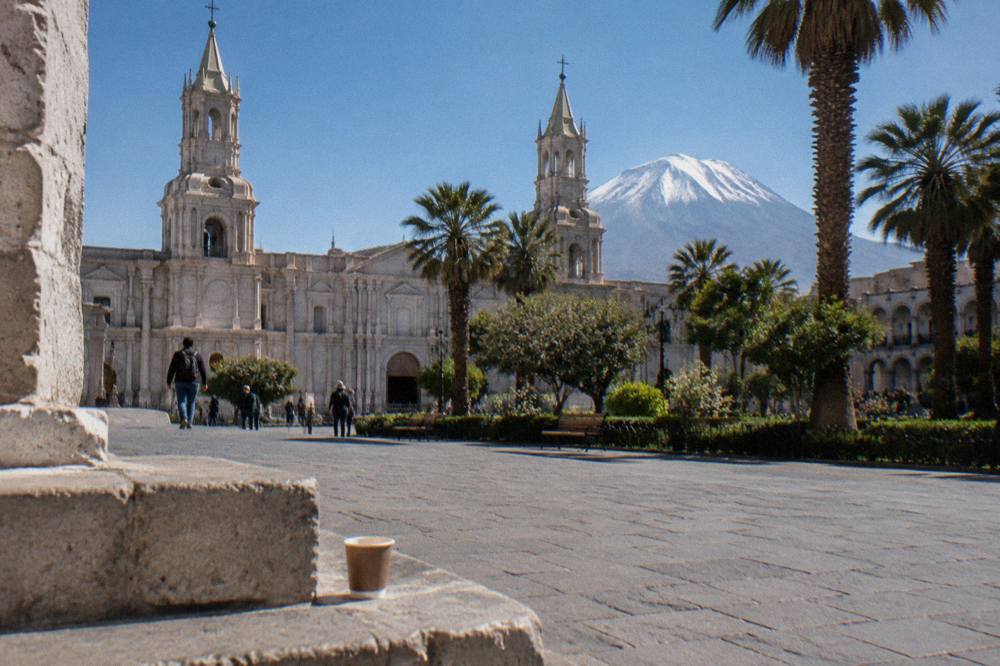
Arequipa is the hinge of the whole corridor, and treating it as a one-hour lunch stop is the single most common itinerary mistake that ends in altitude misery. The standard guidance, repeated across medical and operator sources, is that gradual ascent through an intermediate elevation is what protects you, and Arequipa at 2,335 m is the only natural intermediate stop the corridor offers. One full day and two nights here is the sweet spot: the white volcanic city, Santa Catalina monastery and the views of El Misti are genuinely worth the time, and your blood is quietly doing the work that makes Chivay and Puno survivable.
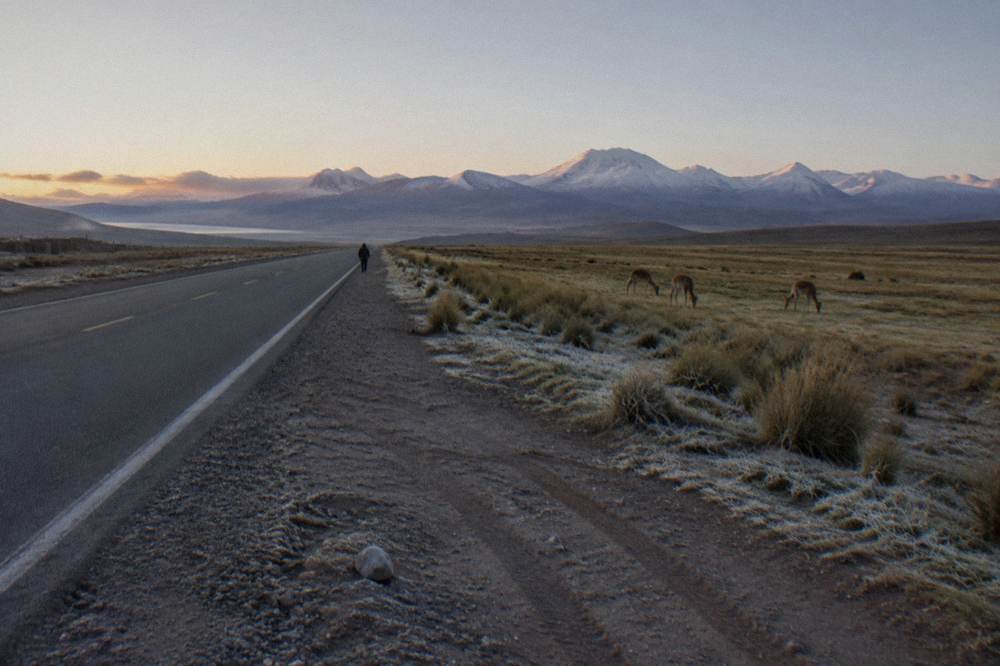
Chivay, the gateway town for Colca Canyon, sits at 3,635 m, and the canyon rim viewpoints such as Cruz del Condor sit around 3,270-3,800 m with passes en route reaching 4,800-4,910 m. The pass is the part that worries travelers, but remember the rule: you cross the pass awake, seated and sober, and your body handles a few hours of transient high altitude far better than a night of it. If you sleep in Chivay the night after a proper Arequipa night, most travelers feel the altitude as fatigue and poor sleep rather than sickness. If you arrive straight from Nazca or, worse, fly Lima to Arequipa and bus up the same afternoon, you have stacked two big jumps.
The scenic bus from Chivay to Puno continues the altitude story at a gentler pace. It covers the Colca-to-Puno stretch in about 6.5 hours with stops, runs from $41.03, and rates 4.7 from 88 reviews with free cancellation. It is one of the few products where the bus itself is the acclimatization strategy: daylight travel, photo stops at Andean villages and lagoons, and a slow roll onto the altiplano at 3,827 m rather than a night sprint.
For travelers who want the canyon without the altitude roulette, the honest planning table looks like this:
| Ascent option | Sleep profile | Altitude risk | Trade-off |
|---|---|---|---|
| Fly Lima-Arequipa, bus to Chivay same day | 520 m equivalent jump twice in 36 hours | High | Fast, rough |
| Bus Nazca-Arequipa, night in Arequipa, next day to Chivay | 2,335 m then 3,635 m | Moderate, manageable | One extra day |
| Two nights Arequipa then Chivay | Gradual | Low | Slowest, most comfortable |
| Skip Colca, direct Arequipa-Puno | 2,335 m then 3,827 m | Moderate | Misses the canyon |
The Altiplano Legs: Chivay And Puno To Cusco
Once you are acclimatized at Puno's 3,827 m, the Puno to Cusco leg actually descends to 3,399 m over about 388 km, taking 8-10 hours by direct bus or roughly 11 hours on the scenic Route of the Sun with cultural stops; the segment is altitude-neutral or favorable, and the practical challenge is comfort over a long day, not thin air getting thinner.
The Puno to Cusco run is the corridor's showcase leg and, from a pure altitude standpoint, its easiest high stretch, because you sleep lower than you woke up. Direct public buses do it in 6-8 hours. The tourist alternative is the daylight Route of the Sun service, which departs Cusco at 6:10 am on the reverse leg, ends around 5:30 pm, and builds in stops at Andahuaylillas, Raqchi, La Raya and Sicuani with a buffet lunch; it runs from $50, rates 4.7 from 633 reviews, and carries free cancellation. On the Cusco-to-Puno direction it does the same in mirror, and it is the tour we would point most altitude-conscious travelers toward, precisely because a full, warm, slow day at 3,500 m is gentler than a fast one. The rest of the planning pages sit on Lima To Cusco.
That service, the Cusco Route of the Sun to Puno tour, is also the piece to book first when your dates firm up, since it carries the corridor's most popular high-altitude timetable and midday lunch buffer. Puno itself rewards a full day: the Uros floating islands run as half-day boats of 2-4 hours, and full-day combinations with Taquile are common. The Copacabana and Isla del Sol day tour from Puno runs 12 hours from $130 at 4.8 from 30 reviews, crossing into Bolivia at 3,841 m Copacabana, essentially the same elevation you have already mastered.
The train option deserves its own paragraph, because it splits the difference between speed and comfort. The PeruRail Titicaca train covers Cusco to Puno in about 10 hours from $395, and with 294 reviews it is a small, boutique product with no star rating worth claiming; its appeal is a dining car, observation windows and a bar, which turns the highest leg into a rolling lounge instead of a bus seat. It runs roughly the same daylight window as the Route of the Sun bus at roughly eight times the price, so it is a comfort choice, not an altitude choice.
Prevention That Actually Works On The Bus
The habits with real effect are slow ascent, hydration, light meals, no alcohol for the first 24 hours above 3,000 m, real sleep, and stopping ascent if symptoms worsen; medication can help, acetazolamide is the standard prescription option, but coca tea and water are the two things every bus on the corridor already offers you and they are free.
Prevention divides into what you schedule and what you carry. The scheduling half is everything above: an Arequipa night, no stacked big jumps, and descending sleep profiles wherever the route allows. The carrying half is a short list. Drink water steadily through the bus day, not a liter at arrival. Eat light and often; the altiplano lunch stops serve soups and quinoa for a reason. Say no to alcohol on arrival night in Chivay and Puno, even when the pisco sour is included. Sleep matters more than sightseeing on night one at each new elevation, because sleep quality falls sharply above 3,500 m and a wrecked night compounds everything the next day.
| Habit | Why it helps | Practical on the bus |
|---|---|---|
| Slow ascent (Arequipa night) | Gives red-cell production time | The one thing no medication replaces |
| Steady hydration | Altitude air is dry; dehydration mimics AMS | Refill at every stop; buses sell water too |
| Light meals | Digestion at altitude is sluggish | Soup and carbs beat heavy meat plates |
| No alcohol first 24 h above 3,000 m | Amplifies dehydration and poor sleep | Hardest rule in Puno, worth it |
| Rest day on arrival | Symptoms peak 12-24 h after gain | Book nothing strenuous for night one |
| Descend if worsening | The only definitive cure | Know the next lower stop on your route |
Coca tea deserves honest framing: it is a mild Andean stimulant that many hotels on the corridor hand out freely, and travelers widely report it eases headaches and helps the first day feel normal. It is not a cure, and it is not a substitute for pacing. If you have a history of severe altitude sickness, talk to a doctor before the trip about acetazolamide, which speeds acclimatization and is dosed before and during ascent; that conversation belongs at home, not at a Puno pharmacy at 3,827 m. For detailed symptom triage, this current Cusco altitude guide covers the medication and oxygen questions well.
Riding the whole corridor instead of one long haul? Peru Hop runs the Lima-Cusco corridor with hotel pickup and drop-off, a bilingual host on every bus, and pass dates you can change in the app up to 12 hours before departure, which is exactly the flexibility an ascent plan needs. Check availability on the corridor pass.
When Symptoms Become A Warning Sign
Ordinary acute mountain sickness is headache, nausea, fatigue and poor sleep that fades within a day at the same elevation; the red flags are a headache that ignores painkillers, vomiting, drunken-like loss of coordination, confusion, breathlessness at rest, or a wet cough, and any one of them means descend now and seek medical care, because the severe forms, HACE and HAPE, are emergencies that no bus schedule outruns.
The reassurance first: the overwhelming majority of corridor travelers never see the severe forms. Ordinary AMS peaks on the first night at each new sleeping elevation, responds to rest, water and painkillers, and usually clears by morning two. Puno has clinics accustomed to tourists, Cusco more so, and oxygen is available in hotels and pharmacies across the altiplano. The reason to know the red flags anyway is that the corridor's bus schedule can tempt you to push on. If your Chivay night goes badly, the correct move is not the 6:30 am bus to Puno, it is the morning bus back down to Arequipa.
Coordination is the test most people miss. Ataxia, the inability to walk a straight heel-to-toe line, is the classic early sign of high-altitude cerebral edema, and it is easy to self-check in a hotel hallway. Confusion in a travel companion is never jet lag at this profile. At the first sign of either, descend: Arequipa is 2,300 m below Puno and a day of bus away, which on this corridor is genuinely close.
Peru Hop states that its buses carry GPS tracking, follow speed limits, and run two drivers on long legs, claims we report as the operator's own rather than independently verified figures. The US State Department's advisory language on overnight buses is worth quoting directly: "Bus crashes are common, especially at night. Only use reputable transport companies, and where possible, avoid overnight travel, especially in mountainous and remote regions." The same advisory, though, permits US government employees to ride commercial buses on this specific corridor, which is about as clear a safety signal as an official document gives. The altitude-safe reading of all this: prefer the daylight scenic services, which align with both the medical advice and the road advice.
Planning The Whole Corridor Around Sleep
A 10-14 day corridor itinerary that sleeps Lima, Paracas or Huacachina, Nazca, Arequipa twice, Chivay once, Puno once and then Cusco gives you a gradual ladder with one real acclimatization stop and no sleeping jump over 1,300 m, and it fits both the bus corridor and the Machu Picchu finale without flying into altitude at any point.
The build below is the shape we would hand a friend. It respects the elevation table, keeps every overnight jump gentle, and it still moves: ten days is enough for the spine of it, two weeks lets the canyon and the lake breathe. The key structural decisions are the double Arequipa night before Colca, and doing Puno before Cusco rather than after, so that Cusco, at 3,399 m, becomes a descent instead of a peak.
| Day | Sleep at | Elevation | Leg highlight |
|---|---|---|---|
| 1-2 | Lima | 79 m | City and recovery from the flight |
| 3 | Paracas or Huacachina | 2-404 m | Ballestas and the dunes |
| 4 | Nazca | 520 m | Overflight morning |
| 5-6 | Arequipa | 2,335 m | Acclimatization days, 9-10 h bus |
| 7 | Chivay | 3,635 m | Colca, condors at dawn |
| 8-9 | Puno | 3,827 m | Uros, Taquile or Copacabana |
| 10+ | Cusco | 3,399 m | Sacred Valley, Machu Picchu |
The Cusco endgame deserves its own note on altitude. Many travelers assume Cusco is the hard part and are surprised to find it easier than Puno, which it is, by over 400 m of sleeping elevation. The real Cusco trap is scheduling Machu Picchu too early: the citadel sits at 2,430 m, lower than Cusco, and the standard advice is to spend your Sacred Valley days in and around Ollantaytambo at 2,792 m before the citadel day, which continues the gentle staircase all the way down. Our Cusco to Machu Picchu train guide covers that leg, and the full-day Vistadome option from Cusco runs about 16 hours from $419 with a 5.0 rating from 317 reviews, while the group bus-train-bus tour runs 12 hours from $332 at 4.7 from 2,307 reviews, noting it carries no standard free-cancellation policy.
For the return, or for travelers starting in Cusco, the Cusco to Puno bus guide details the same legs in the uphill direction, where the altitude logic inverts and the Route of the Sun's buffet-lunch pace becomes even more attractive. Peru Hop covers the corridor in both directions with the same hotel-pickup model and one-year pass validity, and its reported passenger base of 395,000-plus travelers reflects a route that has been carrying acclimatization-paced itineraries for years.
Common Questions About Altitude Sickness On Peru Bus Routes
Which part of the Lima to Cusco bus route has the highest sleeping elevation?
Puno, at 3,827 m, higher than Cusco at 3,399 m and Chivay at 3,635 m. If you sleep in Puno before Cusco, the Cusco nights are technically a descent, which most travelers find noticeably easier.
Is one night in Arequipa enough acclimatization before Colca and Puno?
One night at Arequipa's 2,335 m is the minimum that works for most travelers, and two is better if your schedule allows it. Arequipa is the only natural intermediate stop on the corridor, so it is where your acclimatization budget buys the most.
Does riding the bus actually prevent altitude sickness compared with flying?
It helps mainly because of pacing, not the bus itself. A direct Lima-Cusco flight reaches 3,399 m in about 80 minutes; the bus corridor over several days sleeps at 2,335 m before the high legs, which is the gradual ascent that prevents most symptoms. A bus that skips overnight stops loses that advantage.
Can I take altitude sickness medication instead of ascending slowly?
Acetazolamide can speed acclimatization and is the standard prescription option, but it is a supplement to slow ascent, not a replacement. Get it prescribed and dosed before the trip at home, not at a high-altitude pharmacy after symptoms start.
Is coca tea effective against altitude sickness?
Coca tea is a mild stimulant widely served on the corridor and commonly reported to ease headaches and first-day symptoms. It is not a treatment for real sickness: if symptoms worsen, the answer is descent, not another cup.
Do the high passes over 4,800 m on the way to Colca cause altitude sickness?
Passes are crossed awake and briefly, so they generally cause shortness of breath at most, not sickness. Sleeping elevation is what drives AMS, which is why Chivay at 3,635 m matters far more than the 4,900 m point on the road above it.