Peru Itinerary: 10 Days
Ten days is the shortest comfortable window for the classic Lima to Cusco overland route: coast, canyon, lake and citadel, strung together on daytime bus legs.
Short answer
A 10 day Peru itinerary works as Lima (2 nights), Paracas and Huacachina (1-2 nights), Nazca or Arequipa (1-2 nights), Colca Canyon (1 night), Puno and Lake Titicaca (1-2 nights), then Cusco (2-3 nights) with Machu Picchu on the final day. The whole spine runs on daytime bus legs of 3 to 10 hours.
Ten days is enough to see the classic south of Peru without rushing, but only if you commit to one direction of travel and never backtrack. The route runs Lima, Paracas, Huacachina, Nazca, Arequipa, Colca Canyon, Puno, then Cusco and Machu Picchu, and every leg connects with a daytime or overnight bus. This itinerary is built so that each stop earns its night, and the altitude climbs in steps rather than all at once.
The full spine strings the southern corridor together entirely by road: 272 kilometers from Lima to Paracas, roughly 405 kilometers from Nazca onward to Arequipa, and about 388 kilometers from Puno up to Cusco, with the canyon and the lake folded in between. You start at sea level in Lima, spend a day at 2,335 meters in Arequipa before the canyon, sleep at 3,635 meters in Chivay, and only then reach Puno at 3,827 meters. That staircase matters more than any hotel choice, and it is the single best argument for doing this route by land rather than flying straight to Cusco at 3,399 meters. The whole route, with its timings and its tradeoffs, is the spine this site is built around, and Lima To Cusco covers every leg of it in detail.
What Does A 10 Day Peru Itinerary Cover?
A ten day trip covers the southern corridor: Lima's coast, the Paracas peninsula and Huacachina oasis, optional Nazca Lines flight, Arequipa, Colca Canyon, Lake Titicaca at Puno, and two nights in Cusco with a Machu Picchu day. It skips the north, the Amazon and Huaraz entirely. Anything outside the Lima-to-Cusco spine needs a flight and a day you do not have. Travelers who try to fold in Trujillo or Iquitos end up spending most of day nine inside an airport. Ten days done well means one clean line, not a loop.
Here is the whole trip in one view, so you can see the altitude gain and the driving load side by side.
| Days | Stop | Nights | Elevation | Main activity |
|---|---|---|---|---|
| 1-2 | Lima | 2 | 79 m | Miraflores, Barranco, city food |
| 3 | Paracas or Huacachina | 1 | 2-404 m | Ballestas Islands, dunes, sunset |
| 4 | Nazca or Arequipa | 1 | 520-2,335 m | Nazca overflight or colonial city |
| 5-6 | Arequipa / Colca | 2 | 2,335-3,635 m | Santa Catalina, Cruz del Condor |
| 7 | Puno | 1 | 3,827 m | Uros or Copacabana day trip |
| 8 | Puno | 1 | 3,827 m | Lake Titicaca full day |
| 9 | Cusco | 1 | 3,399 m | Arrive, acclimatize, city walk |
| 10 | Machu Picchu day | 0 | 2,430 m | Citadel, return to Cusco |
If that pace looks tight, it is. The fix is not fewer stops but fewer bus changes: Peru Hop runs the whole corridor as a hop-on, hop-off pass with hotel pickup and drop-off, which removes the terminal schlep with luggage. A bilingual local host rides every bus, passes stay valid up to one year, and you can change a departure time in the app up to 12 hours before, subject to availability. Peru Hop reports 395,000+ passengers carried to date, with current TripAdvisor showing about 20,295 reviews at 4.8 out of 5.
How Do Days 1 To 3 Run: Lima, Paracas And Huacachina?
Spend two nights in Lima, then leave on the morning of day three for Paracas, 272 km and roughly four hours south, and continue to the Huacachina oasis the same afternoon. This front-loads the cities and gives you altitude-free days while your body has jet lag. The coastal stretch is flat, fast and low, so it is the least demanding driving of the entire trip. Save the high passes for week two.
Lima deserves its two nights. Miraflores sits at just 79 meters, so you can walk the malecon, eat in Barranco and take a half-day city tour without any altitude worry. The Lima to Paracas bus guide covers the direct operators, including a one-way ticket from $19 with free cancellation, rated 4.2 from 53 reviews. If you would rather not think about buses at all, there are also full-day options from the capital.
The premium choice is the Lima: Paracas and Huacachina Premium Day Trip and Sunset Toast, from $119 for roughly 16 hours, rated 4.8 from 2,636 reviews. It is a long single day but it compresses Paracas and the dunes into one departure, then returns you to Lima for the night. That is the better pick if you want an extra night in the capital or a buffer before heading south. There is a nearly identical day trip from $67 rated 4.9 from 9,650 reviews; check the inclusions on both live listings before choosing, since the differences are in pickup points and what the sunset toast covers.
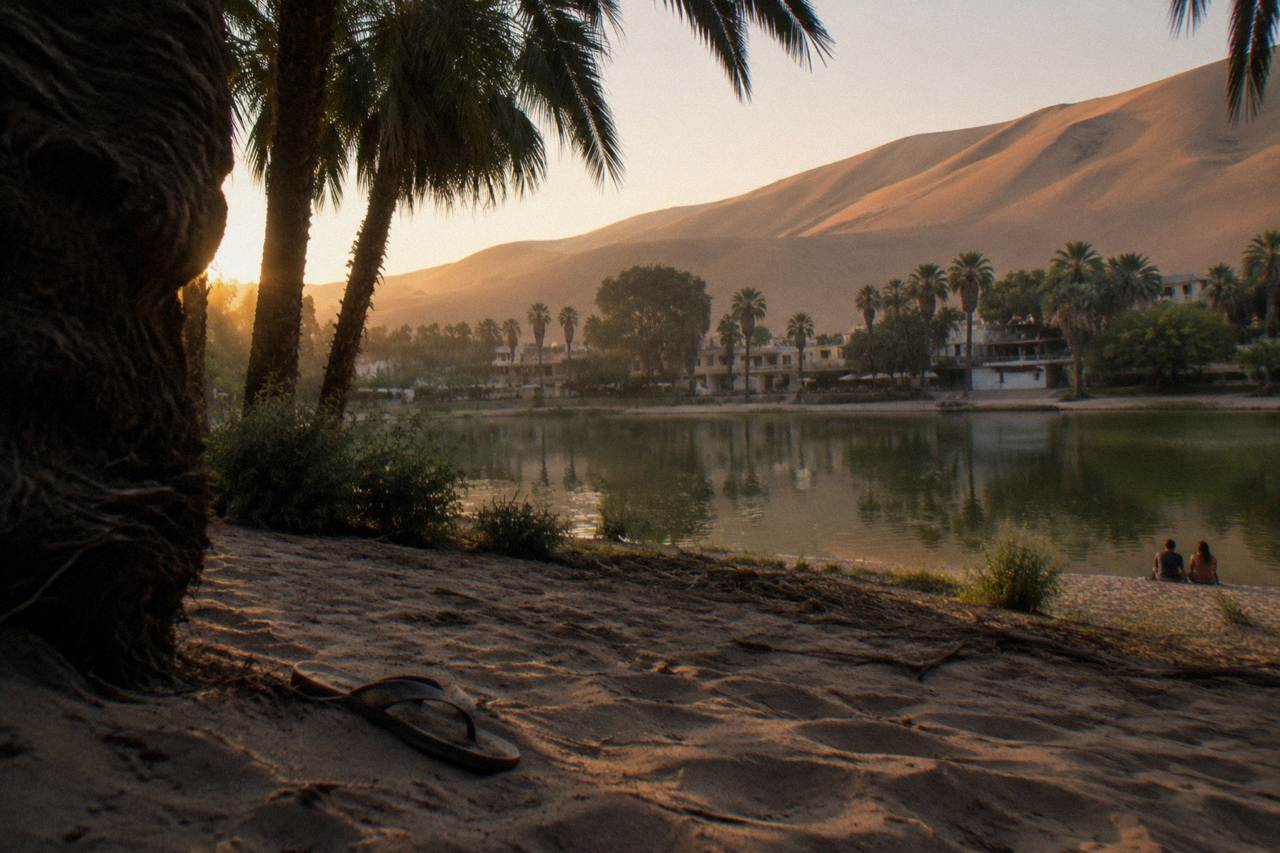
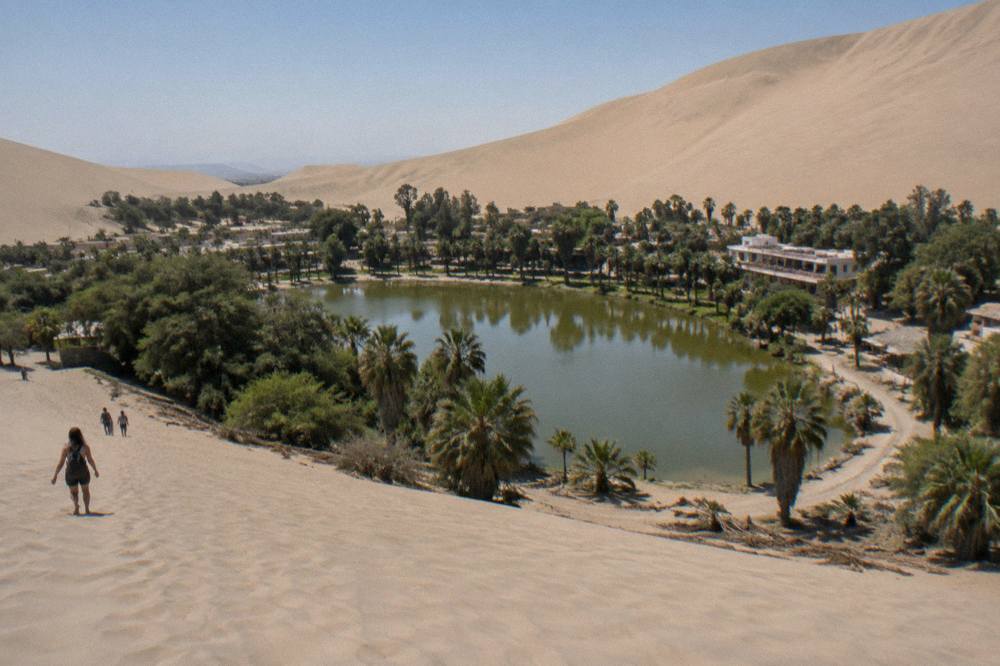
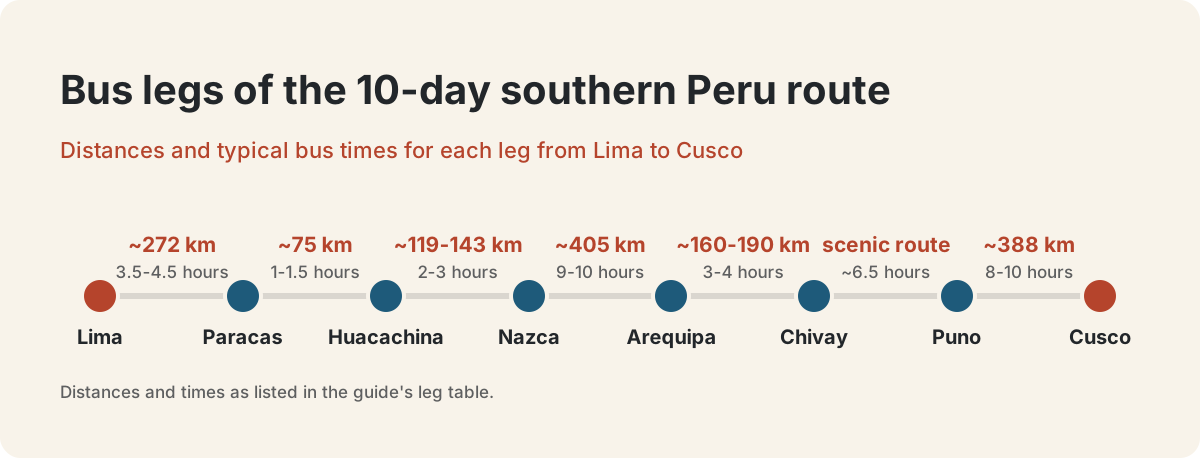
Either way, night three should end in Huacachina rather than Lima. The oasis sits at about 368-404 meters, ringed by dunes you can climb for sunset, and it breaks the long drive south into two short hops. Paracas to Huacachina is only about 75 km, one to one and a half hours on the road. Here is how the legs of the whole corridor stack up.
| Leg | Distance | Typical bus time | Elevation change |
|---|---|---|---|
| Lima to Paracas | ~272 km | 3.5-4.5 hours | 79 m to 2-3 m |
| Paracas to Huacachina | ~75 km | 1-1.5 hours | 2-3 m to ~404 m |
| Ica to Nazca | ~119-143 km | 2-3 hours | ~404 m to 520 m |
| Nazca to Arequipa | ~405 km | 9-10 hours | 520 m to 2,335 m |
| Arequipa to Chivay | ~160-190 km | 3-4 hours | 2,335 m to 3,635 m |
| Chivay to Puno | scenic route | ~6.5 hours with stops | 3,635 m to 3,827 m |
| Puno to Cusco | ~388 km | 8-10 hours with stops | 3,827 m to 3,399 m |
How Do Days 4 And 5 Run: Nazca To Arequipa?
Day four is the longest single move of the trip: Huacachina to Arequipa, with the Nazca leg running roughly 405 km onward, typically 9 to 10 hours of bus, so book the overflight for the morning if you want it, then ride overnight or split with a Nazca night. The Nazca Lines flight from Ica or Huacachina, "Nazca Overflight From Ica", runs 35 minutes in the air as a half-day with transfer, from $249, rated 4.7 from 4 reviews. That review pool is small, so read the listing itself rather than trusting the average.
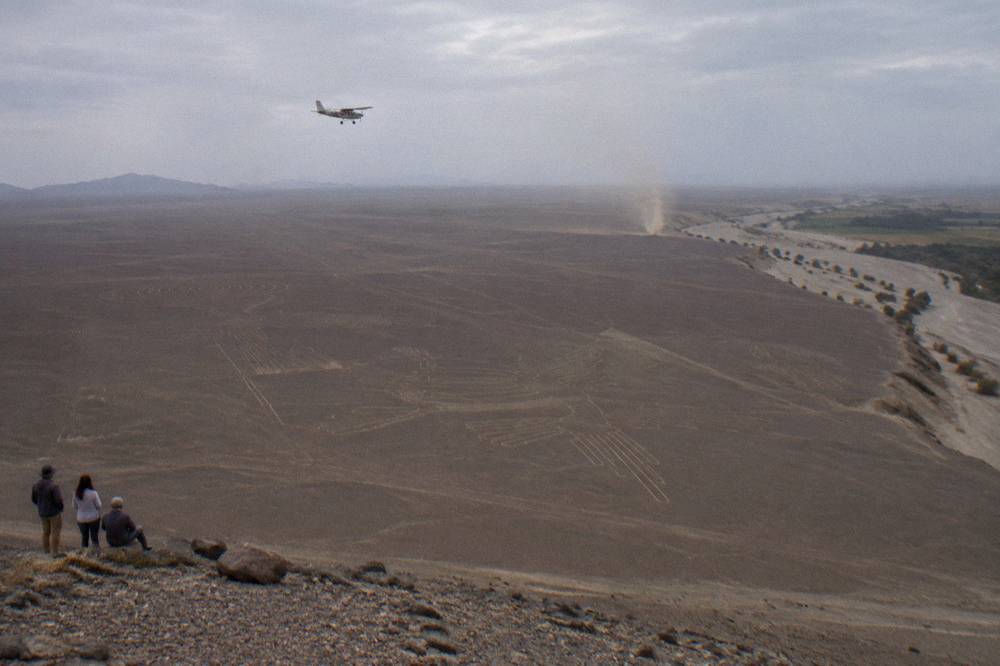
Nazca sits at about 520 meters, still altitude-free. The choice is simple: if the lines matter to you, pay for the overflight and accept the long day; if they do not, sleep in Huacachina and take an evening bus to Arequipa instead. Some legs on this corridor run long or overnight by design, and this is one of them. A brief reality check from recent travelers: one review from September 2026 notes that while the buses were comfortable with USB-A charging, some journeys felt very long. Plan entertainment. The Nazca worth-it question is worth settling before you commit to the flight.
Arequipa rewards the arrival. At 2,335 meters it is the acclimatization stop that makes the rest of the route possible, and the Santa Catalina monastery alone justifies the night. Do not skip it: flying from sea level straight to Puno or even Cusco is the fastest way to meet altitude sickness, and standard altitude guidance keeps it plain: rest on arrival, hydrate, and go easy for the first hours. The altitude sickness on the bus routes guide covers the full playbook. Give Arequipa the evening of day four and the morning of day five.
How Do Days 6 And 7 Run: Colca Canyon To Puno?
Day six goes Arequipa to Chivay at 3,635 meters, about 160-190 km and 3-4 hours into the Colca Valley, with the Cruz del Condor viewpoint at roughly 3,270 meters on the morning of day seven, followed by the onward bus to Puno in the afternoon. Condor viewing is best in dry season, April to November, and mornings between about 7 and 10 a.m. when thermals lift the birds. Book both pieces before you leave Arequipa, because the connecting bus does not run to an infinite schedule.
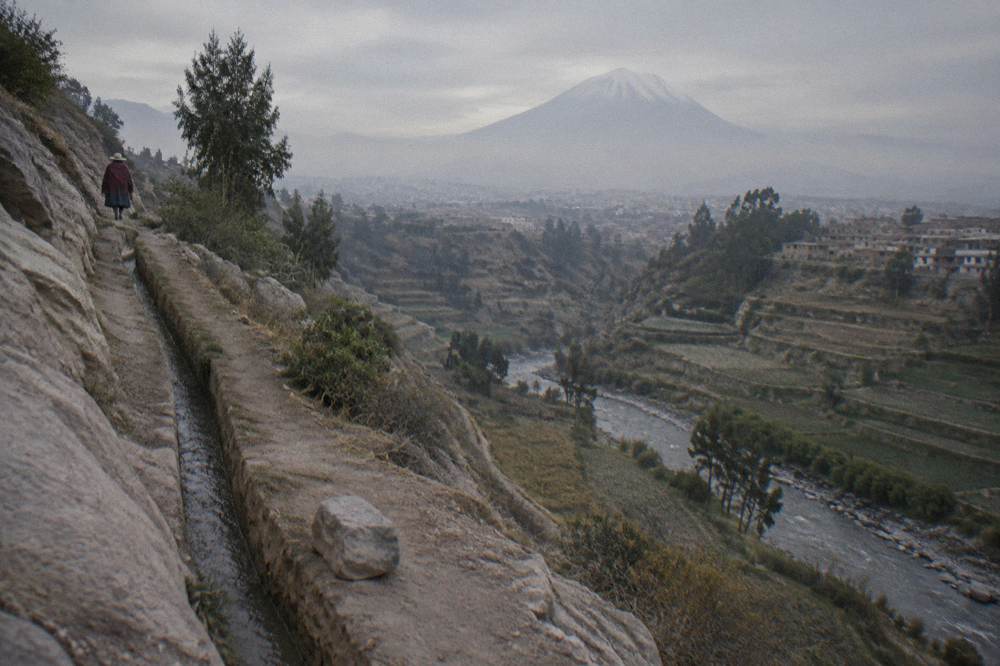
The efficient way to do this is the tourist bus from Chivay to Puno, "Colca To Puno, Scenic Stops", from $41.03, rated 4.7 from 88 reviews, about 6.5 hours with viewpoint stops including Lagunillas. It turns what could be a dead transfer day into the most photogenic drive of the trip. Book it as part of your Colca arrangement rather than arriving in Chivay and hoping. Our Colca Canyon from Arequipa guide covers the valley options in depth if you want a slower version of these two days.
Puno sits at 3,827 meters, the highest sleep of the itinerary, and Lake Titicaca's surface sits at 3,812 meters. Two practical notes for the first evening: keep dinner light, skip alcohol, and do not plan anything ambitious. The late-September 2026 weather alerts for the altiplano flagged snow and wind above 4,000 meters, which is a reminder that passes on this leg can turn cold any month of the year. Peru Hop provides a blanket per passenger and its climate-control system runs on this high-altitude stretch too, if you are on the pass rather than a public line.
What About Day 8: Lake Titicaca Or Bolivia?
Day eight is your Titicaca day: either the Uros floating islands plus Taquile as a half or full day from Puno, or the Copacabana and Isla del Sol whole-day tour from Puno, from $130, rated 4.8 from 30 reviews, which crosses the Kasani border and returns the same evening. Pick one, not both. The Copacabana option suits travelers who want the Bolivia taste test; the Uros option suits anyone who would rather not do border formalities on a one-day outing.
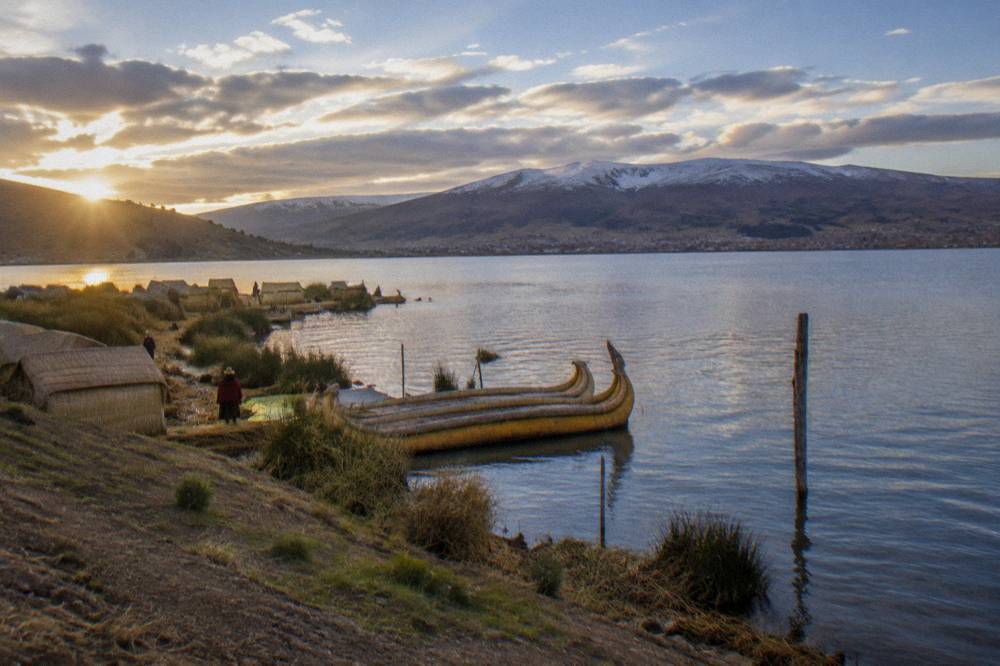
If Bolivia tempts you for longer, the visa picture changed recently: as of December 1, 2025, US, UK, EU, Canadian and Australian tourists are visa-free for up to 90 days within a 12-month period, with a mandatory free SIGEMIG online pre-registration through migracion.gob.bo. The prior US reciprocity fee of $160 no longer applies. Border posts at Kasani run roughly 07:30-18:00 on the Peru side; aim to cross between 10:00 and 15:00. The Peru-Bolivia itinerary guide covers the two-week version of this route if you want to extend rather than day-trip.
Community fees apply at the islands, roughly 10-15 bolivianos per checkpoint on Isla del Sol and similar small contributions at Uros, and boat tickets from Copacabana pier run about 30-40 bolivianos round trip. Buy handicrafts directly from families and ask before photographing people; these are living communities, not a photo set. Half-day Uros tours run about 2-4 hours from Puno.
How Do Days 9 And 10 Run: Puno To Cusco And Machu Picchu?
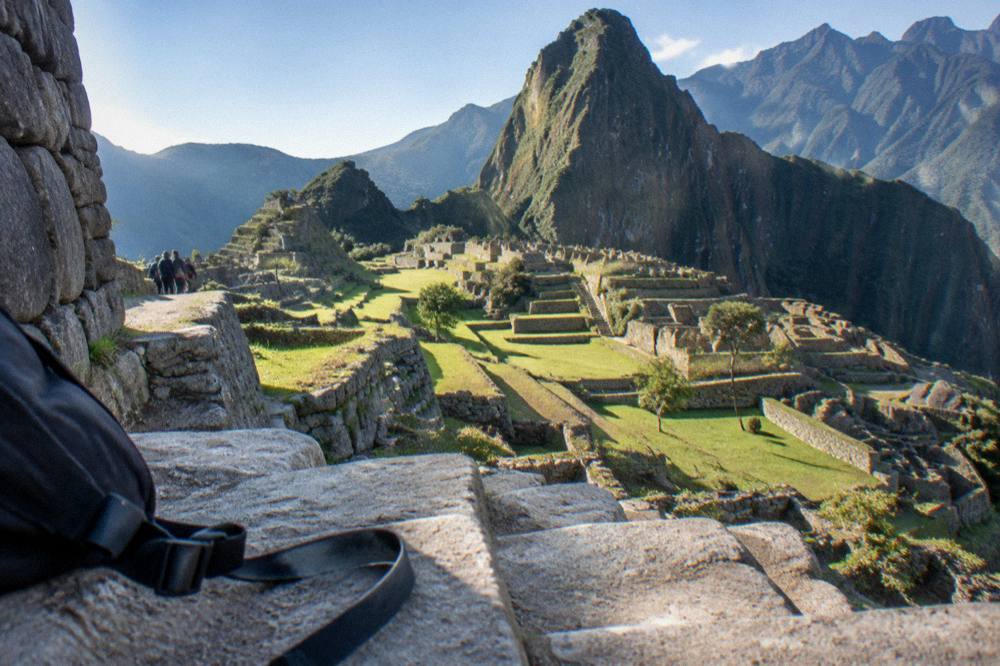
Day nine is the scenic Puno to Cusco leg, roughly 388 km, 8 to 10 hours with stops, arriving at 3,399 meters in the evening; day ten is the full-day Machu Picchu excursion from Cusco, roughly 12 hours door to door, returning to Cusco late. The bus beats the plane here precisely because it is slow: you get Andahuaylillas, Raqchi and La Raya stops instead of a 1 hour 20 minute flight from a 3,310-meter runway where afternoon weather delays are routine.
The Cusco: Scenic Route of the Sun to Puno runs in both directions, from $50 with buffet lunch included, rated 4.7 from 633 reviews, departing 6:10 a.m. and arriving about 5:30 p.m. In this itinerary you ride it northbound, and every stop is a sight you would otherwise need a private driver to reach. The direct public buses do the same distance in 6-8 hours with nothing but a toilet break, so you are paying about the price of lunch for six guided stops. Take the scenic one.
Machu Picchu is the finale, and it needs booking discipline. Daily capacity is 4,500 visitors in regular season, rising to 5,600 on specific high-season dates, with timed hourly entry windows and tickets sold on the official portal, where the purchase must be completed within 15 minutes of selection. The simplest structure for a ten-day traveler is the full-day group tour of Machu Picchu, from $332, rated 4.7 from 2,307 reviews: bus to Ollantaytambo, train, the citadel bus and a guided tour of the ruins, all in one booking. Note that no standard free-cancellation policy is shown on that listing, so confirm terms before you commit. The Cusco to Machu Picchu train guide covers the rail options in detail, including the current schedules on PeruRail's official timetable page, if you would rather assemble the pieces yourself.
One honest caveat about doing the finale this way: a full-day Machu Picchu trip after nine days of moving is tiring, roughly 16 hours if you take the upgraded Vistadome train version. If you have any flexibility, steal a night from Lima and sleep in Cusco or Ollantaytambo before it. Ollantaytambo sits at 2,792 meters, actually lower than Cusco, which makes it a kinder final base. The Cusco or Ollantaytambo comparison walks through that tradeoff.
How Much Does 10 Days In Peru Cost?
The big bookable pieces are easy to total: the bus legs and tours in the table below run from a $19 one-way bus ticket up to a $419 upgraded Machu Picchu train day, with the full pass alternative priced separately on its own site. Hotels and food vary by season and standard and are not priced on this site, so build your daily budget around accommodation research for your travel dates. The spread is driven almost entirely by three choices: the Nazca flight, the Machu Picchu ticket class, and whether you take Titicaca as a group or private outing.
Here are the big bookable pieces with their verified figures.
| Item | From price | Rating | Notes |
|---|---|---|---|
| Lima-Paracas one-way bus | $19 | 4.2 from 53 reviews | Free cancellation, ~3 hours |
| Premium Paracas-Huacachina day trip | $119 | 4.8 from 2,636 reviews | ~16 hours, sunset toast |
| Nazca overflight from Ica | $249 | 4.7 from 4 reviews | Small review pool |
| Colca to Puno tourist bus | $41.03 | 4.7 from 88 reviews | ~6.5 hours, scenic stops |
| Copacabana and Isla del Sol day | $130 | 4.8 from 30 reviews | 12 hours, border crossing |
| Route of the Sun, Puno-Cusco | $50 | 4.7 from 633 reviews | Buffet lunch included |
| Full-day Machu Picchu group tour | $332 | 4.7 from 2,307 reviews | Bus, train, guide, ~12 hours |
| Cusco airport private transfer | $13 per group | 4.8 from 251 reviews | 20-25 minutes |
Food is the quiet budget line. A set lunch menu in Arequipa or Puno costs a few dollars; a good dinner in Miraflores or Cusco costs about what you would pay in any capital. Keep small notes handy for community fees at Titicaca and tips for guides. The one deliberate omission above is the hop-on, hop-off pass itself: it carries no price on this site, and its own booking page lists current fares, so treat it as a separate decision from the per-piece totals.
What Should You Book Before You Leave Home?
Book three things in advance: your Machu Picchu day, your first night's accommodation in Lima, and your long bus legs, in that order of urgency. Machu Picchu entry is capacity-limited and date-locked; the rest can mostly be arranged a few days ahead on a hop-on, hop-off pass with in-app changes up to 12 hours before departure. The one mistake worth avoiding is landing in Cusco on day nine with no citadel ticket for day ten.
Airport logistics at the Cusco end are simple and cheap. A private transfer from Cusco airport to your hotel, "Private Transfer, Shared Rate", runs from $13 per group, 20-25 minutes, rated 4.8 from 251 reviews, with a door-to-door alternative from $14.99 rated 4.5 from 98 reviews. If you are extending the trip past day ten and heading to the Sacred Valley independently, a private transfer from Cusco hotels to Ollantaytambo station costs from $60, rated 5.0 from 22 reviews.
Two smaller bookings save real friction. First, an eSIM sorted before departure: Airalo's Peru data plans cover the whole corridor and spare you the terminal kiosk queue. Second, if you are driving any leg yourself, read our is-it-safe-to-rent-a-car-in-peru coverage first; mountain roads and protest closures change the calculus quickly. And if you want a budget or direct-ticket alternative to a hop-on, hop-off pass for any single leg, 12Go compares bus and train seats on the corridor.
On safety generally, the picture is stable but worth knowing precisely. The US State Department's September 2026 advisory states that "demonstrations occur regularly throughout the country" and can shut down roads and highways "without warning or clear information on reopening times," per the official advisory page. Its own personnel are prohibited from nighttime driving except on named corridors, including the Lima-Arequipa-Cusco route, where commercial buses are permitted. The UK FCDO's Peru advice puts it simply: "Bus crashes are common, especially at night. Only use reputable transport companies, and where possible, avoid overnight travel, especially in mountainous and remote regions." The practical translation for a ten-day traveler: keep a buffer day near the end, book operators with reroute and refund policies, and check road conditions the day before each long leg. Roads in Peru occasionally see strikes or protests, so verify current conditions before travel.
If ten days feels short once you are on the ground, it is. The natural next read is the Peru itinerary 2 weeks version, which adds a Sacred Valley night and either the Bolivia extension or Arequipa at a humane pace. Ten days done as written above is the compressed-but-honest version: every stop earned, no backtracking, and the altitude staircase respected.
Common Questions About A 10 Day Peru Itinerary
Is 10 days enough for Peru?
Ten days is enough for the classic southern route: Lima, Paracas, Huacachina, Nazca, Arequipa, Colca Canyon, Lake Titicaca and Cusco with Machu Picchu. It is not enough to add the Amazon, Huaraz or the north coast without flying and losing a day to airports.
What is the best 10 day Peru itinerary?
Lima for two nights, Paracas and Huacachina for one, Nazca or Arequipa next, Colca Canyon overnight, Puno for two nights with a Titicaca day, then Cusco for two with a full-day Machu Picchu tour. The order matters because altitude climbs in steps from 79 meters to 3,827 meters.
Can you do Machu Picchu in a 10 day Peru trip?
Yes, as the final day. The From Cusco full-day group tour, from $332 and rated 4.7 from 2,307 reviews, bundles bus, train and a guided citadel visit in about 12 hours. Book it early because daily entry is capped at 4,500 visitors in regular season.
Is Peru Hop worth it for a 10 day itinerary?
For this exact route it is a strong fit: the corridor is precisely its spine, hotel pickup removes terminal transfers with luggage, and a bilingual host rides every bus. It costs more than a bare Cruz del Sur or Oltursa seat before you count the saved taxis, so budget direct-seat travelers may prefer public lines.
How do I avoid altitude sickness on this itinerary?
The route itself is the main defense: two nights in Lima at 79 meters, Arequipa at 2,335 meters and Chivay at 3,635 meters before Puno at 3,827 meters. Rest on arrival, drink water, eat light, skip alcohol the first evening at each new elevation, and consider discussing acetazolamide with a doctor before travel.
What does a 10 day Peru trip cost?
The big bookable pieces are the ones to budget first: a $19 Lima-Paracas bus, the $249 Nazca overflight if you take it, the $41.03 Colca-to-Puno scenic bus, the $130 Titicaca day and the $332 to $419 Machu Picchu day. Add accommodation and food for ten days on top, priced for your dates.