Colca Canyon From Arequipa: Is It Worth It
Colca Canyon from Arequipa is one of southern Peru's most common add-ons, and the question most travelers ask is whether the long drive and early start justify the view. Here is what the distances, costs and condor-viewing realities actually look like.
Short answer
Yes, for most travelers. Colca Canyon sits roughly 160 to 190 km from Arequipa, a 3 to 4 hour drive each way, and Cruz del Condor sits around 3,270 m above sea level. The Chivay to Puno tourist bus costs from $41.03, rated 4.7 from 88 reviews, and turns the canyon into a natural stop on the way to Puno at 3,827 m.
Colca Canyon From Arequipa: Is It Worth It
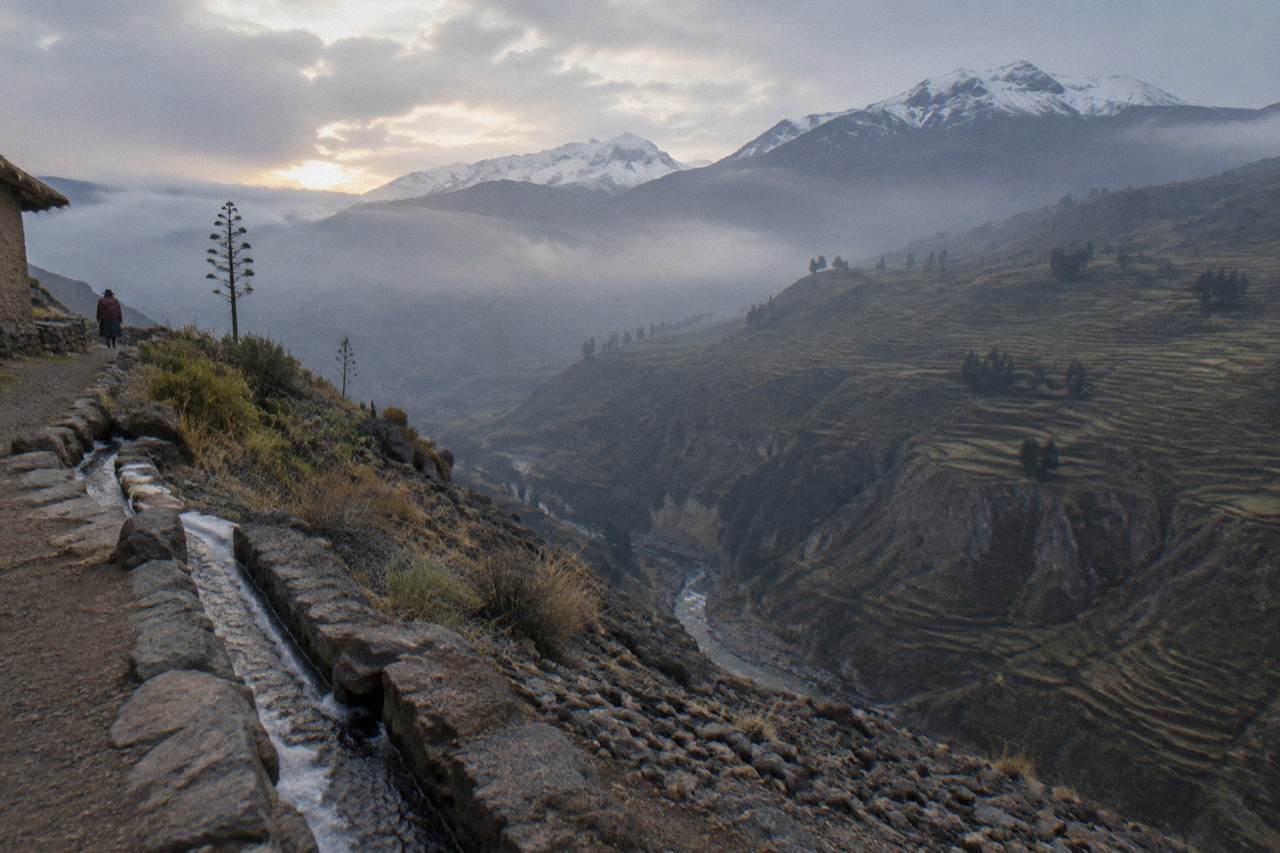
For most travelers visiting Arequipa, Colca Canyon earns its place: it is one of the world's deepest canyons, and Cruz del Condor offers Peru's most reliable Andean condor sightings. The trade-off is time and altitude, since the viewpoint sits roughly 3,270 m above sea level and Chivay, the main base town, at 3,635 m, both well above Arequipa's 2,335 m. It comes down to whether you have two spare days.
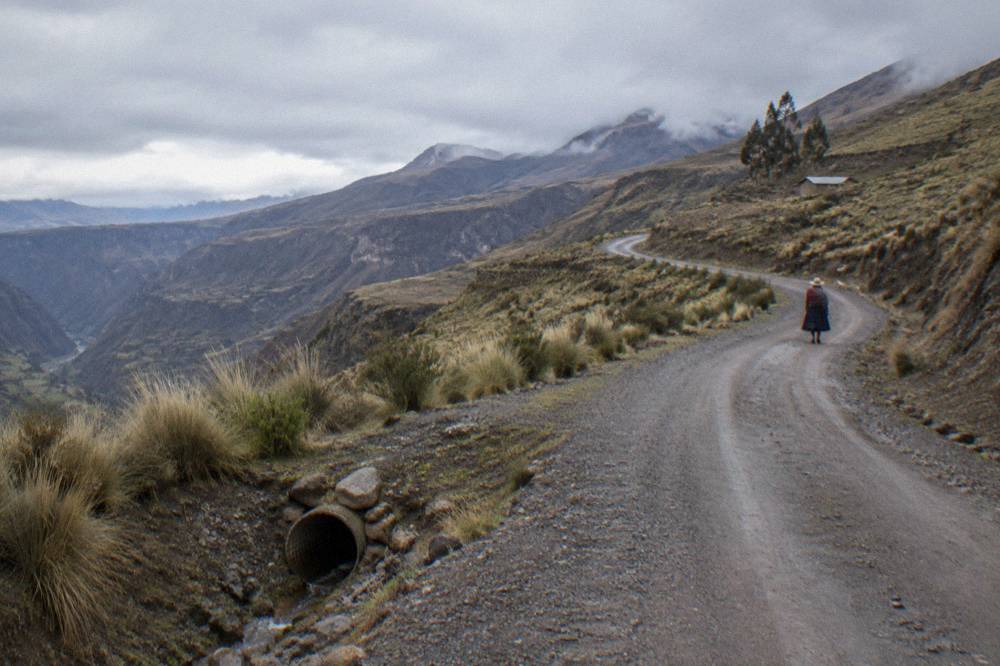
The honest framing first. Arequipa itself sits at 2,335 m, which is exactly why so many Peru routes put it before the higher altiplano: it is a comfortable acclimatization stop. Colca Canyon breaks that pattern. The drive from Arequipa crosses high passes that reach toward 4,800 to 4,910 m before dropping to Chivay, so a canyon trip is not a rest day, it is a bigger altitude commitment than the city you came from.
Most visitors fall into one of two camps. The first takes a full-day tour from Arequipa: a 3 am wake-up, three to four hours of driving each way, a stop at Cruz del Condor for the morning thermals, lunch in Chivay, maybe the hot springs, and a late return. The second stays a night in Chivay and treats the canyon as a destination, with village walks, terraces, and a slower second day. Both work. The one-day version is brutal on sleep; the two-day version costs a hotel night but turns the trip into something closer to what the canyon actually deserves.
There is also a third option that most first-time visitors miss: instead of returning to Arequipa, continue from Chivay to Puno. That leg exists as a dedicated tourist bus, and it changes the canyon from a detour into a natural step on the Arequipa-to-Titicaca route. This guide covers all three, the costs of each, the condor timing that makes or breaks the visit, and how to keep going toward Lake Titicaca afterward.
How Far Is Colca Canyon From Arequipa?
Colca Canyon is roughly 160 to 190 km from Arequipa depending on which end of the canyon you target, and the drive takes three to four hours in each direction. Chivay, the main gateway town, sits at 3,635 m above sea level, while the Cruz del Condor viewpoint sits around 3,270 m. The road between them crosses passes approaching 4,800 to 4,910 m.
The figures that matter for planning are the ones the schedule actually touches. A day tour from Arequipa is built around the condor: you leave before dawn because Cruz del Condor is a morning show, and the drive consumes six to eight hours of the day before you count stops. That is why one-day tours feel long, and why the two-day format exists at all.
| Leg | Typical distance | Typical time | Elevation at the far end |
|---|---|---|---|
| Arequipa to Chivay | 160 to 190 km | 3 to 4 hours | 3,635 m |
| Chivay to Cruz del Condor | ~50 km | 1 to 1.5 hours | ~3,270 m |
| Chivay to Puno (tourist bus) | ~6.5 hours total | ~6.5 hours | 3,827 m |
| Arequipa to Puno direct | ~300 km | 6 to 7 hours | 3,827 m |
The last row is the one worth pausing on. Arequipa to Puno direct is about 300 km and six to seven hours; Peru Hop publishes an example on that corridor departing around 05:45 and arriving around 13:00 with a Lagunillas viewpoint stop, roughly 7.25 hours total. Going via Colca is slower but you see the canyon instead of just the highway. For travelers building a southern Peru route, that choice, direct or via the canyon, is the real decision, and the rest of this guide is built around it.
Peru Hop serves the Arequipa-Puno leg daily with scenic stops, and its hotel pickup model matters here: Peru Hop picks up and drops off at your hotel or hostel in participating locations, so you skip the bus terminal with your bags, which is a real consideration at 3,635 m with a suitcase. A bilingual local host rides every bus, and passes are valid up to one year with date changes in the app up to 12 hours before departure, subject to availability.
What Does A Colca Canyon Trip Actually Cost?
A Colca Canyon trip starts at about $41.03 for the Chivay to Puno tourist bus, rated 4.7 from 88 reviews, which is the cheapest way to fold the canyon into a longer route. Day tours from Arequipa and viewpoint entry fees cost extra, and the tourist ticket to the Cruz del Condor circuit is sold on site, so confirm whether your operator includes it.
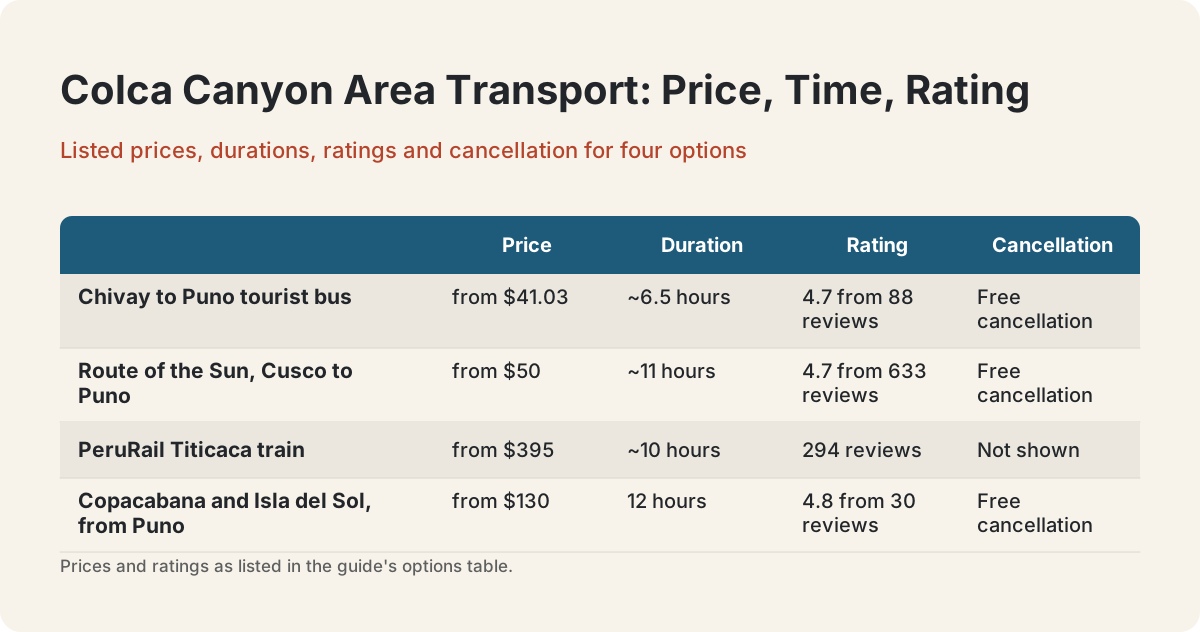
The listed prices and ratings are fixed here, so it is worth comparing them side by side. The Chivay-to-Puno bus, the "Colca To Puno, Scenic Stops" option, is the budget anchor: from $41.03, 4.7 from 88 reviews, about 6.5 hours, with free cancellation. The Route of the Sun bus from Cusco to Puno costs from $50 and runs 4.7 from 633 reviews over about 11 hours. The PeruRail Titicaca train is the premium contrast, covering the route in roughly 10 hours, with 294 reviews on its listing and no star rating shown. And the Copacabana and Isla del Sol full-day tour from Puno, 4.8 from 30 reviews, from $130, is what many travelers book once they actually reach the lake.
| Option | Price | Rating and reviews | Duration | Cancellation |
|---|---|---|---|---|
| Chivay to Puno tourist bus | from $41.03 | 4.7 from 88 reviews | ~6.5 hours | Free cancellation |
| Route of the Sun, Cusco to Puno | from $50 | 4.7 from 633 reviews | ~11 hours | Free cancellation |
| PeruRail Titicaca train | from $395 | 294 reviews, too few for a star claim | ~10 hours | Not shown |
| Copacabana and Isla del Sol, from Puno | from $130 | 4.8 from 30 reviews | 12 hours | Free cancellation |
Those are transport and tour prices on the operator's live listing; canyon entry tickets, hot springs in Chivay, meals and a Chivay hotel night sit on top and vary by season. What the table shows is that the canyon is not an expensive destination by Peruvian standards. The expensive version of this route is the train; the cheap version is the Chivay-to-Puno bus, and the gap between them is several times the bus fare for a route that covers similar ground.
For continuing travelers, this site's Arequipa to Puno bus guide breaks down the direct leg in detail, including the operators that run it and the stop options. If your plan is Arequipa, canyon, then Titicaca, the Chivay-to-Puno bus is the piece that makes the whole chain work, and it is the one product on this page we point most readers toward checking first.
When Is The Best Time To See Condors At Cruz Del Condor?
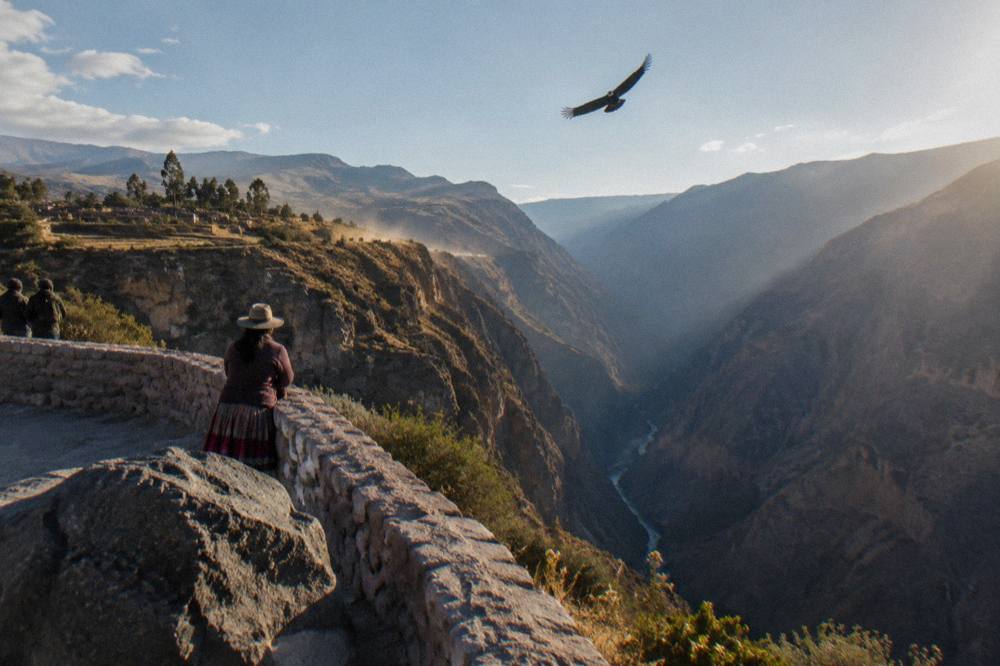
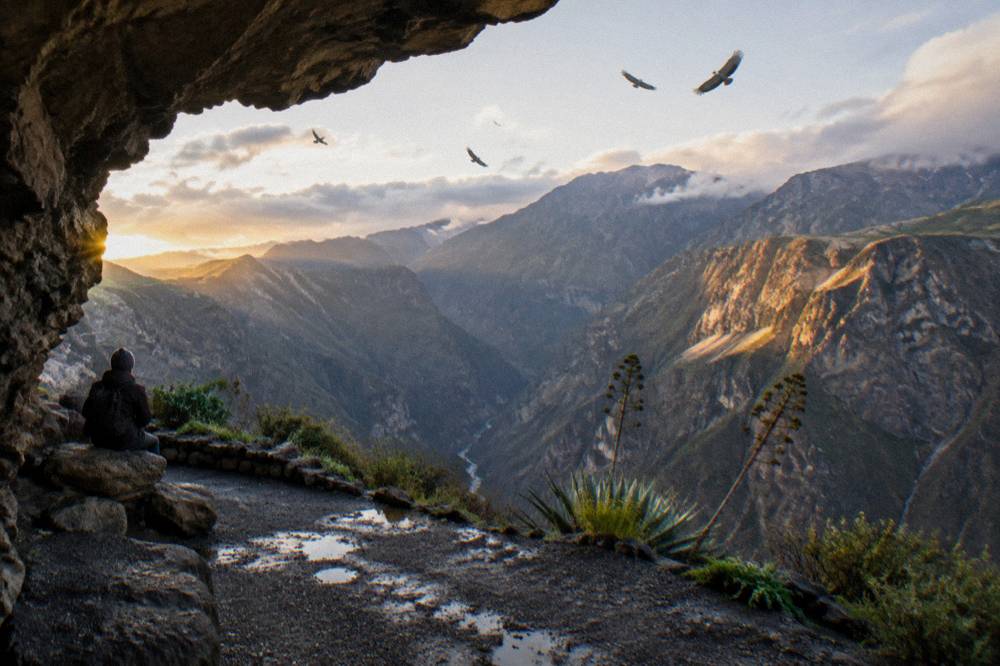
The dry season, April through November, is the best window for Colca Canyon, with the clearest skies and the most dependable condor sightings; mornings between roughly 7 and 10 am are when the thermals rise and the birds glide past the viewpoint at their lowest. Condors are visible year-round, but sightings are weather-dependent, and the dry months stack the odds in your favor.
That timing is the entire reason day tours leave Arequipa at 3 am. Condors ride thermals: cold morning air heats against the canyon walls, columns of rising air form, and the birds can glide for hours barely flapping. Arrive after late morning and the thermals weaken, the birds drift higher or away, and you are left looking at a spectacular canyon with an empty sky over it. The viewpoint itself, Cruz del Condor, sits around 3,270 m, lower than Chivay, which surprises people who expected the rim to be the highest point of the trip. The passes on the drive in are higher than both.
Weather on the altiplano deserves one honest note. Roads in Peru occasionally see strikes or protests, and conditions in the high puna can change fast; a late-September weather alert flagged snow and wind potential in Puno altiplano areas above 4,000 m, the kind of elevation the Arequipa-Chivay road crosses. That is not a reason to skip the canyon, but it is a reason to check current conditions before an early-morning departure and to build a little slack into tight itineraries.
One-Day Tour, Two-Day Stay, Or Continue To Puno?
A one-day tour costs the least and fits the tightest schedules but means a 3 am start and up to eight hours of driving; two days in Chivay lets you see villages and terraces at altitude-adjusted pace; continuing to Puno by bus from Chivay costs from $41.03 and makes the canyon a waypoint rather than a round trip. For a Peru itinerary of ten days or more, the through-route is usually the best value.
The one-day format is what most of Arequipa's tour market sells, and for a reason: it fits between other bookings and requires no hotel decision in Chivay. The cost is sleep and depth. You see Cruz del Condor, lunch, maybe the hot springs, and you are back in Arequipa after dark, having spent more hours on the road than in the canyon.
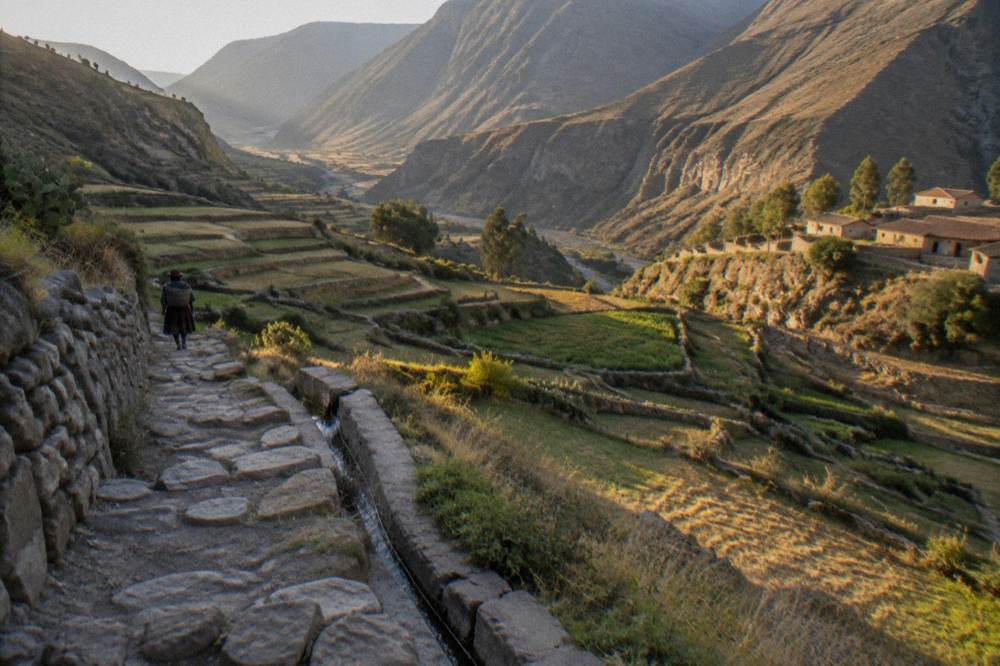
The two-day format fixes that. Overnight in Chivay means you arrive in daylight, sleep at 3,635 m, and use the morning for the viewpoint before the day-trippers arrive. The villages of the canyon, the terracing, and the quieter miradors are what you actually buy with the second day, and those are the parts one-day visitors describe as a blur.
| Format | Typical start | Time in the canyon | Extra cost | Best for |
|---|---|---|---|---|
| One-day tour from Arequipa | ~3 am | ~3 to 4 hours | None beyond the tour price | Tight schedules, first condor sighting |
| Two days with a Chivay night | Mid-morning departure | A full day plus | One hotel night in Chivay | Slower pace, villages and terraces |
| Continue to Puno by tourist bus | Morning from Chivay | ~Half a day plus the ride | Bus from $41.03 | Through-routes toward Titicaca |
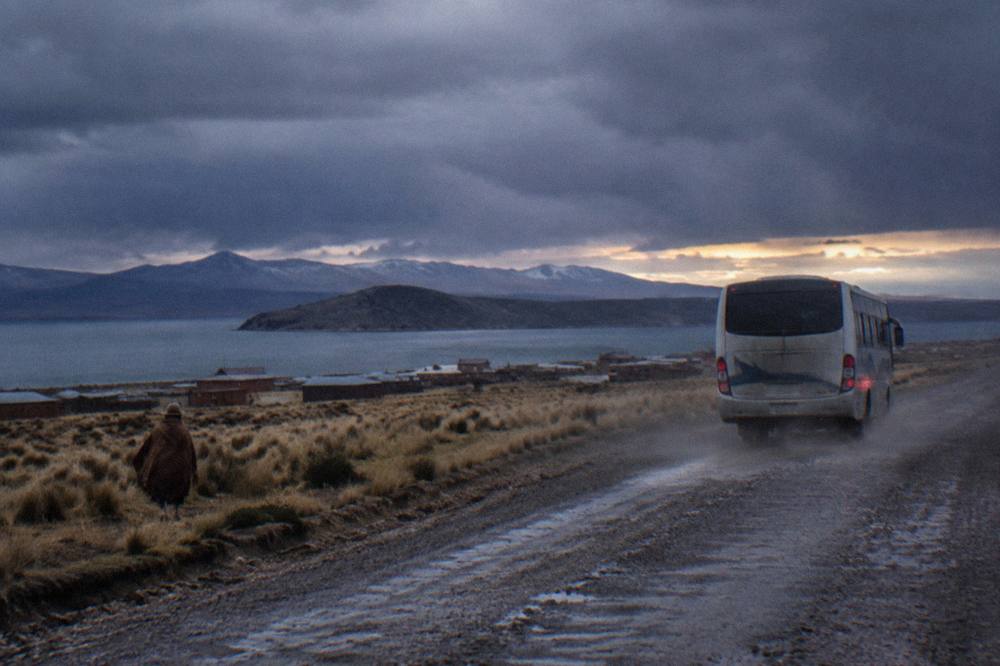
The third format is the one under-used option. The Chivay-to-Puno tourist bus, the "Colca To Puno, Scenic Stops" service rated 4.7 from 88 reviews, picks up the canyon exit and runs roughly 6.5 hours to Puno with stops along the altiplano. Instead of retracing the road to Arequipa, you ride forward. Travelers pairing this with a Titicaca stay should also look at the Cusco to Lake Titicaca tours guide, which covers the lake options once you arrive, including the Copacabana and Isla del Sol day tour rated 4.8 from 30 reviews, from $130.
Peru Hop is the other through-route option worth knowing about: it serves the Arequipa-Puno corridor with scenic stops, and its buses come with wifi, USB charging, an onboard bathroom and reclining semi-cama seats, with a blanket per passenger for the high-altitude legs. A few reviewers note wifi and USB can be inconsistent. The honest caveat: Peru Hop costs more than a bare Cruz del Sur or Oltursa seat before you tally in the taxis and tours the pass bundles, and some legs run long or overnight, so it is not the pick for a traveler who just wants one direct seat at the lowest price.
How To Continue From Colca Canyon To Puno And Lake Titicaca
The Chivay-to-Puno tourist bus runs about 6.5 hours for from $41.03 and is the standard continuation; from Puno, the Route of the Sun bus to Cusco costs from $50 and the Copacabana and Isla del Sol day tour from $130. The PeruRail Titicaca train from Puno toward Cusco, from $395, is the luxury alternative on the same corridor. Most travelers bus one direction and spend the savings on a night at the lake.
Puno at 3,827 m is the highest overnight on this whole route, so plan the altitude sequence deliberately: Arequipa's 2,335 m first, the canyon second, Puno third, and Cusco's 3,399 m last. That order is why the Chivay-to-Puno bus is more than just cheap transport; it is the natural rung of the ladder. Travelers who fly straight into Juliaca, near 3,825 m, skip every rung and feel it.
From Puno the choices fork. Heading to Cusco, the "Route Of The Sun, Buffet Lunch" bus, 4.7 from 633 reviews, from $50, runs roughly 11 hours with cultural stops and lunch, departing around 6:10 am and arriving around 5:30 pm. It is the scenic way; direct public buses do the same road in 6 to 8 hours without the stops. The PeruRail Titicaca train covers the same corridor in about 10 hours from $395 and is a day-long experience in itself; its review pool of 294 is too thin for a star-rating claim, so judge it on what the train offers rather than a rating number. PeruRail publishes its full schedule and frequency detail on its official train schedules page, which is the source to check before committing a day to it.
For travelers extending into Bolivia, the Copacabana and Isla del Sol whole-day tour from Puno, 4.8 from 30 reviews, from $130, crosses at the Kasani/Yunguyo border, where formalities typically take 30 to 90 minutes and posts operate roughly 07:30 to 18:00 on the Peru side. US, UK, EU, Canadian and Australian tourists are visa-free for tourism stays up to 90 days following the December 2025 change, with mandatory free SIGEMIG online pre-registration for all visitors; confirm shortly before travel since policies shift by decree. Boats to Isla del Sol leave Copacabana pier typically around 08:30 and 13:30, and community fees of roughly 10 to 15 BOB apply at island checkpoints.
The premium contrast on this corridor is the train, and it deserves its own sentence rather than a table row: from $395, about 10 hours, and a review pool of 294 with no rating claim printed. Travelers who want the train experience and the canyon in one itinerary usually bus through Colca and Puno one direction and train the other, which is exactly the pattern the trio of options above supports.
Is The Drive From Arequipa To Colca Safe?
Yes, by Andean road standards, provided you use established operators and travel in daylight. The US State Department notes that its employees may travel at night with commercial bus companies on the Lima-Arequipa-Cusco corridor, and both the US and UK advisories carry the same verbatim warning: "Bus crashes are common, especially at night. Only use reputable transport companies, and where possible, avoid overnight travel, especially in mountainous and remote regions." Colca Canyon is mountainous by definition.
That quote is the practical rule for this route. Day tours and the Chivay-to-Puno bus both run in daylight, and daylight is when the canyon road is at its most predictable. The UK FCDO Peru travel advice adds the same language, alongside a warning not to attempt to pass any road blockade encountered near protests. No sustained closures were confirmed on the Arequipa-Colca-Puno corridor in 2026 reporting, and periodic protest risk is a general Peruvian road reality, not a canyon-specific one.
Altitude is the more likely discomfort. The road crosses passes toward 4,800 m before dropping to Chivay, and the standard guidance is the same as for the altiplano generally: ascend gradually, rest on arrival, hydrate, eat light, and skip alcohol on the first night at 3,635 m. Travelers coming up from Arequipa's 2,335 m in a single morning should take the first afternoon in Chivay slowly. This site's altitude sickness on the bus routes guide covers symptoms and medication in full.
On operator choice: Peru Hop states its buses carry GPS tracking, speed limits and two drivers, and those claims are the operator's own rather than independently verified figures. What is verifiable is that Peru Hop reports 395,000+ passengers and cites roughly 19,000 TripAdvisor, 8,000+ Google and 1,500+ Trustpilot reviews, with current TripAdvisor showing about 20,295 reviews at 4.8 out of 5. Recent reviews from September 2026 travelers describe the Lima-to-Cusco service as well organized, with one noting that "some of the journeys did feel very long," which matches the honest caveat above.
Hop-on, hop-off across the whole southern corridor: Peru Hop covers Arequipa, the Colca region access points and Puno with hotel pickup, a bilingual host on every bus and passes valid up to one year.
The through-route logic comes together at this point. Arequipa to the canyon, canyon to Puno, Puno to Cusco: each rung rises in altitude, each has a cheap bus option under $50, and each can be booked with free cancellation. If you only have one week in Peru, cut the canyon and fly (see 3-Week Peru Itinerary). With ten days or more, Lima To Cusco travelers who string these legs together by bus see more of the country than most visitors who bounce between airports.
Common Questions About Colca Canyon
How far is Colca Canyon from Arequipa?
Roughly 160 to 190 km depending on your destination in the canyon, a 3 to 4 hour drive each way. Chivay, the main base town, sits at 3,635 m, and the Cruz del Condor viewpoint around 3,270 m, with road passes in between approaching 4,800 to 4,910 m.
Is Colca Canyon worth it as a day trip from Arequipa?
Yes if condors and the canyon scenery are a priority and your schedule cannot stretch to a night. Expect a 3 am start and up to eight hours of total driving. A night in Chivay makes the trip far more comfortable and lets you reach Cruz del Condor before the day-tour crowds.
What is the best time of day to see condors?
Mornings, roughly 7 to 10 am, when thermals rise along the canyon walls and condors glide at their lowest. After late morning the sightings become less reliable. Dry season, April through November, offers the clearest skies.
Can you go from Colca Canyon to Puno instead of back to Arequipa?
Yes. The Chivay to Puno tourist bus runs about 6.5 hours from $41.03, rated 4.7 from 88 reviews, with scenic stops and free cancellation. It is the cheapest way to make the canyon a waypoint on the Arequipa-to-Titicaca route rather than a round trip.
Will I get altitude sickness at Colca Canyon?
Possibly. The drive crosses passes toward 4,800 m and Chivay sits at 3,635 m, well above Arequipa's 2,335 m. Ascending gradually, resting on arrival, hydrating and avoiding alcohol on the first night are the standard precautions. Coming from Arequipa helps; flying straight into Juliaca does not.
Is the Colca Canyon road safe?
Daylight travel with established operators is the norm on this route and is what both the US and UK advisories recommend for mountainous regions generally. Both advisories carry the same warning that bus crashes are common at night and that travelers should use reputable companies and avoid overnight travel where possible.