Lima To Huaraz By Bus
The run north from Lima to Huaraz is one of Peru's great mountain bus rides, and one of the few popular legs that sits outside the hop-on hop-off network entirely.
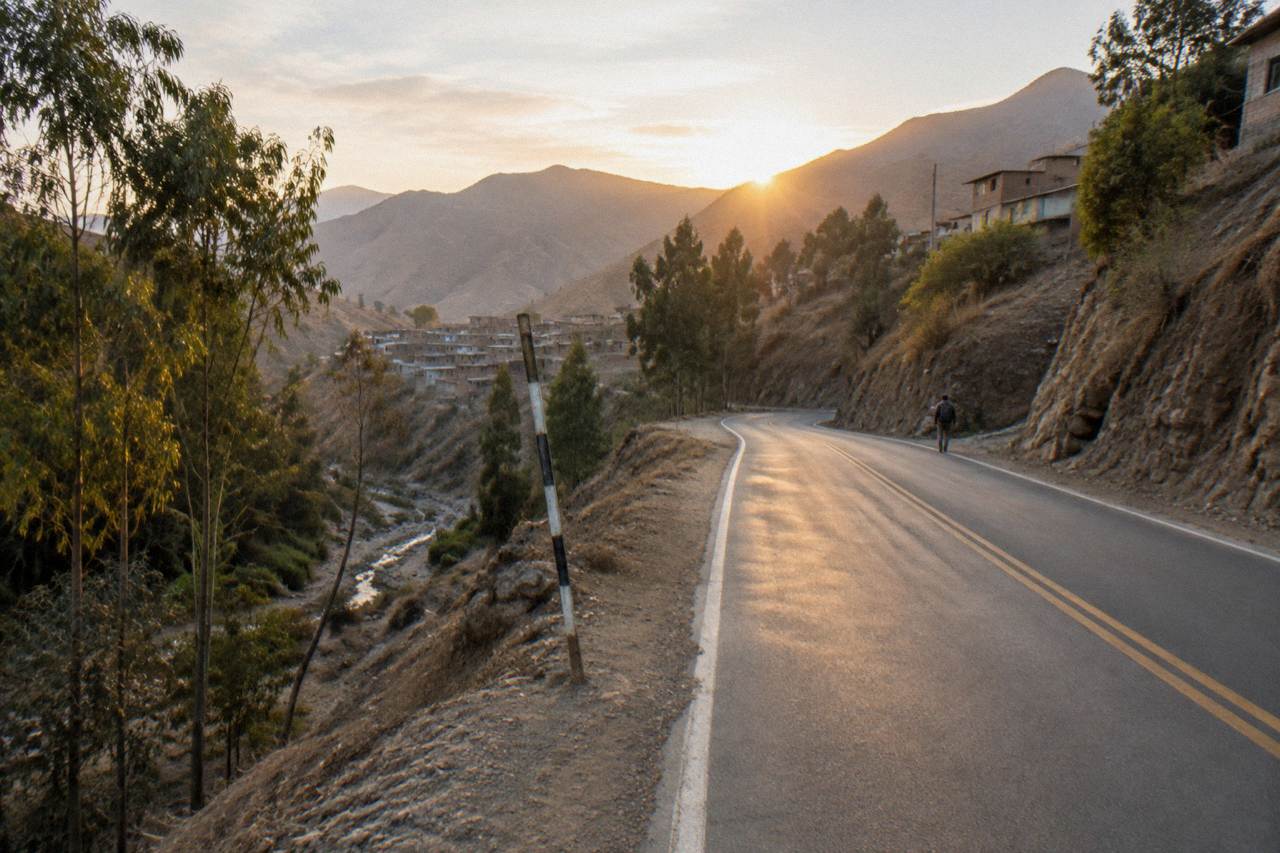
Short answer
Lima to Huaraz is served by direct long distance buses out of Lima terminals, a full day ride on mountain highways. It is not a Peru Hop leg: the network runs south along the coast to Cusco, so you buy a point to point ticket from the operating company and ride independently.
The road north from Lima to Huaraz climbs out of the coastal desert, crosses the high pass above the Callejon de Huaylas, and drops into a valley ringed by the highest tropical mountain range on earth. It is a spectacular ride. It is also one of the few legs in Peru that this site's featured hop-on hop-off partner does not serve at all, which changes how you buy the ticket and how you plan around it. This guide covers the route honestly: what it is, who runs it, what the drive involves, what safety and altitude mean on this road, and how to bolt it onto a bigger Peru itinerary (see Peru Travel Safety).
How Do You Get From Lima To Huaraz By Bus?
You ride a point to point long distance bus. Direct services leave from Lima's main terminals and cover the mountain highway to Huaraz in a single long day, with no scenic stop structure, no host on board and no hop-off option at any intermediate town. A ticket is one seat on one departure, bought from the operating company, and the schedule you see when you book is the schedule you ride.
That last point matters more here than on the southern coast. On the Lima, Paracas, Huacachina, Nazca corridor, a hop-on hop-off pass such as Peru Hop lets you break the journey wherever you like, with a bilingual host coordinating pickups and a pass that stays valid for up to a year. Huaraz has none of that. Peru Hop's own network ends far to the south of this valley; its buses run the coast and the Arequipa, Puno and Cusco corridor, not the northern Callejon de Huaylas. Anyone telling you otherwise is guessing.
So the planning shape is different. You are buying a conventional bus ticket, the way locals and independent travelers have always done it, and you are doing it directly with the operator or at the terminal. That is a completely normal way to travel in Peru, and on a well trafficked trunk route like Lima to Huaraz it is routine. The trade-off is that everything the pass would otherwise absorb, terminals, luggage, timing, safety checks, becomes your own job.
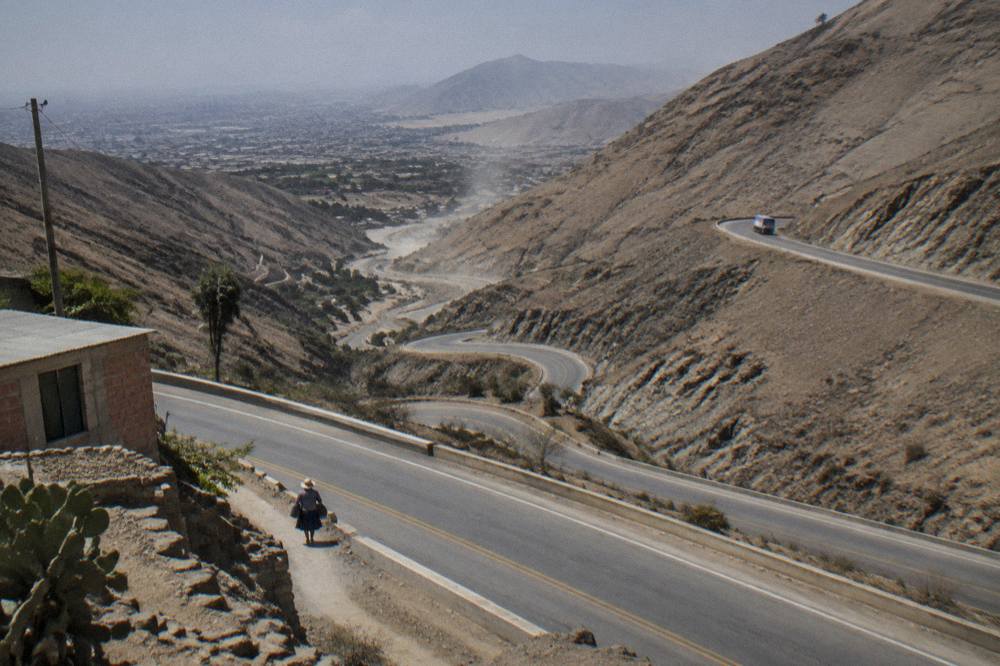
Before booking anything, it helps to see where this leg sits in the wider picture. The comparison table below shows how the routes this site actually sells stack up, and where Huaraz fits among them.
| Route | Status on this site | Typical ride | Ticket shape |
|---|---|---|---|
| Lima to Huaraz | Not a partner leg, not bookable here | Full mountain day, direct point to point | Single operator ticket |
| Lima to Paracas | Direct bus, from $19 | Around 3 hours | Single seat, free cancellation |
| Lima to Paracas and Huacachina | Premium day trip, from $67 | 16 to 18 hours round trip | Tour booking |
| Cusco to Puno | Route of the Sun, from $50 | Around 11 hours with stops | Tour bus booking |
The honest summary: Huaraz is a detour you plan yourself, while everything south of Lima can be stitched together with either a pass or the bookable legs listed above.
Which Bus Companies Run Lima To Huaraz, And How Do You Choose?
Several Peruvian long distance companies run direct Lima to Huaraz services, and the choice comes down to bus class rather than brand loyalty: a fully reclining cama seat turns a long mountain ride from grueling into manageable. Book direct with the operating company, compare departure times, and favor daytime departures on the highest stretches of road.
Peru's premium long distance lines, the names travelers see across the whole country, run climate controlled coaches with reclining seats, onboard bathrooms and USB charging, and the informal combis and colectivos that also ply northern roads often have none of those things. That gap is not a rumor, it is the consistent pattern reported on this route, and it is the single best reason to pay for a recognized operator rather than the cheapest seat at the terminal. The same logic runs through our wider Peru bus companies compared guide, which ranks the major lines by class and comfort.
What no operator can sell you is the hop-on structure. If your Peru trip is mostly the classic southbound corridor, Lima, Paracas, Huacachina, Nazca, Arequipa, Puno, Cusco, a pass covering those legs plus one separate Huaraz ticket is a common hybrid plan. If Huaraz is a large share of your trip, pure point to point tickets the whole way will usually cost less.
Booking windows matter more here than on coastal runs. Mountain departures, especially in the dry hiking season, fill earlier, and the best overnight-capable seats go first. Check the operator's live listing for the departure you want, but do not treat any schedule as final until you have the ticket, because mountain roads occasionally see strikes or protests, and conditions can change a timetable fast.
For context on what bookable transport and tour products look like on the southern corridor this site covers, the three options above are the most common companion picks for travelers who add Huaraz to a bigger route.
How Long Does The Lima To Huaraz Bus Take, And What Is The Route Like?
Plan on a full travel day. The bus leaves Lima's low coastal sprawl, climbs the desert foothills north of the city, crosses a high Andean pass, and descends into the Callejon de Huaylas valley where Huaraz sits under glaciated peaks. Ride time varies with the service and with road conditions, so treat the operator's printed duration as a floor, not a promise.
The first hours are the least loved part: Lima's traffic is heavy at almost any hour, and the northern Pan-American stretch out of the capital is flat, dry and unremarkable. The payoff comes after. Once the road turns inland off the coastal highway, it climbs through switchbacks into high sierra country, and the last stretch into the valley runs along river flats with the white peaks of the Cordillera Blanca above you. Almost every traveler who has written about this ride says the same thing: sit on the side with the mountain views, and take the daylight departure.
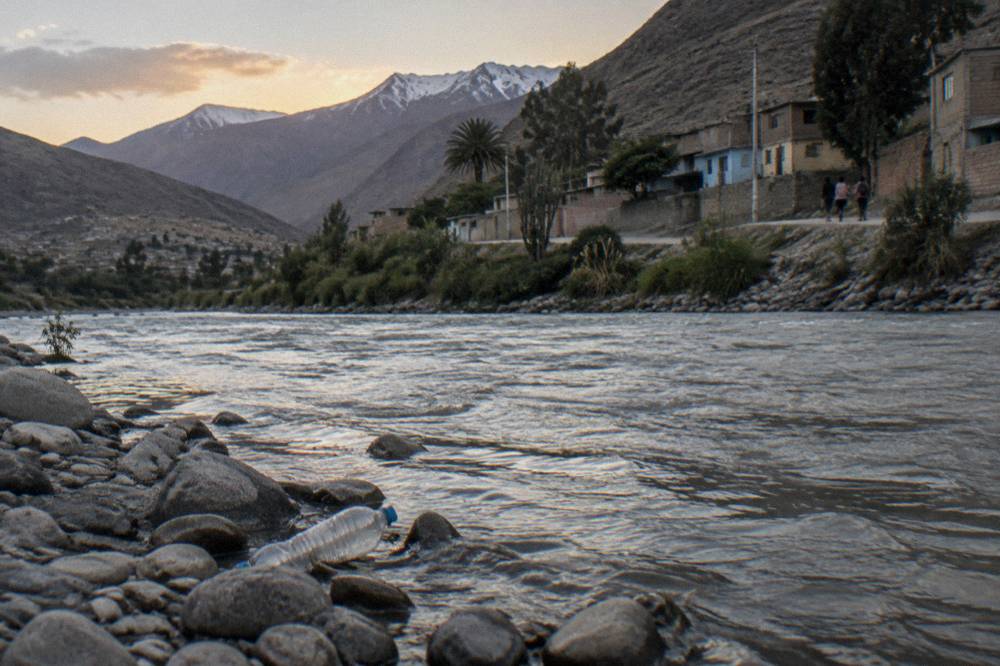
The route crosses serious altitude before Huaraz itself. The pass on the conventional road is above 4,000 meters, which puts this leg in the same elevation family as the high altiplano crossings of the south, the stretches between Arequipa, Puno and the Colca rim that our altitude sickness on the bus routes guide covers in detail. You do not acclimatize on a bus, you just endure the thin air for a few hours, so the standard advice holds: eat light, skip alcohol, drink water, and sleep only if the seat is genuinely comfortable.
One structural note for planners. Because there is no hop-off option, the intermediate towns on this road, Paramonga, Casma alternatives, Chiquian approaches, are not practical stopovers unless you buy separate tickets. That is the reverse of the coast, where a pass lets you break at Paracas or Huacachina almost at will.
If a long daylight mountain ride sounds like the interesting part of your trip rather than a cost, good: this is one of the more scenic bus legs in the country. If it sounds like dead time, read the flying comparison later in this guide before you commit.
Is The Lima To Huaraz Bus Safe?
Yes, within the normal rules for Peruvian mountain roads: ride a recognized premium company, prefer daytime travel on the high stretches, keep your valuables with you, and check conditions before departure. Both the US State Department and the UK Foreign Office publish the same core advice for Peru's buses, and both specifically permit, and caution about, overnight travel on mountain corridors.
The official wording is worth reading directly rather than paraphrased. The UK Foreign Office travel advice for Peru states it plainly: "Bus crashes are common, especially at night. Only use reputable transport companies, and where possible, avoid overnight travel, especially in mountainous and remote regions." The US State Department's Peru advisory, reissued in September 2026, carries the identical sentence, and separately notes that US government employees working in Peru may ride commercial buses at night on the Lima, Arequipa, Cusco corridor and may travel at night as far north as Huacho, but face nighttime driving restrictions elsewhere.
Read those two advisories together and the practical rule for Huaraz falls out. The Lima to Huaraz road is a mountain corridor, not the southern trunk the daytime exception was written around, so the conservative reading says: take a morning departure, arrive in daylight, and treat an overnight bus as a fallback, not a plan. That is what the strongest long distance operators' schedules are built around anyway, with the best services timed to cross the high pass in daylight hours.
Theft is the smaller, more common risk: terminal crowds, boarding queues and the dark hours around arrival are where bags wander. Keep your daypack on your lap, your passport and cards on your body, and your big suitcase in the hold receipt system rather than handed over informally. None of this is unique to Huaraz, it is standard bus discipline anywhere in South America, and the premium companies make it easy by structuring boarding.
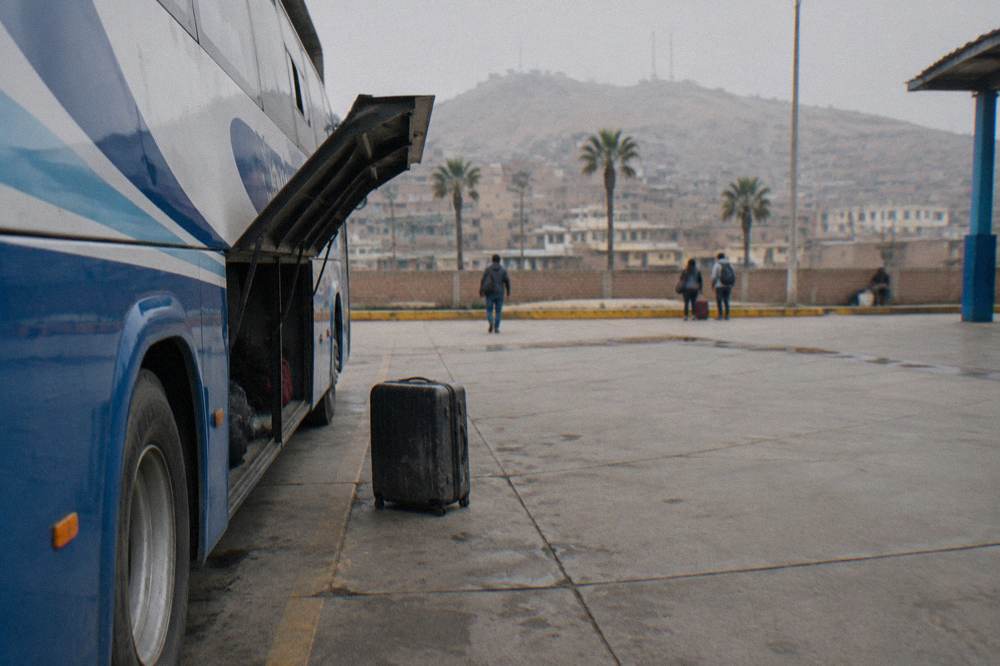
One planning habit closes most of the safety gap: buy from the company, not a street reseller, and screenshot the ticket and the bus number. If a protest or weather event changes the schedule, the operator's own channel is the one that will actually rebook you.
| Risk on this route | Realistic level | Practical mitigation |
|---|---|---|
| Overnight mountain crash risk | Elevated at night per both advisories | Choose a daylight departure crossing the pass |
| Road closures from strikes or protests | Periodic nationwide risk, timing unpredictable | Check conditions the day before and morning of |
| Terminal and onboard theft | Low but real on any Peruvian bus | Carry-on on lap, documents on body, hold receipts kept |
| Altitude discomfort on the pass | Common at 4,000 m for unacclimatized riders | Light meals, water, no alcohol, rest on arrival |
What Does Altitude Do On The Lima To Huaraz Ride?
Lima sits near sea level and Huaraz sits high in the sierra, so this bus is a fast, one-day ascent of well over three vertical kilometers, and the high pass on the way is even higher than the town. You will not acclimatize while riding, you will only be transported quickly into thin air, which is why the standard advice is to arrive, rest, hydrate and take the first evening gently.
The rule of thumb across Peru's high routes holds fully here. Rapid gain in altitude is the trigger, not the bus itself, and the same pattern governs the southern corridor where Puno at 3,827 meters and Cusco at 3,399 meters catch arriving travelers every day. Headache, poor appetite, nausea and broken sleep are the ordinary mild end of altitude sickness; the guidance on handling altitude sickness on Peru's routes is worth reading before you ride, including when symptoms stop being mild and become a reason to descend.
Two practical notes specific to this leg. First, the pass on the Lima to Huaraz road is crossed in the middle of the ride, which means your discomfort, if any, may peak in the middle hours and ease as the bus descends into the valley. Second, Huaraz's mountain setting means cold nights even in the dry season, so a layer in your daypack serves double duty on a bus whose heating, on any operator, is not guaranteed. The rest of the planning pages sit on Lima To Cusco.
If your wider Peru plan goes north to Huaraz and then south to the classic route, consider the ordering carefully. Some travelers ride Lima to Huaraz first, acclimatize in the valley over a few days of hiking, and then arrive at Cusco and Puno already adapted, which turns the worst feature of this leg into an asset. Our Peru itinerary for 3 weeks page shows how that sequencing works in practice.
Where Does The Bus Leave From In Lima, And Where Does It Arrive?
Buses leave from Lima's main long distance terminals rather than hotel pickups, which is the biggest day to day difference from the hop-on hop-off style used on the southern coast. You get yourself and your luggage to the terminal before departure, you queue, you board, and in Huaraz you arrive at the terminal on the edge of the town center and walk or taxi to your lodging.
This is the part of independent bus travel that passes silently under the review scores. On the southern coast, the pass model picks you up at your hotel or hostel door in participating locations, so you never handle your bags through a terminal at all, and a bilingual host rides every bus to shepherd the process. On the Lima to Huaraz run you do all of it yourself: the taxi to the terminal, the bag check, the gate, the arrival scramble.
None of it is difficult. Lima's terminals are large, signed and busy, with ticket counters, waiting halls and food. Budget a generous margin for reaching the terminal, because Lima traffic punishes tight plans, and terminals in Peru close their gates before the printed departure time. In Huaraz the arrival terminal is close enough to the town center that a short taxi covers most hotel addresses, and licensed cabs queue at arrivals.
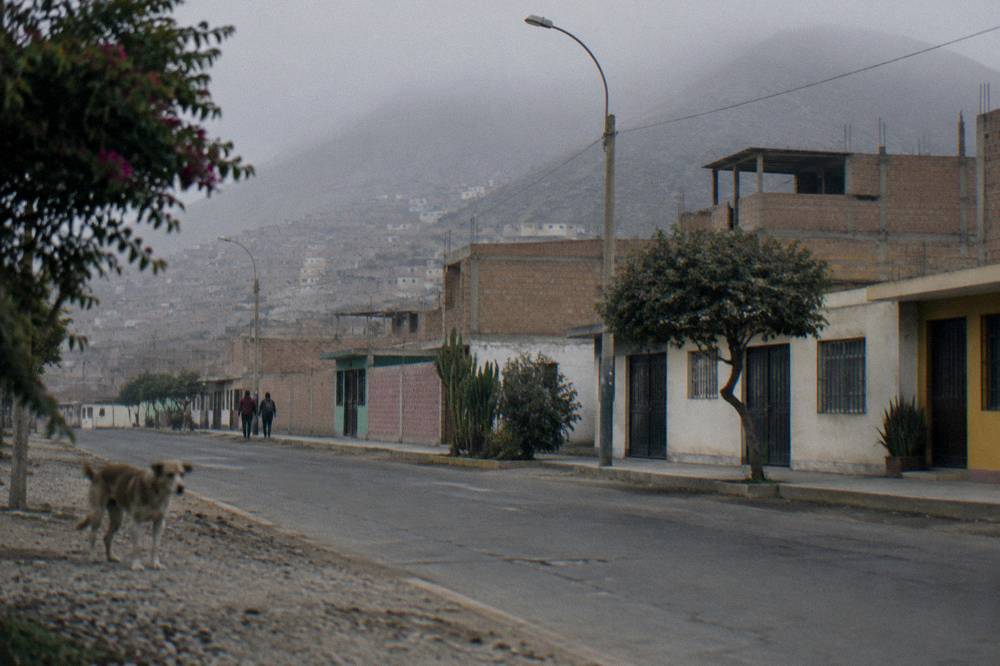
Luggage discipline is the same as anywhere in Peru: one big bag in the hold with the receipt kept, one small day bag with your documents, money, electronics and one warm layer. If you carry trekking gear for the Huascaran region, count the poles and boots as hold items, not cabin items, since space overhead is minimal on reclining seat coaches.
How Much Does The Lima To Huaraz Bus Cost?
There is no verified price figure for the Lima to Huaraz bus in this site's research, so this guide deliberately prints none. fares vary by operator, seat class and season, and the honest method is to pull the current fare from the operating company's own booking channel at the moment you buy, then compare two or three competing services before committing.
That refusal to print a number is a policy, not an omission. This site carries firm, verified figures only, from bus seats at from $19 on the Lima to Paracas run to premium day trips and train products further south, and where a leg has no verified figure the page says so. A plausible sounding Huaraz fare copied from memory would be exactly the kind of number that dates a page and misleads a reader in the same stroke.
| Booking approach | Best for | Watch out for |
|---|---|---|
| Direct with the operating company | Anyone wanting the real schedule and rebooking support | Compare two or three companies, prices differ by class |
| Terminal counter purchase | Flexible travelers already in Lima | Best seats may be gone in hiking season |
| Through a hotel or agency | Travelers who want a human to handle changes | Small markup, less control of the seat class |
| Hop-on hop-off pass | Not available for Huaraz, valid on the southern corridor only | Do not assume northern coverage |
Two cost notes that are safe to make. A cama or fully reclining seat costs more than a standard seat and on a ride this long it is the better purchase. And the total cost of independent travel should be counted door to door: two taxis, the terminal margins, food, and the ticket together, which is the same door to door comparison this site applies when weighing a pass against bare seats on the south coast.
For contrast, here is what a verified bookable coast day trip costs on the same departure city: the premium Lima, Paracas and Huacachina day trip with sunset toast runs from $119, 4.8 from 2,636 reviews, while the equivalent premium day trip on the partner roster runs from $67, 4.9 from 9,650 reviews. Those are tour products, not bus seats, but they show the spread a fixed budget has to absorb.
Should You Bus Or Fly To Huaraz?
Bus if you want the cheapest seat, the scenery, and a full flexible schedule of departures across several companies; fly if your Peru time is short and the mountain ride would cost you a day of hiking. There is no train to Huaraz and no pass covering it, so the choice is genuinely just these two modes plus the question of what your time is worth.
The flight is the simple argument: domestic flights from Lima land you in the valley in a fraction of the ground time, at a higher fare that moves with demand. The bus is everything else. The ride is scenic, the schedules are frequent, the seat classes are good on the premium lines, and the cost per kilometer of Andean road traveled is close to unbeatable.
A middle path deserves a mention. Some travelers fly one direction and bus the other, taking the daylight ride for the views and the flight to protect schedule on the return. Others ride north, spend their acclimatization days trekking around Huaraz, then fly straight back to Lima to connect south.
The pattern echoes a comparison this site has already worked through in detail on the Cusco corridor, where flying costs more than the bus and saves a very long day. If your total trip includes the south, the same logic compounds: travelers pairing Huaraz with the classic route often ride or fly north first, then run the southern corridor by bus and tour. On the southern side, the Colca Canyon to Puno scenic bus runs from $41.03, 4.7 from 88 reviews, and the Cusco Route of the Sun to Puno runs from $50, 4.7 from 633 reviews, both fixed, bookable legs you can plan around a Huaraz detour.
How Does Huaraz Fit Into A Wider Peru Itinerary?
Huaraz is a hiking and trekking base, the Callejon de Huaylas under the Cordillera Blanca, and it rewards three or more nights rather than a rushed stopover. Most travelers bolt it onto either the start or the end of the classic southern route, riding north from Lima first, acclimatizing on valley hikes, then returning to Lima to begin the coast, Arequipa, Puno and Cusco run.
The valley's drawing cards are the day hikes and the high lagoon walks around the Huascaran protected area, plus glacier lakes that sit a short collective ride from the town. None of it is covered by tour products on this site, which sells only verified bookable legs on the southern corridor and the Cusco region, so Huaraz planning is a matter of local guides, hostels and collectivos once you arrive. That is normal, and the town is set up for it.
The honest flag this guide owes you: because Huaraz sits outside the hop-on hop-off network, every leg in and out is a separate ticket you manage yourself, and a protest or weather event on the mountain road can strand a tight plan. Build a slack day either side. Travelers who ignore that slack are the ones whose reviews of the region turn sour, and travelers who keep it are the ones who write about the mountains.
For the southern half of that hybrid plan, the flagship experiences are bookable and verified. The full-day group tour of Machu Picchu from Cusco runs from $332, 4.7 from 2,307 reviews, covering bus to Ollantaytambo, the train, the citadel bus and a guided tour of the ruins in one 12-hour day, with the trade-off that its listing shows no standard free cancellation policy. If your itinerary lands you in Cusco with one free day, that is the product to check first.
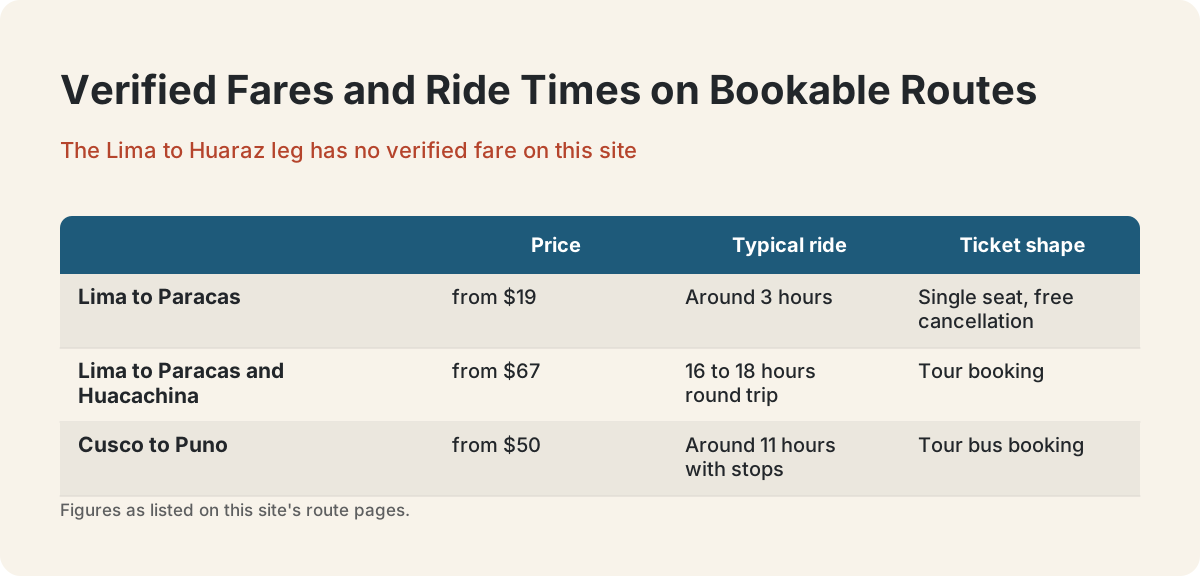
Before the final word, the trio below covers the three most useful bookable products for travelers building this exact hybrid route: the Machu Picchu day tour for the Cusco end, the premium Paracas and Huacachina day trip for the coast, and the Colca to Puno scenic bus for the altiplano link.
Common Questions About Lima To Huaraz By Bus
Does Peru Hop go to Huaraz?
No. The hop-on hop-off network runs the southern coast and the Arequipa, Puno and Cusco corridor; Huaraz and the Callejon de Huaylas are outside it. You reach Huaraz with a point to point ticket from a conventional long distance operator.
How long is the bus ride from Lima to Huaraz?
A full travel day on a direct service, with the exact duration depending on the operator, road conditions and traffic leaving Lima. Treat the printed duration on your ticket as a floor rather than a promise, and prefer a daylight departure.
Is it safe to take the bus to Huaraz?
Yes, with the standard precautions: use a recognized premium company, avoid overnight mountain travel where possible, keep valuables on your body, and check road conditions before departure, since strikes and protests can close Peruvian roads with little warning.
Should I take a day or overnight bus from Lima to Huaraz?
A daytime departure is the better choice on this road. Both the US and UK official travel advisories single out overnight mountain bus travel as the riskier option, and the scenery on the pass is the best argument for riding it in daylight anyway.
How do I acclimatize before Huaraz?
You cannot acclimatize on the bus, since the ride gains over three vertical kilometers in a day. Arrive, rest, hydrate, eat light and skip alcohol for the first evening, and escalate care if a headache or nausea becomes severe rather than merely annoying.
Can I combine Huaraz with a trip to Machu Picchu?
Yes, and it is a common pairing. Ride or fly north from Lima, spend a few days hiking in the valley, return to Lima, then run the classic southern route to Cusco, where the full-day group tour of Machu Picchu covers the train, buses and guiding in one booking.