Is The Cusco To Puno Train Worth It
A mode-comparison of the PeruRail Titicaca train against the cheaper, more flexible Cusco to Puno buses, with verified prices, durations and what each option actually delivers.
Is The Cusco To Puno Train Worth It
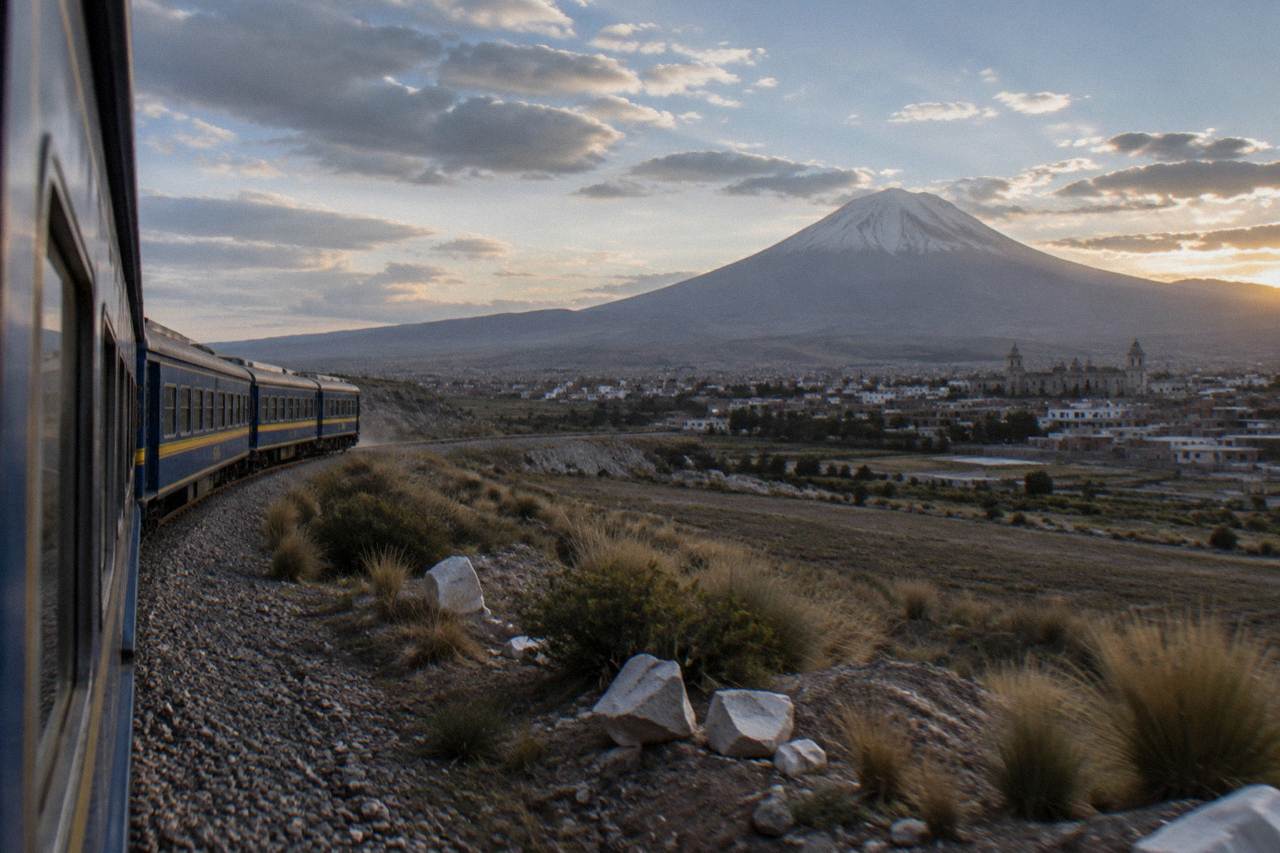
For most travelers, no: this train is a luxury, not a necessity. The PeruRail Titicaca train takes roughly ten hours from $395, while the "Route Of The Sun, Buffet Lunch" bus covers the same corridor in about eleven hours from $50 with guided stops and a buffet lunch. The train is worth it only if the dining car, the observatory and the served meal matter more to you than the price difference.
That is the honest framing, and it is the one this site will stand behind. The train is genuinely lovely, and the 294 reviews on its live listing suggest people who pay for it tend to enjoy it. But the pool is small and the listing does not carry a reliable star rating, so this article will not dress it up as a universally beloved product. What the train sells is a slow, ceremonial crossing of the altiplano at 3,399 m in Cusco rising to 3,827 m in Puno. What the buses sell is the same landscape, seen through a window, for the price of a decent dinner.
The corridor itself rewards planning either way. Both modes pass the same broad altiplano: high grassland, distant snow peaks, small adobe towns, and the long descent toward Lake Titicaca at 3,812 m. The question is whether you want to watch it from a velvet seat with a three-course lunch, or from a reclining bus seat with a bilingual guide narrating six Inca and colonial sites along the way. Travelers weighing the same trade-off on the wider route often start with the Cusco to Puno bus guide, which covers the road options in detail.
There is also a middle path worth naming early: the hop-on hop-off passes that link Lima, Paracas, Huacachina, Arequipa, Puno and Cusco, such as Peru Hop, whose passes are valid up to one year with in-app date changes up to 12 hours before departure. The honest caveat is that a pass costs more than a single bare bus seat, so if Cusco to Puno is the only leg you need, a direct ticket is cheaper. This site's Lima To Cusco route coverage treats the train as one option among several, not the default.
What The PeruRail Titicaca Train Actually Costs And Includes
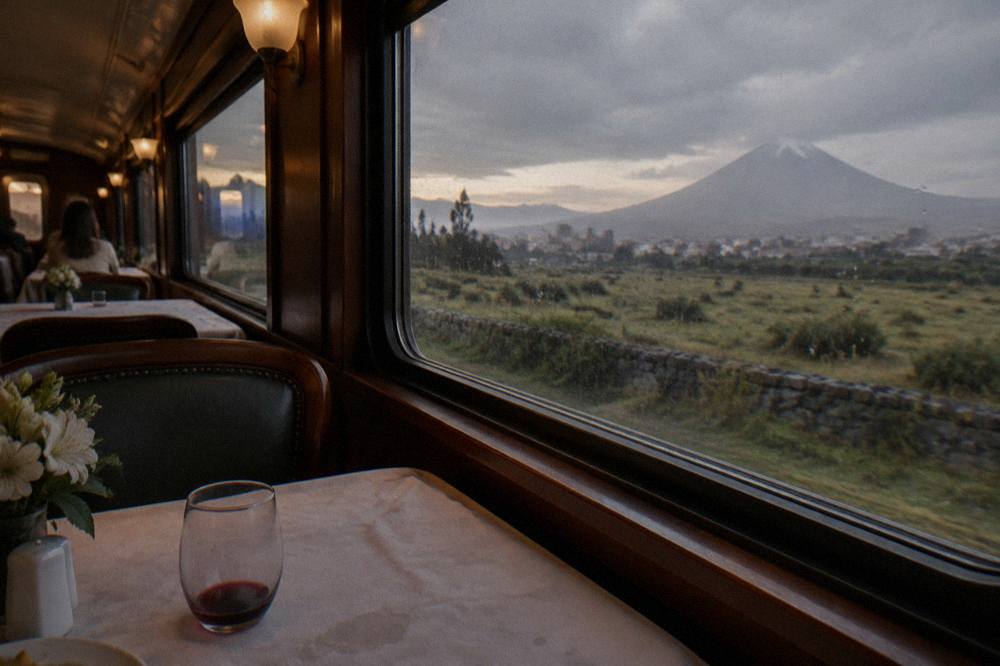
The PeruRail Titicaca train starts from $395 per person for the roughly ten-hour run between Cusco and Puno, and the fare is best understood as a day tour, not transport. That price buys a dining car, an observatory car with open-air platforms, a multi-course lunch and afternoon tea. The scenic bus starts from $50 with a buffet lunch and six guided stops, so the price gap is the whole decision for most budgets.
The train listing carries 294 reviews on its live listing, a pool too small for a trustworthy star average, so this site reports the count rather than inventing a rating. What can be said plainly is the shape of the product: it is a vintage Pullman-style experience aimed at leisure travelers, with a bar car, live entertainment on some departures, and a pace that turns the corridor into a full daylight journey. The cancellation policy is not shown on the listing, which matters if your Peru itinerary is still flexible: check the terms on the operator's live listing before paying, because train seats on this route are limited and departures run on fixed days rather than daily in some seasons.
The schedule question deserves real weight. PeruRail publishes its schedules and frequencies on its official site, perurail.com's schedule page, and departures between Cusco and Puno do not run as frequently as buses. If your dates are fixed around a Machu Picchu visit or an onward Bolivia crossing, a train that departs on the wrong day is worthless to you, while the buses run daily with multiple operators.
One more framing point, because money is the crux of this comparison. The train costs nearly eight times the bus fare. For that premium you get roughly one fewer hour of travel, a table-set lunch instead of a buffet line, and the ability to walk between cars. Whether that arithmetic works depends entirely on what kind of trip you are building: a honeymoon or a milestone trip, yes; a two-week backpacking route, almost never. Our backpacking Peru route guide puts this leg in context for budget travelers.
Train Or Bus: Which Cusco To Puno Option Fits Your Trip
Choose the train if this is a splurge day in a slower, comfort-first itinerary and your dates match the schedule. Choose the "Route Of The Sun, Buffet Lunch" bus if you want the corridor explained: about eleven hours from $50, a 4.7 rating from 633 reviews, six guided stops. Choose the direct public buses, six to eight hours, if you just need to be in Puno.
The table below puts the three main options side by side using only figures verified on this site.
| Option | Price | Duration | Rating | Best for |
|---|---|---|---|---|
| PeruRail Titicaca train | from $395 | ~10 hours | 294 reviews, no reliable star average | Splurge days, fixed leisure itineraries |
| Route of the Sun bus (Cusco to Puno) | from $50 | ~11 hours (6:10am-5:30pm) | 4.7 from 633 reviews | First-time visitors who want the stops explained |
| Colca to Puno bus (from Chivay) | from $41.03 | ~6.5 hours | 4.7 from 88 reviews | Travelers continuing from Arequipa and Colca Canyon |
Notice what the bus gives you that the train cannot: narration. The Route of the Sun product stops at Andahuaylillas, Raqchi, Sicuani, La Raya pass and other sites along the old Inca road, with a guide explaining each one. The train gives you the view and the meal, but the altiplano outside the window goes unnamed unless you read ahead. For travelers who like their geography interpreted, that is a genuine advantage worth more than upholstery.
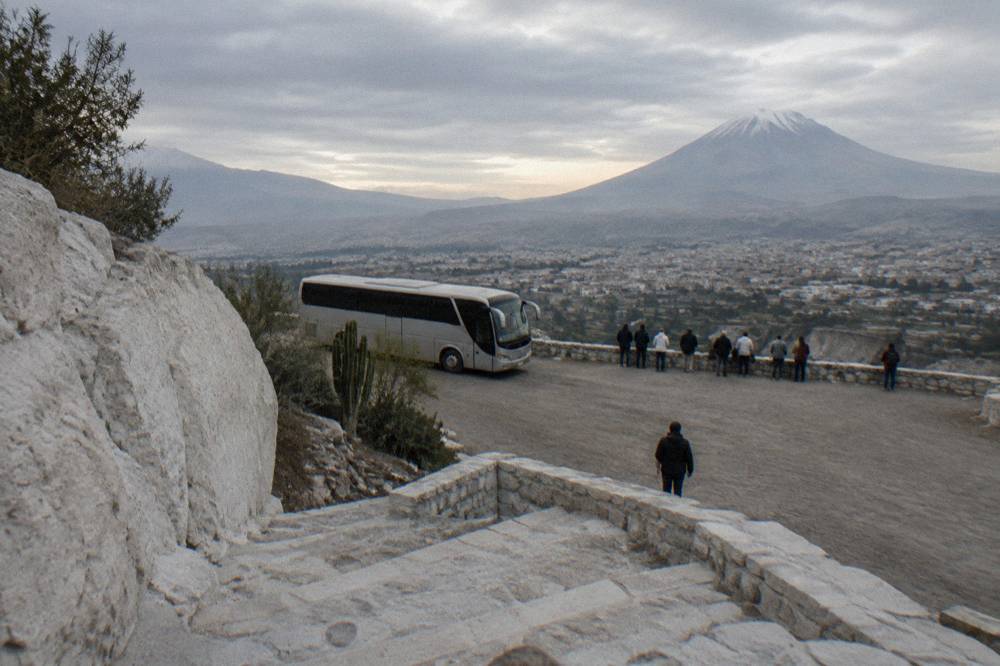
Frequency and flexibility tilt hard toward the road. Direct public buses run the 388 km in six to eight hours, scenic buses in about nine to eleven depending on stops, and there are multiple daily departures across operators. The train runs on a fixed calendar. If strikes or weather disrupt a single day, buses usually have another departure within hours; the same is not guaranteed on rail.
Safety is a fair question on Peruvian roads, and the official advice is worth quoting. The UK FCDO guidance for Peru states: "Bus crashes are common, especially at night. Only use reputable transport companies, and where possible, avoid overnight travel, especially in mountainous and remote regions," on the FCDO Peru page. Both the train and the daylight scenic buses satisfy that advice comfortably; the corridor here is covered in daytime hours by both modes. Roads in Peru occasionally see strikes or protests, so check current conditions before travel either way.
One warning worth repeating for the specific case of Puno: this leg climbs, not descends. Cusco sits at 3,399 m and Puno at 3,827 m, so arriving in Puno means sleeping noticeably higher than you started. Neither mode changes that fact. Take the arrival day gently, keep the evening light, and read the altitude sickness on the bus routes guide before booking anything strenuous for your first Titicaca morning.
What You See From The Train Versus The Bus Window
Both modes cross the same altiplano plateau between Cusco and Puno, so the core landscape is identical: high puna grassland, snow peaks on clear days, herds of alpaca and llama, and small adobe villages. The differences are framing and pace. The train offers an open-air observatory platform and a slow, unbroken panorama; the bus offers named stops at Andahuaylillas, Raqchi and the La Raya pass, the route's highest point, where you actually step out.
The honest answer about scenery is that neither mode has a monopoly on it. The train's advantage is the observatory car: standing outside at 30 km/h with the wind coming off the puna is an experience the bus cannot replicate. The bus's advantage is that it stops. La Raya pass, the high point of the route, is a photo stop on the scenic bus products and a blur of brown and white from the train. Andahuaylillas, the "Sistine Chapel of the Andes," and the Raqchi temple complex are visits, not views.
The mid-route stop also breaks the journey differently. Eleven hours in a bus seat is long, but the Route of the Sun schedule breaks it with a buffet lunch at a restaurant in Sicuani around the halfway mark plus shorter leg-stretch stops, so no single sitting lasts more than about three hours. Ten hours on the train is a single continuous experience, luxurious but continuous, and some travelers find a full daylight day on rails more tiring than they expected.
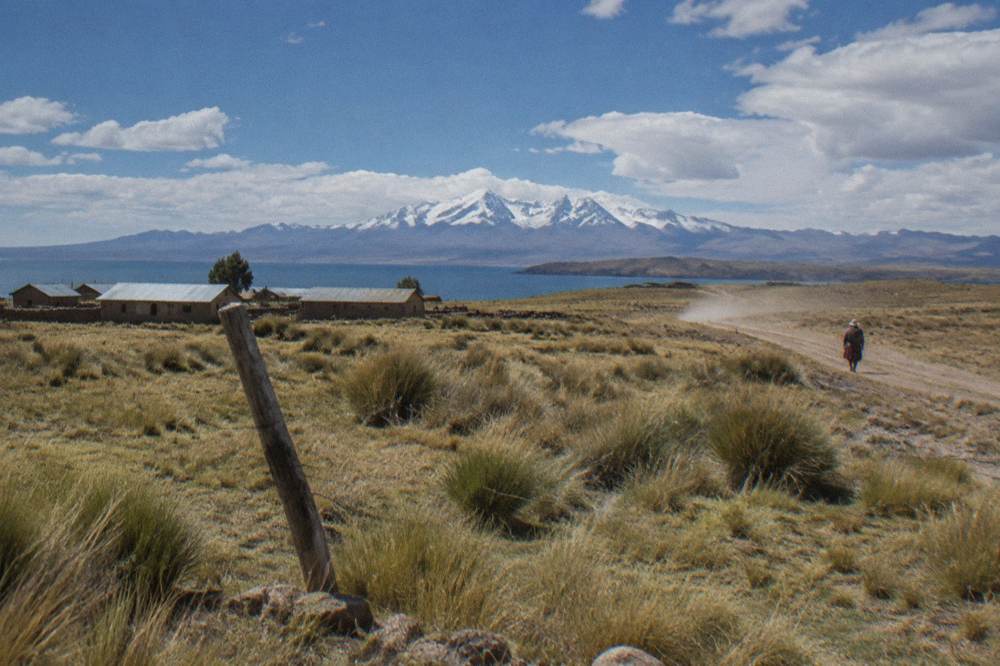
Weather deserves a mention. Dry season, May through October, gives the clearest skies over the pass and the best odds of seeing the peaks from either window. Rainy season turns the puna green and dramatic but brings afternoon cloud. A late September 2026 weather alert for the Puno altiplano flagged snow and wind potential above 4,000 m, which is a useful reminder that this plateau is high country year-round: pack layers for both modes, because neither the observatory platform nor a photo stop at La Raya is warm.
If Titicaca itself is the goal rather than the ride, the onward choices matter as much as the mode. The Cusco to Lake Titicaca tours guide covers the Uros floating islands and Taquile day trips from Puno, and the "Copacabana And Isla Del Sol" full-day tour from Puno, from $130 with a 4.8 rating from 30 reviews, crosses into Bolivia for the lake's most famous island. None of that depends on how you arrived.
How To Book Seats And Handle Altitude On The Cusco To Puno Route
Book the train early if you want it: departures run on fixed days, seats are limited, and the listing does not show a standard free-cancellation policy. Buses are more forgiving, with free cancellation on the scenic products and same-week booking usually fine outside peak season. On altitude, both modes arrive at 3,827 m, so plan a gentle first evening in Puno, hydrate on board, and skip alcohol on arrival day.
Practical sequencing looks like this for most itineraries. If you are doing the classic south-to-north or north-to-south Peru loop, this leg sits between Machu Picchu or the Sacred Valley and the Titicaca section, and the connection points matter: the train arrives in Puno in the evening, while the scenic bus arrives around 5:30 pm, both late enough that you should not plan anything for the arrival night. Morning Uros boats leave Puno early, so a hotel near the plaza beats a distant one.
For travelers coming the other direction or from Arequipa, the Colca connection is the sleeper pick. The "Colca To Puno, Scenic Stops" bus from Chivay, from $41.03 with a 4.7 rating from 88 reviews, links a Colca Canyon stay directly to Puno in about 6.5 hours with viewpoint stops, skipping a return through Arequipa entirely. Condor viewing in Colca is best in the dry season, April through November, with mornings between 7 and 10 am optimal at Cruz del Condor, so an early Chivay departure pairs naturally with the onward bus. The Colca Canyon rim around the Cruz del Condor mirador sits at roughly 3,270 to 3,800 m, and Chivay itself at 3,635 m, so this routing also acclimatizes you gradually before Puno.
Budget realistically for the whole corridor, not just this leg. The train, at from $395, costs more than a full-day Machu Picchu group tour at from $332 and only slightly less than the Vistadome train to Machu Picchu at from $419. In a two-week Peru budget, one premium train ride is defensible; two is a stretch unless comfort is the trip's stated purpose.
Common Questions About The Cusco To Puno Train
Is The Cusco To Puno Train Worth It
Only if the experience itself is the point. At from $395 for roughly ten hours against from $50 for the scenic bus, you are paying several times more for a dining car, an observatory platform and a served lunch. Travelers on honeymoons or slow luxury itineraries consistently enjoy it; budget and mid-range travelers almost always do better on the bus.
How long does the Cusco to Puno train take?
About ten hours. The scenic bus takes about eleven hours, from 6:10 am to 5:30 pm, with guided stops, and direct public buses cover the 388 km in six to eight hours.
What is the cheapest way from Cusco to Puno?
The "Route Of The Sun, Buffet Lunch" bus from $50 is the cheapest guided option, and it includes lunch plus six stops. Direct public bus seats can cost less but come without stops or guidance. The Colca-to-Puno bus from Chivay is $41.03 if you are coming from Arequipa's canyon country.
Is the bus from Cusco to Puno safe?
Daylight departures with reputable companies are the standard safe choice. UK FCDO advice for Peru says to use reputable transport companies and avoid overnight travel in mountainous and remote regions, which both the scenic bus and the train satisfy on this corridor.
Does the train from Cusco run every day?
No. The PeruRail Titicaca service runs on a fixed calendar rather than daily, and the listing does not show a standard free-cancellation policy, so check the schedule and terms on the operator's live listing before committing dates.
Which is better for altitude, the train or the bus?
Neither helps or hurts: both arrive in Puno at 3,827 m, noticeably higher than Cusco at 3,399 m. The difference is pacing, since the bus stops let you step out and move around. Hydrate on board, eat lightly, and plan a gentle first evening in Puno either way.
If this leg is one part of a longer southern Peru route, the Peru Bolivia itinerary guide shows how the Puno stop chains into Copacabana and La Paz, where the Copacabana crossing from Puno takes three to four hours via the Kasani border.