The Backpacking Peru Route, Mapped
The classic backpacking route through Peru runs south from Lima down the desert coast to Paracas, Huacachina and Nazca, climbs to Arequipa and Colca Canyon, crosses the altiplano to Puno and Lake Titicaca, and finishes in Cusco for Machu Picchu. This guide maps every leg with real travel times, firm tour prices and booking options.
Short answer
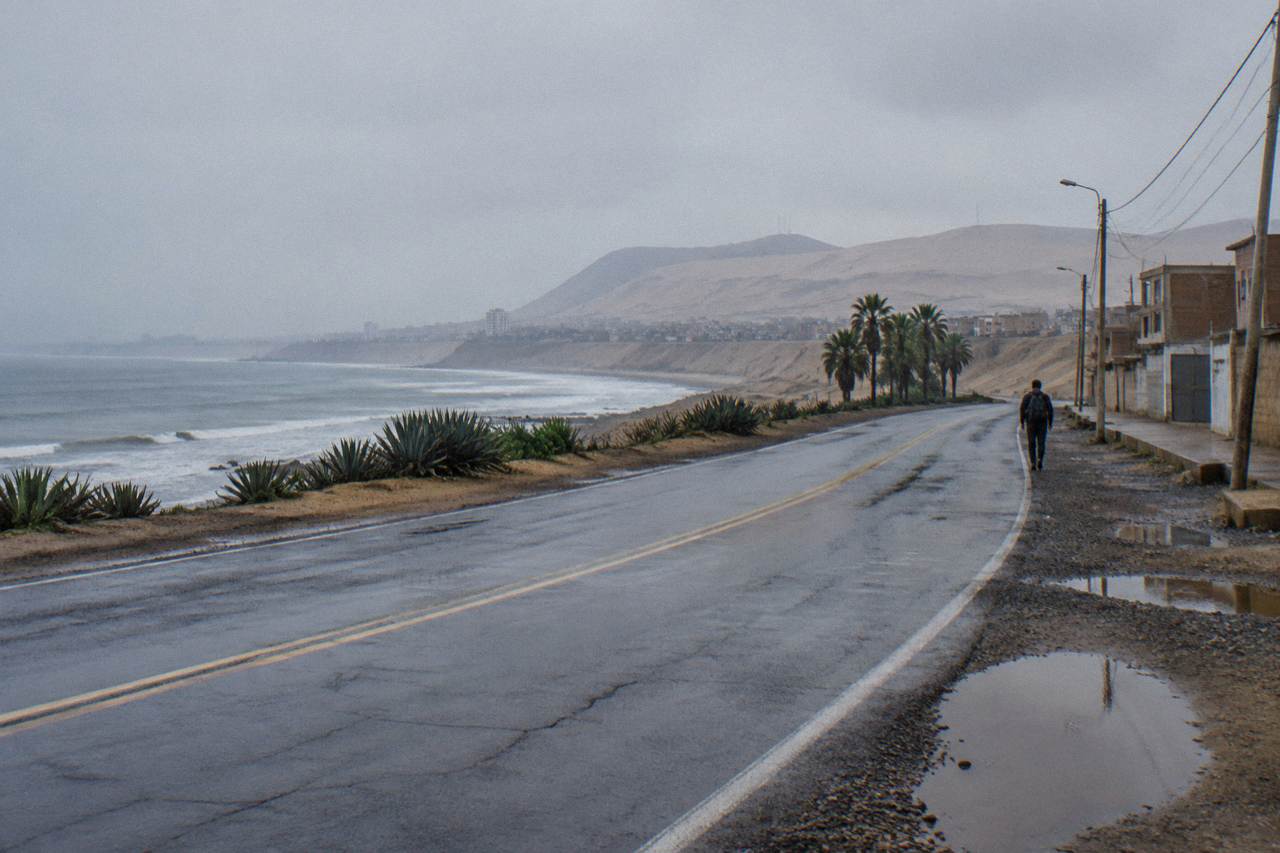
The classic backpacking Peru route is Lima, Paracas and Huacachina, Nazca, Arequipa, Colca Canyon, Puno and Lake Titicaca, then Cusco and Machu Picchu. Budget roughly two to three weeks, expect bus legs of 3 to 10 hours each, and plan altitude stops in Arequipa at 2,335 m before Puno at 3,827 m.
Peru rewards travelers who move slowly. The country stacks a desert coast, two of the world's deepest canyons, a huge high-altitude lake and the most famous ruins in South America along one mostly-southern line, and nearly every backpacker follows some version of it. The route below is the one that works: south along the Panamericana, up into the Andes at Arequipa, across the altiplano to Puno, then over the last range to Cusco.
A hop-on-hop-off pass is the most common way backpackers stitch these legs together, because it lets you change your pace on the road. Peru Hop picks up and drops off at your hostel in participating stops, so you never drag a backpack across a bus terminal, and a bilingual local host rides every bus. Passes stay valid up to one year and you can change a departure in the app up to 12 hours before it leaves, subject to availability.
This guide maps the route leg by leg with the numbers that matter: real travel times, firm prices for the bookable day tours and transfers on the corridor, and honest altitude math. If you want the shorter version of the same trip, the two week Peru itinerary squeezes the same highlights into half the time.
What Is The Classic Backpacking Peru Route?
The classic route is a southbound line of seven stops: Lima, Paracas, Huacachina, Nazca, Arequipa, Puno and Cusco, usually walked in that order over two to three weeks. Colca Canyon sits as a two day detour out of Arequipa, and Machu Picchu is the finale from Cusco. Most travelers finish in Cusco or continue over the border to La Paz.
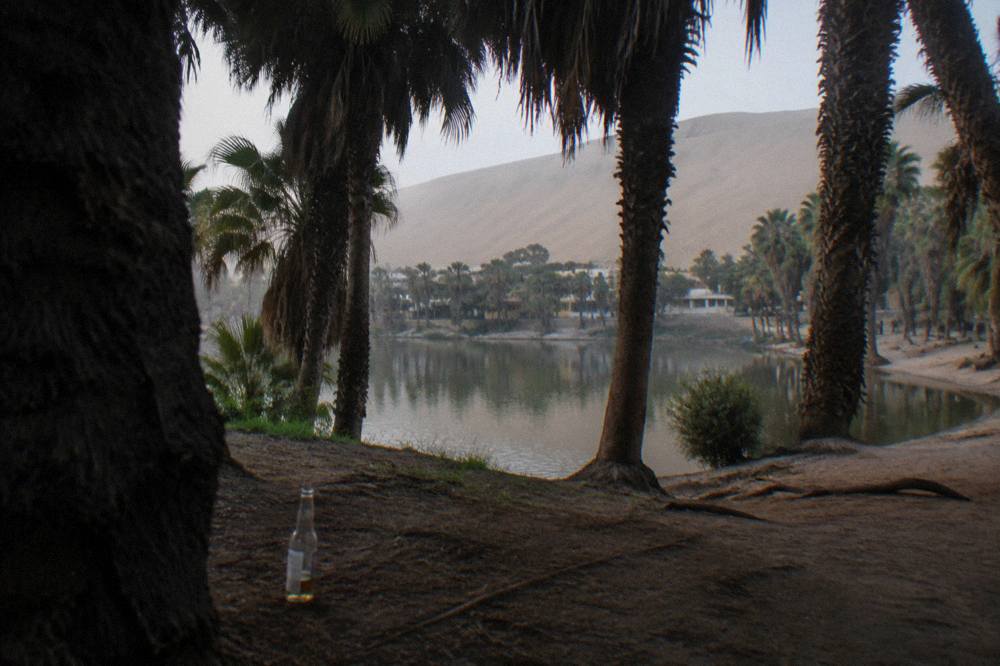
The logic of the route is altitude. Lima sits at 79 m, and the coast stays flat and low through Paracas at roughly 2 m and the Huacachina oasis at around 368 m. The first serious climb comes after Nazca, around 520 m, when the road leaves the coast and climbs to Arequipa at 2,335 m. That climb is a feature, not a bug: two or three easy days in Arequipa are the cheapest acclimatization on the route, and they make the jump to the altiplano far kinder.
From Arequipa the route runs up to Colca Canyon, whose Cruz del Condor viewpoint sits at roughly 3,270 m with passes en route reaching about 4,800 m. Then comes Puno at 3,827 m on the shore of Lake Titicaca, whose surface sits at 3,812 m. The final leg climbs over one more pass and drops into Cusco at 3,399 m. Going south to north means you spend your first week low and your second week high, which is the order doctors actually recommend for gradual ascent.
The route also has a natural rhythm of one big sight per stop: sea lions and penguins at Paracas, sandboarding at Huacachina, the Nazca Lines, the Santa Catalina convent and canyon condors around Arequipa, the Uros floating islands from Puno, and Machu Picchu from Cusco. That is why it became the classic. Each leg is short enough for a morning bus and long enough to feel like real travel.
How Many Days Should A Peru Backpacking Route Take?
Three weeks is the comfortable full route: two or three days each in Lima, Huacachina, Arequipa and Puno, plus a Colca detour and four or five days in Cusco for Machu Picchu. Two weeks works if you skip Colca or fly one leg. Ten days covers only the coast plus Cusco by air. Anything under that, fly Lima to Cusco and day-trip from there.
The single biggest mistake first-time backpackers make in Peru is booking too few days and then burning them on buses. The Puno to Cusco leg alone is about 388 km and typically takes 8 to 10 hours as a scenic multi-stop service, roughly 6 to 8 hours direct. Lima to Paracas is 3.5 to 4.5 hours of driving; Nazca to Arequipa is around 405 km and 9 to 10 hours on the faster direct services. Add those up and a rushed ten-day trip can spend three full days simply sitting on buses.
Here is a realistic day count for the full route, assuming buses rather than flights:
| Stop | Days most travelers take | What fills them |
|---|---|---|
| Lima | 2 | Miraflores, Barranco, a food tour, jetlag recovery |
| Paracas | 1-2 | Ballestas Islands, the Paracas National Reserve |
| Huacachina | 1-2 | Sandboarding, dune buggies, the oasis itself |
| Nazca | 1 | Nazca Lines overflight or the viewing tower |
| Arequipa | 2-3 | Santa Catalina, altitude acclimatization, city walks |
| Colca Canyon | 2 | Cruz del Condor, trekking, hot springs at Chivay |
| Puno | 2 | Uros islands, Taquile or a Copacabana day trip |
| Cusco | 4-5 | City, Sacred Valley, Machu Picchu |
That table already sums to 14 to 19 days before you count the eight travel days between stops, which is why three weeks is the honest answer for the full route. If you only have two weeks, cut Colca and take the direct Arequipa to Puno bus, about 300 km in 6 to 7 hours. If you have less, read the ten day Peru itinerary instead.
The bookable legs of this route also come as tours, which is where the math changes. A premium Paracas and Huacachina day trip from Lima collapses two stops into one long but well-run day, and a full-day Machu Picchu group tour removes a day of logistics from the Cusco end.
What Does Backpacking Peru Cost, Leg By Leg?
The cheap part of the route is food and lodging; the spending decisions are transport style and the headline tours. The three big-ticket items on the classic route are the Machu Picchu day tour from $332, the Nazca overflight from $249 and a Lima coast day trip from $67 to $119, depending on the operator. Count the tour bookings first, then build your daily budget around them.
Food and lodging are the cheap part of Peru. What separates budgets is transport style and how many headline tours you buy. Below is what the bookable pieces of the route actually cost, using firm prices from live listings, next to the everyday backpacker costs around them.
| Item on the route | Typical price | Notes |
|---|---|---|
| Lima to Paracas one-way bus | from $19 | Direct service from Miraflores, about 3 hours |
| Paracas and Huacachina day trip from Lima | from $67 / from $119 | Two premium operators, 16-18 hour day |
| Nazca Lines overflight from Ica or Huacachina | from $249 | 35-minute flight, half-day with transfer |
| Colca Canyon to Puno scenic bus | from $41.03 | Chivay to Puno, about 6.5 hours with stops |
| Cusco to Puno Route of the Sun bus | from $50 | About 11 hours with stops and buffet lunch |
| Machu Picchu full-day group tour from Cusco | from $332 | Train, bus and guided citadel tour included |
| Cusco airport private transfer | from $13 per group | 20-25 minutes, shared-rate private service |
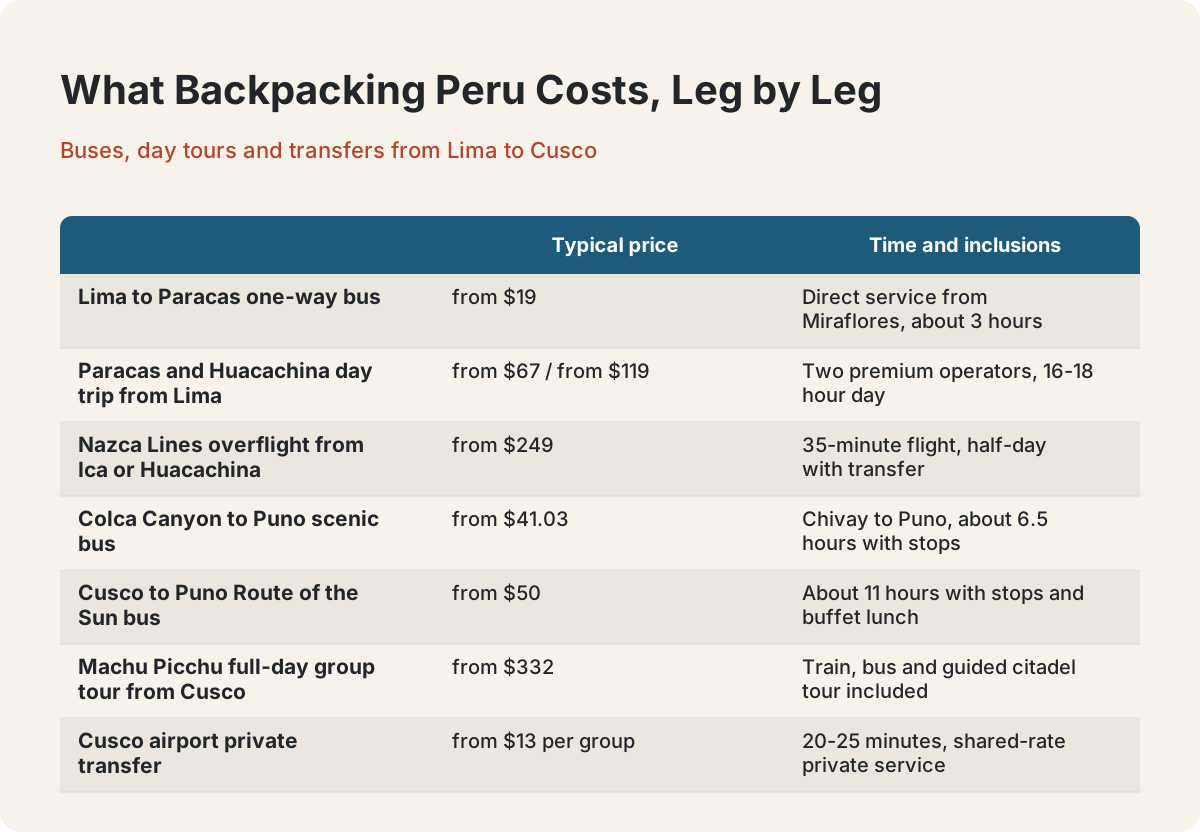
Two things jump out of that table. First, the coast is cheap: a $19 bus seat plus a $67 day trip covers Lima, Paracas and Huacachina comfortably. Second, Machu Picchu is the budget outlier. The full-day group tour from Cusco, from $332, includes the bus to Ollantaytambo, the train, the bus up to the citadel and a guided tour, which is why it reads as expensive until you price the same pieces separately. If money is the binding constraint, the Nazca overflight at from $249 is the tour most backpackers cut first, and the viewing tower outside Nazca is the free alternative.
The transfer line at the bottom is worth a note, because it is the cheapest useful booking on this site. A private Cusco airport transfer runs from $13 per group, rated 4.8 across 251 reviews, and after a 3,399 m landing you will not want to negotiate a taxi fare in the dark.
Where Should You Stop Between Lima And Cusco?
Five stops matter: Paracas for the sea lions, Huacachina for the dunes, Nazca for the Lines, Arequipa for the canyon country and Puno for Lake Titicaca. Colca Canyon is the sixth if you have the days. Skip none of the first five lightly; each one carries the route's most distinctive sight and breaks a long bus ride in half.
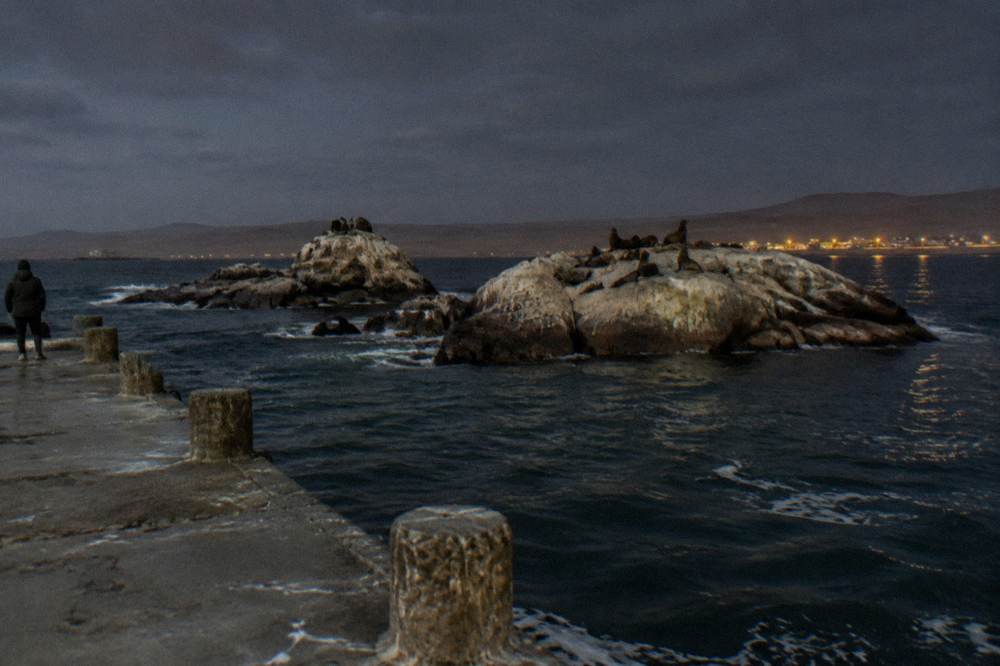
Paracas and Huacachina pair naturally, about 75 km and an hour to ninety minutes apart, and many travelers do them in a single stop of one or two nights. The Ballestas Islands boat ride out of Paracas is the coast's headline wildlife trip, and Huacachina is a genuine oasis lagoon ringed by dunes tall enough to sandboard. If your time in Lima is short, the "Premium Day Trip, Sunset Toast" run out of Lima covers both in one 16-hour day from $119, rated 4.8 across 2,636 reviews with free cancellation, and it is the single most efficient way to buy the coast when the rest of your route is already full.
Nazca is the divisive stop. The lines are only truly visible from the air, and the "Nazca Overflight From Ica" is a 35-minute flight from $249, rated 4.7 but across just 4 reviews, so read recent feedback on the live listing before booking. The ground-based alternative, the metal viewing tower on the Panamericana, costs a few soles and shows you three of the figures. Backpackers split roughly down the middle on whether the flight justifies itself.
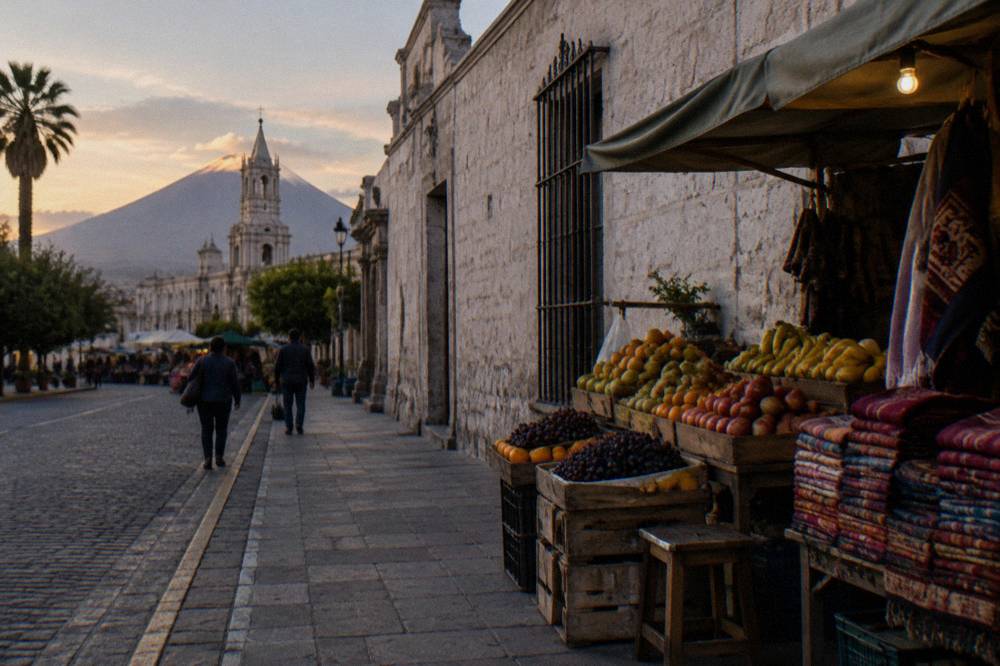
Arequipa earns its two or three days regardless. Peru's second city is built from white volcanic sillar, sits at a kind 2,335 m, and serves as the base for Colca Canyon, where condors ride the morning thermals at Cruz del Condor. Dry season, April through November, gives the clearest viewing, and mornings between about 7 and 10 a.m. are the best window for sightings.
Puno is functionally a lake town: scrappy, high and cold, but the gateway to the Uros floating reed islands and to Copacabana across the border in Bolivia at 3,841 m. A full-day Copacabana and Isla del Sol tour from Puno runs from $130, rated 4.8 across 30 reviews, and is the cleanest way to see the Bolivian side without moving your base. For more on that corridor, see the guide to the Puno to La Paz bus.
Bus Or Plane: How Should Backpackers Move Through Peru?
For the full backpacking route, bus is the answer: the route is built around legs of 3 to 10 hours, the scenery between Arequipa, Puno and Cusco is the best in the country, and hop-on-hop-off passes let you change plans on the road. Flying only makes sense to skip the coast entirely, or when ten days is all you have.
The classic decision is a pass versus direct bus companies versus flights. Direct carriers like Cruz del Sur and Oltursa run the Lima to Cusco corridor in about 21.5 to 24 hours of nearly nonstop driving. That is efficient and safe, but it is a full day and night on a bus, and you arrive in Cusco having skipped everything in between. A pass costs more than a bare seat before you tally in the terminal taxis, which is the honest caveat: for a traveler who just wants one direct seat, the big bus companies are cheaper. More of these guides are collected on Lima To Cusco.
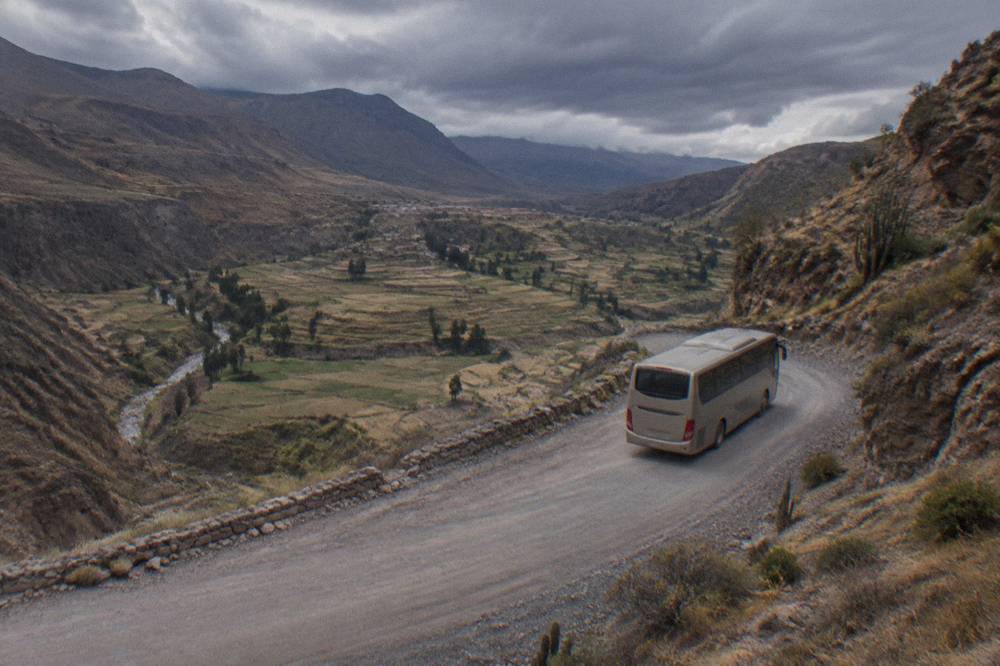
What the pass buys instead is flexibility and pickup. Peru Hop runs hotel and hostel pickup and drop-off at participating stops, so you skip the terminals with your luggage, and the buses carry wifi, USB charging, an onboard bathroom and reclining semi-cama seats, with a climate-control system and a blanket per passenger on the high-altitude legs. A few reviewers note the wifi and USB can be inconsistent, and some legs run long or overnight, so plan evening arrivals accordingly. The full comparison, including seat classes and terminal locations, is in Peru Hop versus Cruz del Sur.
Flexibility is the real product. Passes stay valid up to one year, and you can change a departure in the app up to 12 hours before it leaves, subject to availability. Check Peru Hop passes and routes if your dates are still loose.
Flying is the third option and it only beats the bus in one scenario. Direct Lima to Cusco flights with LATAM, JetSMART and Sky Airline take about 1 hour 20 minutes, but Cusco's airport sits at 3,310 m, and arriving by air from sea level is the single worst way to start an acclimatization plan. The altitude guide flying into Lima versus Cusco covers that trade-off in detail. Morning flights are the reliable ones; afternoon departures into the Cusco valley carry a higher delay risk from cloud build-up, especially in the November to March rainy season.
| Mode | Best for | Typical route time | Honest downside |
|---|---|---|---|
| Hop-on-hop-off pass | Full route, loose dates | Multi-day, your pace | Costs more than a bare direct seat |
| Direct bus company | One fixed long leg | ~21.5-24 h Lima to Cusco | Skips every stop in between |
| Domestic flight | Ten days or less | ~1 h 20 min Lima to Cusco | Sea level to 3,399 m in one morning |
| Scenic tourist bus | Arequipa, Puno, Cusco legs | 6.5-11 h per leg | Long days, book ahead in high season |
How Do You Handle Altitude On The Peru Backpacking Route?
Build the route to climb gradually: Lima at 79 m, Arequipa at 2,335 m as your acclimatization stop, then Colca, Puno at 3,827 m and Cusco at 3,399 m. Give Arequipa two or three days, rest on arrival at each high stop, drink water, eat light and skip alcohol for the first high night. Go up slowly and the route does the work for you.
The altiplano facts are not optional reading for this trip. Puno at 3,827 m is higher than Cusco, and the Colca road crosses passes around 4,800 m, so the highest point of your trip may come mid-route rather than at the end. The classic southbound order protects you almost by accident: by the time you reach Puno you have usually spent days climbing from Arequipa's 2,335 m up through the canyon country toward the altiplano, which is exactly the gradual ascent standard altitude guidance recommends. Travelers who fly straight into Juliaca, at about 3,825 m, or into Cusco skip that staircase entirely.
Symptoms to know are headache, nausea, fatigue and poor sleep above about 3,000 m; most cases are mild and resolve with rest and fluids. Severe symptoms, breathlessness at rest or loss of coordination, mean descending, not pushing on. The longer treatment guide, including medication notes and when to seek help, is in altitude sickness on the bus routes.
One route-level tip that most first pages of search results miss: the Colca to Puno scenic bus, from $41.03 and rated 4.7 across 88 reviews, doubles as altitude exposure. It leaves Chivay at 3,635 m, crosses the highest ground on the route and arrives in Puno about 6.5 hours later, giving your body a full day at altitude while you sit still and watch vicunas. Backpackers who take it tend to report a softer first night in Puno than those who arrive on the direct overnight from Arequipa.
What Side Trips Are Worth Adding To The Peru Backpacking Route?
Three side trips earn their days: Colca Canyon out of Arequipa, Copacabana and Isla del Sol from Puno, and the Sacred Valley out of Cusco. Each uses a base you already sleep in, costs less than a separate tour hub, and breaks up the biggest bus legs on the route. Anything beyond those three usually needs a re-route, not a detour.
Colca is the classic add-on and has been covered above; two days from Arequipa is the standard shape. The Bolivian side is the second. Puno sits about 140 to 155 km from Copacabana via the Kasani and Yunguyo border, typically 3 to 4 hours door to door including formalities, and the border posts run roughly 07:30 to 18:00 on the Peru side and 08:30 to 19:00 on the Bolivia side, so aim for a mid-morning or early-afternoon crossing. Since December 2025, US, UK, EU, Canadian and Australian tourists enter Bolivia visa-free for up to 90 days, but everyone must complete the free SIGEMIG online pre-registration before arrival, so do that the night before your border day.
The Sacred Valley is the third, and from Cusco it feeds directly into the Machu Picchu run. Ollantaytambo, at 2,792 m, sits 62 to 72 km from Cusco by road, about an hour to ninety minutes, and its train station is the main departure point for Aguas Calientes, about 43 km and 1 hour 20 minutes to 1 hour 45 minutes by train. The Cusco to Machu Picchu train guide covers the operators and schedules; the practical backpacker shortcut is a tour that bundles it all.
The "Full-Day Group Tour" from Cusco, from $332 and rated 4.7 across 2,307 reviews, is the bundle that works for most backpackers: bus to Ollantaytambo, train, the bus up the mountain and a guided citadel tour in one 12-hour booking. Note that its listing shows no standard free-cancellation policy, unlike most tours on this route, so lock your date before you buy. Machu Picchu itself sits at 2,430 m, mercifully lower than Cusco.
Machu Picchu also has real capacity math now: 4,500 daily entries in regular season, rising to as many as 5,600 on specific high-season dates including 19 June to 2 November, with timed hourly entry windows and guide groups capped at 16. Tickets go through the official portal at tuboleto.cultura.pe, and up to 1,000 in-person tickets per day remain available in Aguas Calientes as a fallback. The Machu Picchu days guide covers how much time the circuits deserve.
Is Bus Travel Safe For Backpackers In Peru?
Yes, on the tourist corridor, with the standard caveats: use reputable companies, prefer daytime departures, and keep your bag in sight. Official advisories from the US State Department and UK FCDO both warn that bus crashes are common at night and tell travelers to use reputable operators and avoid overnight trips where possible. The Lima to Arequipa to Cusco corridor is the approved night-bus exception for US government staff.
Both advisories use near-identical language: "Bus crashes are common, especially at night. Only use reputable transport companies, and where possible, avoid overnight travel, especially in mountainous and remote regions." The US State Department's Peru advisory, at Level 2, Exercise Increased Caution, additionally notes that US government employees may ride commercial buses at night along the Pan-American Highway, to Huaraz, and on the Lima-Arequipa-Cusco corridor, which is a useful signal about exactly which routes carry supervised night service. The UK's equivalent is at gov.uk's Peru travel advice.
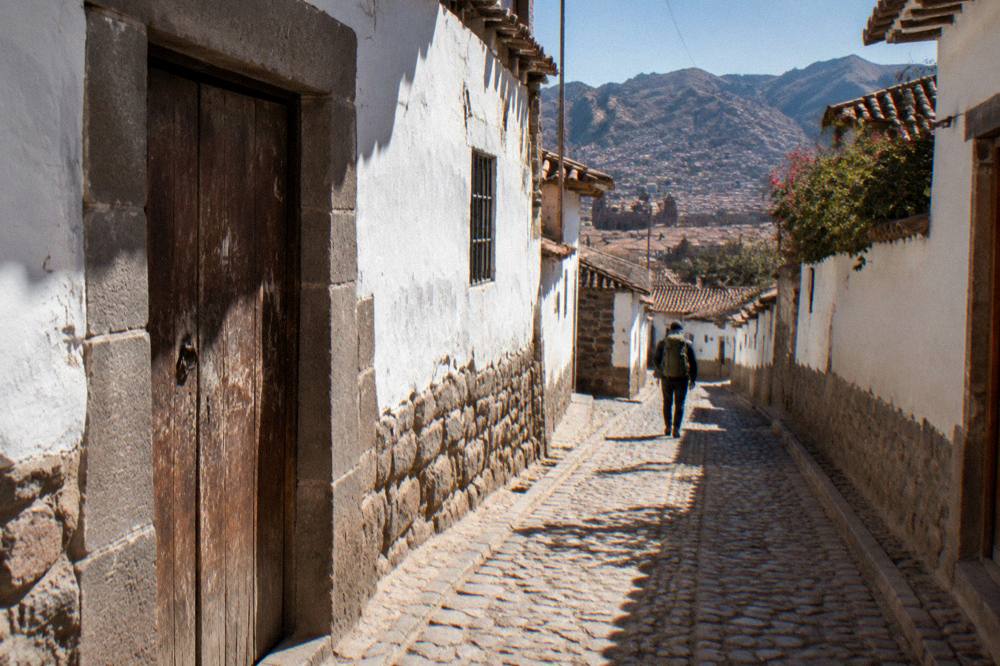
The practical reading for backpackers: the classic route in this guide is the corridor, not the back roads. Peru Hop states its buses carry GPS tracking, speed limiters and two drivers on long legs; those are operator claims rather than independently verified statistics, but the pattern of reputable daytime tourist service on this corridor is consistent across operators. Strikes and blockades are the other periodic risk, and roads in Peru occasionally see them with little warning, so check current conditions before each leg and never attempt to pass a blockade on foot or by taxi. The full safety picture, including the health angles, is in is Peru bus travel safe and is it safe to travel to Peru right now.
Solo travelers should add the ordinary city rules: take the registered airport transfer rather than a street taxi, keep the daypack on your lap on buses, and store the passport somewhere besides the daypack you sandboard with. An eSIM sorted before arrival also removes the first-night scramble for a SIM at a Lima kiosk; Airalo's Peru eSIM plans are the usual backpacker shortcut.
The three bookable legs that pull the whole route together, from the coast day trip to the Colca crossing to the Machu Picchu finale, are below for a final comparison.
Common Questions About Backpacking Peru
How many days do I need for the classic backpacking Peru route?
Three weeks covers the full route comfortably: Lima, Paracas, Huacachina, Nazca, Arequipa, Colca Canyon, Puno and Cusco plus eight travel days. Two weeks works if you skip Colca, and ten days only works with a Lima to Cusco flight.
What is the best order to backpack Peru?
Southbound, low to high: Lima, the coast, Arequipa, Colca, Puno, then Cusco. The order climbs gradually from 79 m to 2,335 m at Arequipa before the altiplano, which is the acclimatization pattern altitude guidance recommends.
What are the big costs when backpacking Peru?
Food and lodging are cheap; the headline bookings are what shape the budget. They run from a $19 Lima-Paracas bus seat, to $67-$119 for a Paracas and Huacachina day trip, to $249 for the Nazca overflight and $332 for the full-day Machu Picchu group tour from Cusco.
Is the bus or the plane better for backpackers in Peru?
The bus, if you have two weeks or more. The scenic legs between Arequipa, Puno and Cusco are the best scenery on the route and a pass lets you change dates up to 12 hours before departure. Flying wins only when ten days or less forces you to skip the coast.
Is backpacking Peru safe?
On the classic corridor, yes, with normal precautions. Both the US State Department and UK FCDO advise reputable transport companies and caution on overnight buses, and their approved night corridor is exactly the Lima-Arequipa-Cusco route most backpackers ride.
Can you do the Peru route and continue to Bolivia?
Yes. Puno to Copacabana is 140-155 km and 3-4 hours via the Kasani border, which runs roughly 07:30-18:00. US, UK, EU, Canadian and Australian travelers are visa-free in Bolivia for up to 90 days but must complete the free SIGEMIG online pre-registration first.