Cusco To Lima Bus: Routes, Times, And Prices
The return leg from Cusco to Lima is the longest single bus decision most Peru travellers make. Here is how the direct services compare, what a hop-on hop-off pass changes, and where the route is worth pausing.
Short answer
A direct Cusco to Lima bus takes roughly 21.5 to 24 hours with operators such as Cruz del Sur and Oltursa. A hop-on hop-off pass turns the same corridor into a multi-day trip with hotel pickup, bilingual hosts and stops at Puno, Arequipa, Nazca, Huacachina and Paracas, at a higher total cost.
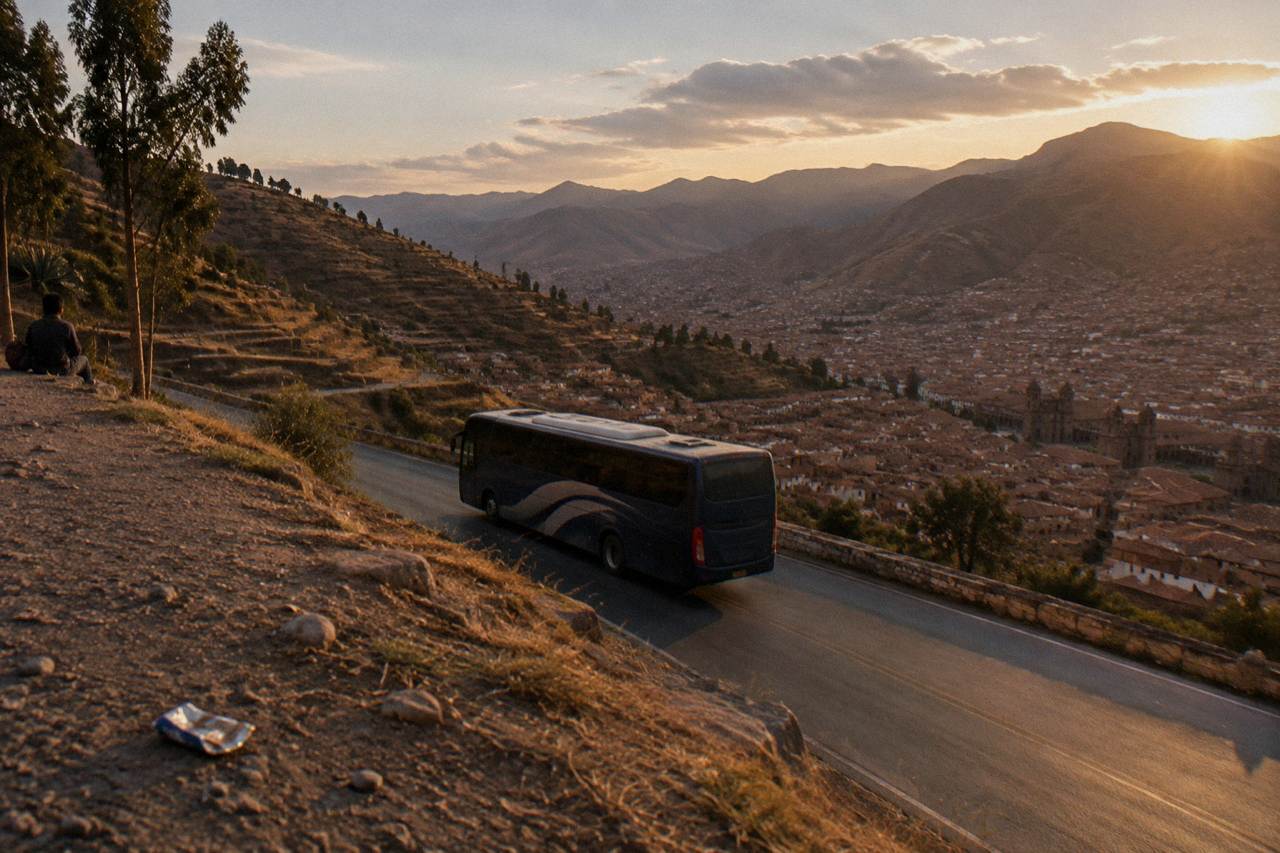
The bus from Cusco back to Lima is the closing chapter of almost every southern Peru itinerary, and it is a bigger decision than the outbound leg. Cusco sits at 3,399 metres above sea level; Lima's Miraflores district sits at 79 metres. Between those two points the road climbs over the altiplano near Puno at 3,827 metres, drops to the desert at Nazca, and then follows the Panamericana Sur to the coast. It is well over 1,500 km of road once every leg is added together, and the fastest direct buses need 21.5 to 24 hours to cover it.
That is why the real question is not whether to take the bus but which shape of bus trip to take: one long overnight run, or a broken-up journey with stops along the way. This guide compares the operators, the timings, the ticket prices, the safety picture and the stops, using Lima To Cusco as the reference point for the whole corridor.
How Long Does The Bus From Cusco To Lima Take?
A direct Cusco to Lima bus takes roughly 21.5 to 24 hours on the fastest services, with Cruz del Sur and Oltursa both running the full corridor in one booking. The distance splits into recognisable legs: Cusco to Puno is about 388 km, Arequipa to Puno about 300 km, and Lima to Paracas 260 to 272 km, so the ride is best understood as five separate journeys chained together.
No bus covers the corridor quickly. The geography simply will not allow it: the Cusco to Puno stretch alone typically takes 6 to 10 hours depending on whether the service is a direct public bus or a multi-stop tourist run, and the Nazca to Arequipa leg runs about 405 km and 9 to 10 hours on services such as Cruz del Sur or Tepsa. A direct ticket buys you all of that in a single seat, usually departing in the afternoon and arriving in Lima the following afternoon.
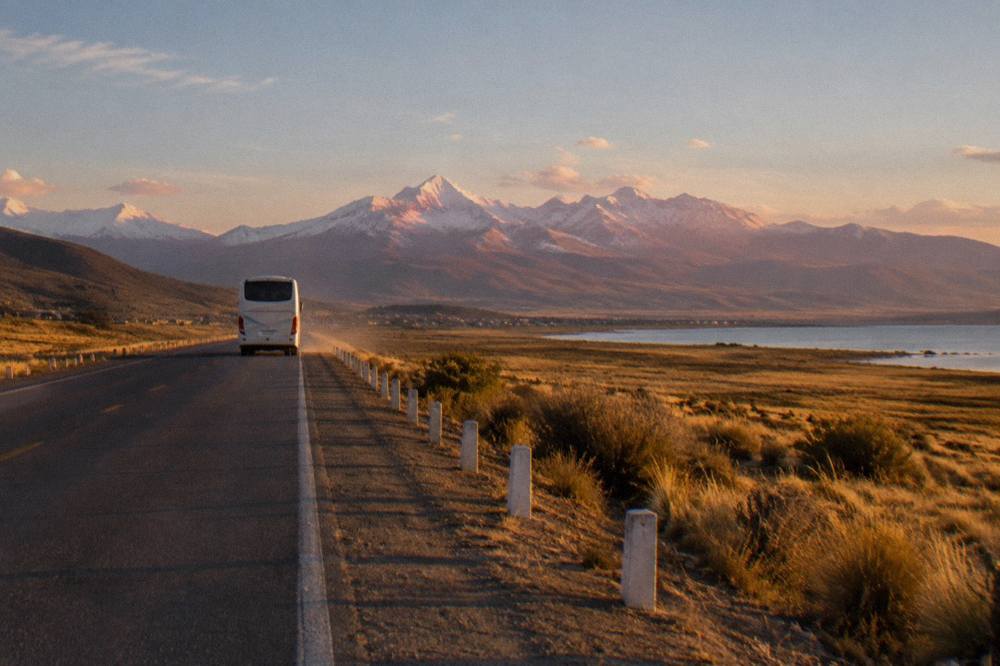
The timings that matter most are the ones at the edges. If your bus arrives in Lima in the afternoon, you are arriving into some of the worst traffic of the day, and the final crawl from the terminal into Miraflores or Barranco can add a further hour. Travellers with an international flight the same evening should not plan a same-day arrival as a connection; a missed bus or a late arrival on the Panamericana would be enough to lose the flight.
Breaking the journey changes the arithmetic completely. Cusco to Puno as a standalone leg, then Puno or Arequipa to Lima over two or three more days, means no single ride longer than about ten hours. That pace suits most travellers better than one uninterrupted 24-hour run, and it turns the return leg into part of the trip rather than an endurance event. Our Cusco to Puno bus guide covers the first leg in detail.
Which Companies Operate The Cusco To Lima Bus?
The main direct operators are Cruz del Sur, Oltursa and Civa, all running multi-departure services between Cusco and Lima in 21.5 to 24 hours, typically in Suite or semi-cama classes from terminals such as Javier Prado in Lima. The alternative is a hop-on hop-off pass, which runs the same corridor with hotel pickup, a bilingual host on every bus and set stops at Puno, Arequipa, Huacachina and Paracas.
The direct lines are the classic Peruvian long-distance companies, and they are genuinely good at what they do. Cruz del Sur publishes its Lima to Cusco timetable directly on its own site, with multiple daily departures in Suite class; Oltursa runs comparable services on the same corridor. These are full-bed or near-full-bed seats, air conditioned, with onboard service. You buy one ticket, board at a terminal, and arrive at a terminal. What you give up is flexibility: the ticket is for a specific bus on a specific day.
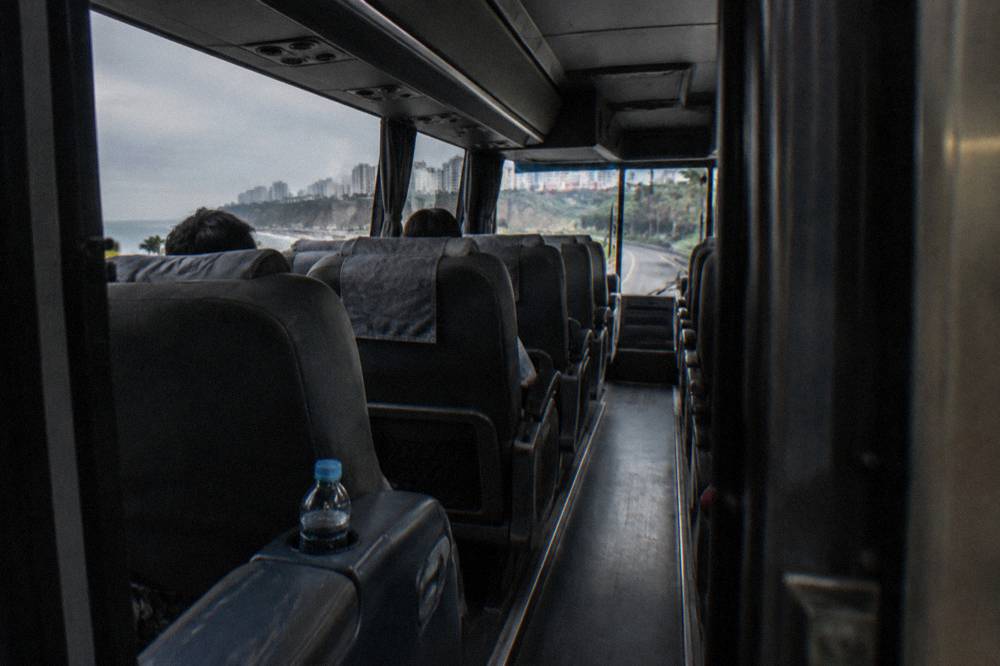
The hop-on hop-off alternative takes the opposite approach. A pass is a seat on a hop-on hop-off service: you ride Cusco to Puno one day, hop off, spend a night or three at Lake Titicaca, then take the next bus onward. Peru Hop picks up and drops off at your hotel or hostel in participating locations, so you skip the bus terminal with your bags, and a bilingual local host rides every bus to handle questions, border formalities and logistics. Passes are valid up to one year from first use, and you can change a bus time in the app up to 12 hours before departure, subject to availability. The honest caveat, which applies to every version of this comparison: a pass costs more than a bare Cruz del Sur or Oltursa seat before you tally in the taxis and tours, and some legs run long, overnight or into the evening. For a traveller who just wants one direct seat, the pass is not the cheapest option.
| Operator or pass | Style of service | Pickup and drop-off | Flexibility | Best for |
|---|---|---|---|---|
| Cruz del Sur | Direct overnight, Suite and premium classes | Terminal to terminal | Fixed date and departure | Fixed schedules, lowest fuss |
| Oltursa | Direct overnight, premium seating | Terminal to terminal | Fixed date and departure | Comfort on one long run |
| Civa (Superciva, Excluciva) | Direct or connecting services | Terminal to terminal | Fixed date and departure | Budget direct seats |
| Peru Hop pass | Hop-on hop-off with set stops | Hotel or hostel pickup and drop-off | Pass valid up to one year, app changes up to 12 hours before departure | Multi-stop trips, first-time visitors |
Comparing a pass with single tickets? See Peru Hop's pass options and timetables, or read our full Peru Hop versus Cruz del Sur comparison.
One thing worth deciding early is whether Machu Picchu is still on your Cusco to Lima agenda, because most travellers fit it in before leaving Cusco rather than after. The full-day Machu Picchu group tour from Cusco handles the bus to Ollantaytambo, the train, the citadel entry and the guide in a single booking at from $332, and it carries a 4.7 rating from 2,307 reviews.
If you are still shaping the whole trip rather than just the return leg, our Peru itinerary for two weeks shows where each of these legs fits in a realistic schedule.
How Much Does A Cusco To Lima Bus Ticket Cost?
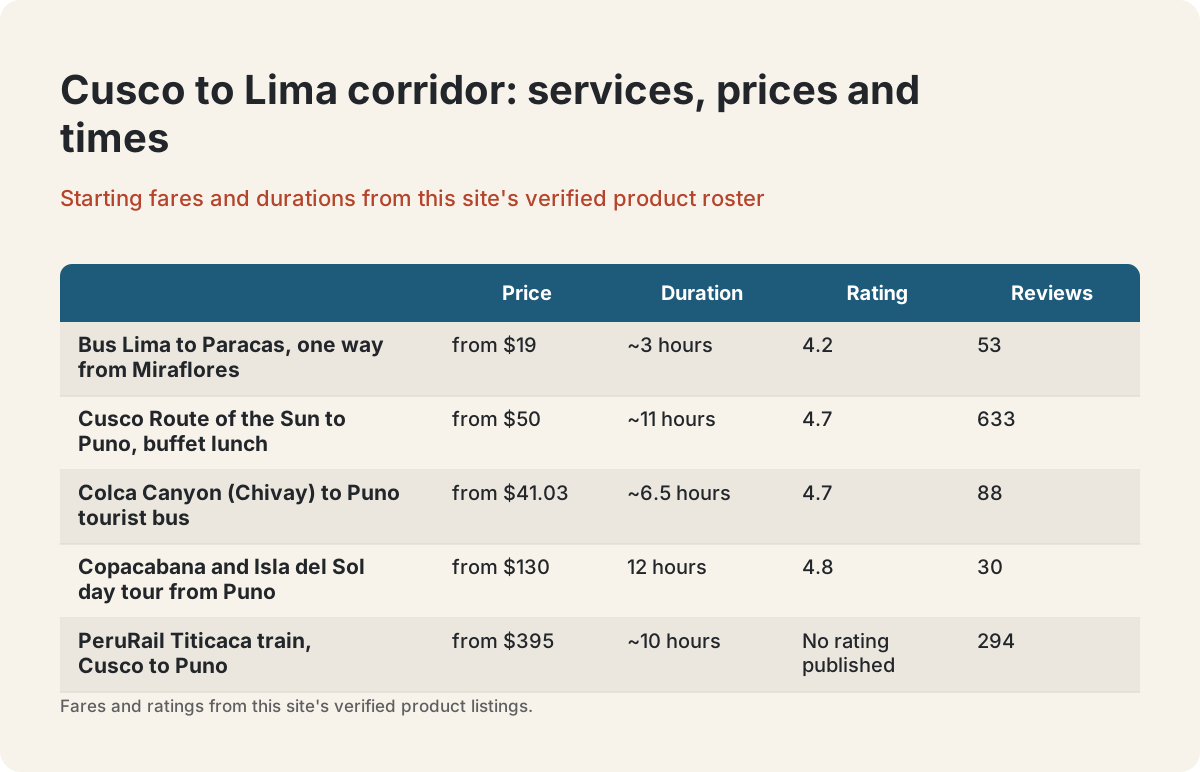
Direct bus prices on the corridor are set per leg rather than per kilometre, and the published fares sit with each operator, so check the live listing for the day you want. As a planning frame from this site's verified products: the one-way Lima to Paracas bus starts at $19, the scenic Cusco Route of the Sun to Puno with buffet lunch starts at $50, and the Colca Canyon to Puno tourist bus starts at $41.03.
Price on this corridor depends on class and comfort more than on distance. A Suite or full-cama seat on a direct Cusco to Lima service costs substantially more than an economy semi-cama seat on a slower departure, and the premium tourist buses with stops and lunch included sit in a different bracket again. The figures below are the verified fares from this site's own product roster: real, bookable services on the same corridor, each with its rating and review count shown beside it.
| Service (verified roster) | Price | Rating | Reviews | Duration | Free cancellation |
|---|---|---|---|---|---|
| Bus Lima to Paracas, one way from Miraflores | from $19 | 4.2 | 53 | ~3 hours | Yes |
| Cusco Route of the Sun to Puno, buffet lunch | from $50 | 4.7 | 633 | ~11 hours | Yes |
| Colca Canyon (Chivay) to Puno tourist bus | from $41.03 | 4.7 | 88 | ~6.5 hours | Yes |
| Copacabana and Isla del Sol day tour from Puno | from $130 | 4.8 | 30 | 12 hours | Yes |
| PeruRail Titicaca train, Cusco to Puno | from $395 | No rating published | 294 reviews | ~10 hours | Not shown |
Read that table as a ladder, not a menu. The one-way bus legs are the floor: cheap, direct, no frills. The tourist buses with stops and a guide add maybe $20 to $30 per leg over a public seat and are, for many travellers, the sweet spot of the corridor. The PeruRail Titicaca train at from $395 is the luxury run, a 10-hour journey with dining service, and it is the only option here with no published rating and no free-cancellation policy shown, so read its listing carefully before booking.
For comparing bare bus fares across every company on the corridor, an aggregator works well as a first filter: compare Cusco to Lima bus schedules and fares in one place. It is a useful budget and direct-ticket alternative when you know your dates, then book with the operator you settle on. If you are weighing the pass instead, the honest answer on cost lives in our how much does Peru Hop cost breakdown.
Budget one more line beyond the ticket itself: food and terminal stops. A 24-hour direct run includes meal stops, and the tourist services vary on whether lunch is included. The Route of the Sun leg includes a buffet lunch; the Colca to Puno bus does not advertise one, so carry soles for the roadside restaurants.
What Route Does The Bus Follow, And What Do You See?
The standard southern route runs Cusco to Puno along roughly 388 km of altiplano, then Puno to Arequipa past Lagunillas, then Arequipa down to the coast at Nazca along about 405 km, and finally north on the Panamericana Sur through Ica, Huacachina and Paracas to Lima. Almost the entire middle of the ride is high desert, and the scenery changes character three times: altiplano, canyon country, then pure coast.
The first hours out of Cusco are the highest of the trip. The road to Puno crosses altiplano above 3,800 metres for much of the way, a landscape of open grassland, grazing alpacas and wide skies, with the scenic Route of the Sun services stopping at sites such as the pre-Inca temple of Racchi and the La Raya pass. Puno itself sits at 3,827 metres on the shore of Lake Titicaca, whose surface lies at 3,812 metres, and a night here to see the Uros floating islands is one of the classic breaks on the corridor.
From Puno the road drops southwest towards Arequipa, 300 km and 6 to 7 hours away, passing the Lagunillas viewpoint where a chain of high lagoons reflects the volcanoes. Arequipa at 2,335 metres is the natural acclimatisation stop and a genuinely beautiful city in its own right, built from white volcanic sillar stone under El Misti volcano. If Colca Canyon is on your list, the canyon's Cruz del Condor mirador sits at roughly 3,270 to 3,800 metres, and the condors fly best in dry-season mornings between about 7 and 10 a.m.
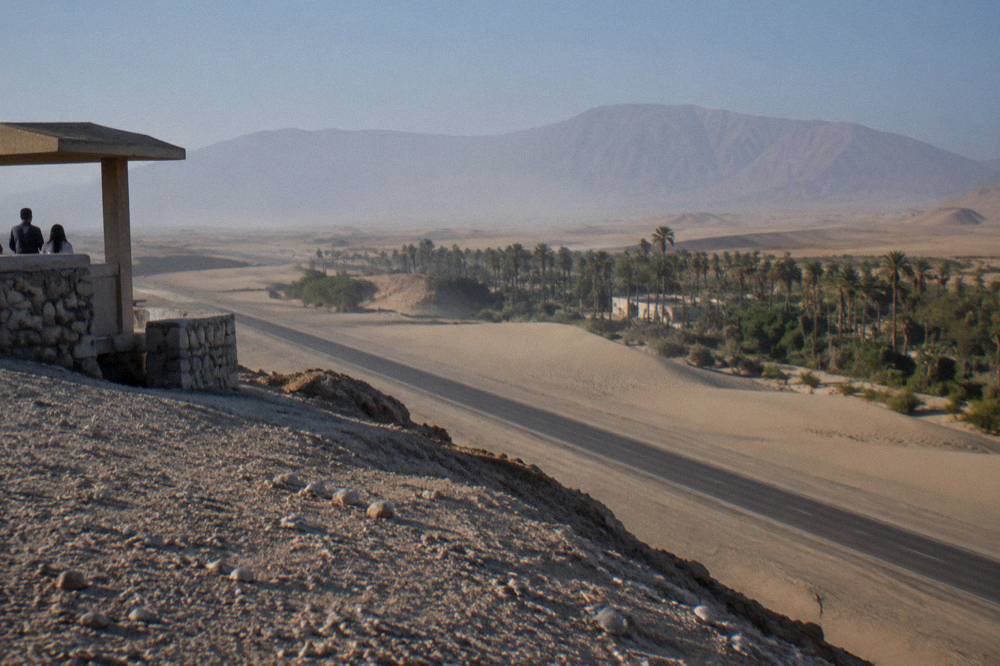
Then the road falls to the coast. Nazca sits around 520 metres above sea level, and the leg from Arequipa there is the longest single stretch at roughly 405 km and 9 to 10 hours. From Nazca north it is desert all the way: Ica, the oasis of Huacachina, Paracas and the Ballestas Islands, and finally the 260 to 272 km run into Lima. Huacachina to Nazca or Ica to Nazca, depending on your direction, is only about 119 to 143 km and 2 to 3 hours, which is why so many travellers string Paracas, Huacachina and Nazca together on the final approach to Lima.
Hop-On Hop-Off Pass Or Direct Overnight Bus?
Take the direct overnight bus if your dates are fixed, you only need one seat and you want the lowest fare; take a hop-on hop-off pass if you want to stop at Puno, Arequipa, Huacachina or Paracas without booking five separate tickets. The pass trades money for flexibility: passes stay valid up to one year, and date changes can be made in the app up to 12 hours before departure.
The direct bus is a logistics problem with a single solution. You know your date, you know your arrival, and the terminal-to-terminal simplicity is real. Against that: the ride is long, overnight, and spent entirely in one seat, and the UK FCDO advice on Peru is blunt on this point: "Bus crashes are common, especially at night. Only use reputable transport companies, and where possible, avoid overnight travel, especially in mountainous and remote regions." The full advisory is on the official FCDO Peru page.
The pass is a different product entirely. Peru Hop buses run a climate-control system rather than relying on the open windows of informal colectivos, each passenger gets a blanket, and the seats are reclining semi-cama with wifi, USB charging and an onboard bathroom, though a few reviewers note the wifi and USB ports can be inconsistent. The company states that buses carry GPS tracking, adhere to speed limits and use two drivers on long legs; those are operator claims rather than independently audited figures, so treat them as such. What is verifiable is the model: hotel pickup and drop-off, a bilingual English and Spanish host on every bus, and a timetable built around the stops travellers actually want. Our Peru Hop reviews page gathers what recent passengers actually said.
There is a third shape worth naming: hybrid. Ride direct Cusco to Lima only if you must, and instead break once in the middle, most commonly at Arequipa, then take a final long leg to Lima. You get one overnight instead of three, and you still see the two cities most worth pausing for. Our overnight bus in Peru guide covers what to expect from night services, and the backpacking Peru route page places the whole corridor in a budget context.
Is The Cusco To Lima Bus Safe?
Yes, the corridor is considered safe on reputable companies, and the US State Department explicitly permits its own employees to ride commercial buses at night along the Lima, Arequipa, Cusco corridor. The advisory cautions that demonstrations can shut down roads and highways without warning, so book with a company that communicates reroutes and refunds, and check conditions close to departure.
The corridor's safety record on the premium operators is good, and the guidance is consistent rather than alarming. The US State Department's September 2026 advisory holds Peru at Level 2, Exercise Increased Caution, with higher-level zones elsewhere in the country; the key line for bus travellers is the employee restriction, which permits nighttime travel on commercial buses along exactly this corridor. Read the details on the US embassy's advisory page.
The practical risks are smaller and more mundane. Altitude is one: Cusco at 3,399 metres and Puno at 3,827 metres affect sleep and appetite, so hydrate, eat light and skip alcohol on the first high nights, and read our altitude sickness on the bus routes guide before the high legs. Road disruption is the other: roads in Peru occasionally see strikes or protests, so check current conditions before travel. Operators including Peru Hop monitor transport authority alerts and use reroutes and refunds when needed, which is exactly the kind of support a terminal-only ticket does not give you.
| Risk on the corridor | Realistic level | What to do |
|---|---|---|
| Overnight crash risk | Elevated at night in mountainous sections | Prefer daytime legs where possible; use premium operators |
| Altitude, Cusco and Puno | Affects most travellers briefly | Ascend gradually, hydrate, rest on arrival |
| Demonstrations or road closures | Occasional, unpredictable timing | Book flexible fares; check conditions before departure |
| Petty theft at terminals | Occasional at busy terminals | Keep valuables on your body, not in hold luggage |
Luggage is the last practical point. Peru Hop does not publish a strict weight limit; a standard suitcase goes in the under-bus hold plus one carry-on daypack, which is the pattern across the corridor's tourist operators. On direct lines, keep your passport, money and electronics in your day bag at your seat, and do not check anything you cannot afford to lose.
Where Should You Stop On The Way To Lima?
The five stops that earn their keep are Puno for Lake Titicaca, Arequipa for the white city and Colca Canyon, Huacachina for the dunes, Paracas for the Ballestas Islands, and Nazca for the lines. Most travellers can cover Puno, Arequipa and the coastal pair in about 8 to 12 days, and even a tight schedule should keep at least one overnight break between Cusco and Lima.
Puno is the altiplano stop. The Copacabana and Isla del Sol day tour from Puno runs 12 hours at from $130, rated 4.8 from 30 reviews with free cancellation, and crosses into Bolivia via the Kasani border, where formalities typically take 30 to 90 minutes and posts run roughly 07:30 to 18:00 on the Peru side. Bolivia now allows visa-free 90-day tourism for US, UK, EU, Canadian and Australian passport holders, with free online pre-registration, so the border has become a low-friction day trip rather than a logistical project.
Arequipa is the culture stop, and Colca Canyon is its excursion. The canyon is one of the deepest in the Americas, and condors are most reliably sighted from the Cruz del Condor mirador on dry-season mornings. Our Colca Canyon from Arequipa guide covers the timing, and the tourist bus onward from Chivay to Puno is bookable as a standalone at from $41.03.
The coast is the reward lap. The premium Paracas and Huacachina day trip from Lima with sunset toast runs 16 to 18 hours at from $67 and carries a 4.9 rating from 9,650 reviews with a Badge of Excellence; the sister premium day trip and sunset toast version runs about 16 hours at from $119 with a 4.8 rating from 2,636 reviews. Both include the sunset toast at Huacachina, and both allow free cancellation, so the choice between them is mostly price versus operator. One of them suits travellers doing the loop in reverse as a final-day splurge from Lima itself.
Nazca is the flight stop. The Nazca overflight from Ica or Huacachina is a 35-minute flight at from $249, rated 4.7 from 4 reviews, with free cancellation. With only four reviews the rating pool is small, so weigh the operator on its listing details rather than the star figure. Our is Nazca worth it piece weighs the overflight against the viewing tower honestly, and the best way to see the Nazca Lines guide covers the alternatives.
Getting From The Lima Terminal Into The City
Most long-distance buses from the south arrive at Lima's Javier Prado terminal or terminals in the Lima district, from which Miraflores and Barranco are a 20 to 45 minute taxi or rideshare depending on traffic. Allow an hour at peak times, use the official taxi counters inside the terminal rather than street touts, and do not plan an international connection the same day as arrival.
The arrival is the part of the trip travellers under-plan. A bus that has already run for nearly 24 hours does not always arrive on time, and Lima's traffic at afternoon peak can double a short hop into a long one. If your bus gets in around 2 p.m., expect the terminal to Miraflores run to take closer to 45 minutes than 20. Official taxi counters and app-based rides both operate at the major terminals; the street offer outside is best ignored, especially with luggage.
The same logic applies at the Cusco end if you are starting the return from the airport side. A private airport transfer in Cusco runs from $13 per group with a 4.8 rating from 251 reviews and free cancellation, or from $14.99 door to door with a 4.5 rating from 98 reviews. Both are covered in detail, with the wider airport options, in our Lima airport transfers and related guides, and the differences between the two Cusco services are real: one is a shared-rate private vehicle, the other a door-to-door pickup.
Where your trip goes after Lima is the last planning piece. Plenty of travellers use the capital purely as an exit point, but Lima deserves at least a night: the Miraflores seafront, the Barranco food scene and the historic centre repay a day better than another airport hotel. And if the return leg has convinced you that the corridor deserves more time, read our Peru itinerary for three weeks before you finalise the outbound booking.
Common Questions About The Cusco To Lima Bus
How long does the bus from Cusco to Lima take?
Roughly 21.5 to 24 hours on the fastest direct services with operators such as Cruz del Sur and Oltursa. Most travellers split the journey, with Cusco to Puno at about 388 km and 6 to 10 hours being the first leg.
Which companies operate the Cusco to Lima bus?
Cruz del Sur, Oltursa and Civa run direct services, while Peru Hop runs the same corridor as a hop-on hop-off pass with hotel pickup, a bilingual host on every bus and set stops at Puno, Arequipa, Huacachina and Paracas.
How much does a Cusco to Lima bus ticket cost?
Direct fares are set per leg and vary by seat class, so check the live listing for your date. As verified reference points on the corridor: the Lima to Paracas one-way bus starts at $19 and the Cusco Route of the Sun to Puno starts at $50 with buffet lunch.
Is the overnight Cusco to Lima bus safe?
The corridor is considered safe on reputable companies, and US government employees are permitted to ride commercial buses at night along the Lima-Arequipa-Cusco corridor. UK advice still recommends avoiding overnight travel in mountainous regions where possible, so daytime legs or a mid-route stop are the more comfortable choice.
Where should I stop between Cusco and Lima?
The five classic stops are Puno for Lake Titicaca, Arequipa for the white city and Colca Canyon, Nazca for the lines, Huacachina for the dunes, and Paracas for the Ballestas Islands. Even a tight schedule should keep at least one overnight break.
Is a hop-on hop-off pass better than a direct bus ticket?
A pass wins if you want to stop along the way and value hotel pickup, a bilingual host and up-to-12-hours-before date changes; passes stay valid up to one year. A direct ticket wins on price if you only need one seat on one date, and the pass costs more before tallying in taxis and tours.