How Many Days In Peru Is Enough
A leg-by-leg breakdown of what 7, 10, 14 and 21 days realistically buy you in Peru, from Lima and the coast to Cusco, Machu Picchu, Lake Titicaca and Bolivia.
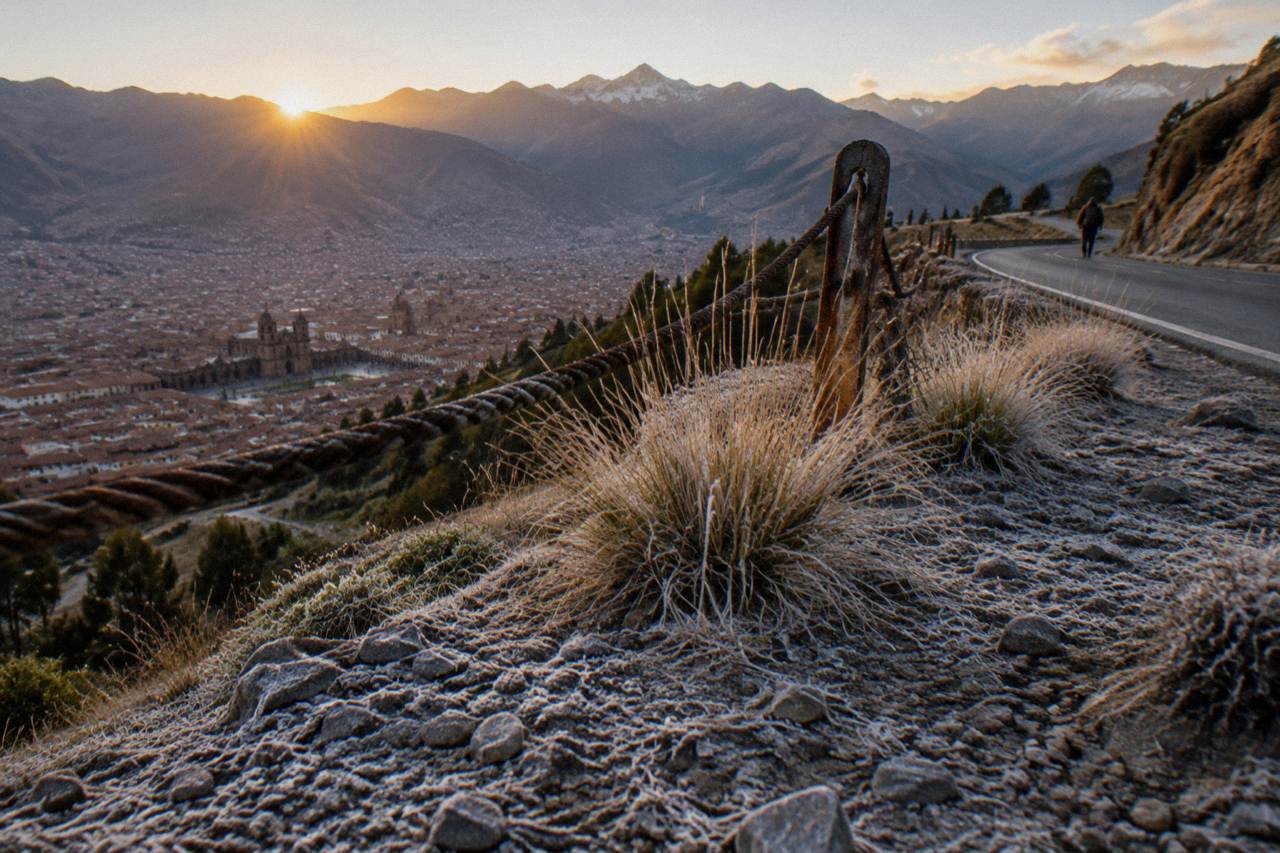
How Many Days In Peru Is Enough
Most travelers need 10 to 14 days to see Peru well: Lima, part of the southern coast, Cusco and Machu Picchu, plus either Arequipa and Colca Canyon or Lake Titicaca. Seven days covers Lima, Cusco and Machu Picchu at a fast pace and only if you fly. Three weeks is the only length that comfortably absorbs Puno, Copacabana and La Paz as well. Anything under a week forces you to skip the coast entirely.
The honest answer depends on one variable nobody controls: the shape of the country. Peru runs in a long line from the Pacific coast up over the Andes, and the classic tourist corridor, Lima to Paracas to Huacachina to Nazca to Arequipa to Puno to Cusco, is stitched together from legs of three to ten hours each. Add the fact that Cusco sits at about 3,399 meters and Puno at 3,827 meters, and the calendar stops being a matter of preference. Bodies climb slowly whether itineraries like it or not.
The three default answers work like this. A week is a fly-in, fly-out trip built around Machu Picchu alone. Ten days is the pace most first-time visitors actually enjoy, because it absorbs altitude days as sightseeing days instead of recovery days. Two weeks or more lets you travel the corridor overland, which is a genuinely different trip from the seven-day version, not just a longer one.
Trip length also decides what kind of transport makes sense. A fixed two-week window suits direct tickets on the corridor's long legs, while an open-ended traveler gains from a hop-on-hop-off structure: Peru Hop passes are valid up to one year from first use, with in-app date changes possible up to 12 hours before departure, which is why loose planners often stretch the southern loop across as many days as their visas allow. Fixed-date travelers should read that flexibility the other way: the pass does the scheduling work for you.
For context on the three decisions that eat most trip budgets, here are the site's featured options for the citadel, the coast day trip and the Colca leg.
What Can You Realistically See In 7 Days?
Seven days is the realistic minimum for a Peru trip built around Machu Picchu, and it only works if you fly between Lima and Cusco. The direct flight takes about 1 hour 20 minutes to 1 hour 25 minutes on LATAM, JetSMART or Sky Airline, turning what would be a 26 to 30 hour bus ride into a morning errand. That gives you Lima, Cusco, the Sacred Valley and the citadel, and nothing else.
The seven-day skeleton is tight but proven. Fly Lima to Cusco early on day two, spend two low-effort days in the city at 3,399 meters, move down-valley to Ollantaytambo at 2,792 meters, and take the train from there. The Ollantaytambo to Aguas Calientes leg runs about 43 to 44 km and takes roughly 1 hour 20 minutes to 1 hour 45 minutes on scheduled services, with multiple departures a day on both rail operators; current timetables are on PeruRail's official schedule page. One buffer day is not optional in week-long Peru, because fog and afternoon storms around the Cusco valley delay flights often enough that a zero-margin plan is a plan to miss something.
| Day | Base | What the day actually holds |
|---|---|---|
| 1 | Lima | Arrive at sea level, sleep low before the climb |
| 2 | Cusco | Morning flight, about 1h 20m, easy afternoon in the city |
| 3 | Cusco | Acclimatize: San Blas, the market, Saqsaywaman above town |
| 4 | Ollantaytambo | Down to 2,792 m, 62 to 72 km by road, 1 to 1.5 hours |
| 5 | Machu Picchu | Train 1h 20m to 1h 45m, citadel at 2,430 m, back to Cusco |
| 6 | Cusco | Buffer day for weather, delays or a Sacred Valley add-on |
| 7 | Lima | Fly back, 1h 20m to 1h 25m |
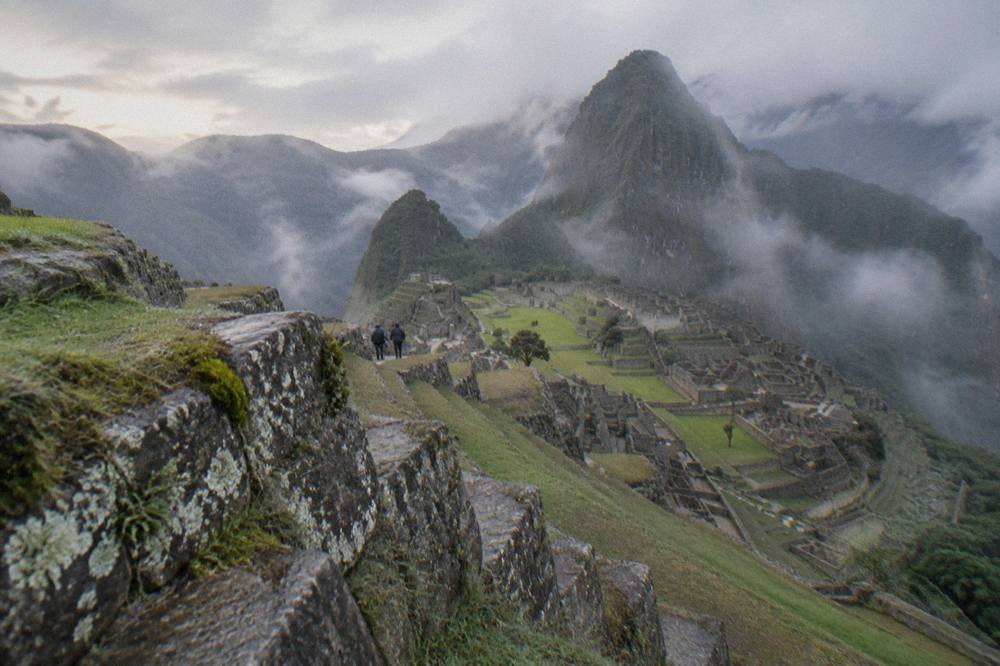
Day five is the whole reason most people book the trip, and it is the one day worth buying rather than assembling. The full-day Machu Picchu group tour handles the bus to Ollantaytambo, the train, the citadel bus and a guided tour of the ruins in a single 12-hour day, from $332; it rates 4.7 from 2,307 reviews on the live listing, though it shows no standard free-cancellation policy, so check the terms before committing Check availability. Ticketing at the citadel itself runs through the official Ministry of Culture portal at tuboleto.cultura.pe, with timed entry windows and a 15-minute window to complete a purchase once seats are selected.
Machu Picchu caps daily entry at 4,500 visitors in the regular season, rising to 5,600 on defined high-season dates, and sells timed circuits rather than open wandering. That quota is the strongest argument for sorting day five before anything else on a seven-day plan: everything else in the week can flex.
Is 10 Days The Sweet Spot For A Peru Trip?
Ten days is the sweet spot for most first-time visitors, because it absorbs the variable that ruins short Peru trips: altitude. Cusco sits at about 3,399 meters and Machu Picchu at 2,430, and acclimatization days double as sightseeing days when the schedule is loose enough. Ten days fits Lima, the Paracas and Huacachina coast or Nazca, then Cusco and Machu Picchu, without the breathless feeling a week imposes.
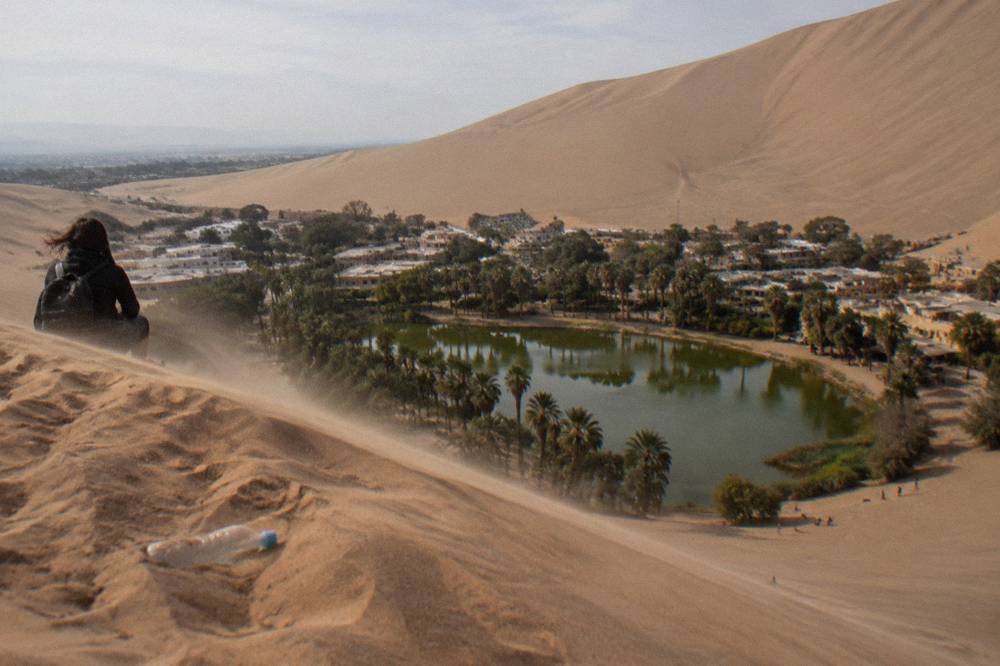
The extra three days are not padding. They buy the coast. Lima to Paracas is about 260 to 272 km and 3.5 to 4.5 hours on the Panamericana Sur, Paracas to Huacachina is roughly 75 km and an hour to 90 minutes, and the coast can be done as a single long day trip from Lima or as an overnight with a Ballestas Islands morning. The premium option on this route is the "Premium Day Trip, Sunset Toast" day tour: from $119, about 16 hours door to door, rated 4.8 from 2,636 reviews on the live listing, with free cancellation. For travelers building the trip leg by leg instead, the ten day Peru itinerary lays out the same corridor with overnight stops rather than marathon days.
Ten days still forces one real choice: Nazca or Arequipa, not both, unless you drop the Sacred Valley. The Ica to Nazca bus leg is about 119 to 143 km and 2 to 3 hours, and Nazca to Arequipa is around 405 km and 9 to 10+ hours, so the two sit on opposite sides of a very long night. That fork is the clearest signal that ten days is a real itinerary and not an abbreviated one.
How Many Days For The Overland Bus Route?
The Lima to Cusco journey overland is a 3 to 4 day commitment each way with stops, or one very long bus ride of about 21.5 to 24 hours on direct Cruz del Sur or Oltursa services. Counted honestly, with the classic stops of Paracas, Huacachina, Nazca, Arequipa and Puno, the corridor demands most of a week before you have even reached Machu Picchu. Overland travelers should budget 10 to 14 days minimum.
The leg-by-leg reality explains why:
| Leg | Distance | Typical bus time |
|---|---|---|
| Lima to Paracas | ~260-272 km | 3.5 to 4.5 hours |
| Paracas to Huacachina | ~75 km | 1 to 1.5 hours |
| Ica to Nazca | ~119-143 km | 2 to 3 hours |
| Nazca to Arequipa | ~405 km | 9 to 10+ hours |
| Arequipa to Puno (direct) | ~300 km | 6 to 7 hours |
| Puno to Cusco | ~388 km | 6 to 10 hours |
Two structures make sense across those legs. Direct tickets on the premium lines suit travelers with fixed dates and one or two stops, and the UK FCDO's standing advice is blunt about which operators: "Bus crashes are common, especially at night. Only use reputable transport companies, and where possible, avoid overnight travel, especially in mountainous and remote regions" (gov.uk Peru travel advice). The hop-on-hop-off structure suits everyone else: Peru Hop runs the corridor with hotel and hostel pickup and drop-off so travelers skip terminals with luggage, a bilingual English/Spanish host on every bus, and a climate-control system plus reclining seats, wifi, USB charging and an onboard bathroom, with a blanket per passenger on the high-altitude legs. The honest caveat: it costs more than a bare Cruz del Sur or Oltursa seat once you total the taxis and terminal time it replaces, and some legs run long or into the evening.
That last point matters for day counting. A corridor that looks like six short hops on a map is, in practice, five or six travel-half-days. Travelers who plan "bus days" as if they were full sightseeing days are the ones who end a 14-day trip exhausted in Cusco with a citadel ticket they were too tired to use.
Do You Need Extra Days For Lake Titicaca And Bolivia?
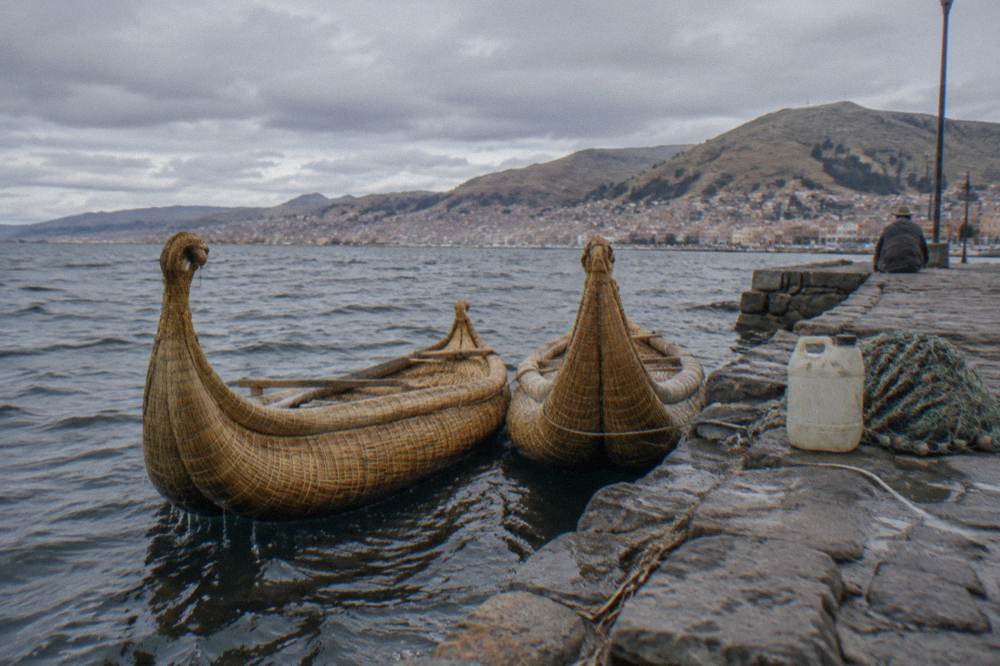
Lake Titicaca deserves 2 to 3 extra days on top of a Cusco trip, and Bolivia adds about 2 more. Puno sits at 3,827 meters, the highest sleep on most itineraries, and Copacabana across the border is another 3 to 4 hours by road via the Kasani/Yunguyo crossing. US, UK, EU, Canadian and Australian passport holders can now enter Bolivia visa-free for up to 90 days, though free SIGEMIG online pre-registration is required before arrival.
The Titicaca addition slots between Arequipa and Cusco or as a branch from Puno. Coming from the Colca side, the "Colca To Puno, Scenic Stops" bus covers the Chivay to Puno leg in about 6.5 hours with viewpoint stops along the altiplano; it runs from $41.03 and rates 4.7 from 88 reviews. Chivay itself sits at 3,635 meters and the Cruz del Condor viewpoint at roughly 3,270 to 3,800 meters, with the clearest condor flights in the dry season, April to November, in the morning.
From Puno, the full-day "Copacabana And Isla Del Sol" tour runs about 12 hours from $130 and rates 4.8 from 30 reviews, crossing to the Bolivian side with boat time on the lake, which sits at 3,812 meters on its surface. Independent travelers should know the border posts run roughly 07:30 to 18:00 on the Peru side and 08:30 to 19:00 on the Bolivia side, with formalities typically taking 30 to 90 minutes, and that Isla del Sol community fees run about 10 to 15 BOB per checkpoint. Copacabana to La Paz then takes about 3.5 to 4 hours including the Tiquina Strait ferry crossing, which makes La Paz reachable inside a 21-day window but a genuine squeeze in 14 (see Cusco To La Paz).
How Does Altitude Affect Your Peru Day Count?
Altitude is the factor that quietly adds days to every Peru itinerary. Lima sits near sea level, Arequipa at 2,335 meters, Cusco at 3,399 and Puno at 3,827, and standard guidance is to ascend gradually, rest on arrival, hydrate, eat light and skip alcohol. Building Arequipa in before Puno converts dead acclimatization time into canyon and city sightseeing instead of a headache in a hotel room.
The geography is unusually forgiving here, because the corridor ascends in steps rather than a wall. Lima at 79 meters in Miraflores, then the desert coast, then Arequipa as the halfway house, then the altiplano, then Cusco. A traveler who flies Lima to Juliaca at about 3,825 meters and drives to Puno skips every step and feels it; the same traveler who buses up through Arequipa arrives at Titicaca already adapted. The same logic explains the common advice to sleep in the Sacred Valley before Cusco where the schedule allows: Ollantaytambo at 2,792 meters sits well below the city at 3,399 meters.
Practically, this is why the seven-day itinerary puts two full days in Cusco before the citadel and why the ten-day version feels calm rather than compressed. Symptom awareness matters as much as pacing: headache, nausea and poor sleep are the normal early signals, and severe symptoms warrant proper medical attention rather than pushing on. Travelers weighing comfort on the climb can compare options in the site's coverage of Lima To Cusco routes, which breaks each leg's altitude profile down separately.
Which Itinerary Length Should You Actually Book?
Match the booking to your flight home, not to ambition. Seven days means flights both ways and one region; ten to fourteen days means the coast by bus or a hop-on-hop-off pass and then the climb to Cusco; three weeks is the only length that comfortably absorbs Puno, Copacabana and La Paz. Most travelers who regret their trip length regret going too short, not too long.
| Days | What realistically fits | Best for |
|---|---|---|
| 7 | Lima, Cusco, Machu Picchu, flights both ways | Fixed dates, single goal |
| 10 | 7-day core plus Paracas and Huacachina or Nazca | Most first-time visitors |
| 14 | Coast, Arequipa, Colca Canyon, Puno, Cusco, Machu Picchu | Overland travelers |
| 21 | Everything above plus Copacabana and La Paz | The full southern loop |
The pass-versus-ticket question follows the same logic. A fixed window of ten to fourteen days can be done either way, but the flexible structures earn their keep on the corridor: the in-app date changes and one-year validity described above mean a three-week traveler can linger a day in Huacachina or leave Arequipa early without rebooking anything. The traveler who just wants one direct seat to Cusco should buy one instead; the corridor's premium lines run Lima to Cusco direct in about 21.5 to 24 hours.
For readers still deciding between windows, the two week Peru itinerary shows exactly where the fourteenth day goes, and the three-week version adds the Bolivian side without the squeeze. Whatever the length, book the citadel first: it is the only element on the classic route with a hard daily quota attached.
Common Questions About Peru Trip Length
How Many Days In Peru Is Enough?
For most travelers, 10 to 14 days: enough for Lima, the Paracas and Huacachina coast or Nazca, Arequipa, Cusco and Machu Picchu, and either Colca Canyon or Lake Titicaca. Seven days works only with flights both ways and a single-region focus. Three weeks is needed for the full southern loop into Bolivia.
Can you do Machu Picchu in 5 days?
Yes, if all five days sit in Peru. Fly Lima to Cusco, about 1 hour 20 minutes, spend two days acclimatizing, and use a full-day group tour that bundles the bus, train and guided citadel visit into one 12-hour day from about $332. There is no slack for delays, so morning flights are the safer choice.
Is 2 weeks in Peru too long?
No. Two weeks fits the coast, Arequipa, Colca Canyon, Puno, Cusco and Machu Picchu at a humane pace, with altitude days doing double duty as sightseeing days. Travelers who try the same scope in ten days usually end up skipping Colca or the coast entirely.
How many days do you need in Cusco?
Plan on at least three: two to acclimatize at 3,399 meters and one for Machu Picchu, which is a full 12-hour day with the travel each way. A fourth lets you add the Sacred Valley, with Ollantaytambo about 62 to 72 km and 1 to 1.5 hours from the city.
Is one week enough for Lima to Cusco by bus?
No. Direct buses take about 21.5 to 24 hours each way, and the classic stopped corridor through Paracas, Huacachina, Nazca, Arequipa and Puno needs 10 to 14 days before Machu Picchu is even added. A week means flying at least one direction.