Overnight Bus In Peru: What To Expect
The direct Lima to Cusco bus takes roughly 21.5 to 24 hours, and most of that rides through the night. Here is what the seat, the safety record and the sleep are actually like before you book.
Short answer
Overnight buses in Peru are modern and widely used: Cruz del Sur and Oltursa cover Lima to Cusco in roughly 21.5 to 24 hours, and Peru Hop runs hotel-pickup legs with a bilingual host on every bus. Beds or suite seats sell out first, luggage is tagged and stored below, and official advice is to stick to reputable companies and avoid night travel in remote mountain regions.
Most travelers booking Peru for the first time hit the same wall: the country is enormous, the best stops are spread down a 1,000-plus kilometer corridor, and the flights only serve the endpoints. The overnight bus is how the country actually moves. Cruz del Sur covers Lima to Cusco in roughly 21.5 to 24 hours, much of it after dark, and travelers who book the right seat, on the right company, for the right leg tend to arrive rested. Travelers who book blind tend to arrive wrecked. This page, part of the Lima To Cusco route coverage, walks through the seat classes, the safety picture, the sleep reality and the packing list for Peru's night buses, using verified figures only.
What Is An Overnight Bus In Peru Actually Like?
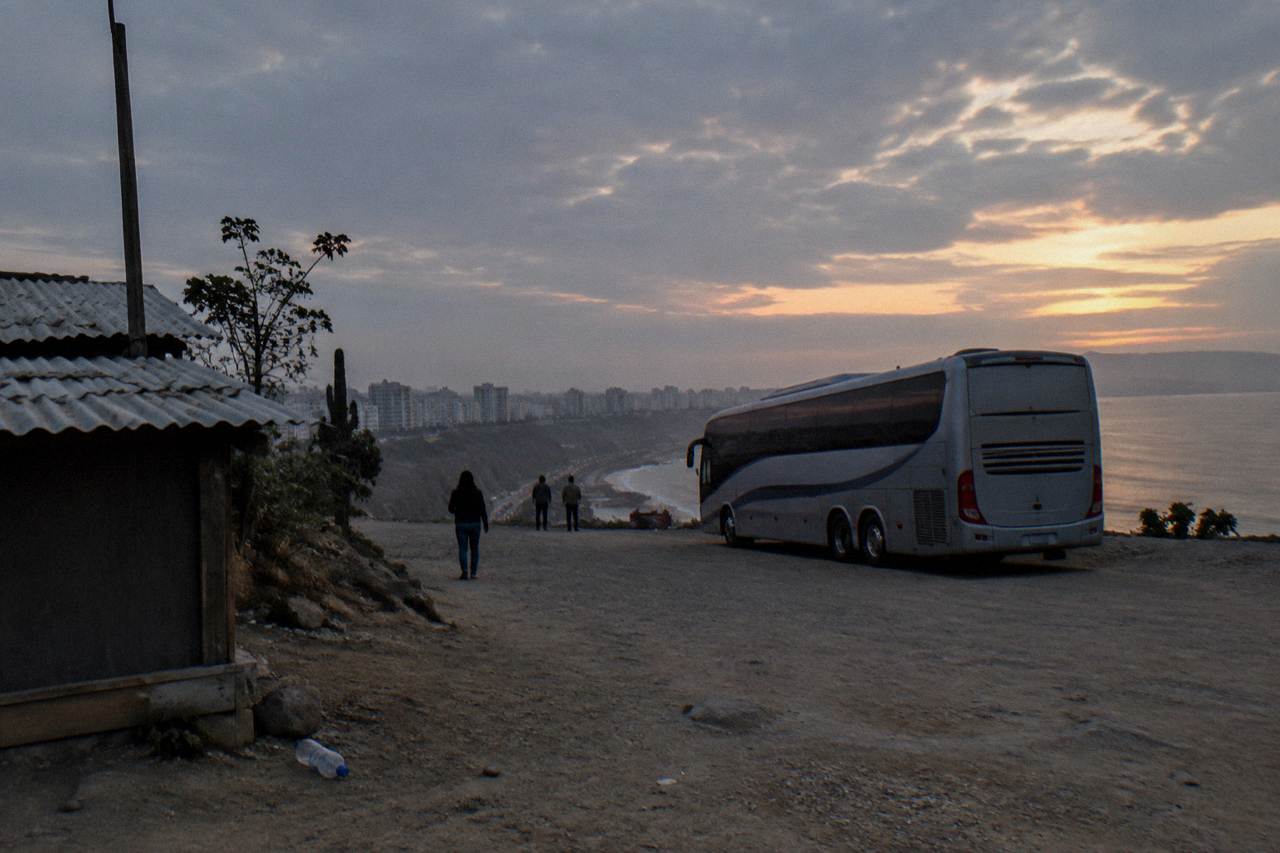
A Peruvian night bus is a full-size coach with reclining seats, an onboard bathroom, tagged luggage storage and usually a light meal service, running long intercity legs of six to 24 hours where a significant stretch falls after dark. The premium companies treat it as a hotel on wheels; the bare-bones public buses treat it as a seat. Which one you hold a ticket for matters more than anything else on this page.
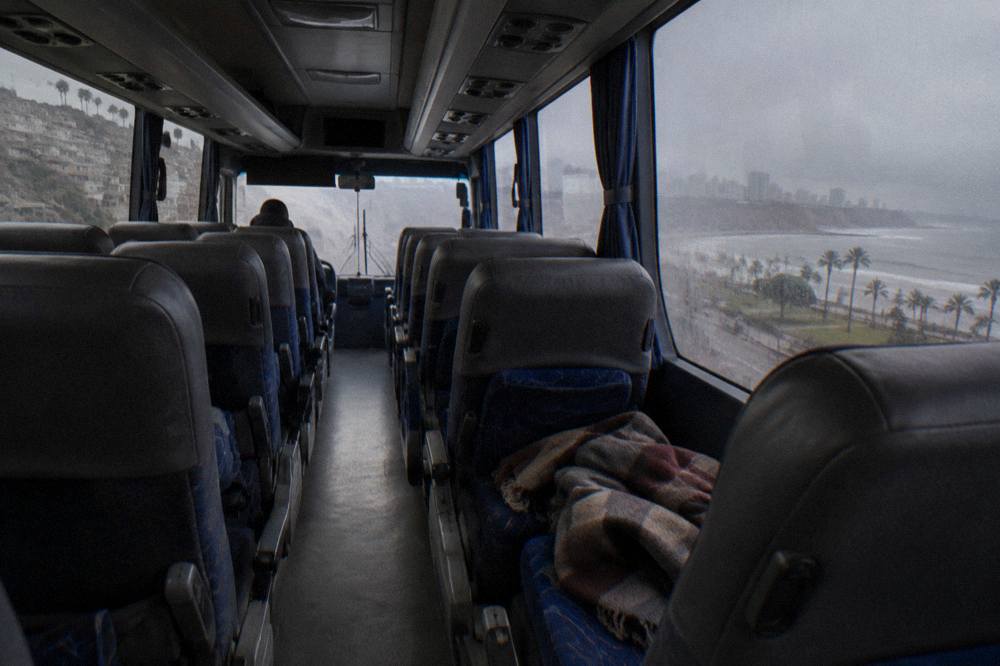
The honest baseline first: the top long-distance operators on the southern corridor are genuinely good vehicles. Cruz del Sur and Oltursa both run direct Lima-Cusco services in the 21.5 to 24 hour range with suite-class cabins, and Peru Hop runs hop-on hop-off legs with reclining semi-cama seats, wifi, USB charging and an onboard bathroom, with a few reviewers noting the wifi and USB ports can be inconsistent. A blanket is provided per passenger on Peru Hop buses, and the climate-control system keeps the cabin at a steady temperature, which matters more than it sounds once the route climbs toward Puno at 3,827 meters, where overnight temperatures drop hard.
The lower tier is a different vehicle entirely. Informal combis and colectivos, and many economy public buses, often have no climate control at all, and the UK Foreign Office is blunt about the category: "Bus crashes are common, especially at night. Only use reputable transport companies, and where possible, avoid overnight travel, especially in mountainous and remote regions." That advice, which the US State Department echoes on its own Peru page, is not a reason to skip night buses on the main southern corridor. It is a reason to skip the cheapest ticket in the terminal.
For a fuller operator-by-operator breakdown, see the companion Peru bus companies compared guide, and for the door-to-door question specifically, the Peru Hop versus Cruz del Sur comparison covers how the two products actually differ.
How Safe Are Overnight Buses In Peru?
On the major tourist corridors, with the major companies, overnight buses are considered safe enough that US government employees are permitted to ride commercial buses at night on the Lima-Arequipa-Cusco corridor. The US State Department rates Peru Level 2 overall and warns broadly about night road travel, while explicitly allowing its own staff night buses on that corridor. The brand-name night bus on the southern route is a different risk class from a rural colectivo.
The official language is worth reading directly. The US State Department advisory for Peru states that demonstrations can shut down roads and highways without warning, and that its employees are prohibited from nighttime driving except on specific corridors, including the Lima-Arequipa-Cusco route, where they may also use commercial bus companies. The UK FCDO travel advice for Peru carries the same sentence about bus crashes. Both advisories point to the same practical rule: reputable company, main corridor, and you are inside the tolerated risk envelope.
Peru Hop itself lists air-conditioned buses, trained guides, hotel pickups and driver safety standards; other operator claims are harder to pin down. Verified: Peru Hop buses pick up and drop off at your hotel or hostel in participating locations, so you skip the bus terminal with your bags, and a bilingual English and Spanish host rides every bus. Peru Hop states that its buses carry GPS tracking, two drivers on long legs, and enforced speed limits; those are operator claims, not independently audited statistics, and this site reports them as such. No official MTC or SUTRAN crash statistic is quoted here, because none has been published.
The remaining safety questions, including current strike and blockade conditions, have their own section further down. For traveler health on the same roads, the altitude sickness on the bus routes guide covers what the climb to 3,827 meters at Puno does to a sleeping body.
Which Seat Class Should You Book?
Book the most reclining seat class available, on the upper deck if the option exists, one row behind the front of the cabin: full-flat suite or cama seats sell out first and are the single biggest predictor of whether you sleep. Semi-cama reclines partway and is fine for legs under eight hours; on the 21.5 to 24 hour Lima-Cusco run, anything less than a flat or near-flat seat turns the night into endurance. Budget roughly the difference as the price of a hotel night you are not paying for.
The class ladder on the southern corridor is consistent across the major companies even when the marketing names differ. The table below is a planning guide to what each class means in practice; exact fares live on each operator's listing, and this site does not print numbers it has not verified.
| Seat class | What it is | Best for | Watch out for |
|---|---|---|---|
| Suite or full cama | Near-flat or fully flat bed seat, often downstairs or front upper deck | The 21.5-24h Lima-Cusco run, the 9-10h Nazca-Arequipa leg | Sells out first; book days ahead |
| Semi-cama | Wide reclining seat, roughly 140 degrees of lean | Legs of 3-8 hours, coastal stretches like Lima-Paracas | Not enough lean to truly sleep through the Andes |
| Economy public bus | Basic seat, no climate control on many units | Locals and the tightest budgets | The category the FCDO warning targets |
Peru Hop buses come with reclining semi-cama seats, wifi, USB charging and an onboard bathroom, and a blanket per passenger, so on that service the class question is fixed rather than chosen: you pick the seat number and the departure, not the tier. Passes are valid up to one year from first use, and you can change a bus time in the app up to 12 hours before departure, subject to availability. That flexibility is the actual product: a traveler who books a direct suite seat and then wants an extra day in Paracas has to rebuy a ticket, while a pass holder changes the date in an app.
Only two of the corridor's legs genuinely need to be overnight at all: the direct Lima-Cusco run at 21.5-24 hours and the 9-10 hour Nazca-Arequipa stretch. Everything south of Arequipa is short enough, at roughly 6-7 hours to Puno and 8-10 hours Puno to Cusco, that daytime departures exist and are usually the better choice.
Where Do Overnight Buses Run On The Lima-Cusco Corridor?
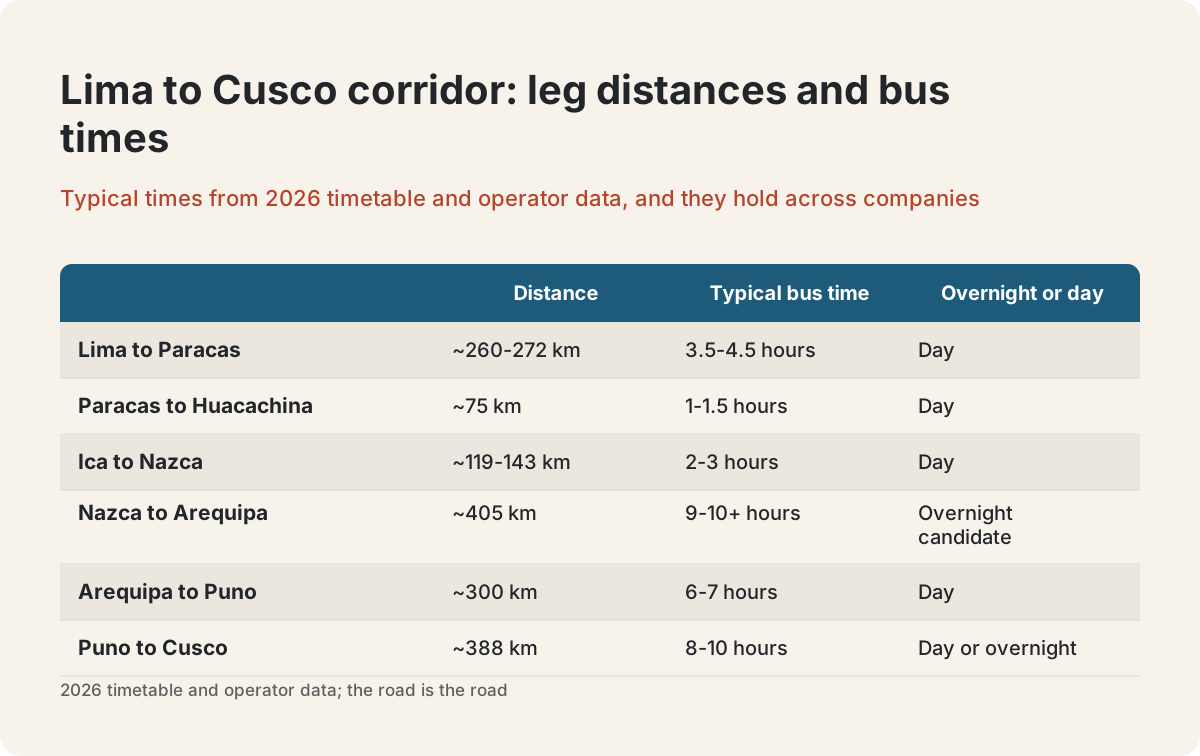
The corridor's realistic overnight legs are Lima to Cusco direct at 21.5 to 24 hours, and Nazca to Arequipa at roughly 9 to 10 hours over about 405 km. The shorter legs, Lima-Paracas at 3.5 to 4.5 hours and Paracas-Huacachina at about one hour, are day trips by design; forcing them into an overnight plan wastes the stops that make the route worth busing in the first place.
The distances and typical times below come from 2026 timetable and operator data, and they hold across companies: the road is the road.
| Leg | Distance | Typical bus time | Overnight or day |
|---|---|---|---|
| Lima to Paracas | ~260-272 km | 3.5-4.5 hours | Day |
| Paracas to Huacachina | ~75 km | 1-1.5 hours | Day |
| Ica to Nazca | ~119-143 km | 2-3 hours | Day |
| Nazca to Arequipa | ~405 km | 9-10+ hours | Overnight candidate |
| Arequipa to Puno | ~300 km | 6-7 hours | Day |
| Puno to Cusco | ~388 km | 8-10 hours | Day or overnight |
The pattern that falls out of that table is the reason hop-on hop-off exists. The corridor is not one journey; it is six short journeys with world-class stops between them: the Ballestas Islands and Paracas Reserve, the Huacachina oasis at roughly 368-404 meters, the Nazca Lines overflights, Arequipa at a sleep-friendly 2,335 meters, the Colca Canyon condor viewpoints above 3,270 meters, and Lake Titicaca at 3,812 meters. A traveler who rides it in one 24-hour pull sees none of that in daylight. A traveler who breaks it into legs spends the nights in beds, not seats, and the days on the road.
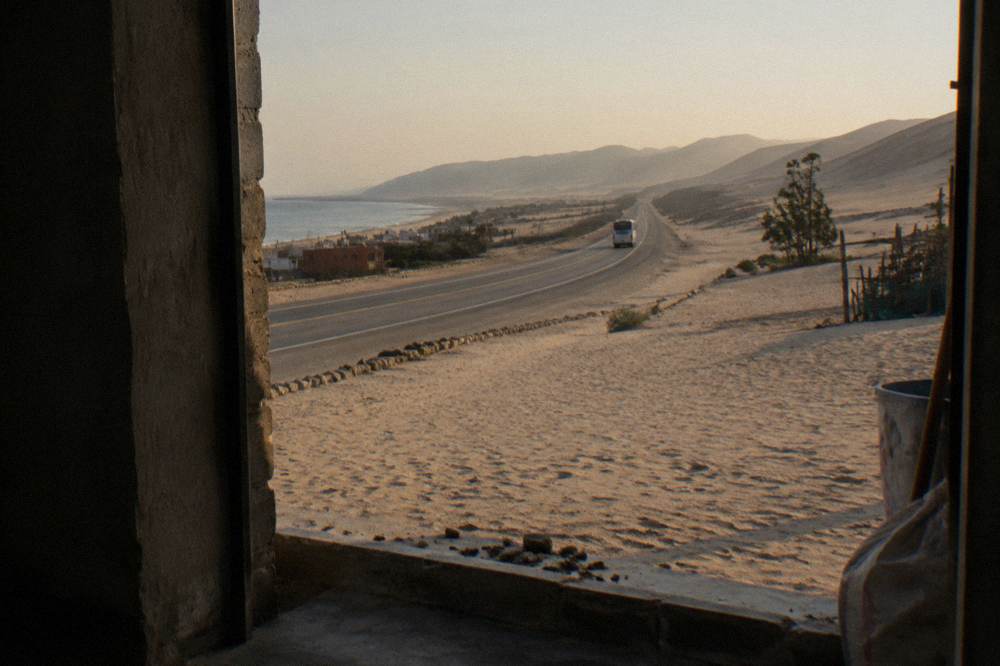
If the coast section is the part you most want, the premium day-trip option covers Paracas and Huacachina from Lima with a sunset toast, roughly 16 hours door to door, from $119, rated 4.8 from 2,636 reviews, with free cancellation: see the Paracas and Huacachina premium day trip. For travelers with less budget on that same day, a lower-priced premium version of the same itinerary starts from $67 and carries a 4.9 from 9,650 reviews, with free cancellation as well.
The Colca leg has its own wrinkle worth knowing. Rather than the direct Arequipa-Puno run, many travelers take a Chivay and Colca Canyon stop first, then continue north; the "Colca To Puno, Scenic Stops" bus covers that connection in about 6.5 hours from $41.03, rated 4.7 from 88 reviews, with free cancellation.
Booking that scenic connection ahead matters more than booking the trunk-route legs: seats on the Chivay to Puno run are fewer than on the big Lima departures, and dry-season dates fill first. The same logic applies to the coast day trips, since a single missed departure can cost the whole stop on a tight itinerary. Every product named on this page with free cancellation can be locked early and adjusted later, which is the right posture on a corridor where both weather and protests move schedules.
How Do You Actually Sleep On A Peruvian Night Bus?
You sleep on a Peruvian night bus the same way you sleep anywhere loud, bright and cold: flat or near-flat seat, layers against the Andean chill, earplugs and an eye mask against announcements and cabin lights, a light dinner beforehand, and no alcohol, because dehydration and altitude compound each other at Cusco's 3,399 meters. Travelers who treat the bus as a hotel night arrive functional; travelers who treat it as a party arrive sick.
The altitude math is the part first-timers underestimate. Lima sits at 79 meters in Miraflores; Cusco sits at 3,399 meters; Puno at 3,827 meters. A night bus from the coast can take you from 79 meters to Puno's 3,827, or Cusco's 3,399, by morning, and standard acclimatization guidance says gradual ascent, rest on arrival, hydration, light meals and no alcohol. A common route strategy uses Arequipa's 2,335 meters as an acclimatization night before continuing to Puno, rather than sleeping through the whole climb in one leg. If your trip allows an extra night, taking it in Arequipa is the single kindest thing you can do to your body on this corridor.
The onboard realities: the bathroom exists but is a bus bathroom, so use the longer terminal stops; the climate control works, but cabins run cold at altitude and the blanket per passenger on Peru Hop is not decorative; luggage is tagged and stored in the under-bus hold, with a standard suitcase plus one carry-on daypack being the practical norm, and no strict published weight limit on the hop-on hop-off service. Keep medication, documents, water and warm layers in the daypack, because the hold does not open at every stop.
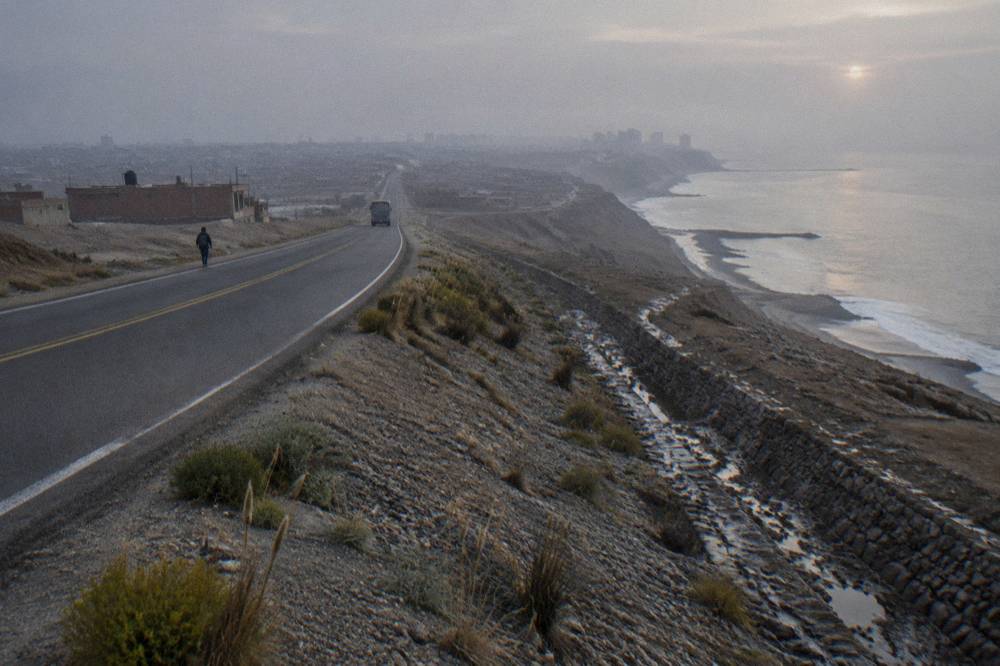
One alternative worth weighing on the Puno-Cusco leg: swap the overnight entirely for the daytime scenic run. The "Route Of The Sun, Buffet Lunch" service does Puno to Cusco in about 11 hours, 6:10am to 5:30pm, with cultural stops and lunch included, from $50, rated 4.7 from 633 reviews, with free cancellation. You trade a hotel night for a seat day and see the altiplano in daylight instead of pitch black.
What Should You Pack In Your Overnight Bus Bag?
Pack the night bus bag like a cabin-bag version of a sleep kit: warm layers, a blanket supplement if you run cold, earplugs and an eye mask, toiletries and a toothbrush, medication and documents kept on your body, a filled water bottle, snacks for stops that are longer than promised, and a phone battery bank, since USB charging is present but, as reviewers note, not always reliable. Nothing valuable goes in the checked hold bag.
The table below is the site's standard kit, built from the corridor's verified conditions rather than generic packing advice.
| Item | Why it earns its space |
|---|---|
| Warm layer and socks | Cabins run cold at altitude; overnight lows above 3,800 m are real |
| Earplugs and eye mask | Announcements, other passengers, cabin lights |
| Battery bank | USB ports exist on premium buses but reviewer reports flag inconsistency |
| Water bottle | Hydration is the main altitude countermeasure; fill at terminals |
| Snacks | The 21.5-24h run has long gaps between real meal stops |
| Documents and cash on body | Hold luggage does not open mid-route; border and terminal stops want originals |
| Toothbrush and toiletries | You arrive in Cusco at walking-into-a-hotel o'clock |
Two corridors-specific notes. If your route continues into Bolivia, the Puno to Copacabana leg runs about 140-155 km through the Kasani border, typically 3-4 hours door to door with 30-90 minutes of formalities, and border posts close at night, roughly 07:30-18:00 on the Peru side. And as of December 1, 2025, US, UK, EU, Canadian and Australian tourists are visa-free for Bolivia for up to 90 days, with a free SIGEMIG online pre-registration required; the old US $160 reciprocity fee no longer applies. The Peru and Bolivia itinerary guide covers the full overland sequence.
Peru Hop Or A Direct Bus Line For Overnight Legs?
Peru Hop wins on convenience: hotel pickup and drop-off, a bilingual host on every bus, and app-based date changes up to 12 hours before departure. The direct lines, Cruz del Sur and Oltursa, win on price for a single long seat and on nonstop speed. The trade is that a hop-on hop-off pass costs more than a bare direct seat before you count the taxis and tours it eliminates, and some legs run long or overnight.
The verified product facts, in Peru Hop's own reporting: the operator reports 395,000-plus passengers carried and cites roughly 19,000 TripAdvisor, 8,000-plus Google and 1,500-plus Trustpilot reviews; current TripAdvisor shows about 20,295 reviews at 4.8 out of 5. Recent reviews are direct about both sides of the experience. One September 2026 guest review calls the full south route "a great way to get around Peru" that "made planning a full trip round the country so much easier," while noting some journeys "felt very long." Another from the same month describes an eight-day Lima to Cusco run as "very fast-paced, but very fun." That is the product in two sentences.
Considering the hop-on hop-off pass for the overnight legs? Peru Hop picks up and drops off at your hotel in participating locations, so you skip the terminals with your bags, and passes are valid up to one year with app-based date changes up to 12 hours before departure.
For travelers whose plan is genuinely just one seat from Lima to Cusco with no stops, the direct lines are the cheaper and faster answer, and a bare seat on a budget aggregator such as Busbud's Lima to Cusco timetable will undercut any pass. The pass pays off exactly when the corridor's stops are the point of the trip: Paracas, Huacachina, Nazca, Arequipa, Colca, Titicaca. For the deeper cost breakdown, see the companion how much does Peru Hop cost blog post and the Is Peru Hop worth it review.
What About Strikes, Blockades And Weather Delays?
Peru's roads occasionally see strikes, protests and blockades that close highways with little warning, and official advice is to use reputable companies and never attempt to pass a blockade. Verified research found no specific corridor route change or sustained 2026 disruption on the Lima-Cusco tourist route, and operators monitor SUTRAN alerts with reroutes and refunds where needed, so the practical protection is booking a company with a refund policy rather than a cheaper one without.
The State Department's language is the clearest statement of the risk: "Demonstrations can shut down local roads, trains, and major highways. This often happens without warning or clear information on reopening times." The FCDO adds a behavioral rule that matters in the moment: do not attempt to pass a blockade. Operators on the corridor monitor official alerts and have published reroute and refund processes for protest days, which is one of the quiet arguments for the brand-name tier over the terminal's cheapest window.
Weather is the other overnight variable, and it is seasonal rather than political. Rainy season runs roughly November to March, when afternoon cloud and storms over the mountains delay high-altitude legs, and the altiplano above 4,000 meters can see snow and wind alerts in the colder months; a late-September 2026 weather alert covered exactly that Puno highland zone. Dry season, May to October, is the reliable window, and it lines up with peak season, so book long overnight legs further ahead in those months.
What Should You Do The Morning You Arrive In Cusco?
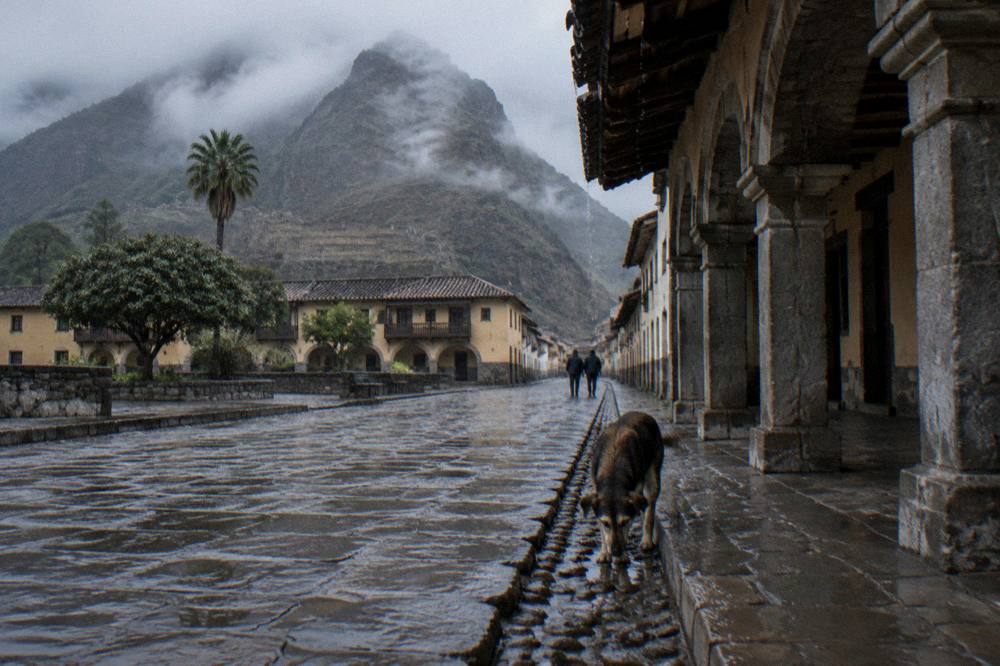
Arrive slow: eat light, walk slowly, skip alcohol and skip the first-day workout, because Cusco sits at 3,399 meters and your body spent the night climbing. Book nothing strenuous for the arrival morning, keep the day for the city, and move the Machu Picchu leg to day two or three. Travelers who schedule a citadel tour for the arrival morning are the ones who spend it in a pharmacy instead.
The onward logistics from Cusco are short: Ollantaytambo train station is roughly 62-72 km away, one to 1.5 hours by road, and the train from there to Aguas Calientes takes about 1.5 hours. The most booked single product for the next stage is the full-day group tour from Cusco, which handles the bus to Ollantaytambo, the train, the connection and a guided citadel tour in one 12-hour package, from $332, rated 4.7 from 2,307 reviews; note it carries no standard free-cancellation policy, so it is the one booking on this page to make only when the itinerary is locked. The Vistadome train alternative runs about 16 hours from $419 with a 5.0 rating from 317 reviews and free cancellation.
Machu Picchu itself sits at 2,430 meters, lower than Cusco, so the altitude pressure eases after the first night, and daily entry capacity runs 4,500 in regular season, rising to 5,600 on specific high-season dates, with timed hourly entry windows and tickets primarily sold through the official Ministry of Culture portal. Up to 1,000 in-person tickets per day remain available in Aguas Calientes for travelers who plan late. The Cusco to Machu Picchu train guide covers the full connection.
The last practical arrival note: Cusco's Alejandro Velasco Astete airport remains the city's operational airport, with the new Chinchero International Airport at roughly 40 percent construction progress and targeted for late 2027 or 2028 at the earliest. Nothing about flying into Cusco changes in this planning window.
Is An Overnight Bus In Peru Worth It Compared With Flying?
For the single question of Lima to Cusco, flying wins outright: the direct flight takes about 1 hour 20 minutes against 21.5 to 24 hours by road. The overnight bus earns its place only when the corridor's stops, Paracas, Huacachina, Nazca, Arequipa, Colca, Titicaca, are part of the trip, because a flight skips all of them and the bus is the trip. Decide what you are buying: the destination, or the route.
The honest accounting looks like this. A flight from Lima to Cusco covers roughly 584-587 km in the air in about 1 hour 20 minutes on LATAM, JetSMART or Sky Airline, all of which fly the route nonstop with LATAM at the highest frequency. The bus takes a full day or more but delivers you into the middle of the six-stop corridor, and the corridor is where the country's most-visited coast and altiplano sights live. Travelers with two weeks or fewer and a Machu Picchu-first agenda should fly and be done. Travelers with the time, or with a route like Lima to La Paz in mind, are buying the right product on the bus.
The full comparison, including the fog and delay patterns at Cusco's high-elevation airport, is in the Lima to Cusco flight versus bus guide, and the broader safety picture for all Peruvian road travel is in is Peru bus travel safe.
Common Questions About Overnight Buses In Peru
Are overnight buses in Peru safe?
On the major southern corridor with brand-name companies, yes, to the point that US government employees are permitted to ride commercial buses at night on the Lima-Arequipa-Cusco route. The US State Department and UK FCDO both warn that bus crashes are common at night and advise reputable companies only, so the tier of the ticket, not the existence of the ticket, is the safety decision.
Which seat should I choose on an overnight bus?
The most reclining class available, ideally a near-flat suite or cama seat, on the upper deck one row behind the front. Semi-cama is fine under eight hours but not enough to genuinely sleep on the 21.5 to 24 hour Lima-Cusco run.
Do overnight buses in Peru have bathrooms?
The premium long-distance services do, including Peru Hop, alongside reclining semi-cama seats, wifi, USB charging and a blanket per passenger. Reviewer reports note the wifi and USB ports can be inconsistent, so carry a battery bank.
How long is the overnight bus from Lima to Cusco?
Roughly 21.5 to 24 hours on direct Cruz del Sur or Oltursa services. Most travelers split the route instead, overnighting in Paracas, Huacachina, Nazca or Arequipa, since only the Nazca-Arequipa leg of roughly 9 to 10 hours truly needs darkness.
Can you sleep on a Peruvian night bus?
Yes, in a suite or cama seat, with earplugs, an eye mask and warm layers. Skip alcohol and eat light, because the route can climb past 3,800 meters overnight and dehydration compounds altitude symptoms on arrival.
Is Peru Hop a good option for overnight legs?
For travelers doing multiple stops, yes: hotel pickup and drop-off, a bilingual host on every bus, and app-based date changes up to 12 hours before departure. It costs more than a bare direct seat before counting the taxis and terminal time it eliminates, and some legs run long, so a single-seat traveler is better on a direct line.