How Much Does Peru Hop Cost
A clear breakdown of Peru Hop pass pricing on the Lima to Cusco route: what the pass includes, what costs extra, and how it compares with direct buses and day tours.
How Much Does Peru Hop Cost
Peru Hop sells passes, not single tickets, so there is no one printed fare on this site to quote: the operator prices each pass by route and season on its own pass page, and this site does not list a figure. What is verifiable is the structure: one payment covers every bus leg you hop along your chosen route, hotel pickup and drop-off, and an onboard host, while tours, meals, and entry fees are booked separately.
The reason the question is hard to answer with a single number is that Peru Hop works on a hop-on-hop-off model. You buy a pass for a corridor, for example Lima down the coast through Paracas, Huacachina, Nazca, and Arequipa to Puno and Cusco, and you decide how many days to spend in each stop. The same pass can carry one traveler over ten days and another over four weeks, which is why comparing it to a single bus fare misses the point. The pass price lives on the operator's live pass page, and this site deliberately does not print it because it moves with season and demand.
That said, the cost question is answerable in a more useful way: what the pass covers, what it does not, and how the pieces stack up against the alternatives you could book instead. On this route the main alternatives are a direct long-distance bus seat, a one-way coach ticket to a single stop such as Paracas, a booked day tour, and the site's own bookable tour products that cover the same ground. This article breaks each of those down with the figures this site has verified.
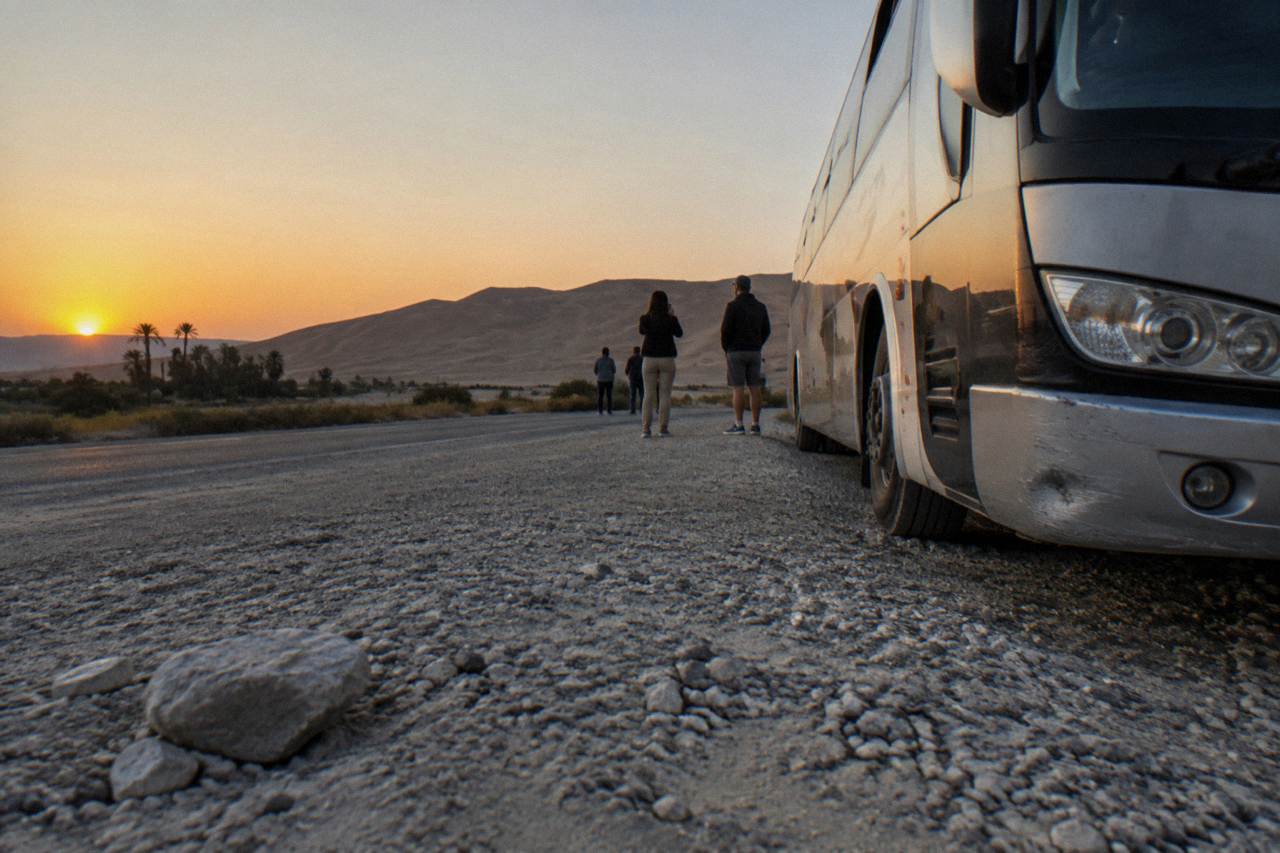
Peru Hop runs buses along the full Lima to Cusco corridor with hotel pickups, a bilingual English and Spanish host on every bus, and a climate-control system rather than the open windows of many informal combis and colectivos. The trade-off is price: a pass costs more than a bare Cruz del Sur or Oltursa seat before you total in taxis to terminals, luggage handling, and the stops in between. For a fuller verdict on the service itself, the companion piece is Peru Hop worth it weighs the value question stop by stop.
What Does The Pass Payment Actually Cover?
The pass covers the bus travel itself: every leg of your chosen route, hotel or hostel pickup and drop-off in participating locations so you skip the terminal with your bags, a bilingual host on board, a blanket per passenger, and passes valid up to one year from first use with date changes in the app up to 12 hours before departure. It does not cover tours, Ballestas Islands or Nazca flights, meals, hotel nights, or site entry fees.
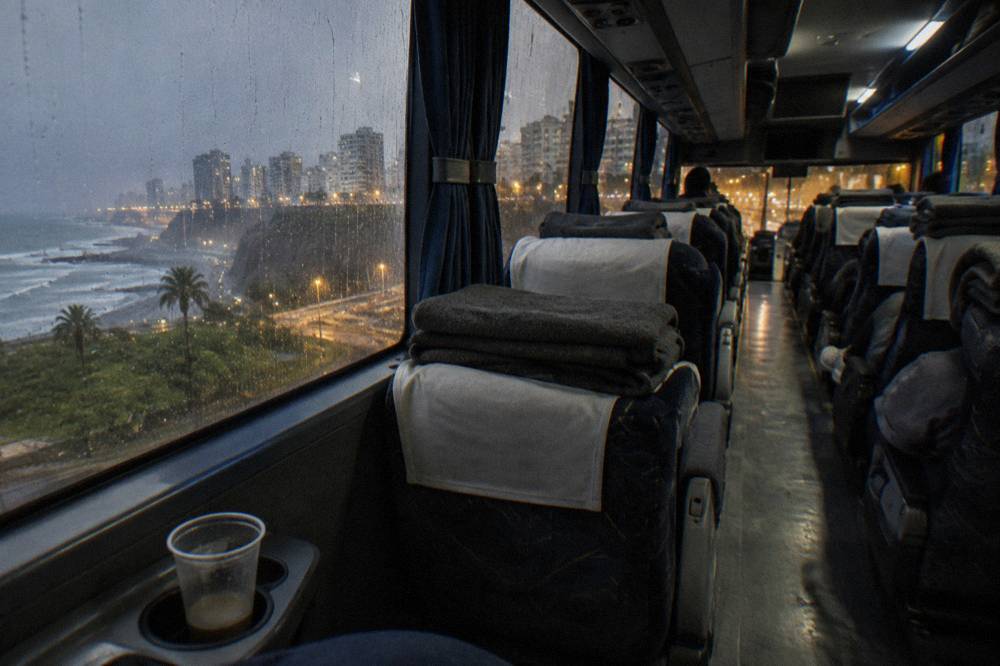
That inclusion list is the core of what you are paying for. The hotel pickup mechanic alone changes the daily rhythm: instead of hauling a suitcase to a terminal like Javier Prado in Lima and back out the other end, the bus collects you at the door and drops you at the door in each stop. A bilingual local host rides every bus, handles boarding and questions, and sells the optional excursions at each stop. Buses come with wifi, USB charging, an onboard bathroom, and reclining semi-cama seats, though a few reviewers note the wifi and USB can be inconsistent on some legs.
The one-year validity is the quiet headline. You can buy a pass, start it in Lima, and if your plans stretch from two weeks into two months, the remaining legs stay live. Date changes happen in the app up to 12 hours before departure, subject to availability, which matters in high season when seats fill. Peru Hop reports 395,000+ passengers carried and roughly 19,000 TripAdvisor, 8,000+ Google, and 1,500+ Trustpilot reviews, with current TripAdvisor showing about 20,295 reviews at 4.8/5.
What sits outside the pass is where budgets actually blow up. The optional tours at each stop, from Ballestas Islands boats to sandboarding in Huacachina, are sold separately. So are the Nazca overflights, which on this site's verified roster run from $249 for the 35-minute Flight Tour Nazca Lines from Ica or Huacachina, rated 4.7 from 4 reviews. The pass buys the movement, not the experiences, and travelers who expect all-inclusive pricing are the ones who feel misled.
If you would rather lock one showcase stop into a single booked day instead of managing hops, the "Premium Day Trip, Sunset Toast" from Lima covers Paracas and Huacachina in about 16 hours, from $119, rated 4.8 from 2,636 reviews, Check availability. The same route from a different operator, the "Premium Day Trip, Peru Hop Run," runs from $67 and carries a 4.9 rating from 9,650 reviews.
How Does The Total Compare With Direct Buses And Tours?
A pass costs more than a direct Lima to Cusco bus seat, roughly the same as booking each coastal stop's day tours separately, and less than flying plus rebooking ground legs at each stop. The honest math depends on how many stops you want: three or fewer, a mix of one-way tickets and booked day tours usually wins; four or more stops with flexible dates tilts toward the pass.
The direct-seat comparison is the one most price-checkers run first. Cruz del Sur and Oltursa both run Lima to Cusco services in roughly 21.5 to 24 hours, and the premium lines share many of the same comfort features: air conditioning, reclining seats, and onboard bathrooms. The UK FCDO's advice for Peru is blunt on night travel: "Bus crashes are common, especially at night. Only use reputable transport companies, and where possible, avoid overnight travel, especially in mountainous and remote regions." Direct Lima to Cusco buses are almost all overnight runs, while hop-on-hop-off travel breaks the corridor into daytime legs, which is a genuine part of what the pass payment buys. The US State Department's September 2026 advisory likewise notes that demonstrations "can shut down local roads, trains, and major highways" often "without warning or clear information on reopening times," and a pass operator that monitors SUTRAN alerts and reroutes or refunds is one way travelers hand that risk off.
For a single short hop, the cheapest verified alternative on this site's roster is the "Direct Bus, One Way" from Lima's Miraflores to Paracas, from $19, roughly 3 hours, rated 4.2 from 53 reviews with free cancellation. That is the bare-seat benchmark: if you want one coastal stop and nothing else, a pass is not the right product. The current US travel advisory for Peru is worth reading before any long bus leg, whatever you book.
The table below shows how the site's verified, bookable alternatives price out against the corridor. Each figure is firm from the operator's live listing, and each product solves a different slice of the same journey.
| Product | Decision name | Price | Rating | Duration |
|---|---|---|---|---|
| Lima to Paracas one-way bus | Direct Bus, One Way | from $19 | 4.2 from 53 reviews | ~3 hours |
| Paracas and Huacachina day trip (Peru Hop run) | Premium Day Trip, Peru Hop Run | from $67 | 4.9 from 9,650 reviews | 16-18 hours |
| Paracas and Huacachina day trip | Premium Day Trip, Sunset Toast | from $119 | 4.8 from 2,636 reviews | ~16 hours |
| Nazca Lines overflight | Nazca Overflight From Ica | from $249 | 4.7 from 4 reviews | 35-minute flight |
| Colca Canyon to Puno tourist bus | Colca To Puno, Scenic Stops | from $41.03 | 4.7 from 88 reviews | ~6.5 hours |
| Cusco to Puno scenic bus | Route Of The Sun, Buffet Lunch | from $50 | 4.7 from 633 reviews | ~11 hours |
| Full-day Machu Picchu group tour | Full-Day Group Tour | from $332 | 4.7 from 2,307 reviews | 12 hours |
One pattern jumps out of that table: the experiences dwarf the transport. The Machu Picchu group day tour from Cusco costs from $332, and the "Full-Day Vistadome Train" version from $419 with a perfect 5.0 from 317 reviews. Against figures like those, the difference between a hop-on-hop-off pass and a chain of direct bus seats is a rounding error on the total trip budget. That is why the cost question is better asked as: where does the transport money go, and what does it save you from managing?
Where Does The Extra Money Go?
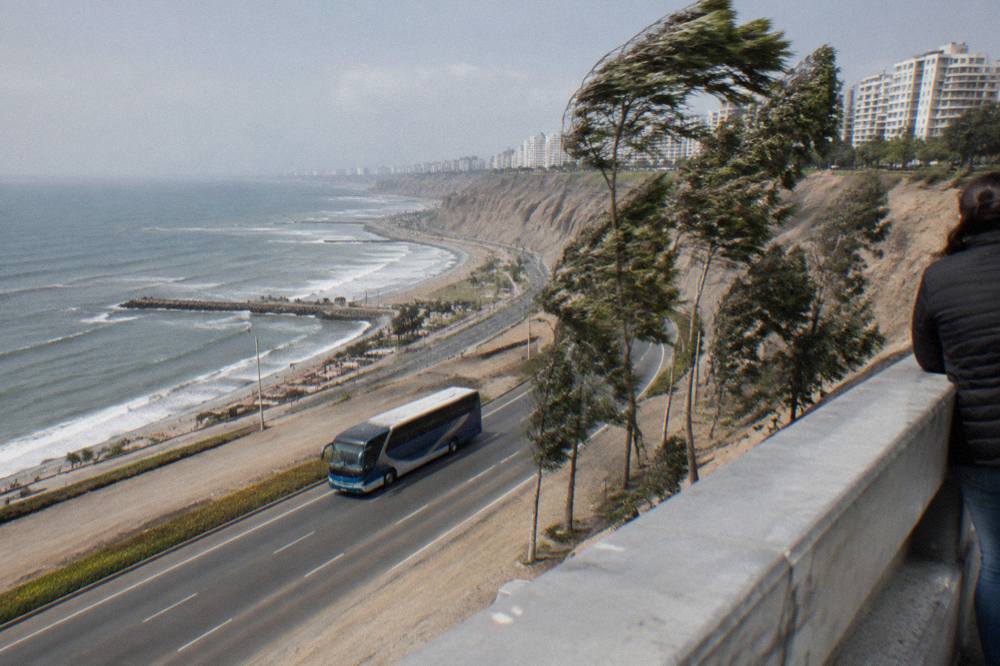
The premium over a bare seat buys hotel pickup and drop-off, a bilingual host, daytime scheduling on a corridor where governments advise against overnight travel, flexible one-year passes with app changes, and a support line when roads close. It does not buy a faster trip: multi-stop itineraries take longer than a direct run, and some legs run long or into the evening.
Start with the terminals. Every conventional bus leg in Peru starts and ends at a terminal, and every terminal in Lima, Paracas, Ica, and Arequipa sits some distance from where tourists actually sleep. Add two taxi fares per hop, plus luggage handling, plus the time, and the gap between a pass and a chain of direct seats narrows faster than most spreadsheets expect. Peru Hop picks up and drops off at your hotel or hostel in participating locations, so you skip the terminal with your bags entirely. More of these guides are collected on Lima To Cusco.
Then there is the schedule. The direct Lima to Cusco seat is an overnight ride through the highlands; the advisory language quoted above from both the US State Department and the UK FCDO recommends avoiding exactly that. Hop-on-hop-off legs are scheduled in daylight: Lima to Paracas in the morning, Huacachina to Nazca after lunch, the altiplano legs through to Puno and Cusco across daytime hours. Peru Hop states its buses run GPS tracking, two drivers on long legs, and speed-limit enforcement; those are operator claims, not independently verified statistics, and this site reports them as such.
The support line matters most when things go wrong. Roads in Peru occasionally see strikes or protests, and the advisories warn closures can happen without clear reopening information. A pass operator that monitors road alerts and issues reroutes or refunds carries that problem for you, whereas four separately booked direct tickets leave you renegotiating each one alone. The honest caveat cuts the other way too: a pass costs more than a bare Cruz del Sur or Oltursa seat before totalling in taxis and tours, and it is not the cheapest option for a traveler who just wants one direct seat from A to B. For a side-by-side on the two biggest operators, see Peru Hop versus Cruz del Sur compared, and for the service verdict, real Peru Hop reviews collects the guest sentiment.
What Extras Should You Budget Beyond The Pass?
Budget separately for excursions, entry fees, meals, and hotel nights, because none of them ride inside the pass. On this site's verified roster the big-ticket extras are the Nazca overflight from $249, the Machu Picchu full-day tour from $332, and the Vistadome train day from $419, while day tours at the coastal stops start near $67 for a combined Paracas and Huacachina trip.
The excursion list is the real second budget. At Paracas, the Ballestas Islands boat is sold as an optional add-on. At Huacachina, the dune buggies and sandboarding run on their own pricing. In Nazca, the overflights start at $249 for the 35-minute circuit from Ica or Huacachina, rated 4.7 from 4 reviews on the live listing, a price at which the flight alone can exceed everything you spend on the road. The best way to see the Nazca Lines, by air or from the tower, is a decision with its own cost attached, and it is worth making deliberately rather than at the pier.
Beyond Cusco, the pass ends. Machu Picchu is reached from Cusco by train or trek, never by the hop-on bus, so the Inca citadel budget sits entirely outside the corridor calculation. The "Full-Day Group Tour" from Cusco, from $332 at 4.7 from 2,307 reviews, bundles the bus to Ollantaytambo, the train, the citadel bus, and a guided tour into one 12-hour day. The Vistadome version from $419 with a 5.0 from 317 reviews upgrades the train leg. Getting to Ollantaytambo station itself runs from $60 for a private transfer rated 5.0 from 22 reviews. Plan the Machu Picchu money as its own line, not as an extension of the bus pass.
On the altiplano side, two of this site's roster products show what the onward legs cost when bought as standalone scenic runs. The "Colca To Puno, Scenic Stops" tourist bus from Chivay runs from $41.03 at 4.7 from 88 reviews, and the "Route Of The Sun, Buffet Lunch" from Cusco to Puno covers about 11 hours of stops and lunch for from $50 at 4.7 from 633 reviews. Either one can replace a pass leg for a traveler who only needs that single connection.
Is A Pass The Right Buy For Your Trip?
A pass is the right buy when you want three or more stops on the corridor, flexible dates, hotel pickups, and someone else managing road risk; it is the wrong buy when you want one direct seat, a fixed tight schedule, or the lowest possible fare. The decision is about how many places you are actually stopping, not about the headline pass price.
Count your stops honestly. A Lima-to-Cusco run with overnights in Paracas, Huacachina, Nazca, Arequipa, and Puno is five hops and five terminal round-trips you never take, plus a schedule you can reshuffle in the app up to 12 hours before any leg. A traveler with ten days who wants Lima, one coastal day, and Cusco is better served by one booked coast day tour plus a flight, and this site's flight versus bus comparison runs that math in detail. The pass earns its premium on itinerary length, not on comfort alone.
Timing matters too. Dry season from May to October fills the coastal stops and the Cusco end of the corridor, and the app-based date changes are subject to availability, so high-season flexibility still needs booking ahead. The altitude sequence is another quiet argument for the multi-stop approach: the pass route climbs gradually through Paracas at 2 to 3 m and Huacachina near 368 m to Arequipa at 2,335 m and Puno at 3,827 m, which is a gentler acclimatization curve than a flight straight into the altiplano.
Finally, buy where the price is real. The only place with live, current pass pricing for your dates is the operator's own pass page, not an aggregator and not a summary like this one. Peru Hop's official pass page lists the full route map, the current fares by corridor, and the booking calendar in one place, and checking it against the tour prices in the table above takes about five minutes of real comparison shopping.
For the wider question of how every mode in the country stacks up, including the flights and trains the pass does not cover, how to get around Peru maps the full picture.
Common Questions About Peru Hop Costs
How Much Does Peru Hop Cost?
Peru Hop prices passes by route and season, and this site does not publish a figure because the operator adjusts fares on its own pass page. The payment covers every bus leg on your chosen corridor, hotel pickup and drop-off, a bilingual host, and one-year pass validity with app changes up to 12 hours before departure. Tours, meals, entry fees, and hotels are extra.
What is included in a Peru Hop pass?
Every bus leg on your route, hotel or hostel pickup and drop-off in participating locations, a bilingual English and Spanish host, a blanket per passenger, wifi and USB charging with occasional variability noted by reviewers, an onboard bathroom, and reclining seats. Optional excursions at each stop, meals, and site entry fees are sold separately.
Is Peru Hop more expensive than a direct bus?
Yes. A pass costs more than a bare Cruz del Sur or Oltursa seat before you add the taxis to terminals and the add-on tours that a pass traveler often buys anyway. The premium buys daytime scheduling, hotel pickups, flexibility, and support when roads close, which a single overnight direct seat does not.
Do I have to pay for tours on top of the pass?
Yes. Ballestas Islands boats, sandboarding in Huacachina, Nazca overflights from $249, and the Machu Picchu packages from Cusco are all separate. The Machu Picchu full-day group tour runs from $332 and the Vistadome train day from $419, so budget those as their own lines rather than as extensions of the bus pass.
Can I change my travel dates after buying?
Yes. Passes stay valid up to one year from first use, and you can change a bus time in the app up to 12 hours before departure, subject to seat availability. That flexibility is part of what the pass payment covers and is worth the most in high season.