Cusco To Puno By Bus
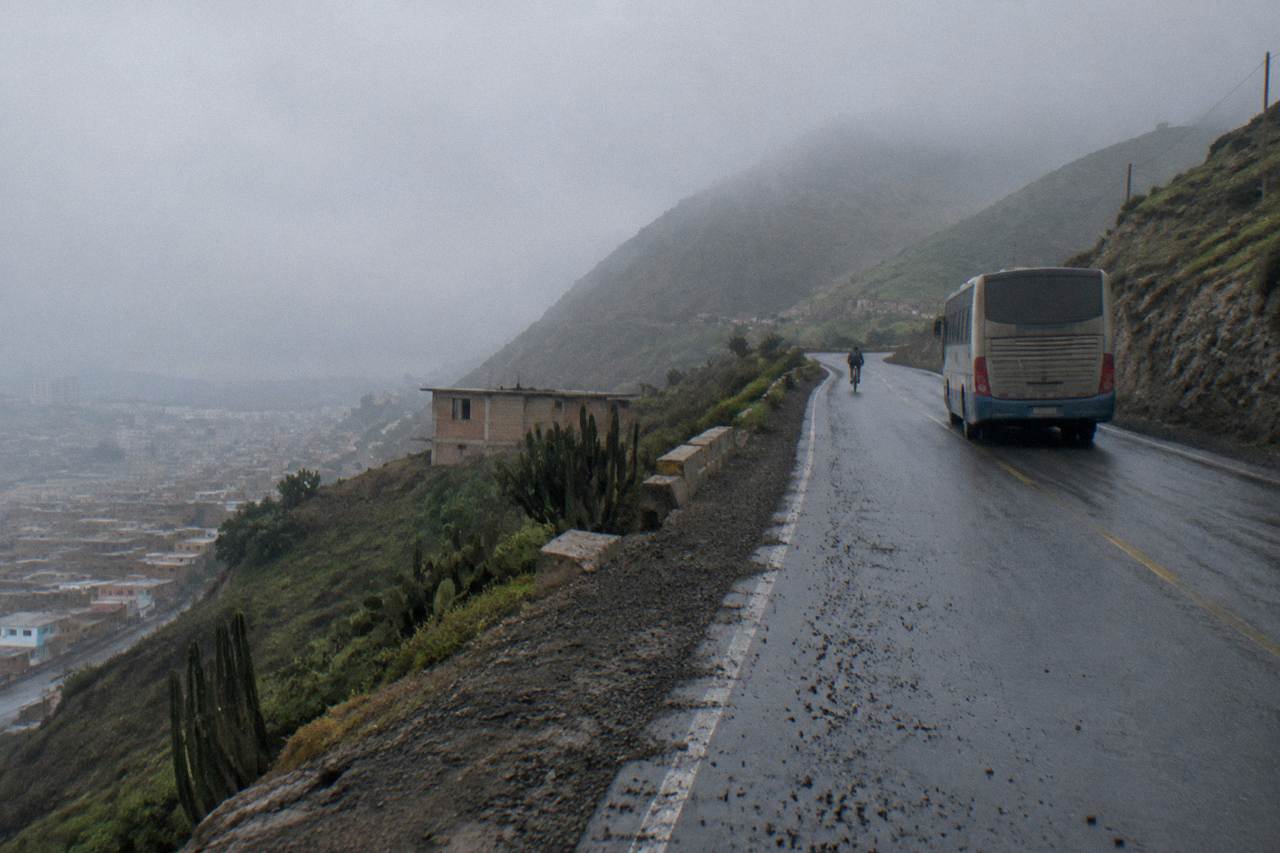
The road from Cusco to Puno climbs out of a 3,399 m Andean valley onto the open altiplano and finishes at 3,827 m on the shore of Lake Titicaca. Roughly 388 km separate the two cities, and the bus you choose decides whether that becomes a six-hour transfer or an eleven-hour sightseeing day.
Short answer
The Cusco to Puno bus covers roughly 388 km. Direct buses take about 6 to 8 hours; tourist services like the Route of the Sun run about 9 to 11 hours with cultural stops and buffet lunch. The Route of the Sun starts at $50 with free cancellation; the train alternative starts at $395.
Cusco To Puno By Bus
The Cusco to Puno run is one of the great easy wins in South American travel: two of the continent's most visited cities, connected by a single road across the high plateau. Cusco sits at 3,399 m above sea level; Puno sits at 3,827 m; between them the road crosses open grassland where the horizon sits a long way from anything. Roughly 388 km of road separate the two, and depending on which bus you book, the day can be a quick transfer or a full guided excursion with stops along the way.
How Long Is The Bus From Cusco To Puno?
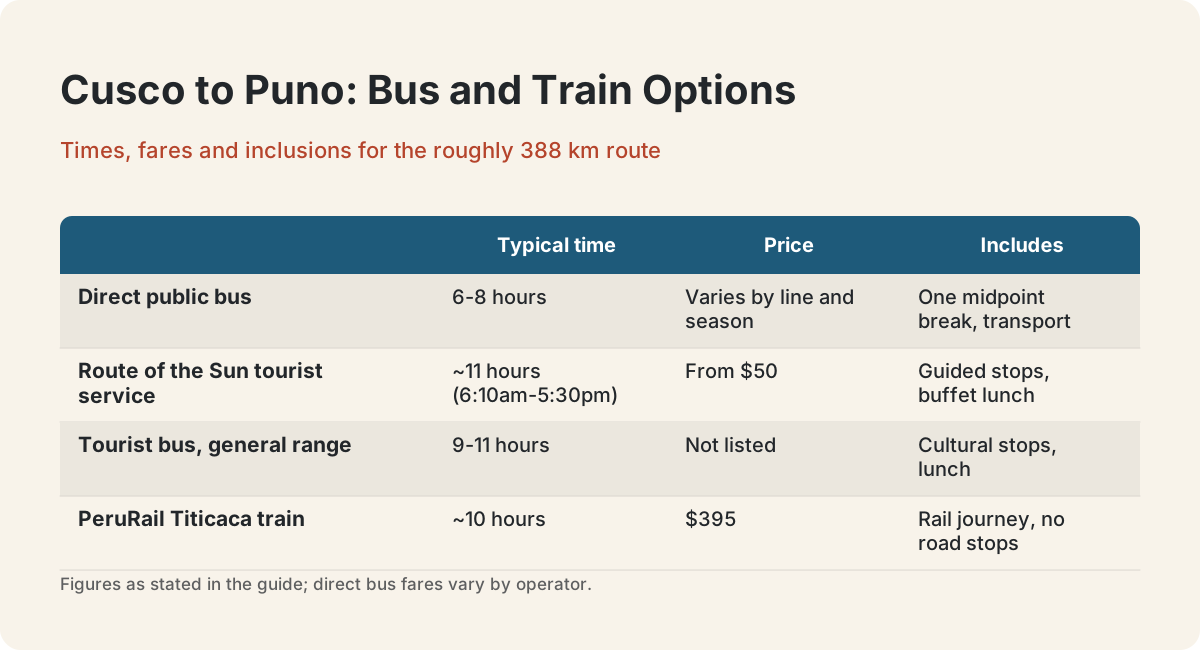
The run from Cusco to Puno covers roughly 388 km of high-altitude road. Direct public buses typically need 6 to 8 hours, and a pure drive estimate sits near 6 hours 20 minutes. Tourist services with cultural stops and buffet lunch run closer to 9 to 11 hours: the booked Route of the Sun service lists about 11 hours, departing Cusco at 6:10am and reaching Puno at 5:30pm.
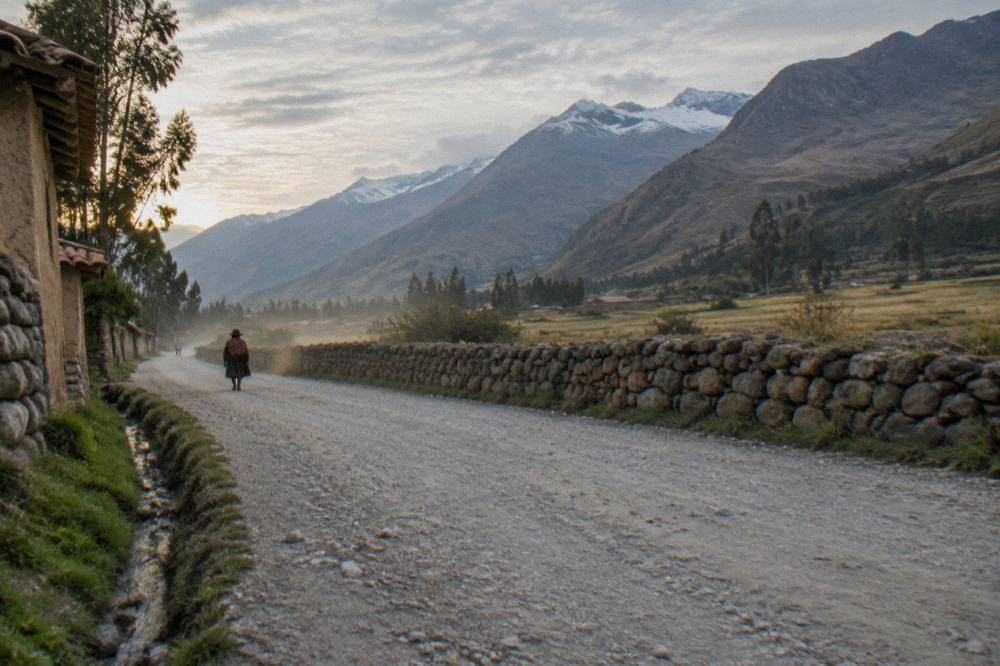
The spread between those numbers is the real decision on this route. A direct bus is a transport problem: you board in Cusco, the bus climbs, the plateau unrolls for a few hours, and you step off in Puno with the afternoon to spare. A tourist service treats the same road as an itinerary, stopping at sites along the way and feeding you lunch, and it arrives as the day is ending. Neither is wrong. Travelers with a tight Titicaca schedule usually want the direct option, and travelers treating the drive as part of the trip get more out of the slower one.
The mapping estimate of about 6 hours 20 minutes is a floor, not a promise. Real direct services spend time loading luggage in Cusco, pausing at the midpoint town of La Raya for a break, and working through Puno traffic at the far end, which is why operators land between 6 and 8 hours in practice. The tourist services are slower by design rather than by delay: stops, a guide's commentary and a sit-down lunch add hours, and the Route of the Sun's published 6:10am to 5:30pm day shows exactly what that looks like.
| Option | Distance | Typical time | What the day looks like |
|---|---|---|---|
| Direct public bus | ~388 km | 6-8 hours | One midpoint break, transport only |
| Route of the Sun tourist service | ~388 km | ~11 hours (6:10am-5:30pm) | Guided stops, buffet lunch, arrival at dusk |
| Tourist bus, general range | ~388 km | 9-11 hours | Cultural stops, photo breaks, lunch |
| PeruRail Titicaca train | rail route | ~10 hours | Full-day rail journey, no road stops |
One point worth settling early: the train is not a shortcut. It takes about 10 hours, longer than a direct bus, and costs far more. It is a different product entirely, a full-day rail experience aimed at people who want the journey itself, covered in its own section below.
Which Companies Run The Cusco To Puno Bus Route?
Three kinds of operator work this road. Premium long-distance lines such as Cruz del Sur and Oltursa and local lines run direct services. Multi-stop tourist buses branded around the Route of the Sun concept turn the drive into a guided day. Peru Hop runs the leg as part of a hop-on, hop-off pass, with hotel pickup and drop-off in participating locations.
The direct market is the plain one. Cruz del Sur and Oltursa both work the southern corridor with comfortable fleets, and several smaller Peruvian lines run the same road at lower prices. The premium long-distance lines generally run climate control on their coaches, while informal combis, colectivos and many economy public buses often do not, a distinction that matters more on this route than most: the altiplano can be hot sun through the windows in the morning and close to freezing by the afternoon.
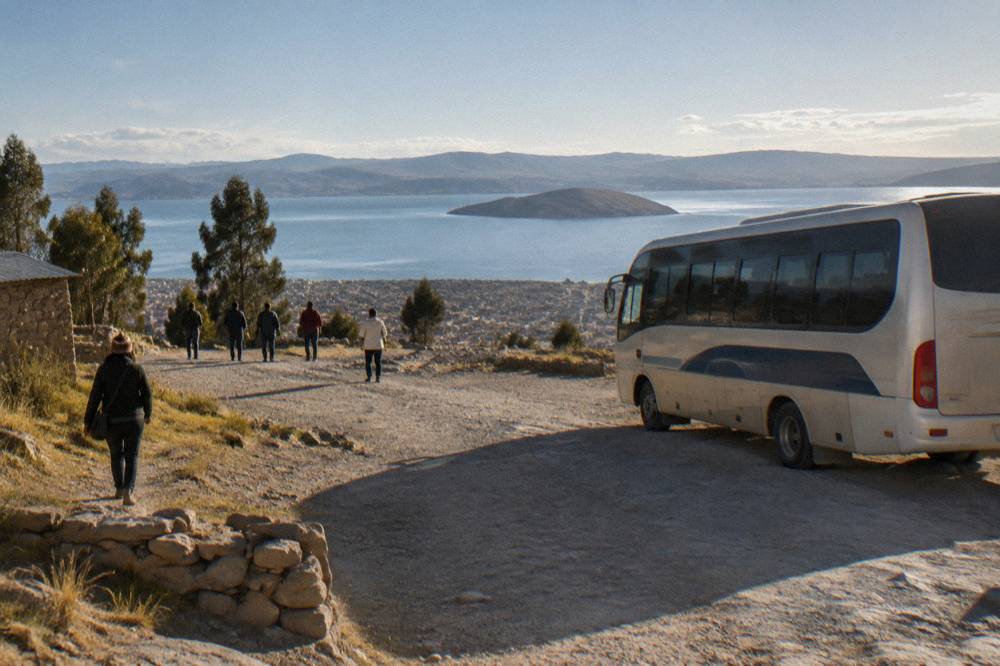
The tourist category is where this route earns its reputation. Services marketed under the Ruta del Sol or Route of the Sun name run the same 388 km but stop along the way, and the booked version of this concept, the Scenic Route of the Sun with buffet lunch, carries a 4.7 rating from 633 reviews and starts at $50. That product is covered in detail in the comparison section below.
Peru Hop sits across both worlds. It is a hop-on, hop-off pass rather than a single ticket, running the southern route with stops at Paracas, Huacachina, Arequipa, Puno and Cusco, and Peru Hop picks up and drops off at your hotel or hostel in participating locations, so you skip the bus terminal with your bags. A bilingual English/Spanish host rides every bus, the coaches run a climate-control system, and passes are valid up to one year from first use, with bus times changeable in the app up to 12 hours before departure, subject to availability.
Peru Hop: the flexible way to reach Lake Titicaca
Buses come with wifi, USB charging, an onboard bathroom and reclining semi-cama seats, though a few reviewers note the wifi and USB ports can be inconsistent. Passes cover the full southern route, so you can break the Cusco to Puno leg anywhere along the way. See Peru Hop passes and timetables
The honest trade-off is price: a Peru Hop pass costs more than a bare Cruz del Sur or Oltursa seat before you count anything else, and it is not the cheapest route for a traveler who just wants one direct seat. What you buy instead is flexibility, hotel pickup and a host who handles the logistics on every leg. For a multi-stop southern Peru itinerary, that arithmetic often works out; for a single Cusco to Puno transfer, it usually does not.
For a plain point-to-point ticket, budget and direct-ticket sellers such as Busbud's Cusco to Puno timetable let you compare the direct operators' schedules and fares in one place, which is often easier than working through each Peruvian line's own site.
Tourist Bus Or Direct Bus: Which Cusco To Puno Service Should You Book?
Book the tourist service if this is a once-only drive and you want the stops, the guide and lunch built in: the Route of the Sun costs from $50, rated 4.7 from 633 reviews, with free cancellation. Book a direct bus if you are short on days or already have a Titicaca tour booked, since the same 388 km takes barely more than half the time.
The comparison comes down to what the extra three or four hours buy you. On the Route of the Sun product, they buy guided stops at sites along the corridor, a buffet lunch, a seat on a coach built for sightseeing rather than mileage, and an arrival story instead of an arrival time. On a direct bus, they buy you an afternoon in Puno, which matters if you are connecting straight onto a Copacabana or Isla del Sol tour the next morning.
| Factor | Direct bus | Route of the Sun tourist service |
|---|---|---|
| Time | 6-8 hours | ~11 hours (6:10am-5:30pm) |
| Stops | One midpoint break | Guided cultural stops en route |
| Food | Bring your own | Buffet lunch included |
| Booking | Ticket on the operator's listing | From $50, free cancellation |
| Rating | Varies by line | 4.7 from 633 reviews |
| Best for | Tight schedules, repeat visitors | First-time visitors, photographers |
There is also a scheduling subtlety worth knowing. The tourist service departs Cusco at 6:10am and arrives in Puno at 5:30pm, which means you check into your Puno hotel at night and start your lake touring the following day. A direct morning bus can have you in Puno by early afternoon, and travelers who want to squeeze the Uros floating islands into the same day sometimes manage it. Anyone weighing the reverse direction can read the Puno to Cusco bus guide for how the timing and stop logic mirror back.
The booked version of the tourist concept is the Scenic Route of the Sun with Buffet Lunch, listed on the tour's live listing: from $50, roughly 11 hours, free cancellation, and a 4.7 rating from 633 reviews. That is the product this site features for this route, because it removes every piece of logistics a direct ticket leaves in your hands, from lunch to stops to a guide who can tell you what you are looking at.
How Much Does A Cusco To Puno Bus Ticket Cost?
The booked Route of the Sun tourist service starts at $50 per person, buffet lunch and stops included, with free cancellation. The PeruRail Titicaca train starts at $395. Direct bus fares from the Peruvian lines vary by operator, class and season, so check the live listing for the date you want rather than trusting a fixed figure.
That $50 price point is what makes the tourist category so competitive here. A direct ticket from a premium line will usually cost less, but it buys none of the stops, the guide or the lunch, and once you add a day's food and a Puno arrival late enough to force an extra hotel night, the gap narrows further. The train sits far above both at $395 and competes on experience, not price.
| Option | Price basis | Included | Duration |
|---|---|---|---|
| Direct bus ticket | Varies by line and season, check the operator's listing | Transport only | 6-8 hours |
| Route of the Sun tourist service | From $50 | Guided stops, buffet lunch | ~11 hours |
| PeruRail Titicaca train | From $395 | Rail journey, onboard service | ~10 hours |
| Colca Canyon to Puno tourist bus | From $41.03 | Scenic stops en route | ~6.5 hours |
The last row is the sleeper entry: travelers coming from the Arequipa side can cross Colca Canyon country and ride the Chivay to Puno tourist bus for from $41.03, rated 4.7 from 88 reviews, and its pricing shows how the multi-stop tourist buses on this plateau cluster around the same band. If your wider itinerary runs Arequipa, Colca, Puno rather than Cusco first, that leg replaces this one.
Peru Hop pricing is deliberately not quoted here: the site carries no Peru Hop fare, and the pass is priced as a multi-leg product rather than a single ride. The honest framing is that it costs more than a bare seat on the premium lines, and the value depends entirely on whether you use its flexibility across several legs.
What You Actually See On The Cusco To Puno Road
The road leaves Cusco at 3,399 m and spends most of the day on open plateau, finishing at Puno, 3,827 m, on the shore of Lake Titicaca, whose surface sits at 3,812 m. The middle hours are wide grassland, herding country and distant snow peaks, which is exactly why the tourist services stop: the scenery is a slow burn best enjoyed at a viewpoint, not through a window.
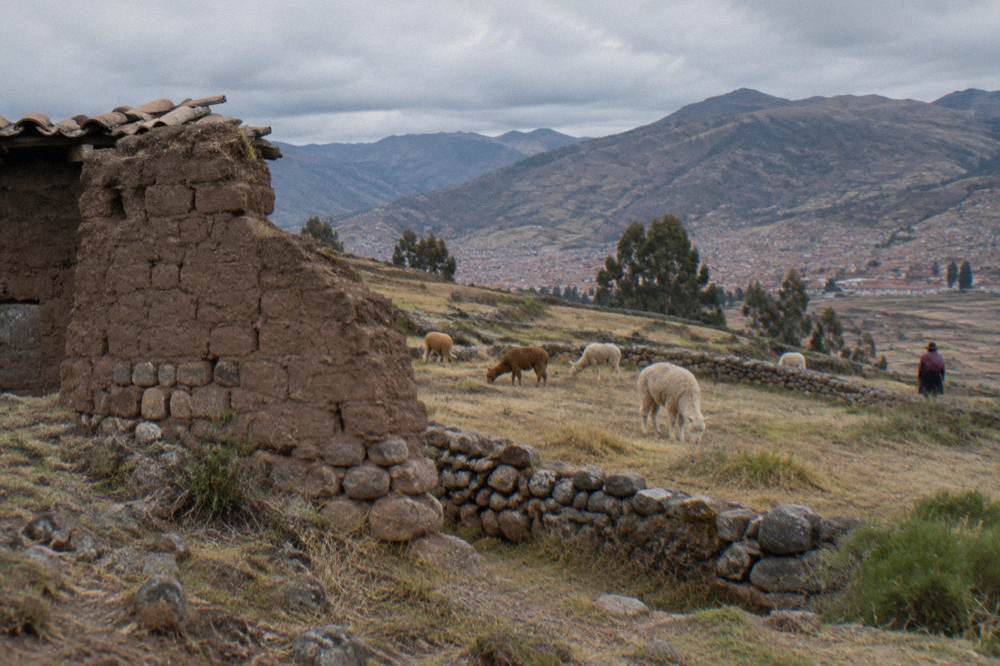
Cusco's valley is dense: red-tiled roofs, colonial walls, hills pressing in on every side. Within the first hour the road wins free of that and the world flattens into the altiplano proper, the high plain that stretches between the eastern and western cordilleras. This is herding country, alpacas and sheep behind low stone fences, adobe villages strung along the road, and long sightlines to ridges that hold snow. The light is the thing: at 3,800 m the air is thin and dry, and colors read harder and clearer than at sea level. Everything else covered here is indexed on Lima To Cusco.
The tourist services break the drive at points chosen for exactly this, and a guide's commentary turns a landscape that could read as empty into one with a story. Direct buses pause once, typically at the La Raya midpoint, high on the watershed divide, and otherwise push through. Neither approach sees different country; they just spend different amounts of time in it.
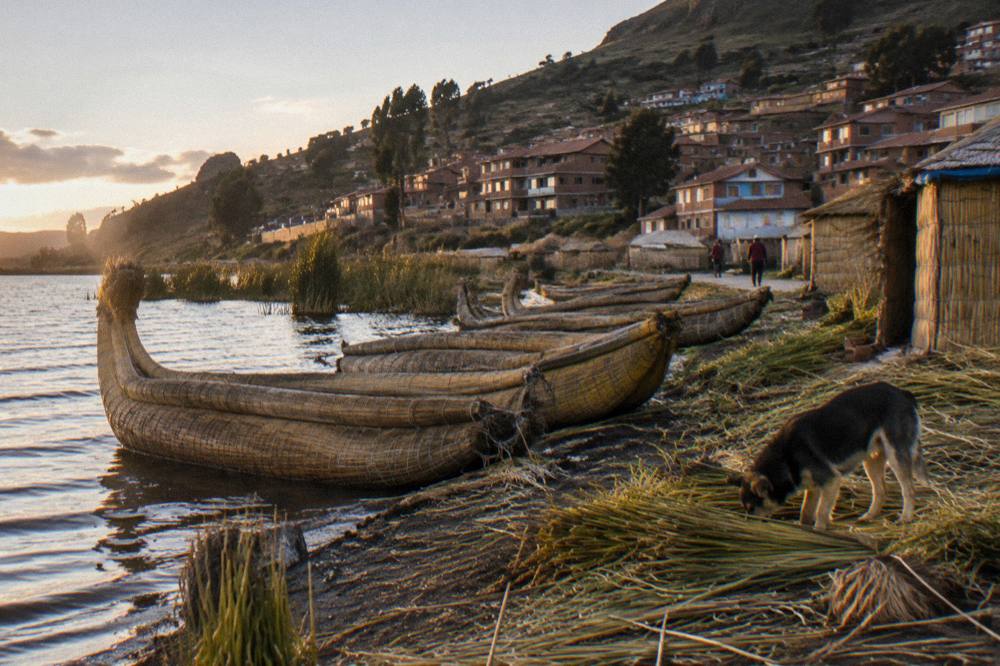
The finale is the reason people book the route at all rather than flying over it. Puno appears as a spread of low housing on a hillside above reed beds, and beyond it the water opens out: Lake Titicaca at 3,812 m, the huge high-altitude lake whose surface sits at 3,812 m above sea level. Readers planning the whole southern loop will find the Peru two week itinerary slots this leg in as the natural bridge between Cusco and the lake, and the broader route context lives in the backpacking Peru route guide on this site.
Altitude On The Cusco To Puno Bus: What To Expect
Cusco sits at 3,399 m and Puno at 3,827 m, so this bus ride climbs over the day onto plateau at or above both cities. Puno is high enough that the altitude advisory is real: arrive rested, hydrated and on light meals, and expect the adjustment to be harder than Cusco's. Anyone sensitive should plan a gentle first evening in Puno before lake tours.
The standard guidance for this corridor is gradual ascent, and this route is actually one of the gentler ways to gain altitude, because the day is spent seated at a mild pace rather than hiking. The risk profile is different from flying into Juliaca, which sits at roughly 3,825 m and delivers the same elevation in an hour: sudden ascent is the problem, and a bus that climbs over a day is the gentler option by design.
Symptoms to watch are the standard altitude sickness set: headache, nausea, fatigue, shortness of breath on small efforts. Standard advice aligned with CDC guidance is rest on arrival, hydration, light meals and avoiding alcohol for the first evening, with escalation to medical care if symptoms worsen rather than improve. Travelers who felt Cusco should expect Puno to register a notch higher on the same scale, and the full altitude sickness on the bus routes guide on this site covers medication and oxygen in detail.
One practical note for the ride itself: the altiplano swings between strong sun through the windows and genuinely cold plateau air, sometimes within the same hour. Layers and sunscreen cover both, and a blanket or warm layer matters more on this leg than on almost any other bus ride in the country.
Bus Or Train From Cusco To Puno?
The PeruRail Titicaca train takes roughly 10 hours and starts at $395, against about 6 to 8 hours on a direct bus or 11 on the tourist service from $50. The train is slower than the direct bus and several times the price, so it is a choice about the journey, not the schedule: it is the same corridor seen from a dining car instead of a coach seat.
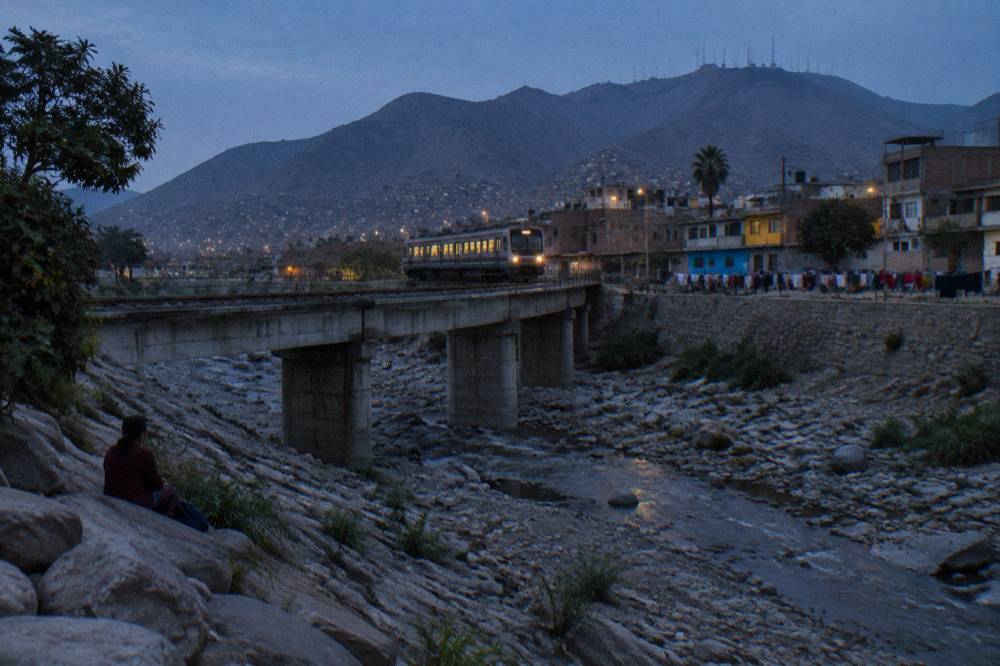
The PeruRail Titicaca train to Puno or Cusco is the premium product on this corridor: a full-day service, roughly 10 hours, with onboard service and observation space. The live listing carries 294 reviews, and this site does not print a star rating for it. Current schedules and frequencies are published on PeruRail's official timetable page, and they shift seasonally, so check the date you want before committing a full day to it.
| Factor | Direct bus | Tourist bus | PeruRail train |
|---|---|---|---|
| Time | 6-8 hours | ~11 hours | ~10 hours |
| Price basis | Varies, check the listing | From $50 | From $395 |
| Cancellation | Per operator | Free cancellation | Not shown on listing |
| Reviews | Varies by line | 4.7 from 633 | 294 reviews |
The honest read of that table: the train cannot win on time or price, and it is not trying to. People book it for a slow, served, panoramic day across the altiplano, often as the single luxury of an otherwise budget itinerary. If your priority is maximizing Puno time or minimizing spend, the bus wins both columns, and the tourist bus wins the scenery contest at a fraction of the train fare.
Is The Cusco To Puno Bus Safe?
Yes, with conditions. The US State Department permits its own employees to ride commercial buses on the Lima, Arequipa, Cusco corridor at night, and both US and UK advisories say to use reputable companies and avoid overnight travel in mountainous regions where possible. Daytime tourist services on this route sit comfortably inside that guidance.
The official language is worth quoting directly. The US State Department's Peru advisory states: "Bus crashes are common, especially at night. Only use reputable transport companies, and where possible, avoid overnight travel, especially in mountainous and remote regions." The UK FCDO carries the same wording. Both advisories also note that demonstrations can shut down roads, trains and highways, sometimes without warning, which is the single biggest operational risk on any Peruvian road route: roads in Peru occasionally see strikes or protests, so check current conditions before travel.
The practical translation for this specific corridor is favorable. The Cusco to Puno leg is a heavily touristed daytime road, the premium lines and tourist services both run it in daylight, and the corridor is specifically one US government employees may use at night with commercial bus companies, a stricter bar than most Peruvian roads clear. Sticking to reputable operators, as both advisories recommend, is the whole of the advice.
Peru Hop also positions itself on this point: Peru Hop states its buses carry GPS tracking, adhere to speed limits and use two drivers on long legs, and while this site treats those as operator claims rather than independently verified fact, its safety reputation among travelers is consistent with them: current reviews number about 20,295 on TripAdvisor at 4.8, and Peru Hop reports 395,000+ passengers carried. Traveler coverage in 2026 includes praise for organization and punctuality, alongside honest notes that some legs simply run long.
Onward From Puno: Copacabana, Isla Del Sol And La Paz
Puno is a base, not a destination in itself. Copacabana in Bolivia sits 140 to 155 km away via the Kasani/Yunguyo border, typically 3 to 4 hours door to door. Since December 1, 2025, US, UK, EU, Canadian and Australian tourists are visa-free for 90 days, with free online SIGEMIG pre-registration required before arrival at the border.
Border posts on that crossing run roughly 07:30-18:00 on the Peru side and 08:30-19:00 on the Bolivia side, and the steady advice across operator guides is to aim for a crossing between 10:00 and 15:00, when both posts are fully staffed and queues move. Getting the timing wrong does not usually mean being stranded, but it can mean a long wait on either side of the line.
Most travelers spend their Puno time on the lake. The Uros floating islands run as half-day boat trips of roughly 2 to 4 hours, with full-day combinations including Taquile common, and small community entry fees or contributions typically apply, sometimes included in tours. The Cusco to Lake Titicaca tours guide on this site covers those options in full. For the Bolivia side, the Puno to La Paz bus guide walks the border crossing and the Copacabana to La Paz leg, about 145 to 155 km further via the Tiquina strait ferry, typically 3.5 to 4.5 hours door to door.
The booked Copacabana and Isla del Sol whole-day tour from Puno is the easiest way to cross without logistics: from $130, 12 hours, rated 4.8 from 30 reviews, with free cancellation. It handles the border formalities that stop independent travelers, and Isla del Sol access from Copacabana follows standard community rules, with boats departing the pier at roughly 08:30 and 13:30, community fees of around 10 to 15 BOB per checkpoint, and the south end at Yumani reliably reachable. One rule of thumb for any visit to the lakeshore communities: buy handicrafts directly from families and ask before photographing people.
If your itinerary runs in the other order, the altiplano's other main connection is worth knowing: the Colca Canyon to Puno tourist bus runs from Chivay across the high passes with scenic stops, from $41.03, about 6.5 hours, rated 4.7 from 88 reviews with free cancellation. Travelers coming Arequipa, Colca, then Puno can ride it instead of backtracking to Arequipa, and it delivers you into Puno on exactly the same shore this guide ends on.
Whichever onward direction you take, the pattern that works on this plateau is the same one this guide has repeated all the way down: pick the service that matches what the day is for. A direct bus if the day is for arriving, a tourist service if the day is for seeing, and a booked tour the moment the next leg involves a border, a boat or a community fee you would rather someone else handled.
Common Questions About The Cusco To Puno Bus
How long is the bus from Cusco to Puno?
Roughly 388 km. Direct buses take about 6 to 8 hours, while tourist services with stops and lunch run about 9 to 11 hours; the booked Route of the Sun service lists 6:10am to 5:30pm.
How much does a Cusco to Puno bus ticket cost?
The Route of the Sun tourist service starts at $50 with buffet lunch and free cancellation. Direct bus fares vary by line and season, so check the operator's listing. The train alternative starts at $395.
Is the Cusco to Puno bus safe?
Yes, on reputable operators and in daylight. Both the US and UK advisories recommend reputable companies and avoiding overnight travel in mountainous regions where possible, and this corridor is among the routes US government employees may use with commercial bus companies.
Is there a train from Cusco to Puno?
Yes. The PeruRail Titicaca train runs the corridor in roughly 10 hours, from $395. It is slower than a direct bus and competes on experience rather than schedule.
Do I need to book the Cusco to Puno bus in advance?
In dry season, May to October, booking ahead is wise for tourist services, since seats on the guided coaches are limited. The booked Route of the Sun product carries free cancellation, so locking a date early costs nothing if plans shift.
Which bus from Cusco to Puno is best for first-time visitors?
The tourist service. It covers the same 388 km with guided stops, buffet lunch and a host handling logistics, from $50, rated 4.7 from 633 reviews, where a direct bus is transport only.