Cusco To Lake Titicaca: Bus, Train, Or Tour
The Cusco to Lake Titicaca run is one of the most scenic legs in southern Peru, and there are three very different ways to do it: a cheap direct bus, a full-day scenic bus with lunch, or a $395 train. Here is how the options actually compare.
Short answer
Cusco sits roughly 388 road km from Puno, the main base on Lake Titicaca at 3,827 m elevation. Direct buses cover it in 6 to 8 hours, the full-day Route of the Sun tourist bus takes about 11 hours from $50 with buffet lunch, and the PeruRail Titicaca train runs around 10 hours from $395.
Cusco sits at 3,399 m in a mountain bowl. Lake Titicaca spreads across the altiplano at 3,812 m, and Puno, the city you will almost certainly sleep in, is higher still at 3,827 m. The road between them runs roughly 388 km through Andean passes, colonial churches and small farming towns, and the choice of how to travel it shapes your whole day: a direct public bus takes 6 to 8 hours, the best-known tourist bus turns the same road into an 11-hour guided sightseeing run, and the train makes it a rolling restaurant with an observation car.
This guide compares all three, plus the day tours that wait for you once you arrive at the lake. Prices and ratings below are the ones you'll see on the live booking pages, and every tour listed here can be booked on the spot, so the figures are what you will actually see when you book.
How Far Is Cusco From Lake Titicaca And How Long Does The Trip Take?
The road distance from Cusco to Puno, the main gateway town on the Peruvian side of Lake Titicaca, is approximately 388 km, and the journey takes between 6 and 11 hours depending on the service you choose. Direct public buses complete it in about 6 to 8 hours, while multi-stop tourist buses with cultural stops and lunch stretch the same road to 9, 10 or 11 hours. The train runs around 10 hours end to end.
The reason for that spread is simple: the direct bus treats the corridor as transport, while everything else treats it as an attraction. The scenic services stop at sites such as Andahuaylillas, Raqchi and La Raya along the way, which roughly doubles the wall-clock time but converts a long sit into a full day of sightseeing.
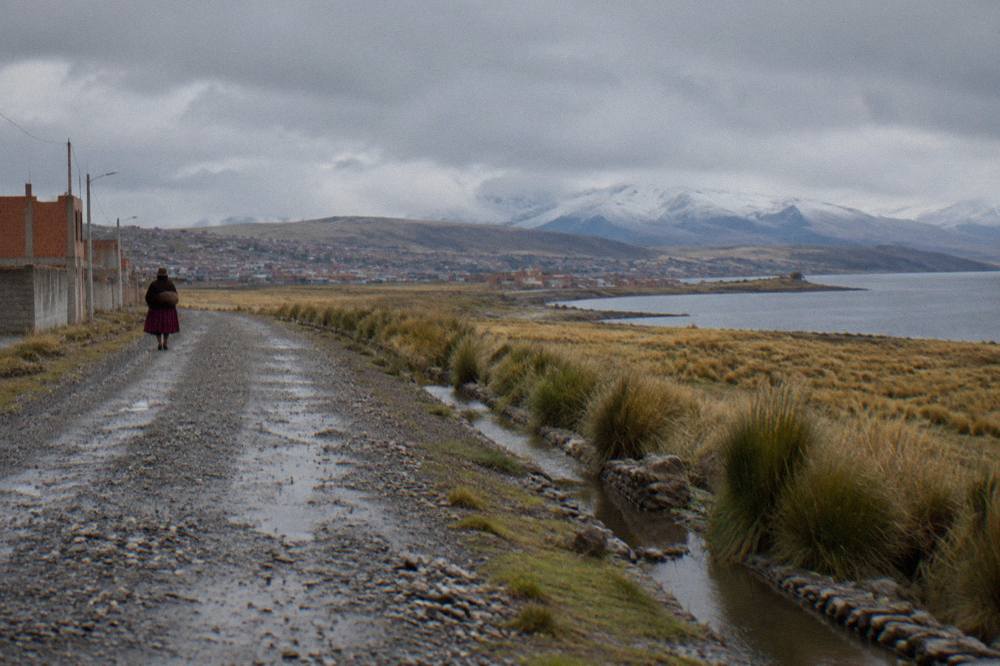
The altitude profile matters as much as the mileage. You start at 3,399 m in Cusco, cross the La Raya pass, the highest point on the road, and finish at 3,827 m in Puno, which is higher than where you began. Anyone sensitive to thin air feels the difference, and it is one reason travelers who have just flown into Cusco often pause a day or two before pushing on to the lake. The dedicated altitude sickness on the bus routes guide covers acclimatization order in more depth.
| Leg | Approx. distance | Typical time | Notes |
|---|---|---|---|
| Cusco to Puno (direct bus) | ~388 km | 6-8 hours | Few or no stops |
| Cusco to Puno (tourist bus) | ~388 km | 9-11 hours | Guided stops, lunch |
| Cusco to Puno (PeruRail train) | ~388 km | ~10 hours | Observation car, meals |
| Puno to Copacabana (Bolivia) | ~140-155 km | 3-4 hours | Kasani border crossing |
From Puno, the lake itself is a short taxi or tour-vehicle ride away, and most boat excursions leave from the harbor in the morning. So the real question is not just how long the drive takes, but what kind of day you want that drive to be.
What Is The Best Way To Travel From Cusco To Puno By Bus?
For most travelers the best bus from Cusco to Puno is a full-day scenic service, because the corridor carries some of the richest stop-to-stop sightseeing in southern Peru. The standout, the Cusco Route of the Sun tour, runs from $50, holds 4.7 from 633 reviews, and includes a buffet lunch across roughly 11 hours, from a 6:10 am departure to a 5:30 pm arrival.
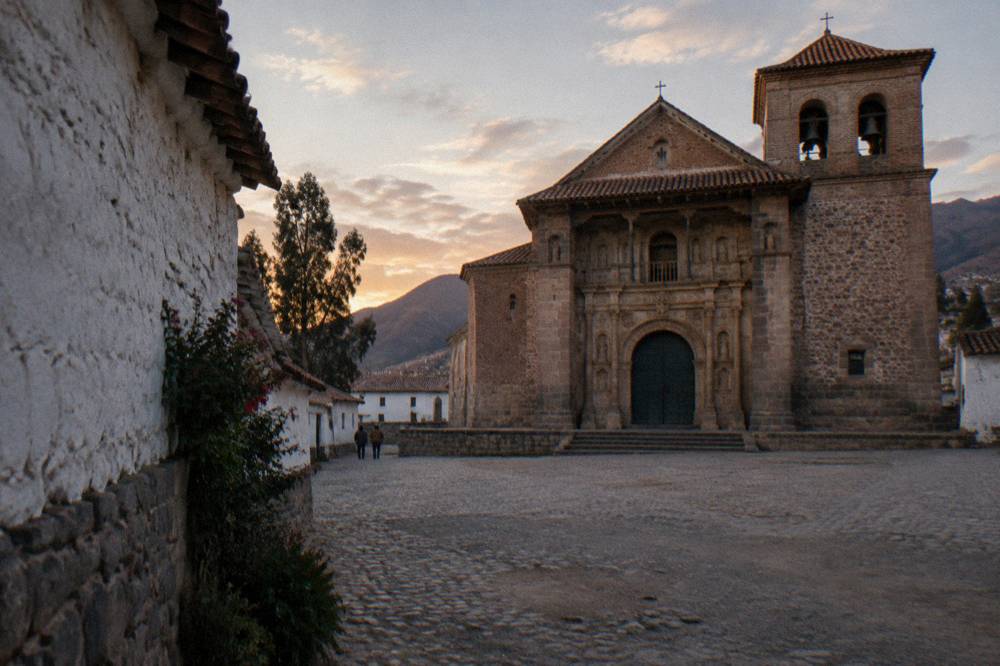
That service, the "Route Of The Sun, Buffet Lunch" tour on this site's roster, is the closest thing to a default choice on this leg. It departs Cusco before dawn and makes a chain of stops that a direct bus rolls straight past: the painted colonial church at Andahuaylillas, the Inca temple complex at Raqchi, the La Raya pass viewpoint, and the lithic museum at Pukara. A bilingual guide narrates each stop, and a buffet lunch is built into the middle of the day. Free cancellation applies, which matters if your Cusco plans are still loose.
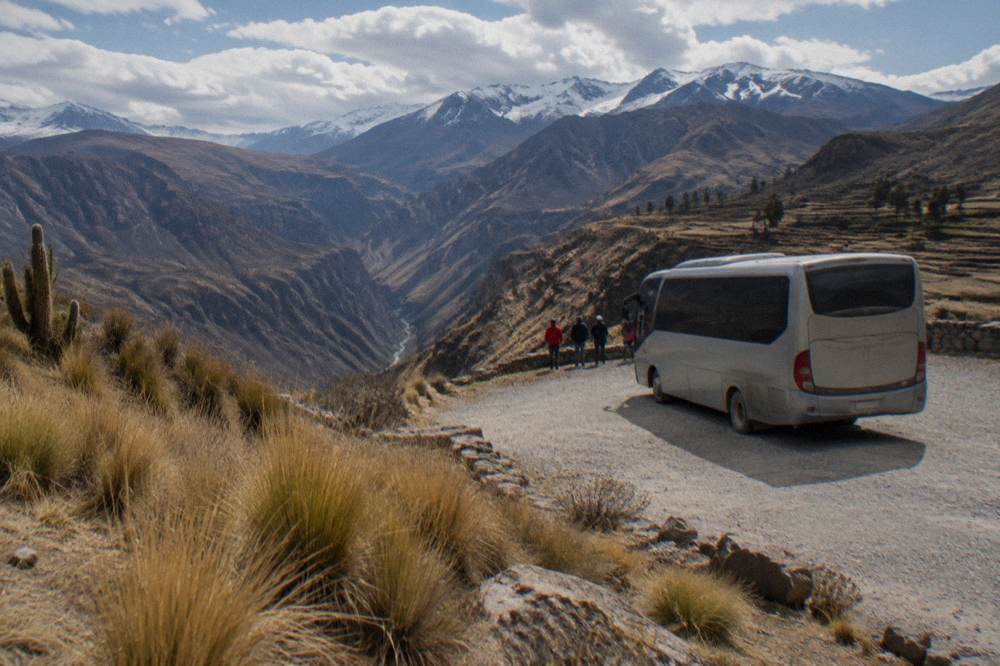
The plain alternative is a direct public or premium bus ticket. Cruz del Sur and Oltursa both run comfortable long-distance coaches on Peruvian highways, and a bare seat on this leg is the cheapest way to move between the two cities. Travelers who want to compare direct-ticket prices across operators on the Cusco-Puno corridor can check a consolidated timetable as a budget alternative to a hop-on hop-off pass, and the full route breakdown lives in the Cusco to Puno bus guide.
The third option is Peru Hop, the hop-on hop-off pass that covers this corridor. A bilingual local host rides every Peru Hop bus, and the service picks up and drops off at your hotel or hostel in participating locations, so you skip the bus terminal with your bags. Peru Hop states that its buses carry GPS tracking, follow speed limits and use two drivers on long legs, though those claims are the operator's own. The honest caveat: a pass costs more than a bare direct seat before you count the included pickups and stops, and some legs run long, so a traveler who just wants one fast seat between the two cities is usually better served by a direct ticket. For a traveler stitching Lima, Paracas, Huacachina, Arequipa, Puno and Cusco into one trip, the pass math changes completely, and the Lima To Cusco route pages break that down leg by leg.
If the Route of the Sun format appeals, the tour has a dedicated page with the full itinerary: Cusco Route of the Sun day tour details, with live dates and availability for the season you are traveling.
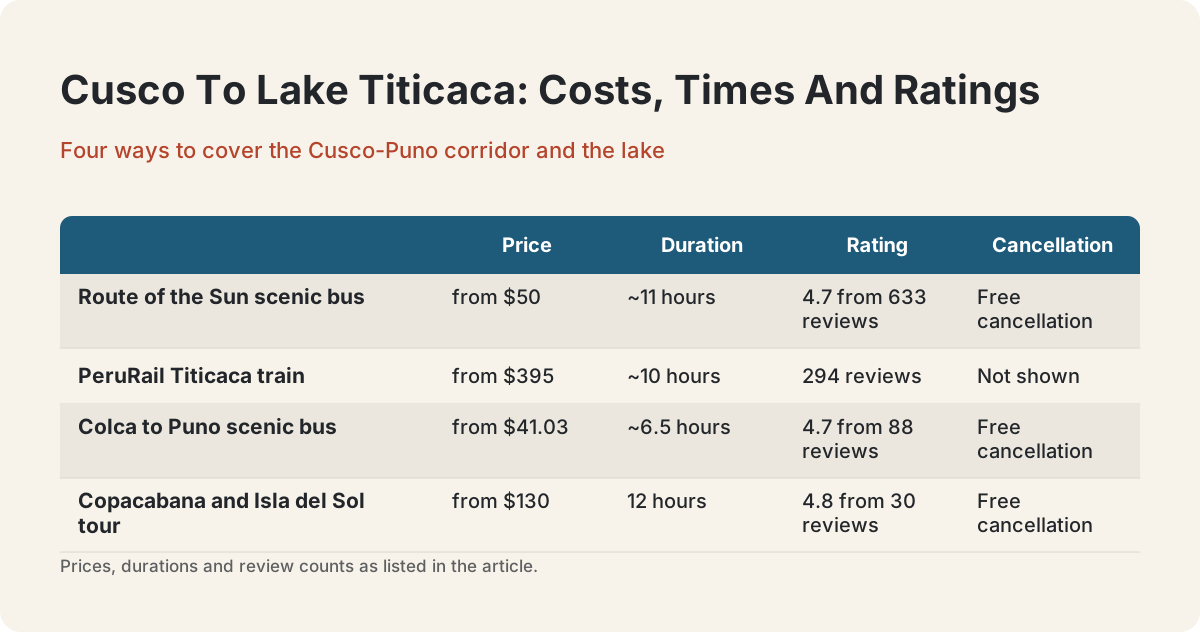
Bus, Train, Or Tour: What Does Each Cusco To Lake Titicaca Option Cost?
The three main options price out at roughly $50 for the full-day scenic bus, from $41.03 for a Chivay-to-Puno bus seat if you are arriving from Arequipa and Colca instead, and from $395 for the PeruRail Titicaca train. A direct public bus ticket sits below all of them, while a full-day Copacabana and Isla del Sol tour from Puno adds from $130 once you are at the lake.
The spread is wide, and it maps onto three different travel styles rather than three quality tiers. The scenic bus is the value pick: for around fifty dollars you get the guided stops, the lunch and the transfer, which is what most independent travelers want from this particular road. The train is a splurge, roughly eight times the bus fare, and it buys comfort, an observation car and a served meal rather than extra sightseeing. The day tour is not really a competitor on the same leg at all; it starts from Puno.
| Option | Price | Duration | Rating | Cancellation |
|---|---|---|---|---|
| Route of the Sun scenic bus | from $50 | ~11 hours | 4.7 from 633 reviews | Free cancellation |
| PeruRail Titicaca train | from $395 | ~10 hours | 294 reviews on the listing | Not shown |
| Colca to Puno scenic bus | from $41.03 | ~6.5 hours | 4.7 from 88 reviews | Free cancellation |
| Copacabana and Isla del Sol tour | from $130 | 12 hours | 4.8 from 30 reviews | Free cancellation |
One planning note on the train figure: the PeruRail listing carries 294 reviews, which is enough to trust the service but not enough for this site to print a headline star rating, so treat it as an untested-by-review-volume option rather than a proven one. The scenic bus, by contrast, has one of the deeper review pools on this leg, and its cancellation terms are explicit.
Given the choices, here are the three bookable options this site features for the corridor:
Is The PeruRail Titicaca Train From Cusco Worth It?
The PeruRail Titicaca train costs from $395 per person and takes around 10 hours between Cusco and Puno, which makes it a comfort purchase rather than a practical one: roughly eight times the scenic bus fare for the same corridor, and its 294 reviews are too few for this site to claim a proven rating. It is worth it if the journey itself is the point of your day, and not if you are optimizing cost or schedule.
What the fare actually buys: a scheduled departure rather than a dawn bus, an observation and bar car, a served lunch and afternoon tea onboard, and a seat that reclines through the high passes without luggage logistics or terminal queues. PeruRail runs multiple services on its southern network, and the operator's own train schedules and frequencies page lists current timings for the Titicaca route specifically. Travelers planning to continue from Puno toward Copacabana or La Paz should note the cancellation policy is not shown on the listing, so confirm terms at checkout.
The train also makes sense for one specific itinerary: travelers who are already committed to rail in Peru, typically because they have taken a Machu Picchu train out of Ollantaytambo and want the southern leg in the same style. For everyone else, the honest framing is that the scenic bus delivers the same Andean landscape, the same guided stops and the same lunch for a fraction of the price, and the money saved funds two nights in Puno plus a lake tour. This site's wider comparison of the train against the bus and plane options lives in the discussion of whether there is a train from Lima to Cusco, which covers the same operator's network.
Can You Visit Lake Titicaca On A Tour From Cusco, Or Do You Need To Stay In Puno?
You can see Lake Titicaca on a tour from Cusco, but the standard pattern is an overnight or two in Puno, because the drive alone consumes 6 to 11 hours in each direction. The full-day tours that actually reach the lake, such as the Copacabana and Isla del Sol excursion, depart from Puno, cost from $130, run about 12 hours, and rate 4.8 from 30 reviews with free cancellation.
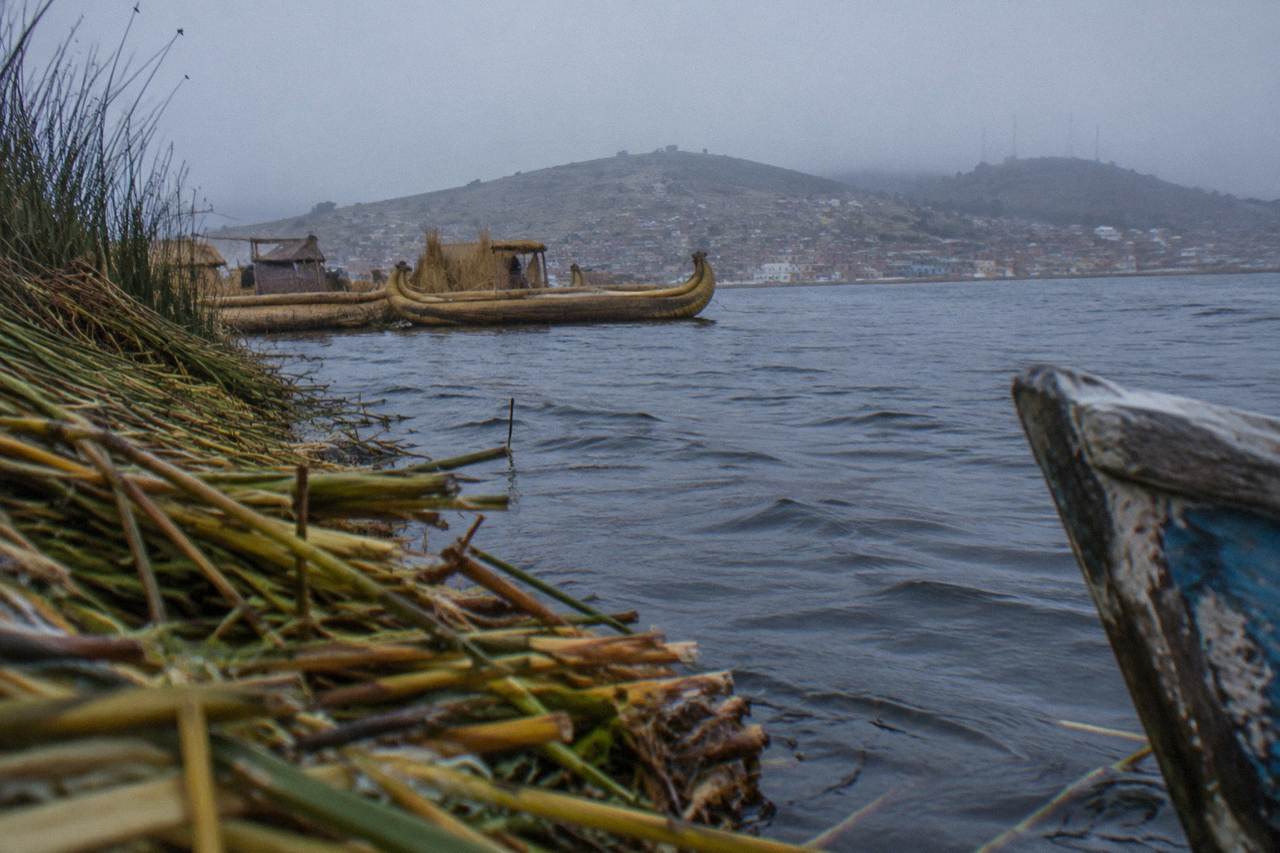
The geography forces the choice. The Uros floating islands sit offshore from Puno harbor, half-day boat trips run 2 to 4 hours, and the classic full-day combo adds Taquile island with its community fees and handicraft tradition. Isla del Sol sits on the Bolivian side, reached by crossing the Kasani border, which takes roughly 3 to 4 hours of driving plus formalities from Puno. A traveler who tries to compress all of that into a day trip from Cusco spends 12 or more hours on the road before a single boat departs.
| Titicaca experience | Base | Typical length | Notes |
|---|---|---|---|
| Uros floating islands | Puno | 2-4 hours | Half-day boat trip, entry fees may apply |
| Uros plus Taquile full day | Puno | full day | Common combo, community contributions |
| Copacabana and Isla del Sol | Puno | 12 hours | From $130, 4.8 from 30 reviews, border crossing included |
| PeruHop Puno stopover | Cusco-Puno corridor | flexible | Hop-off at Puno, reboard later |
The community rules are worth knowing before you board. Landing fees or small contributions apply at some islands, responsible-tourism etiquette means buying handicrafts directly from families and asking permission for photographs, and boat departures from Copacabana pier typically run around 08:30 and 13:30. The complete guide to the Uros reed communities covers the fee and etiquette detail, and no major rule changes were reported for the 2026 season.
If the guided full-day format is how you like to travel, the Route of the Sun bus into Puno pairs naturally with a Copacabana day once you arrive, and the same operator network covers both.
Which Cusco To Lake Titicaca Option Fits Your Budget And Schedule?
Budget travelers should take a direct bus and book lake tours separately in Puno, keeping the whole leg under the scenic day's cost. Mid-budget travelers get the best value from the $50 Route of the Sun bus, which bundles transport, guiding and lunch. Travelers with a flexible budget and a taste for rail should take the $395 train, and anyone arriving from Arequipa should look at the $41.03 Colca-to-Puno scenic bus instead of backtracking through Cusco.
Schedule matters as much as money. The scenic bus is a fixed 11-hour commitment from 6:10 am to 5:30 pm, which means you reach Puno at dinner time and need a night there before any lake tour. The direct bus can leave later and arrive earlier, which suits a tight itinerary, but it surrenders the stops. The train runs its own timetable and eats a comparable day. If your Cusco days are limited, the honest sequence is: bus to Puno, one night, a morning Uros trip, then onward to Copacabana or back to Cusco.
The altiplano weather is the other scheduling input. Dry season from May to October brings clearer skies and colder nights, and the condor viewpoint and pass crossings are at their most photogenic. A late September 2026 weather alert flagged possible snow and wind above 4,000 m in the Puno altiplano, a reminder that passes on this road sit above that line and conditions can shift quickly in the transition months. Rainy season from November to March brings afternoon cloud and a higher chance of weather delays, on the road and on the lake.
Passing through Puno as part of a longer Peru run? Peru Hop runs the Cusco-Puno corridor with hotel pickup and drop-off, a bilingual host on every bus, and passes valid up to one year with in-app date changes up to 12 hours before departure, so you can hop off at the lake and continue when you are ready.
What About Coming From Arequipa And Colca Canyon Instead?
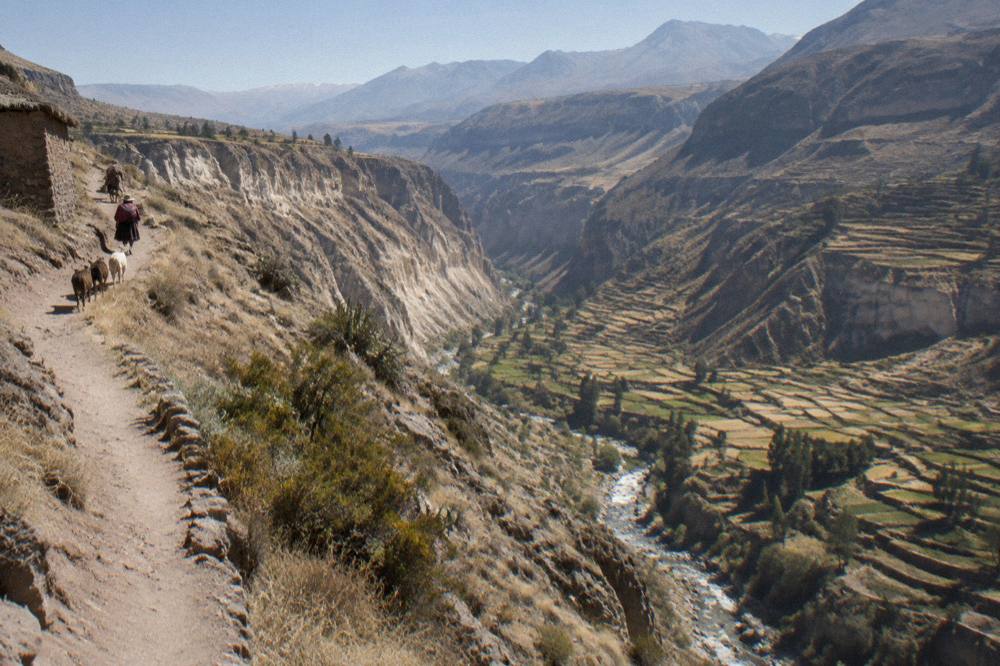
Travelers arriving from Arequipa do not need to pass through Cusco at all: the Colca Canyon to Puno bus covers the Chivay to Puno leg in about 6.5 hours for from $41.03, rates 4.7 from 88 reviews, and threads the volcano-backed altiplano with scenic stops en route. It turns the Colca Canyon detour and the Lake Titicaca arrival into one continuous overland line instead of a backtracking loop.
The route is the quiet alternative to the Cusco corridor. Chivay sits at 3,635 m, the Colca rim viewpoints sit between roughly 3,270 and 3,800 m, and the bus crosses passes near 4,800 m before dropping to Puno at 3,827 m. Condor viewing at Cruz del Condor is best in the dry season between April and November, with mornings between 7 and 10 am the prime window for thermals. The full context for that side trip, including the Arequipa-to-Colca leg and canyon logistics, is in the Colca Canyon from Arequipa guide.
For itinerary builders, this is where the southern Peru loop closes. Lima, the coast, Arequipa, Colca, Puno, Copacabana and Cusco can be stitched in either direction, and the Colca-to-Puno bus is the connector that makes the loop work without doubling back. The PeruRail Titicaca train can also be boarded for the Puno direction rather than from Cusco, which some travelers use to break up the sequence.
How Should You Handle Altitude And Safety On The Cusco To Puno Route?
Cusco sits at 3,399 m, Puno at 3,827 m, and the road between them crosses high passes above both, so plan a slow first day in Puno, drink water, eat light and skip alcohol on arrival; the standard acclimatization advice is to ascend gradually, rest on arrival and escalate care if headache or nausea worsens. On safety, book daytime departures with reputable operators, which is exactly what the UK FCDO advises.
The UK FCDO's advice on Peruvian roads, quoted verbatim from its current travel page on gov.uk foreign travel advice for Peru, reads: "Bus crashes are common, especially at night. Only use reputable transport companies, and where possible, avoid overnight travel, especially in mountainous and remote regions." The US State Department takes a similar line, restricting its own employees from nighttime road travel except on specific corridors, including the Lima-Arequipa-Cusco corridor, where commercial buses are permitted. The practical translation for this leg: every option compared in this guide, the scenic bus, the train and the day tours, runs in daylight, and that is the pattern worth keeping.
Roads in Peru occasionally see strikes or protests, so check current conditions before travel, but no sustained closures were reported on this corridor in 2026. Reputable operators monitor the road situation and reroute or refund where needed. Passes valid up to a year with app-based changes up to 12 hours before departure give hop-on hop-off travelers a built-in buffer against exactly this kind of disruption.
Before you commit, here again are the three featured options for this corridor, side by side:
Common Questions About Cusco To Lake Titicaca
How far is Cusco from Lake Titicaca?
The road distance from Cusco to Puno, the main base on the lake, is roughly 388 km. Puno sits at 3,827 m elevation and the lake surface at 3,812 m, so the trip is a high-altitude crossing through mountain passes rather than a flat intercity drive.
How long is the bus from Cusco to Puno?
A direct bus takes about 6 to 8 hours. Multi-stop tourist buses with cultural stops and lunch take longer, typically 9 to 11 hours; the Route of the Sun service runs about 11 hours from a 6:10 am departure to a 5:30 pm arrival.
Is the PeruRail Titicaca train worth it?
The train costs from $395 and takes around 10 hours, roughly eight times the scenic bus fare for the same corridor. It is worth it if the journey itself is the point of your day, thanks to the observation car and served meals. Its 294 reviews are too few for this site to claim a proven rating, and its cancellation policy is not shown on the listing.
Can you do a day trip to Lake Titicaca from Cusco?
Not realistically. The drive alone takes 6 to 11 hours each direction, so the standard pattern is an overnight in Puno, then a half-day Uros floating islands trip or a full-day Copacabana and Isla del Sol tour, which runs 12 hours from $130 and rates 4.8 from 30 reviews.
What is the cheapest way to get from Cusco to Lake Titicaca?
A direct public bus ticket is the cheapest way to cover the leg, followed by the Colca-to-Puno scenic bus at from $41.03 if you are coming from Arequipa. The best value for most travelers is the $50 full-day Route of the Sun bus, since it bundles the guided stops and a buffet lunch into the fare.