Lima To Trujillo: Getting To Peru's North Coast
Trujillo sits on Peru's north coast, a long way from the southern corridor most visitors travel. This page explains how the route actually works, which operators serve it, what safety advisories say about overnight travel, and how to fit the north coast into a trip that probably also includes Cusco.
Short answer
There is no hop-on hop-off service covering Lima to Trujillo. Travelers ride long-distance bus companies on the Pan-American Highway, with departures from Lima terminals, or fly. The same operators that run the southern corridor, including Cruz del Sur, sell northbound tickets; schedules and prices are on each operator's live listing.
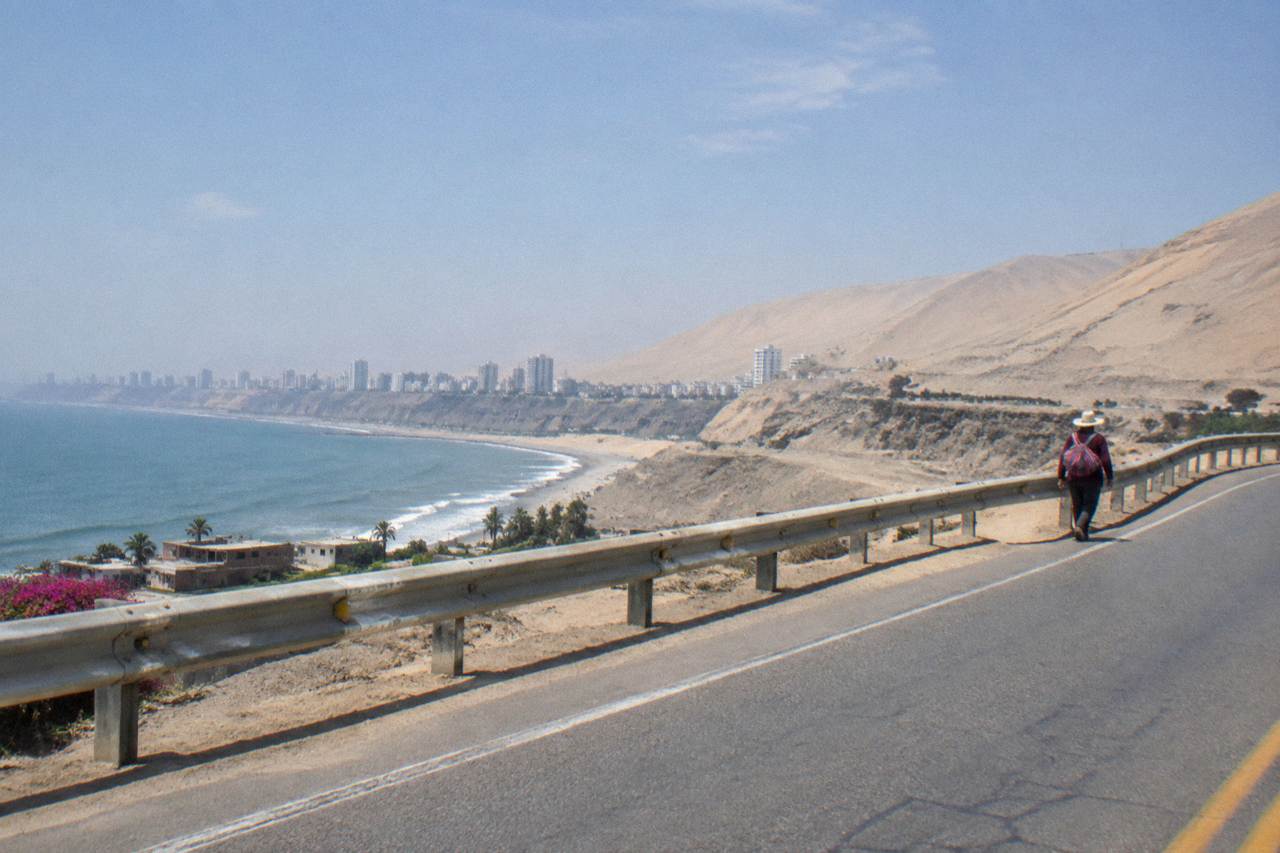
Trujillo is the largest city on Peru's north coast, and it sits at the end of a long, mostly flat run up the Pan-American Highway from Lima. That makes it a very different proposition from the mountain routes this site usually covers. The Lima to Cusco corridor climbs from sea level to 3,399 m, crosses Andean passes and drops into the Sacred Valley. The road to Trujillo hugs the desert coast the whole way.
This page is an honest redirect as much as a guide. The hop-on hop-off services and premium day trips sold on Lima To Cusco all run south of Lima, toward Paracas, Huacachina, Arequipa, Puno and Cusco. None of them go north. If Trujillo is on your list, you will be booking a conventional long-distance bus ticket or a flight, and this page explains exactly what that involves, what the official safety advisories say, and how the north coast fits into a bigger Peru itinerary.
What Are Your Options For Getting From Lima To Trujillo?
You have two realistic options for the Lima to Trujillo run: a long-distance bus on the Pan-American Highway, or a domestic flight from Lima. Peru Hop and the other hop-on hop-off tourist services covered elsewhere on this site do not operate north of Lima at all, so there is no tourist pass to buy for this route. Bus tickets and flights are booked directly with the operators or airlines.
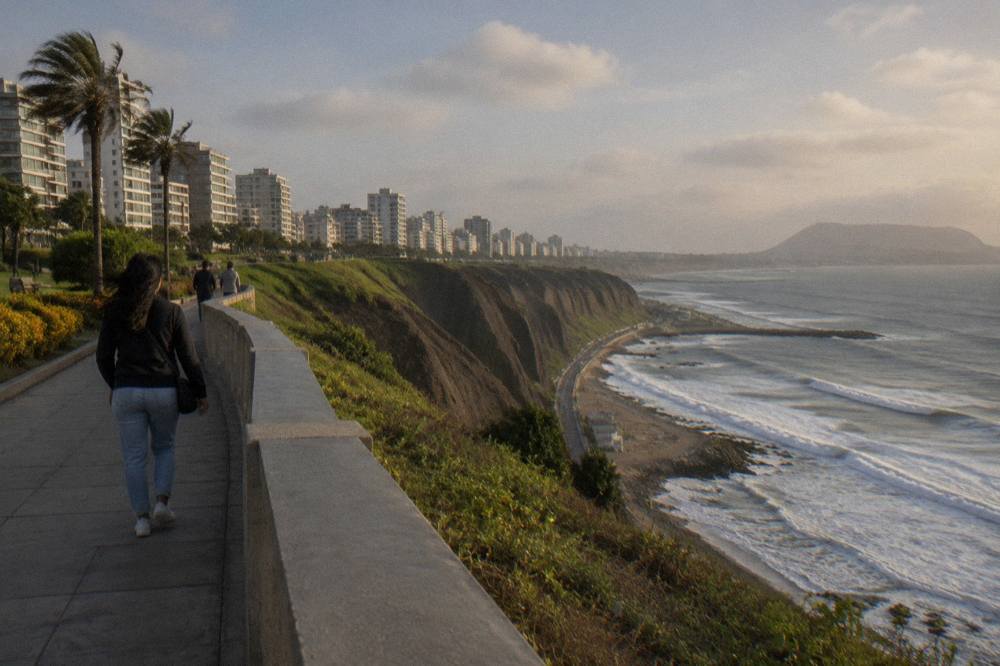
The bus is the classic Peruvian way to cover the distance. Long-distance coach travel is the backbone of intercity transport in Peru, and the north coast corridor is one of the busiest freight and passenger runs in the country. The road itself is the Pan-American Highway, the same corridor that carries traffic south from Lima toward Paracas, which the US State Department specifically names when it describes where its own employees may travel at night. A northbound bus ticket is bought from a conventional bus company, at a terminal or online, in the same way locals and business travelers buy it.
Flying is the other option. Peru's domestic airline market is served by LATAM, JetSMART and Sky Airline, the three carriers that operate the Lima to Cusco route in 2026 schedules, and the same airlines serve the north coast from Lima's Jorge Chávez airport. A flight turns a long ground transfer into a short one, at the cost of skipping the coastal scenery entirely. The trade-off between the two is the same trade-off every overland traveler faces in Peru: time versus what you see from the window.
There is no train. Peru's passenger rail network connects Cusco to Machu Picchu and Cusco to Puno on the southern side, and nothing runs along the coast to the north. If you have read about train travel in Peru, it belongs to the south.
| Option | What it involves | Best for |
|---|---|---|
| Long-distance bus | Conventional coach on the Pan-American Highway, booked with a bus company directly | Travelers who want the coastal scenery and low fares |
| Domestic flight | Short flight from Lima's airport to the north coast | Travelers short on time |
| Hop-on hop-off pass | Not available on this route, services run south of Lima only | Nobody, for this leg |
Which Bus Companies Cover The Lima To Trujillo Route?
The established long-distance operators serve the north coast from Lima's main terminals, and Peru Hop is not one of them. Peru Hop's network runs the southern corridor, Paracas, Huacachina, Nazca, Arequipa, Puno and Cusco, and stops at Cusco, which is the end of its line. For Trujillo you book directly with companies such as Cruz del Sur or Oltursa, the same names that run the premium Lima to Cusco services.
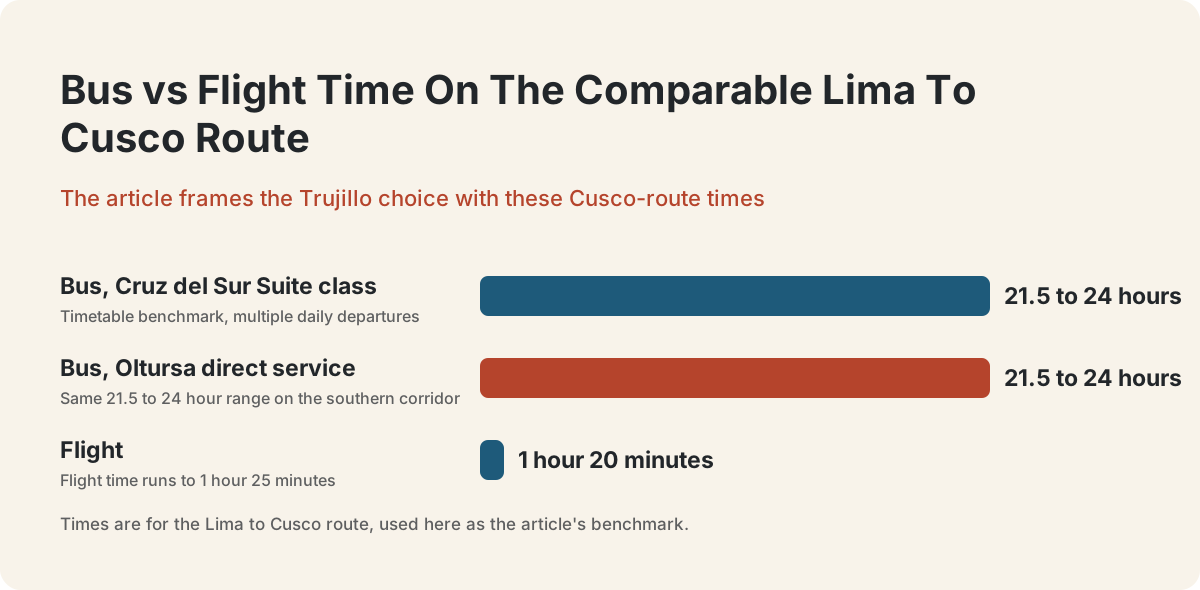
Cruz del Sur is the most recognized name in Peruvian long-distance coaching, and it is the operator whose Lima to Cusco timetable, roughly 21.5 to 24 hours in Suite class with multiple daily departures, sets the benchmark for what premium intercity travel looks like in this country. Oltursa runs comparable direct services on the southern corridor in the same 21.5 to 24 hour range, and both companies sell tickets for their northern routes through the same online systems and city terminals. When you buy from an operator of this class you get assigned seating, tiered cabin classes and a terminal-based check-in, not a hotel pickup.
That last difference matters more than travelers expect. The tourist-oriented services build their whole product around skipping terminals: Peru Hop picks up and drops off at your hotel or hostel in participating locations so you skip the bus terminal with your bags, and a bilingual local host rides every Peru Hop bus. A conventional bus ticket gives you none of that. You get yourself to the terminal, you handle your own luggage, and the onboard crew speaks Spanish. For a confident traveler that is fine. For a first-time visitor it is the single biggest adjustment.
Civa is another name that appears across Peru's intercity network, running direct and connecting options on multiple corridors under its several service brands. Every one of these companies publishes its timetables and sells through its own site, so the honest advice on prices is simple: check the operator's live listing, because intercity fares in Peru move with fuel prices, season and cabin class, and no figure quoted on a third-party page will stay true for long. The US Embassy's Peru travel advisory is blunt about which companies to trust, and its guidance is worth reading before you book anything.
If you are weighing the north coast against the southern corridor that every hop-on hop-off pass actually covers, the southern alternatives are worth a look before you commit. The premium day trips from Lima to Paracas and Huacachina, for instance, compress the coast's two headline attractions into a single booked day, and the scenic buses between the southern cities are covered in detail in the guides on getting around Peru by bus and Peru's bus companies compared.
How Do You Buy A Ticket, And What Is The Ride Actually Like?
Buy direct from the bus company's own website or at the terminal, print or screenshot your ticket, and arrive early with your passport, because check-in for intercity coaches in Peru is a formal process with a name match against your document. Tickets are nominal, meaning they carry your name, and they are checked against ID at boarding. Fares vary by cabin class and season, so treat any number you see on a third-party page as indicative only.
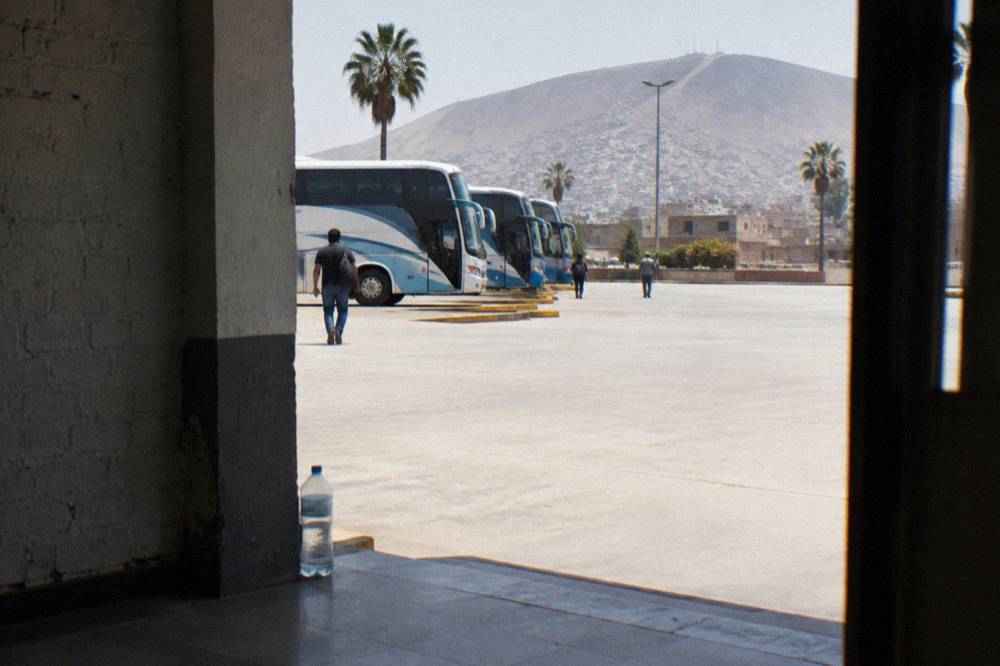
The purchase itself is straightforward once you have picked an operator. You choose a departure, a seat and a cabin class, pay, and receive a named e-ticket. The formalities at the terminal are what surprise people. Peruvian intercity coaches board from dedicated platforms inside fenced terminals, staff record your name and document number, and there is a security posture around long-distance travel that reflects the country's road-safety history. Keep the same passport you booked with, because a mismatch can cost you the seat.
Onboard, a premium-class coach on a major corridor is a genuinely comfortable machine: reclining seats, onboard bathroom, and air conditioning. On the top-tier services the seats fold into near-flat beds. The comparative comfort claim has a verified boundary, and it is worth stating precisely. Premium long-distance lines, Cruz del Sur, Oltursa and Peru Hop among them, generally run climate control, while informal combis, colectivos and many economy public buses often do not. The US State Department's own guidance for its personnel acknowledges this class divide indirectly: it prohibits US government employees from nighttime road travel almost everywhere, with a specific carve-out for commercial buses on the Pan-American Highway, the corridor your bus to Trujillo uses.
For food and water, carry your own. Long-haul services make meal and rest stops at roadside restaurants rather than serving onboard, and the timing of those stops depends entirely on the schedule of your specific departure. Wifi and USB charging, heavily advertised on tourist buses, are unreliable enough on the southern tourist routes that reviewers there note inconsistency; on conventional corridor services, assume nothing and download what you need before you leave Lima.
One booking habit is worth adopting for any long Peruvian bus leg: buy the ticket a day or more ahead rather than on the day of travel. Corridor services sell out around weekends, holidays and school vacation periods, and the cheap cabin classes go first. The same habit applies in the south, and it is the reason hop-on services lean so hard on their app-based date changes, which Peru Hop allows up to 12 hours before departure on passes valid for up to a year. A conventional ticket has no such flexibility: changes and refunds follow the operator's own policy, which you accept at purchase.
| Booking step | What to do | Why it matters |
|---|---|---|
| Pick the operator | Book with a major company, not a reseller at the terminal | The US Embassy advises using reputable transport companies only |
| Choose your class | Compare cabin tiers on the operator's listing | Seat type and recline vary widely between tiers |
| Bring your passport | Carry the ID you booked with | Tickets are nominal and checked at boarding |
| Arrive early | Reach the terminal well before departure | Platforms close and check-in is formal |
| Confirm your stop | Check whether your service stops in Trujillo proper or a terminal outside | Corridor services use different stations |
Is The Lima To Trujillo Bus Route Safe?
The route itself is one of the more closely watched corridors in the country, and official advisories treat the Pan-American Highway as the exception to their nighttime warnings. The US State Department permits its own employees to ride commercial buses at night on the Pan-American Highway and the Lima-Arequipa-Cusco corridor, while prohibiting their nighttime road travel almost everywhere else. The standard cautions still apply: use reputable companies and stay alert at terminals.
That State Department carve-out is the most useful single fact for northbound travelers, because it comes from an organization famous for caution. The advisory, updated in September 2026 and holding Peru at Level 2, exercise increased caution, tells US government employees they may travel at night with commercial bus companies along the Pan-American Highway, to Huaraz, and on the Lima-Arequipa-Cusco corridor. Nighttime driving is prohibited for those employees everywhere else in the country. Read plainly: the bus corridor to the north coast is the road the most conservative traveler-safety organization in Peru considers acceptable for night coach travel, provided you are on a commercial service from a reputable line.
The UK Foreign Office uses almost identical language: "Bus crashes are common, especially at night. Only use reputable transport companies, and where possible, avoid overnight travel, especially in mountainous and remote regions." Both advisories point at the same risk pattern, which is not the highway between Lima and the north coast but the mountain roads and the informal vehicles. The Pan-American Highway to Trujillo is flat, divided for much of its length and heavily trafficked. The risk profile that drives the advisory language is overnight mountain driving and unlicensed operators.
The political dimension is real but has a shape to it. Peru saw fuel-price protests begin around August 10, 2026, with blockades reported in regions including Ucayali and Ancash, and informal miner actions affecting parts of Arequipa's Pan-American south for days at a time in August. Those caused localized disruption, and no sustained full closures were confirmed on the primary Lima-Cusco corridor as of September. The honest framing, and the only one supported by the verified reporting, is general: roads in Peru occasionally see strikes or protests, check current conditions before you travel, and do not attempt to pass a blockade if you meet one.
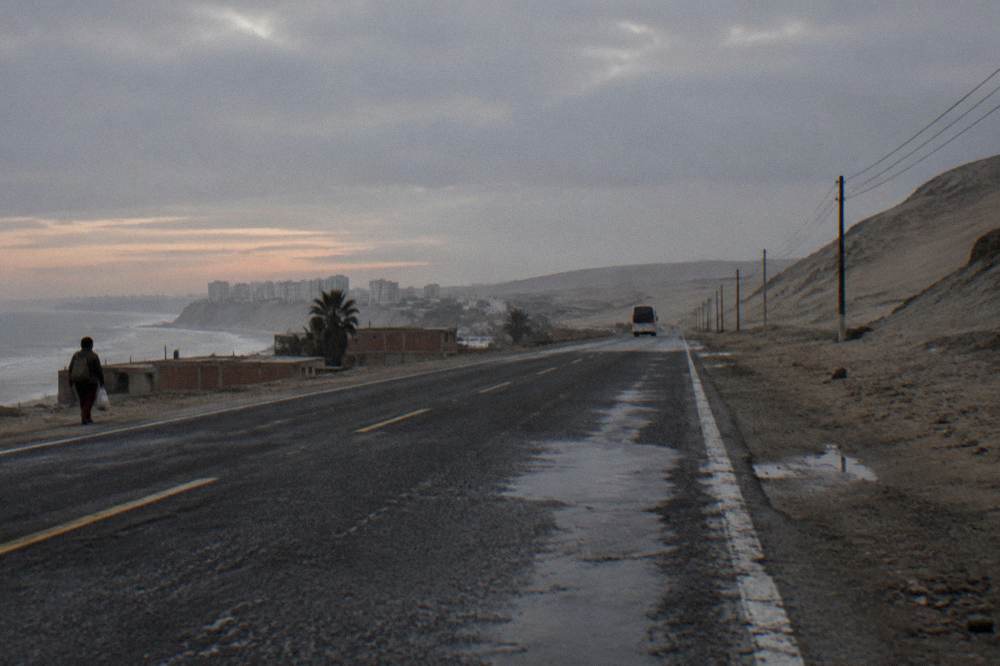
Practical safety, as opposed to statistical safety, is mostly terminal discipline. Keep your daypack on your lap rather than the overhead rack, keep your phone and passport on your body rather than in checked luggage, and ignore strangers who offer to carry your bags or rebook your ticket inside the terminal. Use the operator's own counter and nothing else. This is standard advice for every terminal in Peru, and it is more about opportunistic theft than any organized threat.
There is one more layer worth naming. Travelers sometimes ask whether the north coast is dangerous because of old reporting about crime in the northern regions. The State Department's Level 4 areas in Peru are specific and published, and the tourist corridor between Lima and Trujillo is not among them. Read the advisory yourself, region by region, rather than relying on a summary, and check the FCDO's Peru page before you lock in dates, since both governments update their guidance on short notice.
What About Flying From Lima To Trujillo Instead?
Flying is the time-efficient alternative, and the domestic market that serves it is competitive in 2026, with LATAM, JetSMART and Sky Airline all operating scheduled routes from Lima. The same three airlines fly the Lima to Cusco route at high frequency, LATAM at roughly 189 flights a week in sample periods, which tells you the domestic network is deep and fares are worth comparing. Book direct with the airline and watch the baggage rules.
The domestic airline picture is the strongest argument for flying. LATAM operates the highest frequencies in the country, followed by JetSMART and Sky Airline, and the north coast is a short, well-served domestic hop out of Lima. On the comparable Lima to Cusco route, flight time runs 1 hour 20 minutes to 1 hour 25 minutes against a bus ride of 21.5 to 24 hours, and while the Trujillo flight is a different route, the same arithmetic logic applies: anywhere a bus takes the better part of a day, an hour and a bit in the air buys you a full extra travel day.
The cost logic is less one-sided than people assume, and it turns on two things. First, the cheapest bus cabin will almost always undercut any airfare on the same corridor, sometimes by a wide margin, so if budget is the driver, the bus wins. Second, the flight costs you the coast itself. The road north runs through desert that most visitors never otherwise see, and the window seat on the Pan-American Highway is the only way to see it. Travelers who fly everywhere in Peru often describe the trip as a blur of airports, and the bus is how you actually understand the scale of the country.
One Cusco-specific lesson transfers directly. Cusco's airport sits at 3,310 m, among the world's highest commercial fields, which forces weight restrictions and makes afternoon flights there more delay-prone as cloud builds. Trujillo's airport has no such elevation problem, being on the coast, so the weather-cancellation anxiety that seasoned Peru travelers carry about mountain flying simply does not apply to the north. Flights there are ordinary lowland hops, disrupted mainly by Lima's own fog rather than by anything at the destination.
The honest summary for most readers of this site is this: if Trujillo is a stop on a wider loop that also includes Cusco and Machu Picchu, fly the long legs and save your ground hours for the corridors where the scenery justifies them, which in Peru means the south. If your trip is Lima plus the north coast only, take the bus at least one way, because the desert coast is the point of the trip.
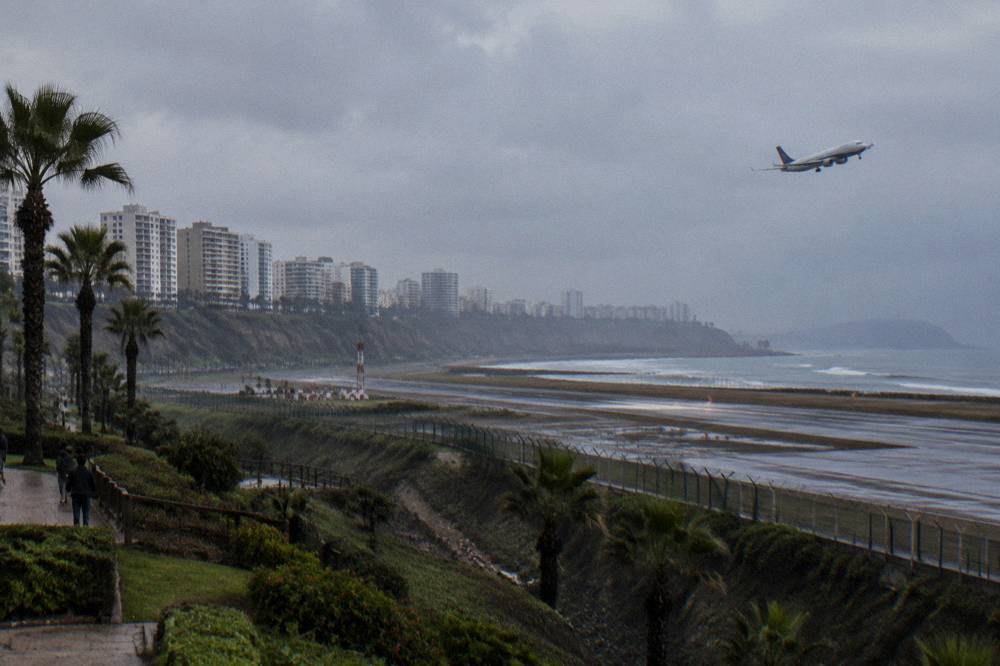
Why Do Most Peru Itineraries Skip The North Coast?
Most Peru itineraries skip the north coast because the country's headline attractions cluster in the south, and the transport networks built for tourists follow them. Cusco at 3,399 m serves as the hub for Machu Picchu at 2,430 m, the Sacred Valley and Lake Titicaca at 3,827 m, while the north coast sits on a separate corridor with no tourist pass and no train.
The southern cluster is what the whole tourist economy is built around. From Lima you can reach Paracas and Huacachina on a single booked day trip, the Premium Day Trip with Sunset Toast runs from $67 with a 4.9 rating across 9,650 reviews, and from there the corridor continues through Nazca, where the overflight of the lines starts at $249 for a 35-minute flight, to Arequipa at 2,335 m, the ideal acclimatization stop before the altiplano. That geography, sea, desert, canyon, altiplano, cloud forest, is a coherent ladder, and it is the ladder almost every first-time visitor should climb.
Machu Picchu is the anchor at the top of it, and it deserves a paragraph of its own because it is also this page's featured tour. The citadel sits at 2,430 m, reached from Cusco by road to Ollantaytambo at 2,792 m and then a 43 to 44 km train ride to Aguas Calientes, typically 1 hour 20 minutes to 1 hour 45 minutes. The Full-Day Group Tour of Machu Picchu from Cusco handles the whole chain in one booking, bus, train, the citadel itself and a guided tour, over roughly 12 hours, from $332, with a 4.7 rating from 2,307 reviews. The Vistadome alternative costs from $419, holds a 5.0 from 317 reviews, and adds about four hours to the day.
Machu Picchu's entry rules tightened for 2026, and they matter to anyone planning the southern half of a trip that starts or ends on the north coast. Daily capacity runs at 4,500 in regular season and rises to 5,600 on specific high-season dates, entry runs on timed hourly windows with a 30-minute grace period, tickets are nominal and bought through the official portal, and guide groups are capped at 16. On top of that, up to 1,000 in-person tickets a day remain available in Aguas Calientes. The practical takeaway is simple and unglamorous: buy ahead, because the rules now assume you did.
| Machu Picchu rule, 2026 | What it means for you |
|---|---|
| Daily capacity 4,500, rising to 5,600 on high-season dates | Book well before you leave home |
| Three circuits, ten routes, hourly entry windows | Choose your circuit when you buy, the ticket binds you to it |
| Nominal tickets via the official portal | Personal details must match your passport |
| Guide groups limited to 16 | Group tours are deliberately small |
| Up to 1,000 in-person tickets daily in Aguas Calientes | A genuine fallback, not a plan |
Where Does Trujillo Fit In A Longer Peru Itinerary?
Trujillo works best as the anchor of a dedicated north coast loop rather than as one stop on a grand tour, because reaching it and returning eats two long travel days from Lima. A sensible pattern is Lima, the north coast, then back to Lima, and only then the southern corridor, acclimatizing in Arequipa before the altiplano and Cusco. Travelers who try to bolt the north onto a southern itinerary usually lose a full day to backtracking.
The backtracking problem is structural, not a matter of planning skill. There is no fast or scenic link from Trujillo to the southern highlands; every path runs back through Lima or through very long mountain roads that the safety advisories specifically warn about for overnight travel. So the north coast is either your trip, or a distinct chapter of it with its own return to Lima. Two weeks is the realistic minimum for both chapters, and the site's two-week Peru itinerary and three-week Peru itinerary guides show how the southern chapter alone fills that time comfortably.
For the southern chapter, the pieces on this site slot together cleanly. From Lima, the Paracas and Huacachina day trip compresses the coast into one day, from $119, with a 4.8 rating from 2,636 reviews and a sunset toast at the oasis. From Arequipa, the scenic Colca to Puno bus, from $41.03 with a 4.7 rating from 88 reviews, crosses the canyon rim with photo stops en route. Between Puno and Cusco, the Route of the Sun bus, from $50 with a 4.7 rating from 633 reviews, takes about 11 hours with a buffet lunch and cultural stops. Each of those bookings replaces a logistics puzzle with a ticket.
Altitude deserves one early decision in any combined plan. The northern coast sits at sea level, while the southern chapter ends at Puno, 3,827 m, and Lake Titicaca's surface at 3,812 m. The standard guidance is to ascend gradually, using Arequipa at 2,335 m as the acclimatization stop, rest on arrival, hydrate, eat light and skip alcohol for the first nights. Flying straight into the altiplano raises the risk, which is one more argument for doing the south overland after a coastal chapter: your body climbs the ladder instead of teleporting to the top of it. The site's guide to altitude sickness on the bus routes covers the detail.
The border extension is also worth knowing about even if you never use it, because it explains the southern corridor's gravity. From Puno, Copacabana in Bolivia is 140 to 155 km away through the Kasani border, typically 3 to 4 hours door to door, and Isla del Sol boats leave Copacabana's pier around 08:30 and 13:30 daily. Since December 1, 2025, US, UK, EU, Canadian and Australian tourists have been visa-free for 90 days in Bolivia, with free online pre-registration required. A combined Peru-Bolivia trip almost writes itself along the southern corridor, and it never comes within a day's drive of Trujillo.
What Should You Sort Out Before You Commit To The North Coast?
Decide your corridor split first, north or south or both, because that single choice drives every booking. If it is both, book the long legs early, fly the Trujillo return, ride the southern corridor overland, and reserve Machu Picchu entry and train seats before you leave home, since the 2026 quota and circuit rules penalize late planners hardest. Read the official advisories yourself, and build one buffer day into each chapter.
Start with the corridor question. If your trip is under two weeks, pick one chapter and do it properly, and for most first-time visitors that chapter is the south, because it holds the headline attractions and the transport is built for tourists. If you have three weeks or more, both chapters work, with the north first while you are still at sea level and the south after, letting your body use Arequipa as the acclimatization step. The backpacking Peru route and how to get around Peru guides walk through the full sequence.
Then book in the right order. Flights and the long bus legs first, because those fares move. Machu Picchu entry and the Cusco train seats second, because the 2026 rules make those the scarcest items on any Peru itinerary, with the full-day group tour from $332 bundling the moving parts. Southern corridor day trips and buses third, since those are the most flexible and several carry free cancellation, including the Paracas day trip, the Route of the Sun bus and the Colca to Puno bus. Trujillo's own bookings, hotels and any local tours, come last, because the north coast runs on conventional bookings that do not sell out weeks ahead the way Machu Picchu does.
Build the buffer in. The verified reporting on 2026 shows why: fuel-price protests that began in August caused blockades in several regions, and while none persisted on the main tourist corridors through September, the pattern in Peru is that road disruptions arrive with little warning and reopen without a published schedule. The State Department's advisory language is explicit that closures may happen "without warning or clear information on reopening times." One loose day in each chapter, plus a morning rather than evening flight into Lima at the start, absorbs almost everything that realistically goes wrong.
Finally, carry the paper. A named bus ticket, a passport that matches it, printed Machu Picchu entry with your circuit printed on it, and the confirmation emails from every operator. Peru rewards travelers who can show a document at a counter, and the north coast, where you are riding the same conventional network as everyone else rather than a tourist service designed around you, rewards it most of all.
| Decision | Book early or flexible | Why |
|---|---|---|
| Trujillo flights or bus | Early | Long legs cost most when bought late |
| Machu Picchu entry and trains | Early | 2026 quotas and timed circuits are the scarce items |
| Southern day trips and buses | Early, most allow free cancellation | Flexible corridor products are rebookable |
| Trujillo hotels and local tours | Flexible | Conventional bookings, rarely scarce |
| Buffer day per chapter | Plan it in | Road disruptions in Peru arrive without warning |
Common Questions About Lima To Trujillo
Does Peru Hop go from Lima to Trujillo?
No. Peru Hop's network covers the southern corridor only, Paracas, Huacachina, Nazca, Arequipa, Puno and Cusco, and Cusco is the end of the line. There is no hop-on hop-off pass for the north coast, so you book a conventional long-distance bus or a flight.
How do you get from Lima to Trujillo without a tour?
Buy a long-distance bus ticket from an operator such as Cruz del Sur or Oltursa at a Lima terminal or on the company's own website, or fly with LATAM, JetSMART or Sky Airline from Lima's airport. Tickets are nominal and checked against your passport at boarding.
Is the bus from Lima to Trujillo safe?
It is among the corridors official advisories treat most favorably. The US State Department permits its employees to ride commercial buses at night on the Pan-American Highway, this route's road, while prohibiting their nighttime road travel almost everywhere else in Peru. Both the US and UK advisories say to use reputable companies and avoid overnight travel in mountainous and remote regions, which this coastal corridor is not.
Should you fly or take the bus to Trujillo?
Fly if time is short, since the domestic network is deep in 2026 and the flight is a short lowland hop. Take the bus if budget matters or you want the coastal desert scenery, which the flight skips entirely. Many travelers fly one way and ride the other.
Can you visit Trujillo and Machu Picchu on the same trip?
Yes, with three weeks or more. Treat them as two chapters: Lima and the north coast first, then back through Lima to the southern corridor, acclimatizing in Arequipa before Cusco. There is no direct link between the north coast and the southern highlands that avoids backtracking.
How far ahead should you book the southern part of the trip?
Book Machu Picchu entry and the Cusco train seats first and early. The 2026 rules cap daily capacity at 4,500, rising to 5,600 on high-season dates, with timed circuits and nominal tickets. Southern day trips and buses can follow, and several of them carry free cancellation.