Cusco To Machu Picchu By Train
There is no road to Machu Picchu. The last leg is a 43 km train ride from Ollantaytambo to Aguas Calientes, and how you book it shapes your whole day.
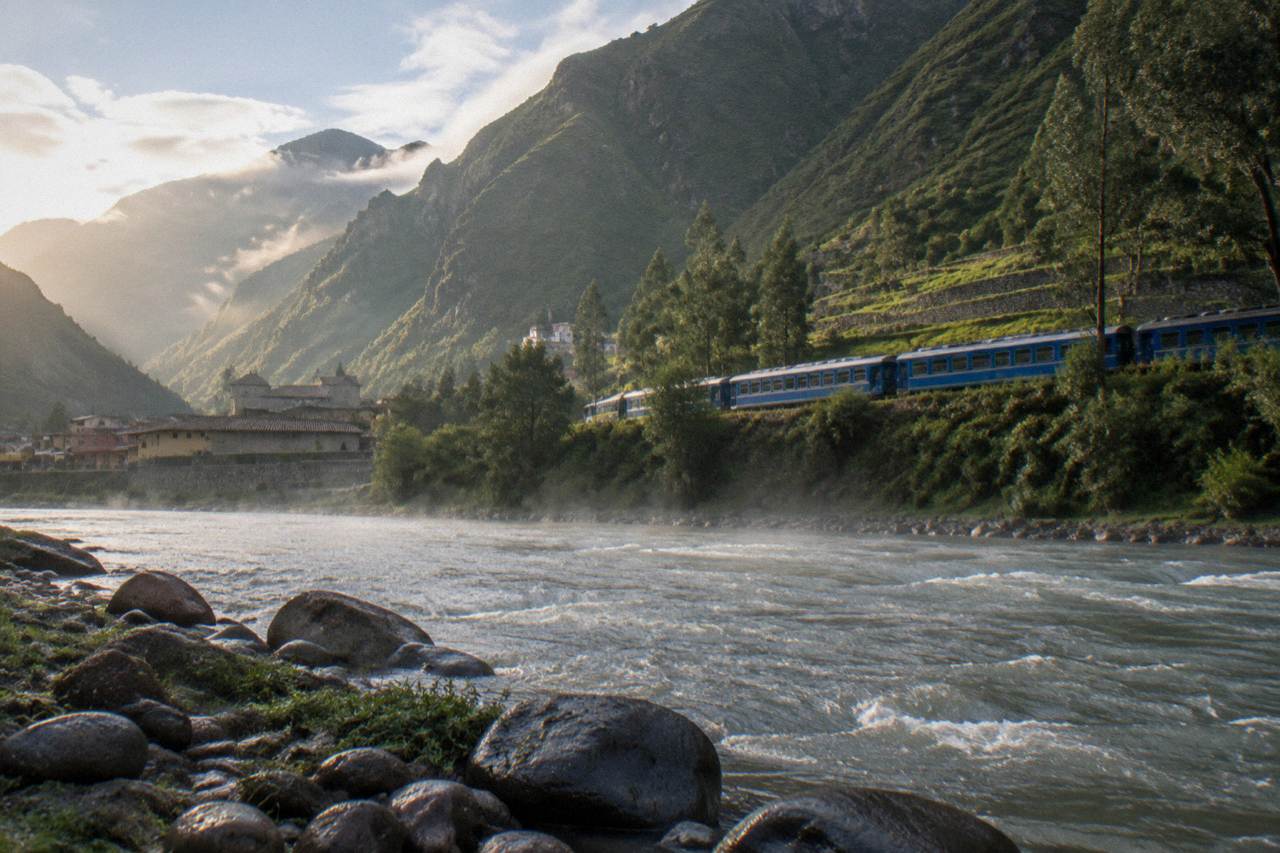
Short answer
The Cusco to Machu Picchu train runs from Ollantaytambo, 62-72 km and 1 to 1.5 hours by road from Cusco, then 43 km by rail to Aguas Calientes in about 1 hour 30 minutes. PeruRail and Inca Rail both run several daily departures. A full-day group tour from Cusco starts at $332 with the train included.
How Does The Cusco To Machu Picchu Train Actually Work?
Machu Picchu sits at 2,430 m on a ridge with no road access, so every visitor arrives the same way: a train to Aguas Calientes, the town in the gorge below the ruins, then a 20-30 minute bus up the switchback road. Cusco sits at 3,399 m, 62-72 km by road from Ollantaytambo station, where most trains depart. The rail leg covers about 43 km in 1 hour 20 minutes to 1 hour 45 minutes.
The geography explains the logistics. The ruins were built on a ridge between two peaks, above a bend of the Urubamba river, and the modern town of Aguas Calientes (also called Machu Picchu Pueblo) exists almost entirely to serve visitors arriving by rail. There are no cars in town beyond the shuttle buses, and the only way in or out is the train or the Inca Trail on foot. That single fact drives every price and every timetable decision on this route.
Most travelers do not board the train in Cusco city itself. The practical route is: a road transfer from your Cusco hotel to Ollantaytambo station, roughly 1 to 1.5 hours through the Sacred Valley, then the train from Ollantaytambo to Aguas Calientes. PeruRail also lists a bimodal bus-plus-train service from Cusco, and Inca Rail runs its own shuttle connection from Cusco to its Ollantaytambo departure point. Whichever you choose, the rails start in earnest at Ollantaytambo, which sits at 2,792 m and is noticeably lower and warmer than Cusco.
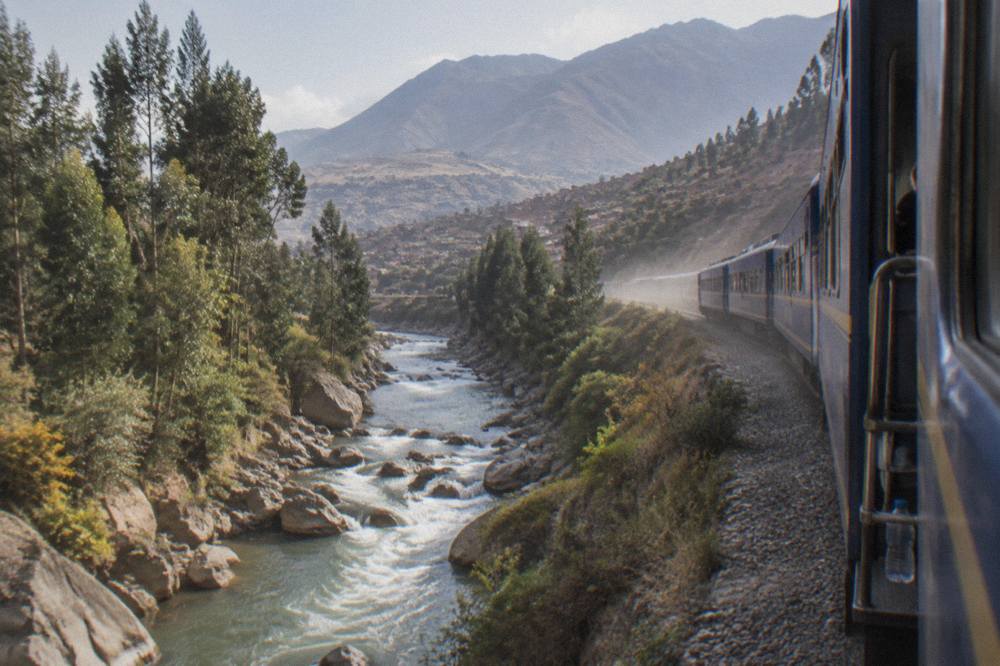
The full journey, door to citadel, is a long day. Between the road transfer, the train, the shuttle bus queue and the entry process, a same-day return from Cusco typically runs 12 to 16 hours, which is why so many visitors either book a packaged full-day tour or split the trip with a night in Aguas Calientes or the Sacred Valley (see Lima or Cusco entry). If you are building the wider southern Peru loop by bus, this rail leg is the one part of the route where a hop-on-hop-off pass hands you off: Peru Hop's southern route ends at Cusco, and Machu Picchu itself is reached by train or trek from there, never by their buses.
Which Station Should You Leave From: Cusco, Ollantaytambo Or Poroy?
Ollantaytambo is the station to plan around. It is 62-72 km and 1 to 1.5 hours by road from Cusco, it sits at 2,792 m in the Sacred Valley, and both PeruRail and Inca Rail run multiple daily departures from it. Trains from Cusco city or the Poroy station up the hill involve either a bimodal bus connection or a longer, more expensive ride, and the Ollantaytambo departure gives you the most schedule options.
The three departure points each suit a different traveler. Ollantaytambo is the default: it is closest to the rails, it has the deepest schedule, and spending a night before in the town means a short, calm morning instead of a pre-dawn drive from Cusco. Cusco departures suit people who want one booking covering the whole way, accepting the bus-plus-train bimodal structure that PeruRail runs. Poroy, a small station high above Cusco, appears on some premium services such as the Belmond Hiram Bingham; it is the most expensive way to start the day and the least flexible if anything goes wrong upstream.
Here is how the departure options compare on the practical numbers that actually shape the day:
| Departure point | Road leg to station | Rail leg to Aguas Calientes | Best for |
|---|---|---|---|
| Ollantaytambo (2,792 m) | 62-72 km, 1-1.5 hrs from Cusco | ~43 km, 1h20-1h45 | Most schedule choice, cheapest overall |
| Cusco city (bimodal) | Bus to the rail connection included | Connection + rail, longer total | One-booking simplicity |
| Poroy | ~20-30 min drive uphill from Cusco | Premium services only | Luxury day trips |
PeruRail publishes its schedules and frequencies on its official site, with several departures a day from Ollantaytambo in the early morning window (around 5:05 to 7:05 am arrivals into Aguas Calientes between 6:37 and 8:27 am) plus afternoon options. Inca Rail lists its own daily departures, roughly 6:40 am, 7:22 am and 11:15 am among them, with journey times of about 1h21 to 1h42. Those morning slots matter more than they look: entry to Machu Picchu runs on timed hourly windows from about 6:00 to 16:00, and catching an early train is what makes a comfortable same-day return from Cusco possible at all.
If you are arriving into Cusco by air the same week, plan a buffer. The current Alejandro Velasco Astete airport sits at 3,310 m, one of the world's highest commercial airports, and altitude and weather affect operations there more than at coastal airports. The Lima To Cusco route guides cover the flight-versus-bus trade-off in detail if you are still deciding how to reach Cusco itself.
There is a shortcut worth knowing about: rather than assembling the transfer, train, shuttle bus and entry ticket separately, you can book a packaged day. The most-booked version on this route is the Full-Day Group Tour from Cusco, which stacks the whole chain into one itinerary.
Should You Book The Train Yourself Or A Full-Day Machu Picchu Tour?
Booking yourself means four separate purchases: transfer, train, entry ticket and shuttle bus, each with its own refund rules, and any mismatch strands you. A full-day tour bundles all four. The Full-Day Group Tour from Cusco starts at $332, rated 4.7 from 2,307 reviews, about 12 hours; the Full-Day Vistadome Train version starts at $419, rated 5.0 from 317 reviews, about 16 hours with free cancellation.
The self-booked route suits confident planners and people who want to pick a specific train class or a night in Aguas Calientes. You buy the train directly from PeruRail or Inca Rail, the entry ticket from the official Ministry of Culture portal, and the shuttle bus in Aguas Calientes. Every one of those is a separate transaction with separate terms, and the entry ticket in particular is nominal and personalized, so name changes are not a casual fix.
The tour route suits everyone else, which is most people. The "Full-Day Group Tour" pairs a bus ride from Cusco to Ollantaytambo with the train, the shuttle buses and a guided tour of the citadel in a group. It has a large review pool, 4.7 from 2,307 reviews, and it carries the site's Top Rated badge. Note its trade-off plainly: the listing shows no standard free-cancellation policy, so a late change of plans may cost you. The operator's live listing shows the exact terms.
The premium alternative is the "Full-Day Vistadome Train" tour, which uses PeruRail's Vistadome service with its panoramic windows and observation car. It runs about 16 hours, starts at $419, holds a 5.0 rating from 317 reviews, and does carry free cancellation. The gap between $332 and $419 is essentially the price of the upgraded train class and the longer, more comfortable day. Check availability on the Vistadome listing if panoramic windows matter to you; the same day on a standard class is the cheaper route.
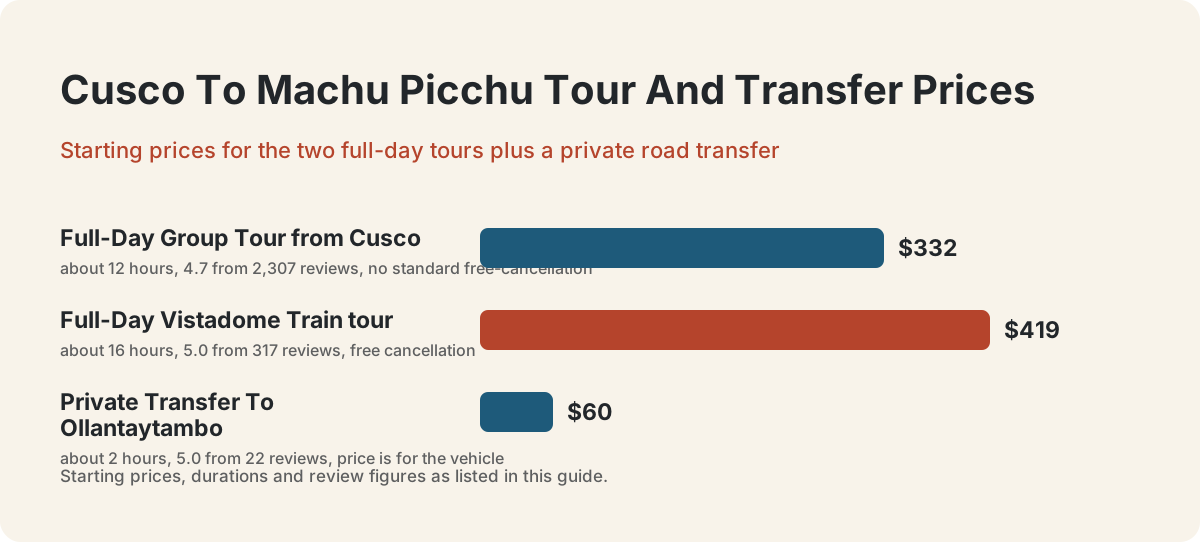
A middle option many families and small groups take: book the train and tickets yourself, but buy a private road transfer to the station so the morning is not a scramble. The "Private Transfer To Ollantaytambo" runs about 2 hours, starts at $60 for the vehicle, and holds a 5.0 rating from 22 reviews with free cancellation. That is covered in detail further down.
PeruRail vs Inca Rail: Which Operator Should You Book?
Both operators run the same 43 km track from Ollantaytambo to Aguas Calientes in roughly 1h20 to 1h45, several times daily, so the choice is about seat class, price and schedule fit rather than speed. PeruRail runs Expedition, Vistadome and luxury services including the Hiram Bingham; Inca Rail runs Voyager, 360 and its own premium classes. Neither operator's pricing is published on this site, so check each live listing for the fare.
The fleets differ in character. PeruRail, the long-established operator, runs the budget-leaning Expedition cars, the panoramic Vistadome, and the Belmond Hiram Bingham at the very top, a near all-inclusive luxury day. Inca Rail, the younger competitor, runs the Voyager, the 360 with wraparound windows, and a first-class service aimed squarely at the premium leisure market. Both publish full schedules on their own sites: PeruRail at its official schedules page, and Inca Rail through its own FAQ section, which confirms journey times of about 1h21 to 1h42.
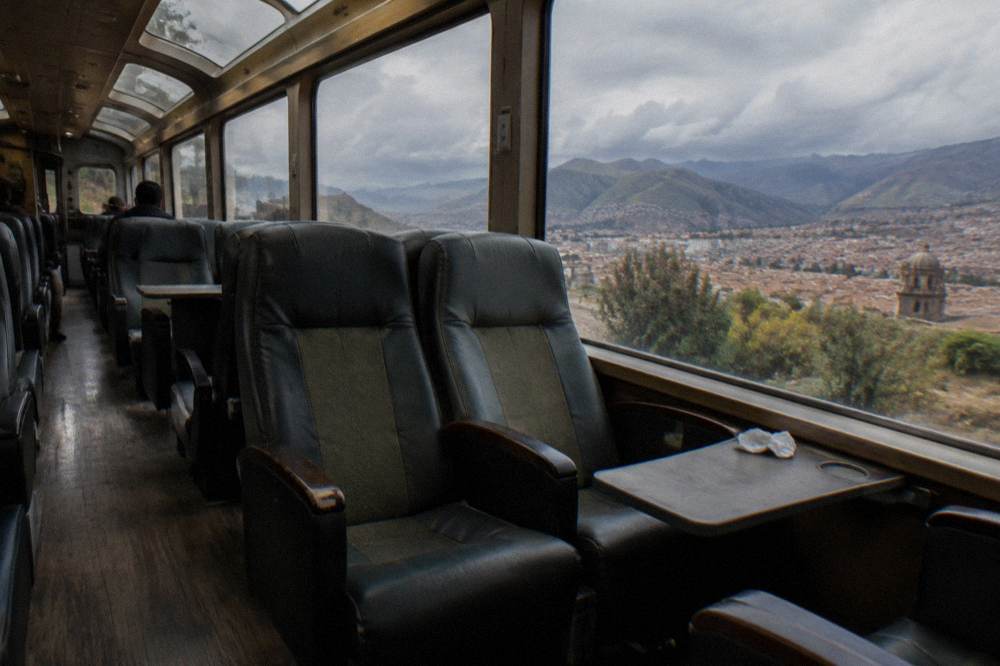
What actually differs, in practical terms:
| Factor | PeruRail | Inca Rail |
|---|---|---|
| Core route | Ollantaytambo to Aguas Calientes | Ollantaytambo to Aguas Calientes |
| Typical journey time | ~1h30 (1h20-1h45 range) | ~1h21-1h42 |
| Budget class | Expedition | Voyager |
| Panoramic class | Vistadome (observation car) | 360 (wraparound windows) |
| Top-end service | Belmond Hiram Bingham | The Private / First Class |
| Departures from Ollantaytambo | Multiple daily | Multiple daily |
Two honest notes from the reporting. First, seat class matters less than departure time: an Expedition seat on a 5 am train beats a Vistadome seat that arrives after your entry window. Book the timetable first, then upgrade the class. Second, both operators run to the same Aguas Calientes station and the same shuttle bus queue, so there is no arrival advantage either way. Choose on price and schedule fit for your dates, and hold the upgrade money for the entry ticket or a guide.
If your Peru trip continues south after Machu Picchu, note there is also a long-distance scenic train on a different corridor: the PeruRail Titicaca train between Cusco and Puno, about 10 hours, from $395 on the operator's listing with 294 reviews and no star rating yet. The Cusco to Puno bus guide covers the cheaper 6-9 hour road alternative with the Route of the Sun stops.
How Do Machu Picchu Entry Tickets And Circuits Work?
Machu Picchu operates on timed, hourly entry windows from roughly 6:00 to 16:00, sold as personalized tickets through the official portal, with 3 main circuits and 10 sub-routes. Daily capacity is 4,500 visitors in regular season, rising to 5,600 on specific high-season dates in 2026, guide groups are capped at 16, and up to 1,000 in-person tickets a day are sold in Aguas Calientes.
The circuit system is the part that catches self-bookers out. You do not buy a general entry; you buy a specific route through the site. Circuit 1 is the panoramic upper routes with variants like Inti Punku or the Inca Bridge in high season, Circuit 2 is the classic central route, and Circuit 3 (Realeza) covers the lower terraces with Huayna Picchu options. Your ticket names the circuit, the date and the hour, you get a 30-minute grace period on the window, and the whole system runs through the official ticketing portal, which currently gives you 15 minutes to complete a purchase once you select tickets. Tickets are nominal, tied to the passport holder, and the purchase flow reflects Ministry of Culture resolutions in force for 2026.
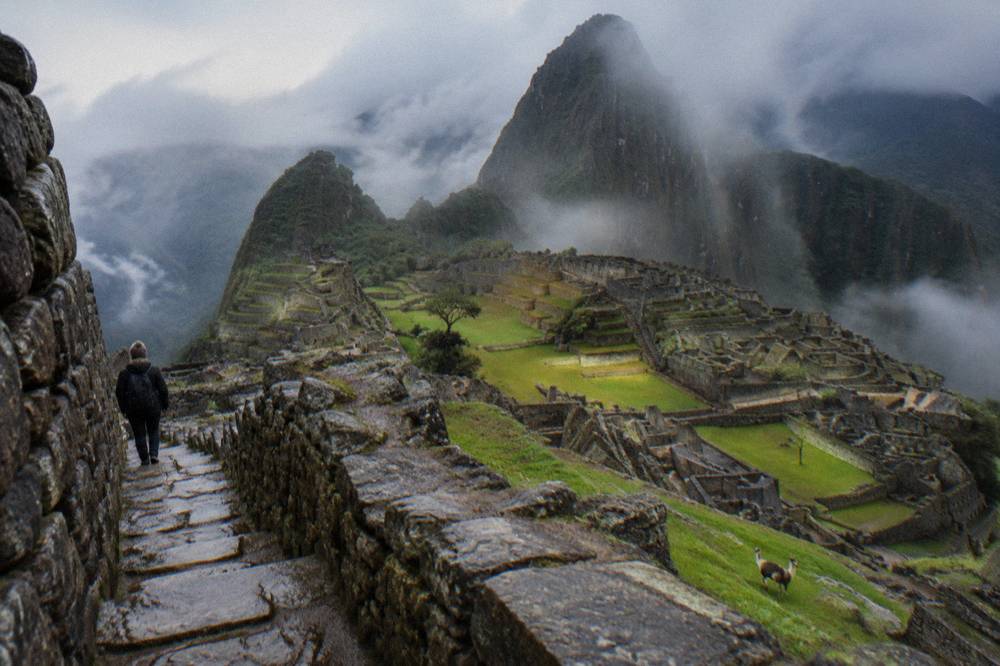
The high-season capacity dates are worth writing down: 1 January, 2-5 April, 19 June to 2 November, and 30-31 December 2026. Those windows sell out first because they align with dry-season weather and the June peak around Inti Raymi. The dry season, May to October, is the most reliable for clear views; November to March brings rain and a higher chance of cloud sitting on the ridge, though the site runs year-round. If you want the classic postcard light, book the earliest train you can and take a morning entry window.
This is the single strongest argument for a packaged tour on a tight schedule. A tour operator buys entry tickets in blocks, assigns a licensed guide to your group of at most 16, and sequences your train times against the entry window. Miss a self-booked window because a train ran late and the rebooking problem is entirely yours. Whether you go packaged or solo, altitude sickness on the bus routes is worth reading before the trip: Aguas Calientes at roughly 2,000 m in the gorge is actually lower than Cusco, and most people feel better as the day goes down, not up.
One logistical note for anyone building the trip from Lima: the Lima to Machu Picchu guide lays out the full two-day chain of flight, Cusco night, train and citadel. Do not attempt the whole thing in a single day from the coast; there is no schedule that makes it work.
Do You Need A Private Transfer To Ollantaytambo Station?
If you booked your own train tickets, you need a road transfer from Cusco to Ollantaytambo, 62-72 km taking 1 to 1.5 hours. The Private Transfer To Ollantaytambo runs about 2 hours door to door, starts at $60 per vehicle, and holds a 5.0 rating from 22 reviews with free cancellation. Tours that leave from Cusco already include this leg in their itinerary.
The self-booked morning is the weak point of the whole plan. Trains leave Ollantaytambo from about 5:05 am, which means leaving a Cusco hotel around 3:30 am for the drive through the dark Sacred Valley. A pre-booked private transfer removes the single biggest failure mode, which is standing on a Cusco corner at 3:30 am with no confirmed car. The transfer is priced per vehicle, not per person, so for three or four travelers the per-head cost approaches that of a shared shuttle while keeping the schedule entirely yours.
For travelers landing in Cusco and heading straight into the Sacred Valley, the same logic applies at the airport end. The airport sits at 3,310 m, and the "Private Transfer, Shared Rate" from the airport to your hotel starts at $13 per group with a 4.8 rating from 251 reviews, a 20-25 minute ride with free cancellation. Booking it before you land means one less negotiation at 3,310 m, when the altitude headache is doing the negotiating for you.
An honest note on altitude sequencing: Cusco at 3,399 m is higher than Machu Picchu at 2,430 m and Ollantaytambo at 2,792 m. Some itineraries therefore sleep the first night in the Sacred Valley or Ollantaytambo and ride the morning train from there, ascending gradually and skipping a night of Cusco altitude entirely. If your plan allows it, a Sacred Valley first night plus an Ollantaytambo departure is the gentler sequence, and it converts the 3:30 am drive into a five-minute walk to the station.
What Does A Realistic Train Day From Cusco Look Like?
A same-day return runs 12 to 16 hours door to door: a roughly 3:30-5:00 am start in Cusco, a 1-1.5 hour transfer to Ollantaytambo, a train of 1h20 to 1h45 to Aguas Calientes, a 20-30 minute shuttle up the mountain, a timed entry window with a guided circuit, and the same chain in reverse. The Full-Day Group Tour covers this in about 12 hours; the Vistadome version takes about 16.
Here is the shape of the day, hour by hour, for a typical early-departure plan:
| Time | Leg | Notes |
|---|---|---|
| ~03:30-05:00 | Hotel pickup, Cusco to Ollantaytambo | 62-72 km, 1-1.5 hrs, dark drive |
| ~05:05-07:05 | Train to Aguas Calientes | ~43 km rail, 1h20-1h45 |
| ~06:37-08:27 | Arrive, walk to shuttle queue | Station is a few minutes from the bus stop |
| ~20-30 min | Shuttle bus up the switchbacks | Queues are longest mid-morning |
| Timed window | Entry + guided circuit | Hourly windows, 30-min grace, group of max 16 |
| Afternoon | Shuttle, train, transfer back | Late-afternoon trains exist but book ahead |
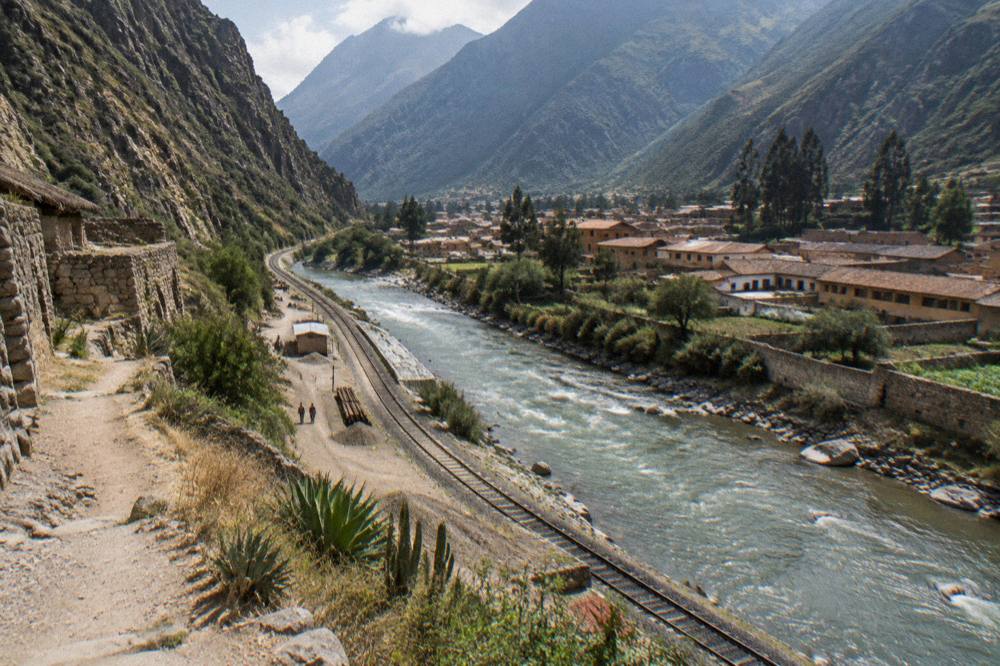
The buffer decisions are where days go wrong. Trains are generally reliable, but the whole chain is serial: a late transfer misses the train, a missed train misses the entry window, and entry windows are not transferable. Build at least one train departure's worth of slack into a same-day plan, or accept that an overnight in Aguas Calientes, with hot springs and an early start the next morning, is the lower-stress structure. Travelers on the packaged tours get this handled for them, which is a real part of what the $332 buys beyond the tickets.
Weather is the other variable. Morning fog in the valley and afternoon cloud build-up are the normal pattern, with the rainy season from November to March raising delay and cancellation risk on flights into Cusco more than on the trains. If your whole trip hinges on one day, fly into Cusco a day early. The new Chinchero International Airport, reported at roughly 40 percent construction progress, is still under construction, so current trips run through the existing Cusco airport unchanged; the existing airport in Cusco remains the one in use.
For the wider loop, the standard pattern this site documents holds: bus or hop-on-hop-off pass along the coast and altiplano, a stop or more in Cusco, then the train to Machu Picchu as the rail finale. Peru Hop, the hop-on-hop-off operator featured across this site, runs hotel pickup and drop-off with a bilingual host on every bus, and passes are valid up to one year with in-app date changes up to 12 hours before departure, which suits a loop that ends with a few fixed Machu Picchu dates. Its honest caveat: some legs run long or overnight, and a hop-on-hop-off pass costs more than a bare direct seat before you count the tours and taxis it replaces. See the Peru Hop pass options for the Lima to Cusco route if you are assembling the full southern loop.
Common Questions About The Cusco To Machu Picchu Train
How long is the train ride from Cusco to Machu Picchu?
Counting the road transfer from Cusco to Ollantaytambo, 62-72 km taking 1 to 1.5 hours, plus the rail leg of about 43 km in 1 hour 20 minutes to 1 hour 45 minutes, the journey runs roughly 3 hours each way before shuttle buses and queues. A full same-day round trip from Cusco takes 12 to 16 hours door to door.
Can you take a train directly from Cusco city?
Yes, as a bimodal bus-plus-train service. PeruRail runs a connection that starts with a bus from Cusco to the rail boarding point, and Inca Rail runs its own shuttle from Cusco to Ollantaytambo. Most travelers simply take a road transfer to Ollantaytambo station, where the main schedules are.
Is it better to book a tour or the train yourself?
Booking yourself gives full control of train class, date and entry circuit, but means four separate purchases (transfer, train, ticket, shuttle) with separate terms. A full-day tour bundles everything: the group tour version starts at $332, rated 4.7 from 2,307 reviews, and the Vistadome train version starts at $419, rated 5.0 from 317 reviews with free cancellation.
Do Machu Picchu tickets sell out?
Yes, on peak dates. Daily capacity is 4,500 visitors in regular season and up to 5,600 on high-season dates including 19 June to 2 November 2026, sold through timed hourly entry windows. Popular circuits sell out first, and up to 1,000 in-person tickets a day remain available in Aguas Calientes as a fallback.
Which is better, PeruRail or Inca Rail?
They run the same track at similar times, roughly 1h20 to 1h45 from Ollantaytambo, so the choice comes down to schedule fit, seat class and price on your date. PeruRail offers Expedition, Vistadome and the Hiram Bingham; Inca Rail offers Voyager, 360 and premium classes. Check each operator's own site for current fares.
How early should I arrive in Cusco before the train day?
At least one full day, ideally two. Cusco sits at 3,399 m, and arriving a day early gives your body time to adjust and gives your plan a spare day if flights or weather slip. Morning departures and an early arrival in Cusco are the two buffers that most reliably protect a fixed Machu Picchu date.