Cusco To Arequipa By Bus
The Cusco to Arequipa leg is really two bus rides joined at Lake Titicaca, and the travelers who enjoy it most are the ones who treat the join as the point of the trip rather than a delay.
Short answer
There is no single direct motorway feel to this trip: Cusco to Puno is about 388 km and 6 to 8 hours on direct buses (9 to 11 with scenic stops), then Puno to Arequipa is about 300 km and 6 to 7 hours. Scenic Cusco to Puno bus tours with buffet lunch run from $50, and the Colca to Puno tourist bus from $41.03.
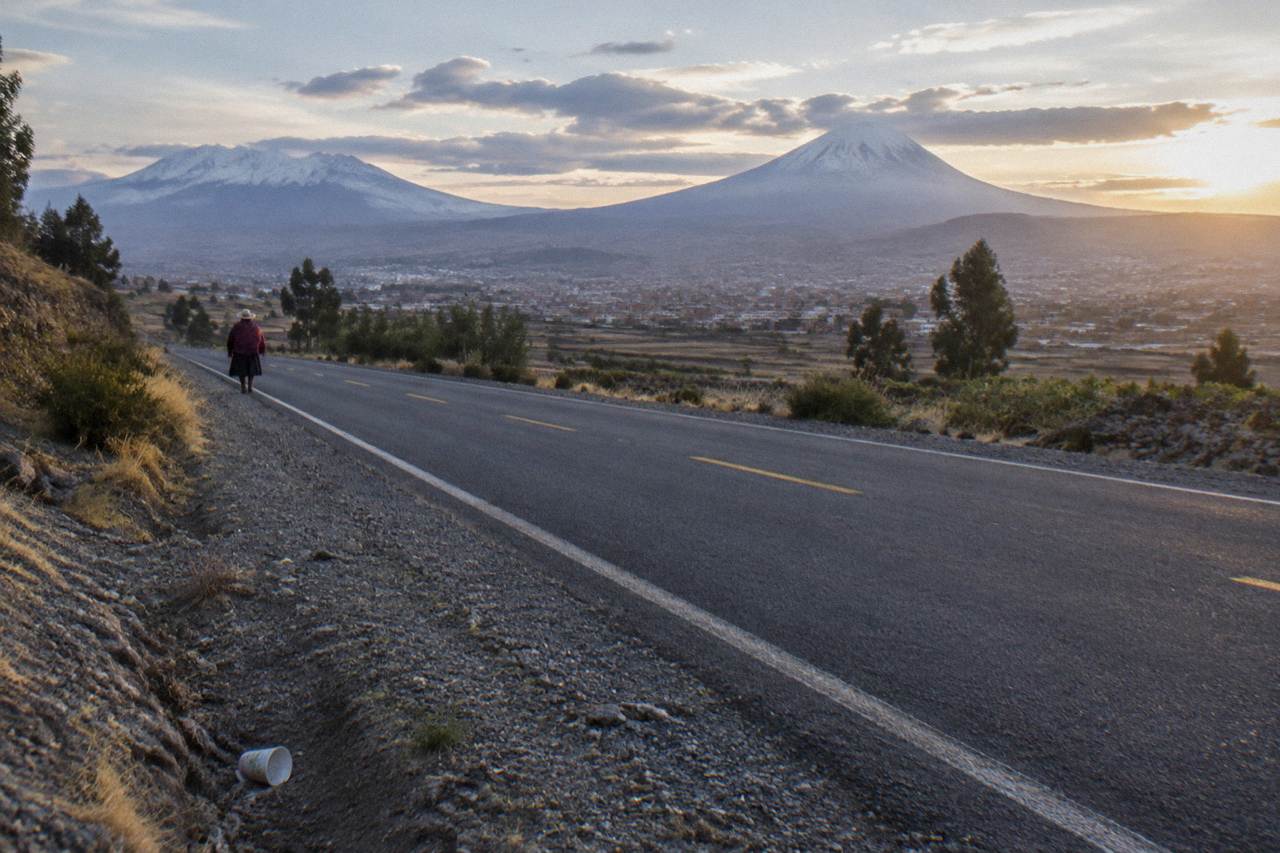
The southern Peru bus corridor does not run in a straight line. Between Cusco and Arequipa the Andes bulge into the altiplano, the high plain that holds Lake Titicaca at 3,812 m, and every scheduled bus, tourist coach and hop-on service threads through it. That geography is why this article keeps describing two legs rather than one: almost nobody rides Cusco to Arequipa as a single push, and the ones who try it usually wish they had slept in Puno instead.
How Long Is The Bus From Cusco To Arequipa?
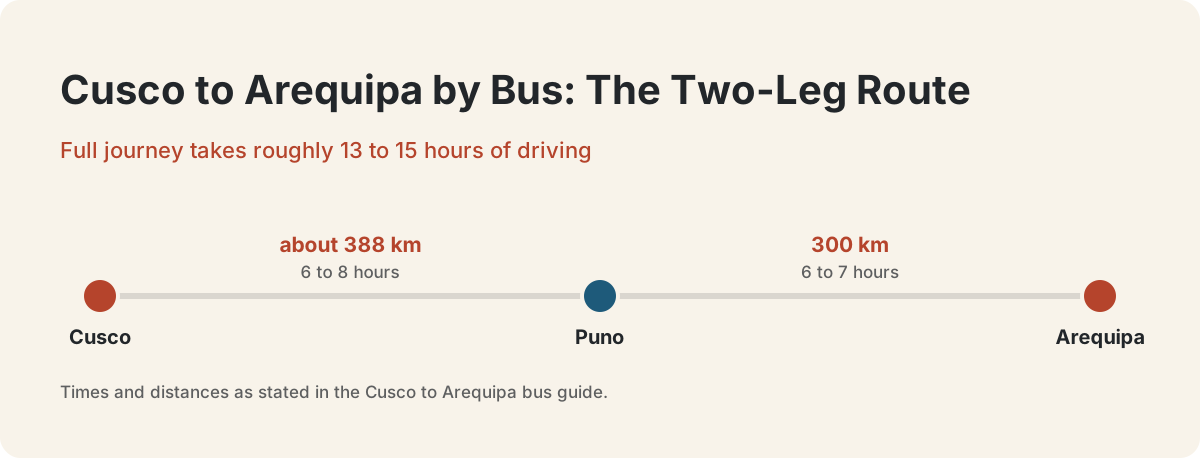
Expect the full journey from Cusco to Arequipa to take roughly 13 to 15 hours of driving, split across two legs. The first leg, Cusco to Puno, covers about 388 km and takes 6 to 8 hours on direct public buses, or 9 to 11 hours on scenic tourist services with cultural stops and lunch. The second leg, Puno to Arequipa, adds another 300 km and typically takes 6 to 7 hours.
The two-leg structure is worth internalizing before you book anything. The southern loop climbs out of Cusco at 3,399 m, crests the altiplano, and delivers you to Puno at 3,827 m, which is higher than where you started. From Puno the road descends for hours through Lagunillas and the salt flats view points before Arequipa finally appears at 2,335 m in its green valley. Your body notices the difference more than the schedule does.
Timing also depends on which product you buy. A bare public bus seat is a point-to-point machine: it leaves, it arrives, you handle your own luggage and connections. A tourist service such as the Cusco Route of the Sun to Puno runs a fixed 6:10 a.m. to 5:30 p.m. day because it stops at Andahuaylillas, Raqchi and other sites along the way, and lunch is included in the fare. The scenic day costs you three or four extra hours in exchange for the only sightseeing most people ever do on this stretch of road.
One practical note on scheduling: mountain roads in this region are occasionally affected by strikes or protests, and heavy-weather alerts for the Puno altiplano above 4,000 m do appear, as one did in late September 2026 for snow and wind. Check current conditions a day or two before departure, and keep your Arequipa plans loosely tethered to your Puno plans rather than booking a same-day chain of connections with no slack.
What Are Your Route Options From Cusco To Arequipa?
Two strategies work. The southern loop runs Cusco to Puno, then Puno to Arequipa, across two legs with the Titicaca region as your overnight base, and it is the right choice for almost everyone. The coastal loop swings through Nazca first, roughly 405 km and 9 to 10+ hours from Nazca to Arequipa, and only makes sense inside a bigger circuit that returns toward Lima.
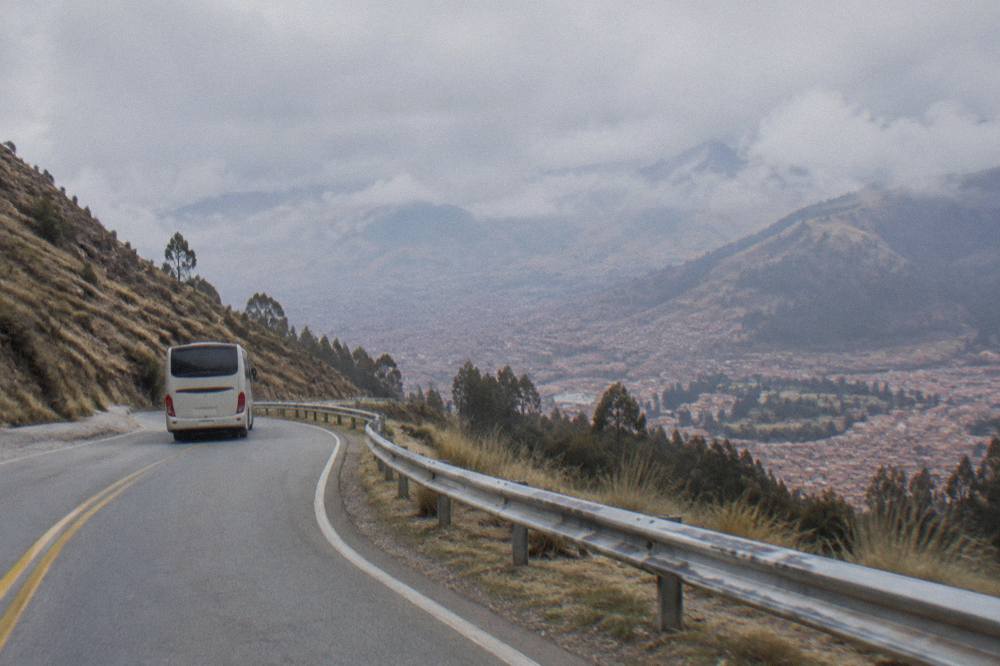
The southern loop is the default because each leg is short enough to do in daylight, and the midpoint is a destination in its own right. Our Puno to Cusco bus route guide covers the Cusco-Puno stretch in detail from the reverse direction, and the Arequipa to Puno bus guide covers the second leg; this page is where the two halves meet. If you are building a longer southern circuit, the loop can also absorb Colca Canyon between Puno and Arequipa, which is the single most popular add-on on this corridor.
| Route option | Legs involved | Typical time | Best for |
|---|---|---|---|
| Southern loop via Puno | Cusco to Puno, then Puno to Arequipa | 6-8 hours, then 6-7 hours | Almost every traveler; Titicaca stop included |
| Southern loop via Colca | Cusco to Puno, Puno to Chivay/Colca, onward to Arequipa | Multi-day | Travelers who want condors and canyon terraces |
| Coastal loop via Nazca | Cusco to Nazca area, then Nazca to Arequipa | Nazca-Arequipa alone 9-10+ hours | Bigger circuits that also include Lima, Paracas, Ica |
| Scenic bus variant | Route of the Sun stops on the Cusco-Puno leg | ~11 hours for the first leg | Turning the transfer into a guided day |
The coastal alternative belongs to a different kind of itinerary. Travelers coming down from Paracas, Huacachina and Ica reach Nazca on legs of roughly 119 to 143 km and 2 to 3 hours from Ica, then face the 405 km, 9 to 10+ hour run down to Arequipa, with averages around 10 hours 15 minutes on the main lines. That makes sense when Lima is also on your route. Coming from Cusco, adding the coast first means backtracking hundreds of kilometers, so treat it as a loop-builder rather than a shortcut.
For travelers who want flexibility rather than two separately purchased tickets, Peru Hop runs hop-on, hop-off services across this exact corridor, with hotel or hostel pickup and drop-off in participating locations so you skip the bus terminal with your bags, and a bilingual local host on every bus. Passes are valid up to one year from first use, with in-app date changes up to 12 hours before departure, subject to availability. It is one way to hold the whole southern loop open while you decide how long to stay in Puno.
There is also a middle path worth naming: the scenic bus. Instead of the cheapest direct seat, you book a day-tour-format service such as the Route of the Sun, which turns the Cusco-Puno transfer itself into the day's activity, with a buffet lunch and guided stops built into the schedule. For travelers whose real question is "how do I make 388 km of high plain interesting", that is the honest answer, and it pairs neatly with an overnight in Puno before the Arequipa leg.
Where Should You Stop Between Cusco And Arequipa?
Puno is the natural overnight, and from it three detours justify the whole trip: the Uros floating islands on half-day boats of 2 to 4 hours, Copacabana and Isla del Sol across the Bolivian border, and Colca Canyon, where condors ride the morning thermals at Cruz del Condor between roughly 7 and 10 a.m. in the dry season. Chivay, the canyon's base town, sits at 3,635 m.
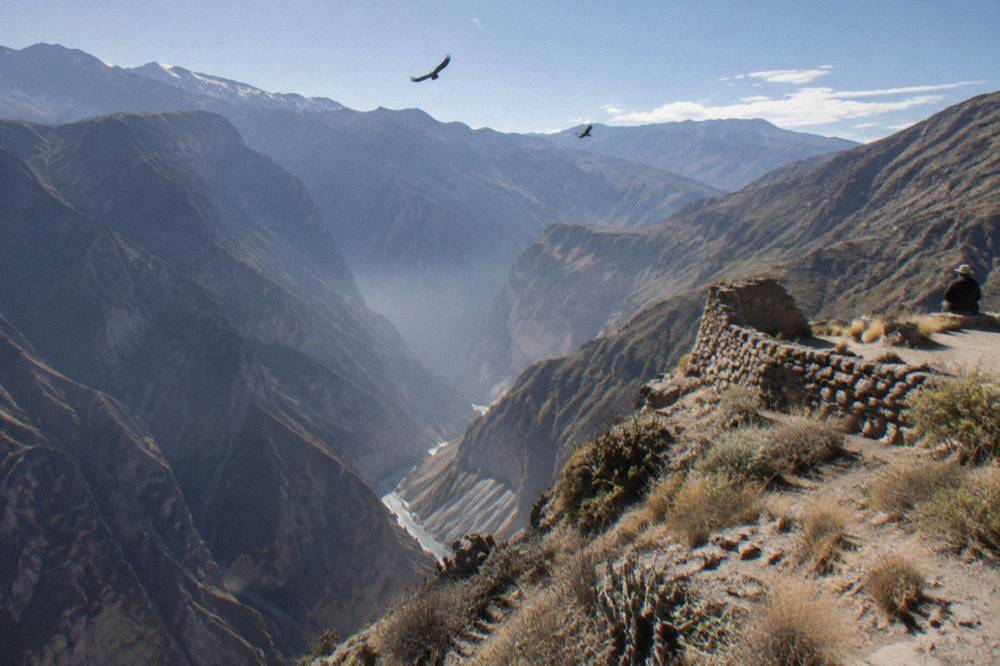
The Colca option deserves special attention because it slots between the two legs so cleanly. The scenic "Colca To Puno, Scenic Stops" tourist bus runs from Chivay to Puno in about 6.5 hours at from $41.03, rated 4.7 from 88 reviews on the operator's live listing, with free cancellation. That means you can ride Cusco to Puno, take a Colca Canyon tour from Arequipa in reverse, or string Chivay into the route so the canyon becomes the connective tissue rather than a side trip. Our dedicated Colca Canyon from Arequipa guide covers the full canyon logistics from the Arequipa end.
The Copacabana and Isla del Sol day tour from Puno is the easiest way to touch two countries in one stop: from $130, rated 4.8 from 30 reviews, running a full 12-hour day with free cancellation (see Peru Bolivia Itinerary). Door-to-door from Puno to Copacabana takes 3 to 4 hours including border formalities at Kasani, which typically run 30 to 90 minutes; the Peru-side post operates roughly 07:30 to 18:00 and the Bolivia side 08:30 to 19:00, so midday crossings are the comfortable choice. Aim for the 10:00 to 15:00 window if your schedule allows it.
If you would rather not leave Peru, the Uros floating islands are the short option: half-day boats from Puno run 2 to 4 hours, and community entry contributions are sometimes folded into the tour price, so check what your ticket covers. Responsible-visit practices matter here, buy handicrafts directly from the families and ask permission before photographs, and the same etiquette applies on Isla del Sol. Dry season from May to October is the preferred weather window for all of the lake stops, though access runs year-round.
How Much Does The Trip Cost Compared To Booking Tours Along The Way?
The bare seats are cheap, and the tours are what move the budget. The scenic Cusco to Puno bus tour with buffet lunch starts at $50, the Chivay (Colca) to Puno tourist bus at from $41.03, and Copacabana and Isla del Sol day tours from Puno at from $130. The outlier is the PeruRail Titicaca train at from $395, which is a comfort purchase rather than a transport necessity.
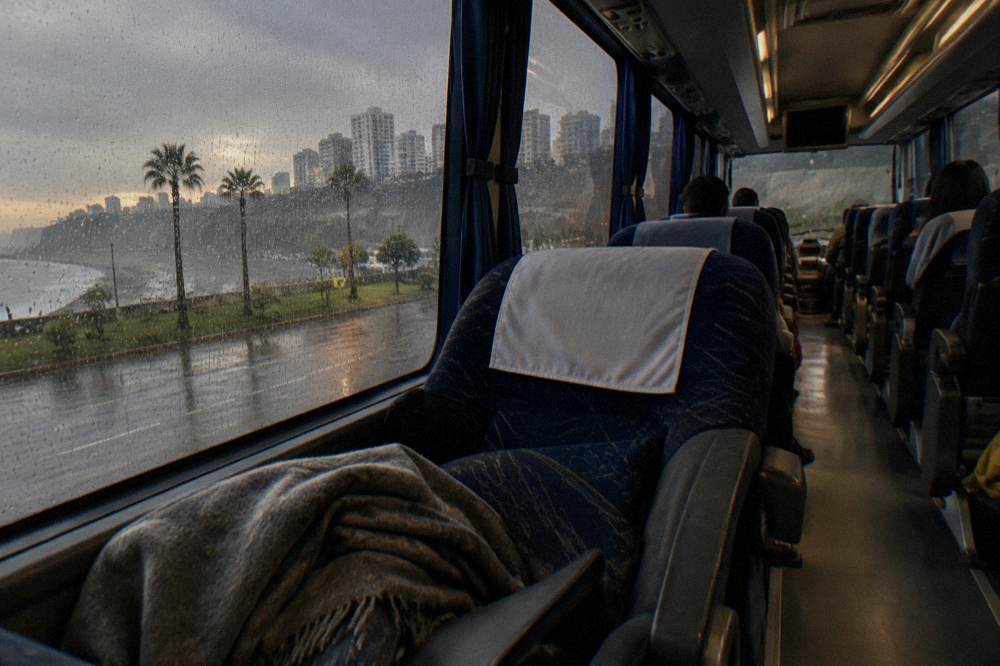
The Route of the Sun scenic bus is the best value on the corridor at from $50 for an 11-hour guided day from 6:10 a.m. to 5:30 p.m., rated 4.7 from 633 reviews with free cancellation and lunch included. Set against a bare public bus seat, you are paying a modest premium for the stops, the guide and the meal, and most travelers who take it consider the day itself part of the holiday. Direct public seats on the same corridor cost less, but they hand you an empty high-altitude highway instead of Andahuaylillas and Raqchi.
| Product on the corridor | Format | From price | Rating and reviews | Duration |
|---|---|---|---|---|
| "Colca To Puno, Scenic Stops" tourist bus | Chivay to Puno transfer with viewpoint stops | $41.03 | 4.7 from 88 reviews | ~6.5 hours |
| "Route Of The Sun, Buffet Lunch" scenic bus | Cusco to Puno guided day | $50 | 4.7 from 633 reviews | ~11 hours (6:10 a.m. to 5:30 p.m.) |
| "Copacabana And Isla Del Sol" day tour | Puno to Bolivia and back, all day | $130 | 4.8 from 30 reviews | 12 hours |
| PeruRail Titicaca Train | Cusco to Puno by train | $395 | 294 reviews, too few for a rating claim | ~10 hours |
For budget travelers who simply want the two seats and nothing else, it is worth comparing direct-ticket sellers rather than defaulting to whichever option a blog mentions first. You can compare direct bus tickets on this corridor across the standard operators before committing, especially if your dates are fixed and you do not need hop-on flexibility. A hop-on hop-off pass across the whole corridor costs more than a bare seat on any single leg, and that gap is the price of being able to change your mind in Puno.
Bus Or Flight From Cusco To Arequipa: Which Makes Sense?
Flying this leg means connecting through Lima: the Lima to Cusco hop alone runs 1 hour 20 to 25 minutes nonstop on LATAM, JetSMART or Sky Airline, so with a connection, transfer time and airport buffers you lose most of a day. The bus loop via Puno takes 13 to 15 hours of driving across two days, but it turns the transfer into the best sightseeing in southern Peru.
The arithmetic rarely favors the plane unless your Peru time is counted in hours. Two flights plus a connection in Lima, plus getting to and from two airports at altitude, eats the better part of a day each way, and the flights themselves sit at the mercy of mountain weather. Cusco's Alejandro Velasco Astete airport sits at 3,310 m among terrain-constrained approaches, and thin air plus morning fog or afternoon storm build-up, especially in the rainy season from November to March, makes morning departures reliably better than afternoon ones. Flight performance limits at that elevation can even force baggage offloads in heat. More of these guides are collected on Lima To Cusco.
There is also a third mode worth knowing about: the PeruRail Titicaca Train links Cusco and Puno in roughly 10 hours at from $395, with 294 reviews on the live listing, too few to support a star rating. It replaces only the first leg of the corridor, so from Puno you still continue to Arequipa by road, but as a comfort purchase for a special trip it is the most polished way to cover the Cusco-Puno stretch. PeruRail publishes its schedules and frequencies on its official schedules page, and the departure patterns there are worth a look before you commit to train dates.
For context on where Cusco's aviation is heading: the new Chinchero International Airport is under construction with roughly 40 percent of the work done, but no opening date has been confirmed after repeated delays and procurement setbacks. Until it opens, the current airport remains the only commercial gateway, and nothing about the flight-versus-bus trade-off on this corridor changes.
Is The Cusco To Arequipa Bus Route Safe?
Yes, within normal overland-travel precautions for South America, and this specific corridor has an unusually strong official signal behind it. Both the US State Department and the UK FCDO advise using reputable bus companies and avoiding overnight travel in mountainous regions. US government employees, who face the strictest road rules in the country, are permitted to ride commercial buses at night specifically on the Lima-Arequipa-Cusco corridor.
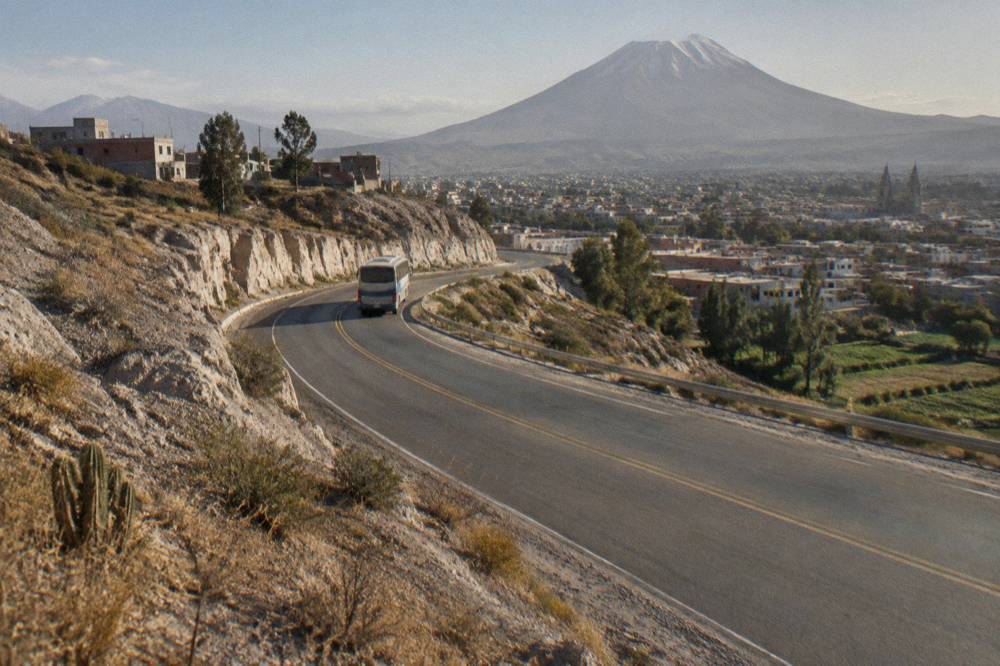
The verbatim advisory language matters because it is what your own embassy will tell you. The UK FCDO Peru travel advice states: "Bus crashes are common, especially at night. Only use reputable transport companies, and where possible, avoid overnight travel, especially in mountainous and remote regions." The US State Department's current Peru advisory carries the same sentence, and separately prohibits its employees from nighttime road travel in most of the country while explicitly allowing night travel with commercial bus companies on the Pan-American Highway, to Huaraz, and on the Lima-Arequipa-Cusco corridor. Read that as a map of the roads that professional risk assessments consider managed.
Practical application on this route is simple. Choose the reputable long-distance lines, travel in daylight where the schedule allows it, and keep your plans flexible around civil unrest, which in Peru occasionally closes roads without warning. No specific blockades were reported on the core Lima-Cusco tourist corridor in September 2026, and fuel-price protests that began around August 10, 2026 caused localized disruptions in other regions rather than sustained closures here. Tourist operators on the corridor monitor SUTRAN alerts and use reroutes or refunds when conditions shift.
Why travelers book a hop-on pass for this corridor
Peru Hop picks up and drops off at your hotel or hostel in participating locations, so you skip the bus terminal with your bags, and a bilingual local host rides every bus. Passes are valid up to one year from first use, with in-app date changes up to 12 hours before departure, subject to availability. Peru Hop states its buses carry GPS tracking, speed limits and two drivers on long legs; the honest caveat is that a pass costs more than a bare Cruz del Sur or Oltursa seat, and some legs run long or into the evening.
See Peru Hop routes and passesComfort features matter as much as safety statistics at these distances. Buses come with wifi, USB charging, an onboard bathroom and reclining semi-cama seats on the tourist lines, though a few reviewers note the wifi and charging can be inconsistent on some legs. Peru Hop provides a blanket per passenger and its climate-control system runs on the high-altitude stretches too. Luggage goes in the under-bus hold with one carry-on daypack, and no strict published weight limit applies.
How Does The Altitude Change Along The Route?
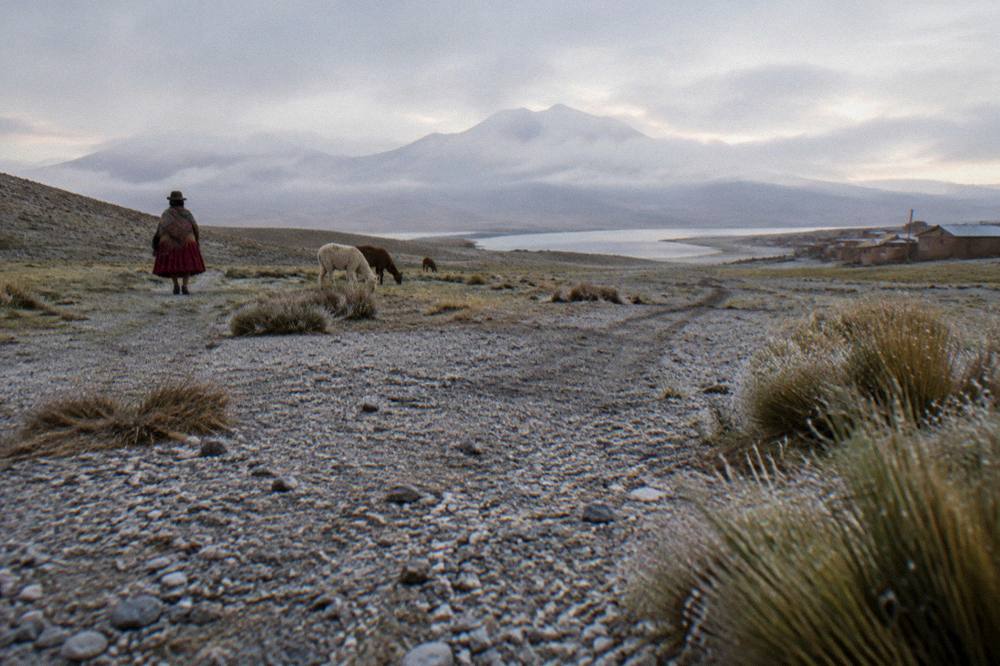
Cusco sits at 3,399 m, Puno at 3,827 m and the Lake Titicaca surface at 3,812 m, so you climb before you descend, and the highest sleeping point on the route is Puno. Arequipa then drops to 2,335 m, which is why experienced travelers use it as the recovery stop. Passes on the Colca Canyon detour reach roughly 4,800 to 4,910 m, the highest ground you will cross on any version of this trip.
| Stop on the route | Elevation | What it means for you |
|---|---|---|
| Cusco | 3,399 m | Arrival altitude if you flew in; already thin air |
| Puno | 3,827 m | Highest overnight on the standard loop |
| Lake Titicaca surface | 3,812 m | Boat trips feel colder than the temperature suggests |
| Chivay (Colca base) | 3,635 m | Sleeping altitude on the canyon detour |
| Cruz del Condor mirador | approx. 3,270 to 3,800 m | Cold at dawn even in dry season |
| Colca-route high passes | approx. 4,800 to 4,910 m | Highest point on any version of this route |
| Arequipa | 2,335 m | Noticeably easier breathing, warm valley climate |
The counterintuitive part, and the detail most first-time itineraries get backwards, is that this route gets harder before it gets easier. Travelers who fly into Cusco and immediately bus toward Arequipa climb from 3,399 m to 3,827 m at Puno before the long descent. The standard guidance is to acclimatize at a mid-altitude stop first, rest on arrival, hydrate, keep meals light and skip alcohol at altitude; watch for headache and nausea as early altitude-sickness signals, and escalate if symptoms turn severe. Flying directly into Juliaca at roughly 3,825 m increases risk, which is one more argument for arriving overland.
Direction of travel is the quiet advantage of running this corridor from Cusco toward Arequipa rather than the reverse. If you have already spent days in Cusco and the Sacred Valley, Puno's extra elevation is usually tolerable. If you start in Arequipa at 2,335 m and work upward, the climb is gentler but you spend the whole trip ascending, and the Colca Canyon tours from Arequipa throw you straight over passes roughly 4,800 to 4,910 m high. There is no bad direction, only different shapes of acclimatization, and Puno is the pivot either way. For medication and oxygen guidance, this altitude sickness guide covers the practical responses.
What Do Travelers Actually Say About This Corridor?
Review patterns on the southern corridor are strong across the board. Peru Hop reports 395,000+ passengers carried and cites roughly 19,000 TripAdvisor, 8,000+ Google and 1,500+ Trustpilot reviews, with current TripAdvisor showing about 20,295 reviews at 4.8 out of 5. The recurring praise covers organization, hotel pickups and bilingual hosts; the recurring complaints are long days on the road and occasional wifi dropouts.
Individual reviews from late 2026 paint the same picture in plainer language. One traveler who did Lima to Cusco in eight days called it "very fast-paced, but very fun", which is an honest description of what a compressed corridor schedule feels like. Another wrote of being "so impressed with the entire service on offer" on the same routing. A September 2026 reviewer praised the USB-A charging ports on the buses while conceding that "some of the journeys did feel very long". Length is simply the price of a corridor that includes high passes, border-ready lake crossings and two long legs of high plain.
The tour products along the way hold up their end of the reviews too. The Colca to Puno scenic bus carries a 4.7 from 88 reviews, the Route of the Sun a 4.7 from 633, Copacabana and Isla del Sol a 4.8 from 30. These are smaller pools than the corridor-wide hop-on services, so read them as solid-but-young reputations rather than household names, and print the counts next to the stars when you compare. On this route, review depth is mostly a function of how long a product has been listed, not how well it runs.
Common Questions About The Cusco To Arequipa Bus
How long is the bus from Cusco to Arequipa?
Plan on 13 to 15 hours of total driving across two legs: Cusco to Puno is about 388 km and 6 to 8 hours on direct buses, or 9 to 11 hours on scenic services, and Puno to Arequipa is about 300 km and 6 to 7 hours. Most travelers split it with at least one night in Puno.
Is there a train from Cusco to Arequipa?
No rail line covers the full leg. The PeruRail Titicaca Train connects Cusco and Puno in roughly 10 hours at from $395, with 294 reviews on the live listing, and you continue from Puno to Arequipa by road. It is a comfort option for the first leg, not a through-service.
Is the Cusco to Arequipa bus route safe?
Yes, using reputable companies and daylight departures where possible. Both the US State Department and the UK FCDO warn that bus crashes are common at night in mountainous regions, and the State Department explicitly permits its employees to ride commercial buses at night on the Lima-Arequipa-Cusco corridor.
Should I stop in Puno between Cusco and Arequipa?
Yes, almost certainly. Puno is the natural overnight, the highest sleeping point on the route at 3,827 m, and the base for the Uros floating islands, Copacabana and Isla del Sol, and Colca Canyon tours. Skipping it turns the corridor into a long transfer with nothing but road.
Can I visit Colca Canyon between Puno and Arequipa?
Yes, and it is the most popular add-on. The Colca to Puno scenic bus runs from Chivay at from $41.03, rated 4.7 from 88 reviews, in about 6.5 hours. Chivay sits at 3,635 m, and the passes on the canyon route reach roughly 4,800 to 4,910 m.
What is the best time of year to bus this route?
Dry season, May to October, is the preferred window: skies are clearest over the altiplano, condor viewing at Cruz del Condor is best between roughly 7 and 10 a.m. from April to November, and road disruptions from weather are less likely. Puno sees heavy-weather alerts for snow and wind above 4,000 m as late as September, so check conditions before high-pass travel.