Huacachina To Arequipa Via Nazca
The Huacachina to Arequipa leg is the longest single stretch of the classic Lima to Cusco overland route, and it is exactly the kind of day a hop-on-hop-off pass was built for.
Short answer
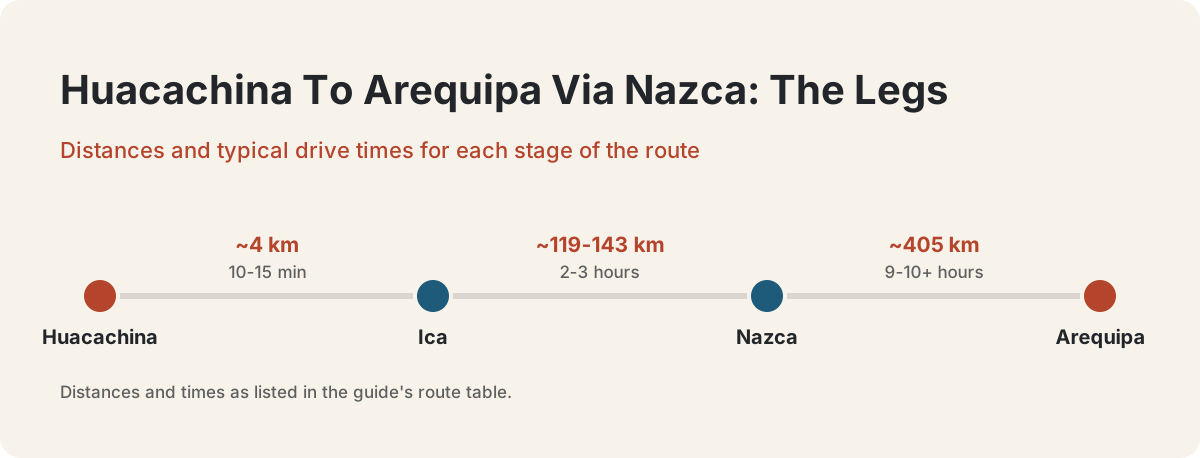
The Huacachina to Arequipa leg via Nazca runs in two stages: about 119 to 143 km from Ica to Nazca taking 2 to 3 hours, then roughly 405 km from Nazca to Arequipa averaging 9 to 10+ hours on scheduled coaches. Close to 12 hours of driving in total, before stops. A hop-on-hop-off pass turns it into a two-stop journey with the Nazca Lines on the way.
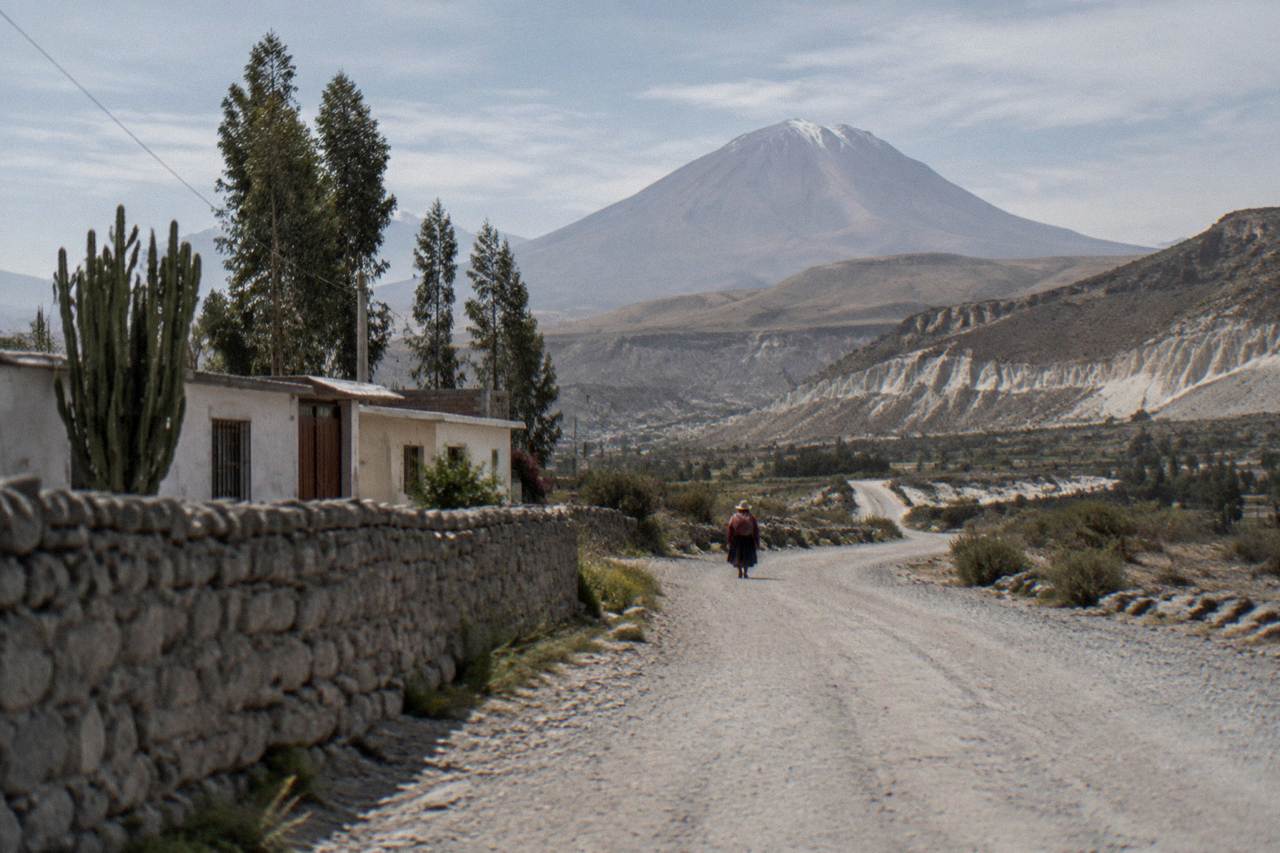
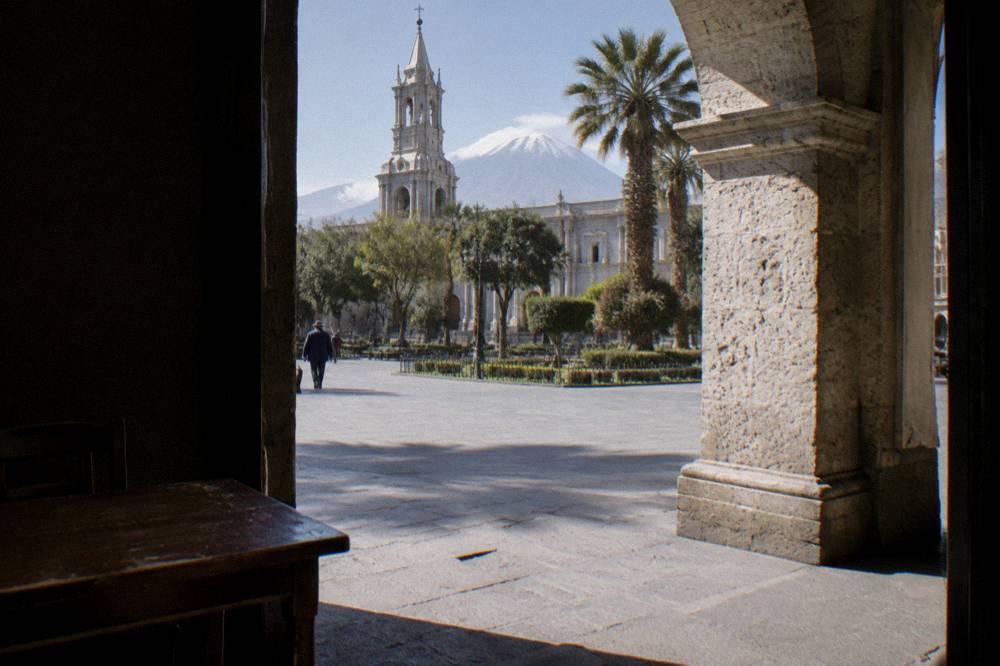
The oasis at Huacachina sits at roughly 368 m above sea level, ringed by dunes and a short drive from Ica. Arequipa sits at 2,335 m beneath El Misti volcano, on the far side of one of the driest deserts on Earth. Between them lie the Nazca Lines, the viewing tower on the Panamericana Sur, and around ten hours of coast and mountain road. This is the longest single leg of the classic Lima to Cusco overland route, and it rewards travelers who treat it as a two-day passage rather than a single sitting.
How Far Is Huacachina To Arequipa Via Nazca?
The route runs in two stages: about 119 to 143 km from Ica to Nazca, taking 2 to 3 hours, then roughly 405 km from Nazca to Arequipa, averaging 9 to 10+ hours on scheduled coaches, with some services closer to 10 hours 15 minutes. Together that is close to 12 hours of driving, before stops.
The leg is best understood as two very different drives. Ica to Nazca is short, flat desert along the Panamericana Sur, passing dunes, vineyards and the occasional roadside shrine. Nazca to Arequipa is the serious haul: the road climbs out of the coastal desert, crosses high passes and descends into the fertile valleys behind Arequipa. Published timetables from the major coach operators put the average Nazca to Arequipa journey at around 10 hours 15 minutes, and public services from Ica to Nazca at roughly 2 hours 51 minutes on average schedules.
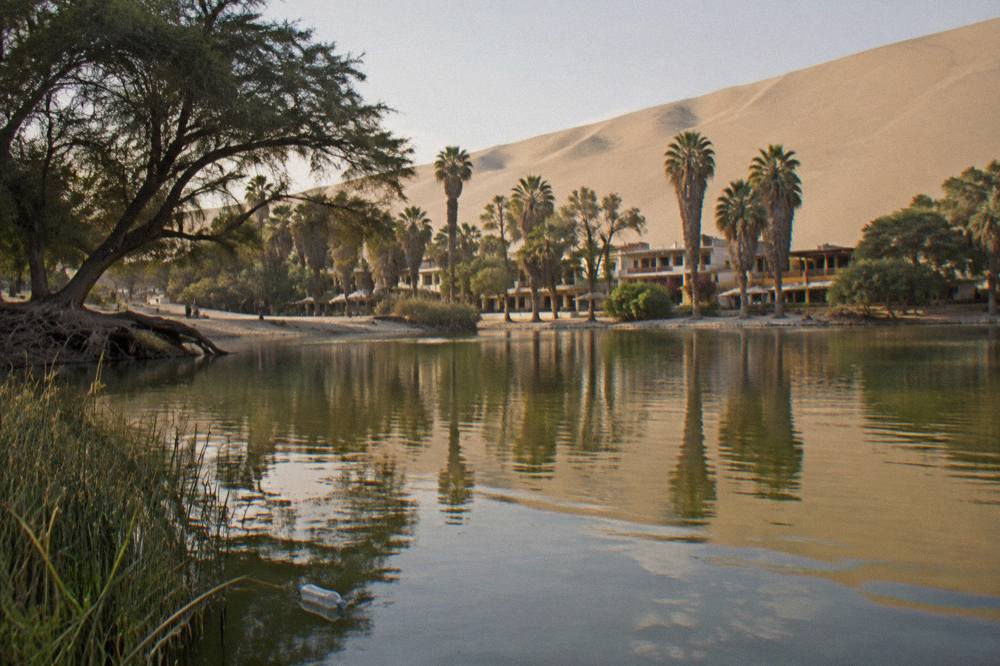
A practical detail worth knowing: Huacachina itself has no major bus terminal. Services book from Ica, about 4 km away, and the hop-on-hop-off services are the ones that collect you at your hotel or hostel in the oasis rather than making you haul luggage into town. That difference matters more here than on almost any other leg of the route, because the oasis is small, hot in the afternoon, and a 20-minute walk from anything resembling a terminal.
| Leg | Distance | Typical time | Road character |
|---|---|---|---|
| Huacachina to Ica | ~4 km | 10-15 min | Local road |
| Ica to Nazca | ~119-143 km | 2-3 hours | Flat desert, Panamericana Sur |
| Nazca to Arequipa | ~405 km | 9-10+ hours | Desert climbs, high passes, valley descent |
Bus, Hop-On Hop-Off Pass, Or Flight: Which Makes Sense?
For this specific leg, a hop-on-hop-off pass is the strongest fit, because it solves the two problems the route creates: the Nazca stop has no easy luggage solution, and the 10-hour second stage is better done in daylight with a host on board. Flying skips the Nazca Lines entirely, and a bare coach seat means an overnight or a very early start with a terminal transfer in Ica.
The case for the pass is structural, not just comfort. Nazca is a stop you want to break at: the overflight needs a morning window for clear air, and the viewing tower on the roadside is a 30-minute pause. Direct coach services run Ica or Nazca to Arequipa in one long block, most of them overnight, which means you either skip the flight over the lines or you pay for a night in Nazca and rebook a separate ticket the next day. A pass absorbs both problems: hop off in Nazca, take the overflight, hop on the following day's departure.
Peru Hop, the main hop-on-hop-off operator on the Lima to Cusco corridor, picks up and drops off at your hotel or hostel in participating locations, so travelers on this leg skip the Ica terminal with their bags entirely. A bilingual English and Spanish host rides every bus, and passes are valid for up to one year from first use, with date changes in the app possible up to 12 hours before departure, subject to availability. Buses run a climate-control system, a blanket per passenger, wifi, USB charging, an onboard bathroom and reclining semi-cama seats, though a few reviewers note the wifi and USB ports can be inconsistent.
The honest caveat: a pass costs more than a bare coach seat before you total in taxis and tours, and some legs run long or overnight. A traveler who just wants one direct seat from Ica to Arequipa, with no stop in Nazca, is better served by a single Cruz del Sur or Oltursa ticket. The pass pays off when the stops are the point, and on this leg they usually are.
If you are still weighing the trade before committing to the desert crossing, our broader comparison of the Lima to Cusco bus route lays out the full corridor logic, and the guide on Peru Hop versus flying covers the speed-versus-experience trade for every leg at once. The site itself, Lima To Cusco, exists because this corridor has enough moving parts to justify one.
If your itinerary still has the coast open before you turn south, these are the three tours travelers most often stack ahead of this leg:
What Does The Drive Through Nazca To Arequipa Actually Look Like?
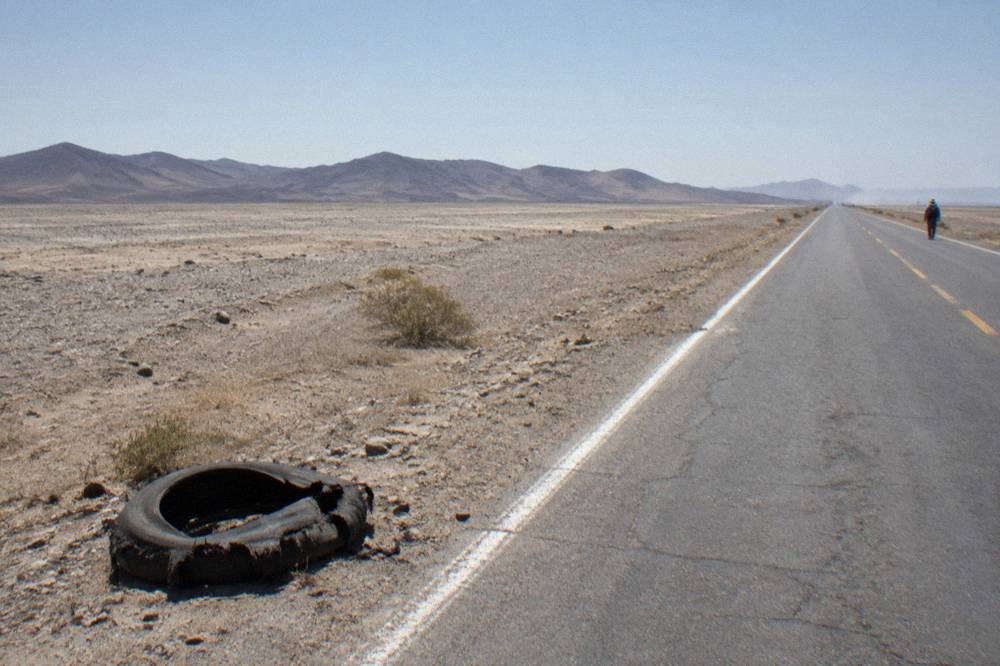
The route leaves the green Ica valley, crosses flat desert to Nazca at 520 m, then spends the back half of the day climbing through barren passes and dropping into irrigated valleys before Arequipa at 2,335 m. Scenery shifts from dunes and vineyards to moonstone desert to volcano-and-valley in a single day. It is one of the most varied drives in southern Peru.
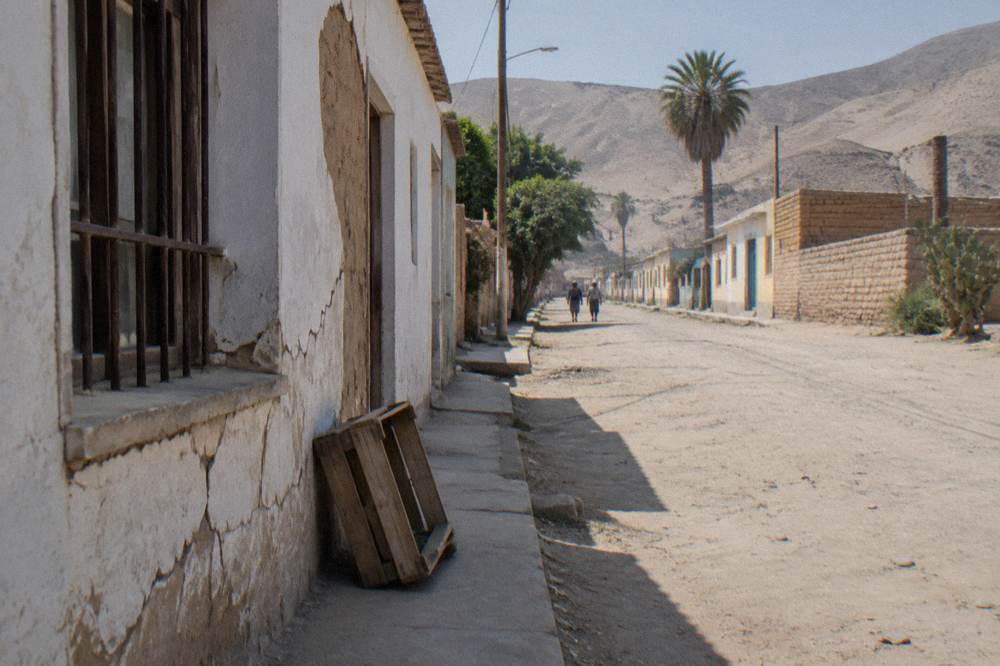
The first two hours out of Ica are what people picture when they picture coastal Peru: flat, dusty, punctuated by asparagus and grape fields fed by groundwater, and the Panamericana Sur running dead straight to the horizon. Nazca sits at 520 m above sea level, a small desert town whose reason for existing is etched into the plain above it. The Nazca Lines, the geoglyphs of hummingbirds, monkeys and spirals cut into the desert surface, are visible only properly from the air, which is why the overflight stop structures so many itineraries here.
South of Nazca the road changes character. The populated coast thins out, fuel stops become hours apart, and the highway climbs through a series of ascents toward the interior. Travelers who do this stretch awake often describe the second half as the most surprising drive of their Peru trip: high desert plains, distant ridgelines, then a sudden descent into green valley systems as the road approaches Arequipa. Arriving in daylight, with El Misti's cone above the city, is a genuinely different experience from rolling into the terminal at 4 a.m.
For most people, this leg is the tail end of a coast sequence that started in Lima. The common pattern is a Paracas and Huacachina day trip out of the capital, then the turn south from the oasis. If that is your plan, the premium Paracas and Huacachina day trip with sunset toast handles the coast in a single well-reviewed day, 4.8 from 2,636 reviews, from $119, so you arrive in Huacachina already acclimatized to the desert and ready for the long leg south. You can Check availability on the operator's live listing while you map the rest of the week.
One structural note on timing: because the Nazca overflight needs a weather window and flights run in daylight, the natural rhythm is to arrive in Nazca in the afternoon, overnight, fly over the lines in the morning, and continue to Arequipa on a later departure. Doing it in one push means choosing between the overflight and a same-day arrival, and the overflight is the reason most people route through Nazca at all.
How Long Does Each Stage Of The Leg Take?
Count on three blocks of time: Huacachina to Nazca in 2 to 3 hours, a Nazca stop of 12 to 18 hours if you include the overnight and morning overflight, then Nazca to Arequipa in 9 to 10+ hours. Door to door, travelers who stop at Nazca usually reach Arequipa late on day two. Those who push straight through arrive in 12 to 14 hours, usually overnight.
The timing math is what catches people out. A same-day through-journey is possible, but it means leaving Huacachina in the morning, passing the Nazca turnoff without stopping, and arriving in Arequipa between midnight and dawn. Every published advisory on Peruvian roads points the other way. The UK FCDO's current Peru guidance is blunt: "Bus crashes are common, especially at night. Only use reputable transport companies, and where possible, avoid overnight travel, especially in mountainous and remote regions."
| Stage | Typical window | Notes |
|---|---|---|
| Huacachina to Ica departure | 10-15 min | Hotel pickup beats terminal transfer |
| Ica to Nazca | 2-3 hours | Flat, fast, daylight preferred |
| Nazca stop | 12-18 hours | Overnight plus morning overflight |
| Nazca to Arequipa | 9-10+ hours | Daytime services with stops |
| Total with stop | ~2 days | The recommended rhythm |
| Total without stop | 12-14 hours | Overnight, advised against by FCDO |
The hop-on-hop-off services schedule this leg with the stop built in, and their daytime departures from Nazca toward Arequipa are precisely the alternative to the overnight coach. Peru Hop publishes its corridor timetable with the connecting legs timed for daylight travel on the mountain sections, and its drivers and hosts handle the paperwork at each stop, which sounds minor until you have watched travelers negotiate a 6 a.m. terminal rebooking in Spanish.
Is The Nazca Lines Overflight Worth The Stop?
For most travelers, yes, because this is the one point on the entire Lima to Cusco corridor where the thing you came to see is only visible from the air. The overflight from Ica or Huacachina runs 35 minutes in the air, half a day with transfers, from $249, and holds 4.7 from 4 reviews on its live listing. The main honest caution is that the review pool is small and the planes are small too.
The overflight itself is a fixed-wing hop over the pampas: tight banking turns, window seats, and geoglyphs that resolve from squiggles to figures as the pilot circles. Motion sickness is the most common complaint, so the standard advice applies, take something before boarding, skip the big breakfast, and sit near the wing where the ride is calmest. Flights go out in daylight only, and morning air over the desert is usually the clearest, which is one more reason the overnight-in-Nazca rhythm works.
The budget alternative is the roadside viewing tower on the Panamericana Sur, where a small platform gets you above three of the figures for a modest fee. It is a 20-minute experience rather than a half-day one, and it is honest to say it gives only a slanted glimpse of what the overflight shows properly. If the flight price or the small aircraft give you pause, the tower is a legitimate way to mark the stop; if you have come this far for the lines, the flight is the experience people remember.
Our longer piece on the best way to see the Nazca Lines breaks down flight versus tower versus skipping it entirely, including the scheduling angles for travelers connecting this leg to the rest of the corridor.
What About Altitude On This Leg?
This leg climbs steadily but never brutally: Huacachina at roughly 368 m, Nazca at 520 m, Arequipa at 2,335 m. None of those figures is altitude-sickness territory on its own, and the profile is actually the gentlest acclimatization ramp on the route to Cusco, which is why experienced itinerary planners insert Arequipa and the Colca side trip before Puno at 3,827 m.
The smart framing is to treat this leg as preparation. Arequipa at 2,335 m is high enough to feel, a breathless staircase on day one, and low enough to sleep well while your body starts adapting. The Colca Canyon country beyond it climbs sharply, with Chivay at 3,635 m and passes en route around 4,800 m, so travelers who continue to Puno at 3,827 m and Cusco at 3,399 m arrive far better prepared than those who fly Lima straight into the altiplano. Flying directly into Juliaca, at about 3,825 m, is the aggressive option altitude-wise.
Standard guidance for the leg: hydrate more than feels necessary on the long dry drive, keep the first evening in Arequipa light, and go easy on the pisco and the Arequipa craft beer for one night. There is no substitute for gradual ascent, and this route hands you gradual ascent for free. Our guide on altitude sickness on the bus routes covers the medication questions and the warning signs for the higher legs that follow this one.
Is The Bus From Huacachina To Arequipa Safe?
On reputable operators, yes, and the official advisories support that read. The US State Department permits its own employees to ride commercial buses at night on the Lima-Arequipa-Cusco corridor specifically, an exception it makes on almost no other Peruvian road. The two risks the advisories name are informal, unlicensed buses and overnight travel in mountainous stretches, both of which are avoidable choices on this leg.
The verbatim advisory language is worth reading directly. The US State Department's September 2026 Peru advisory states that demonstrations "can shut down local roads, trains, and major highways" and that this "often happens without warning or clear information on reopening times." The UK FCDO's current Peru advice repeats the bus-crash warning quoted above. Both advisories point to the same practical playbook: book premium operators, travel the mountain sections in daylight, and never try to pass a roadblock.
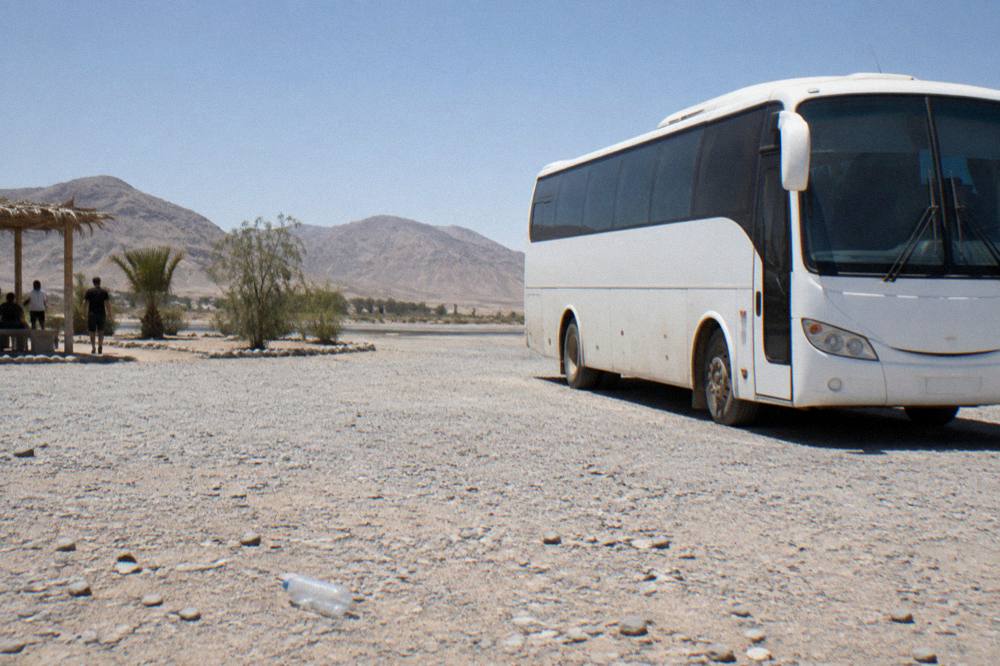
The real-world risk profile on this leg divides cleanly. The Ica to Nazca stretch is flat desert on the Panamericana Sur, low risk by any measure. The Nazca to Arequipa stretch is where the advisory language bites: high passes, remote sections, and the temptation of overnight services to save a hotel night. Roads in Peru occasionally see strikes or protests, so check current conditions before travel, and if a route is blocked, wait it out rather than walk around it. Peru Hop states its buses carry GPS tracking, observe speed limits and use two drivers on long legs; those are operator claims, not independently verified statistics, but the daylight scheduling on this corridor is visible in any timetable.
What Does The Whole Leg Cost?
A through-journey coach ticket is the budget floor, while a hop-on-hop-off pass covering this leg and the full corridor is the ceiling that buys the stops along the way. On the tour side, the Nazca overflight starts at $249 per person, and the coast day trips feeding this leg run from $67 to $119. Frugal travelers can manage the driving itself on little more than coach fares plus a Nazca bed for the night.
The pass-versus-ticket math is where honesty matters. A pass costs more than a single Cruz del Sur or Oltursa seat on any one leg, and if Huacachina to Arequipa were your only bus ride in Peru, the pass would be the wrong buy. But almost nobody rides only this leg: this guide sits in the middle of a Lima to Cusco itinerary, and the pass price covers Paracas, Huacachina, Nazca, Arequipa, Puno and Cusco with hotel pickup, a host on board, and the freedom to pause at Nazca without rebooking. Add up the individual tickets, the terminal taxis, and the Nazca overnight either way, and the gap narrows to the price of the convenience.
| Cost item | Typical range | Notes |
|---|---|---|
| Through coach seat, Ica/Nazca to Arequipa | Budget tier | Check the operator's live listing |
| Nazca overflight | From $249 | 35 minutes airborne, half-day with transfers |
| Overnight in Nazca | Budget-mid range | Needed for a morning flight window |
| Hop-on-hop-off pass | Not published on this site | Covers the full Lima-Cusco corridor |
| Coast day trip from Lima (feeds this leg) | From $67-$119 | Two premium options on this site |
For travelers pricing a bare direct-ticket alternative, 12Go compares bus and train seats on the corridor as a budget option against a hop-on-hop-off pass.
If your coast budget runs to the premium end, the lower-priced alternative to the day trip above is the Premium Paracas and Huacachina Day Trip from Lima, from $67, 4.9 from 9,650 reviews, 16 to 18 hours with a sunset toast, a badge-of-excellence listing on a review pool that dwarfs everything else in this category.
The one booking caution on this leg: check the cancellation terms on any Nazca overflight carefully, because flights are weather-dependent and the desert does not negotiate. Most coast tours on this site carry free cancellation, but weather-window products like overflights can carry their own rules.
Where Does This Leg Leave Your Itinerary?
Arequipa is the natural reward for this leg and the staging point for everything after it: Colca Canyon, Puno and Lake Titicaca, then Cusco. Most travelers give the white city two nights, add a Colca side trip, then continue to Puno on a scenic service rather than a direct coach, because after ten hours of desert a slow drive with viewpoint stops is exactly what feet and lungs want.
From Arequipa the corridor splits into its next set of choices. The onward Arequipa to Puno bus leg runs about 300 km direct in 6 to 7 hours, or longer with the Lagunillas viewpoint stop that scenic services include, and most travelers break it with a Colca Canyon side trip from Arequipa, where Cruz del Condor sits at roughly 3,270 to 3,800 m and condors ride the morning thermals between April and November. From Puno, the Bolivia border at Kasani is 3 to 4 hours away if your plans run to Copacabana and Isla del Sol.
The sequencing advice that experienced Peru travelers repeat: do not fly over this leg. The Huacachina to Arequipa crossing is the stretch where the overland route justifies itself, because it stacks the Nazca Lines, a genuine acclimatization stop and Peru's second city into two days that no flight window can replicate. A flight from Lima to Arequipa saves a day and skips everything this guide is about.
Common Questions About Huacachina To Arequipa Via Nazca
How far is Huacachina from Arequipa?
The route runs in two stages: about 119 to 143 km from Ica to Nazca, then roughly 405 km from Nazca to Arequipa. That is close to 12 hours of driving in total, before stops, which is why most travelers split it with a night in Nazca.
Is there a direct bus from Huacachina to Arequipa?
Not from the oasis itself. Huacachina has no major terminal; services depart from Ica, about 4 km away, and travelers either arrange a transfer or use a hop-on-hop-off service that picks up at hotels and hostels in the oasis.
How long is the Nazca to Arequipa bus ride?
About 405 km, typically 9 to 10+ hours, with scheduled services averaging around 10 hours 15 minutes. Daytime departures with stops are the recommended option, since official advisories warn against overnight bus travel in mountainous regions.
Should I stop in Nazca or just pass through?
Stop, if the Nazca Lines interest you at all. The figures are only fully visible from the air, flights run in daylight, and the natural rhythm is to arrive in the afternoon, overnight in Nazca, take the morning overflight, then continue to Arequipa later that day.
Is the bus from Huacachina to Arequipa safe at night?
The US State Department permits its employees to ride commercial buses at night specifically on the Lima-Arequipa-Cusco corridor, an exception made on almost no other Peruvian road. Still, both US and UK advisories recommend avoiding overnight travel in mountainous and remote regions where possible, so daylight departures on this leg are the safer read.
What altitude changes happen on this leg?
The climb is gentle: Huacachina at roughly 368 m, Nazca at 520 m, Arequipa at 2,335 m. That makes this leg a natural acclimatization ramp for the higher altiplano beyond, where Puno sits at 3,827 m and Cusco at 3,399 m.
If your route continues past Arequipa, the corridor guides above pick up the thread from Puno, Colca and the Bolivia border onward. And if the coast side of this leg is still open, here are the three tours travelers most often book before the desert crossing: