Peru Hop Vs. Flying: Which Should You Choose
Flying Lima to Cusco takes about 80 minutes. The bus takes days. That gap is the whole argument, and it is more interesting than it looks.
Short answer
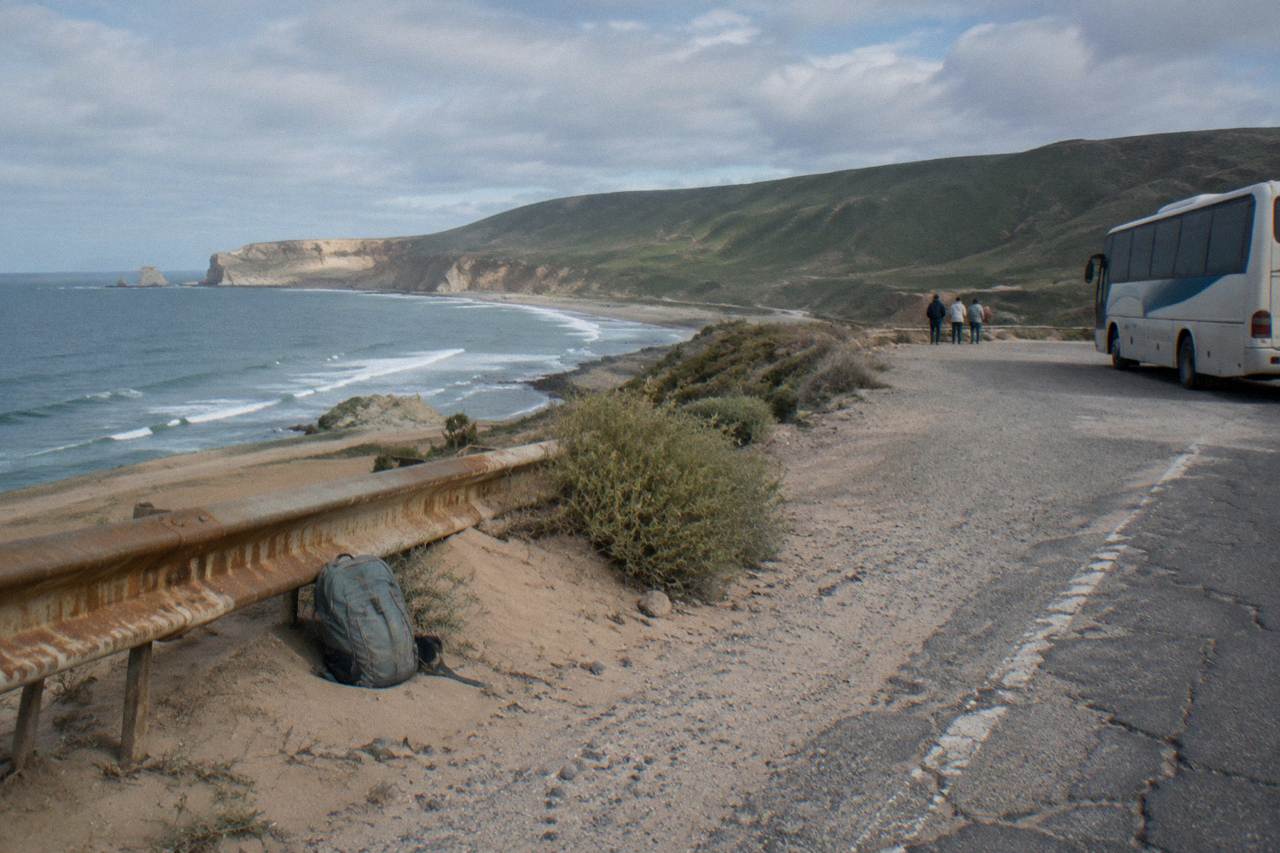
Flying covers Lima to Cusco in roughly 1 hour 20 minutes on LATAM, JetSMART or Sky Airline. Peru Hop covers the same ground over multiple days with stops at Paracas, Huacachina, Nazca, Arequipa and Puno, from 395,000-plus reported passengers. Flying wins on speed, Peru Hop wins on the journey itself.
Flying between Lima and Cusco takes about an hour and twenty minutes. Riding the southern route by bus takes the better part of a week if you stop anywhere. On paper the choice looks obvious, which is exactly why the question keeps coming up: the two options are not really competing for the same trip. One sells arrival, the other sells the road between.
This guide compares them honestly on cost, time, safety, comfort and what you actually see. Peru Hop, the hop-on hop-off bus pass that dominates this comparison, is a featured partner of this site, and it is covered here in the same reporting voice as everything else: clear numbers where they exist, operator claims taken at face value, and honest trade-offs between the pass and the plane.
What Are The Two Options, Exactly?
Flying means a 1 hour 20 to 25 minute nonstop flight from Lima (LIM) to Cusco (CUZ) on LATAM, JetSMART or Sky Airline, the three airlines operating the route, over a distance of roughly 363 to 365 miles. Peru Hop means a hop-on hop-off bus pass along the southern corridor, Lima to Paracas to Huacachina to Nazca to Arequipa to Puno to Cusco, with stops you choose, valid for up to one year.
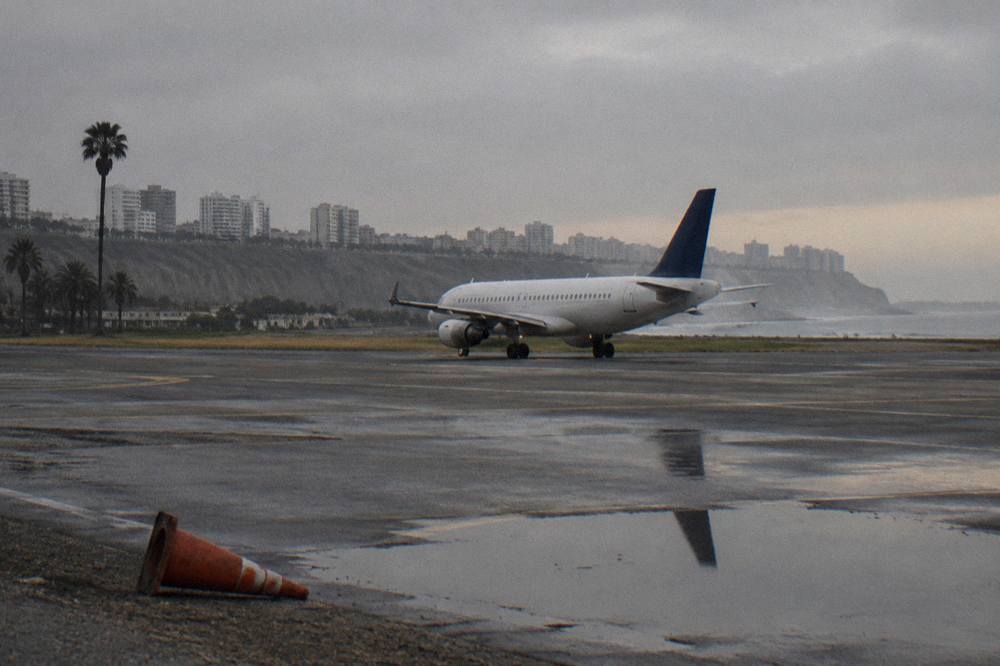
The flight is a utility product. You leave Lima near sea level, at 79 meters in Miraflores, and land at Alejandro Velasco Astete airport, which sits at 10,860 feet above sea level, one of the highest commercial airports in the world. There is nothing between departure and arrival except cloud. LATAM runs the highest frequency, with sample schedules showing around 189 flights per week, followed by JetSMART at roughly 59 to 66 and Sky Airline at about 49.
Peru Hop, bookable at the operator's own pass page, is a structured journey rather than a single seat. A bilingual local host rides every bus, and the service picks up and drops off at your hotel or hostel in participating locations, so you skip bus terminals with your bags. Peru Hop reports more than 395,000 passengers carried, and its TripAdvisor listing currently shows about 20,295 reviews at 4.8 out of 5. The pass runs along the coast and up through the altiplano to Cusco, which is the end of the line: Machu Picchu itself is reachable only by train or trek from Cusco, not by this bus.
A middle path exists too, and it is worth naming early. Many travelers fly one direction and take the bus the other, or fly into Lima, do the coast by road, and fly out of Cusco. If you are weighing that hybrid, the Lima to Cusco by bus guide breaks the full overland corridor down leg by leg, and the Lima to Cusco: flight vs bus guide covers the pure speed-versus-scenery trade without the pass structure.
How Much Does Each Option Cost?
There is no honest single number, because the two products price differently: airlines sell a seat between two points, while Peru Hop sells a pass whose price is not published on this site, so the comparison has to be made on what each includes. A direct Lima-Cusco bus seat on a premium line sits far below any flight-plus-tours total, but a pass bundles transport, stops and guiding that flying does not.
What can be stated with figures is the cost of the pieces around each choice. The premium Paracas and Huacachina day trip from Lima, the single most popular coastal excursion on this corridor, runs from $119 at 4.8 from 2,636 reviews on its live listing, or from $67 for the near-identical sunset-toast version at 4.9 from 9,650 reviews. Those are firm, verified prices. A one-way bus ticket from Lima to Paracas, the first hop of the southern route, is from $19 at 4.2 from 53 reviews.
To make the piece-by-piece comparison concrete, here are the verified prices of the individual components a flyer would otherwise buy separately, all bookable tours, with live prices on each listing:
| Piece of the route | Verified price | Rating and reviews |
|---|---|---|
| Lima to Paracas bus, one way | from $19 | 4.2 from 53 reviews |
| Premium Paracas & Huacachina day trip | from $119 | 4.8 from 2,636 reviews |
| Same day trip, alternate operator | from $67 | 4.9 from 9,650 reviews |
| Nazca Lines overflight from Ica | from $249 | 4.7 from 4 reviews |
| Colca Canyon bus, Chivay to Puno | from $41.03 | 4.7 from 88 reviews |
| Copacabana and Isla del Sol day tour | from $130 | 4.8 from 30 reviews |
The fair way to frame the money question is total trip spend, not ticket price. A flyer who lands in Cusco and backtracks to see Paracas, Huacachina or Colca Canyon buys those pieces separately: tours, transfers, extra hotel nights. A pass holder has most of that transport already inside the pass. Peru Hop does cost more than a bare Cruz del Sur or Oltursa seat before you total in the taxis and tours it replaces, and it is not the cheapest option for a traveler who just wants one direct seat. That caveat is real, and it cuts the other way once you add up the excursions flying makes you re-buy.
For budget travelers who only need point-to-point seats, comparison sites exist for exactly that, and a flight fare search for the Lima-Cusco route will show the airline side of the ledger in a couple of minutes. Compare that total, not the sticker, against whatever the pass costs at the time you check, because neither number is fixed.
How Long Does Each Option Really Take?
Flying takes about 1 hour 20 minutes in the air, but door to door in Cusco, with airport buffers at both ends, it eats most of a day. Peru Hop takes roughly 7 to 9 days to do the full southern route with the classic stops, or as little as 3 days rushed. Direct premium buses run Lima to Cusco in about 21.5 to 24 hours if you skip the stops entirely.
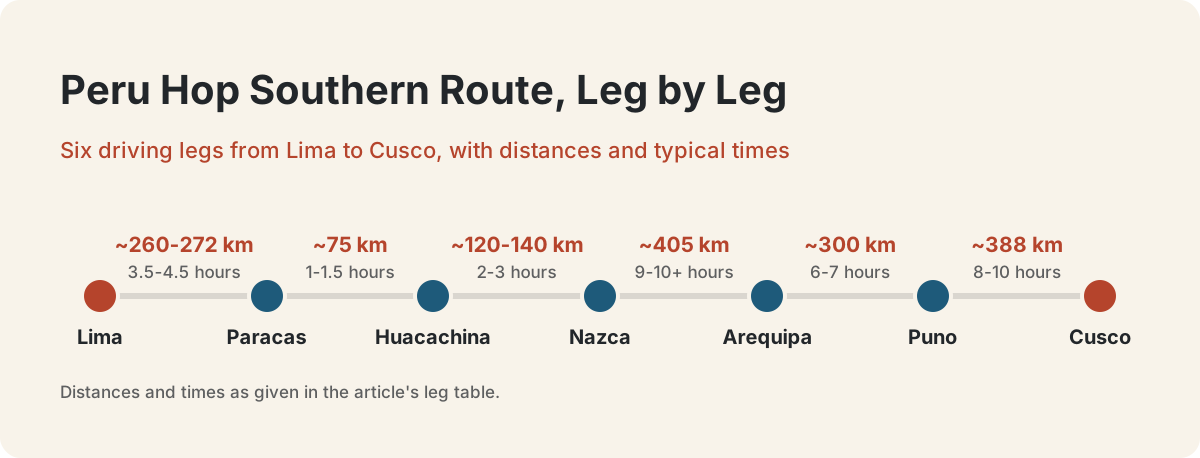
The time comparison is where most people make their decision, so it deserves real numbers. Here are the typical leg times on the southern corridor, drawn from current operator and timetable data:
| Leg | Distance | Typical time |
|---|---|---|
| Lima to Paracas | ~260-272 km | 3.5-4.5 hours driving, longer with pickups |
| Paracas to Huacachina | ~75 km | 1-1.5 hours |
| Huacachina/Ica to Nazca | ~120-140 km | 2-3 hours |
| Nazca to Arequipa | ~405 km | 9-10+ hours |
| Arequipa to Puno | ~300 km | 6-7 hours with stops |
| Puno to Cusco | ~388 km | 8-10 hours, scenic options at the top of that range |
Add those up and the full southern route is around 30 to 40 hours of pure driving, spread across days. The flyer spends 80 minutes of that. The question is what the other 35-plus hours buy: the Ballestas Islands, a desert oasis, the Nazca Lines, colonial Arequipa, Colca Canyon condors and Lake Titicaca at 3,827 meters. If those places are already on your list, the bus is not slower than flying plus touring them separately, it is the same trip with the transport already stitched together.
If your Peru window is a week or less and Machu Picchu is the only fixed goal, flying wins on arithmetic that no argument can undo. Our piece on how many days in Peru is enough works through that cutoff in detail. Note also that time saved by flying is not always time you keep: Cusco's altitude, 3,399 meters, grounds many fresh arrivals for a day or two, while a pass traveler who climbed through Arequipa at 2,335 meters and Puno has already acclimatized on the way.
Which Is Safer, The Plane Or The Bus?
Peruvian commercial aviation on the Lima-Cusco route is routine, and the bus corridor is well served by premium companies, but the official advisories are blunt about overnight road travel: "Bus crashes are common, especially at night. Only use reputable transport companies, and where possible, avoid overnight travel, especially in mountainous and remote regions."
That sentence appears, nearly word for word, in both the US State Department's Peru travel advisory and the UK FCDO's Peru travel advice, and it is worth reading carefully because it cuts in a specific direction. The US advisory also notes that its own government employees, who are prohibited from most nighttime road travel in Peru, are permitted to ride commercial buses at night along the Lima-Arequipa-Cusco corridor specifically. That corridor, the one this whole article is about, is the exception the advisory itself carves out.
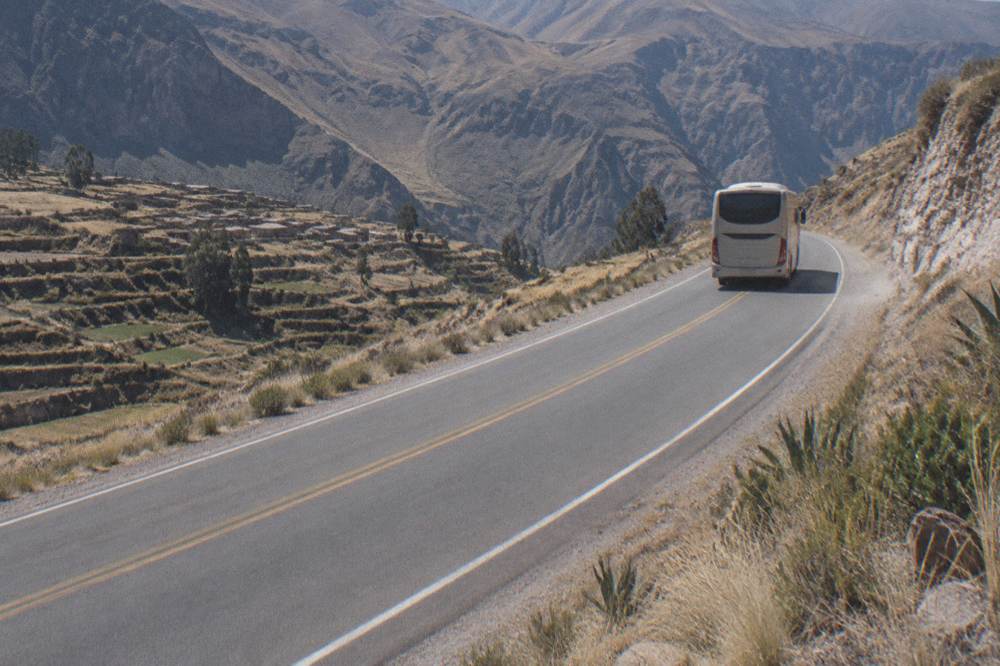
Peru Hop's position in this is defensible but should be stated accurately. Peru Hop states that its buses carry GPS tracking, observe speed limits and use two drivers on long legs; those specific claims are the operator's own and are not independently verified here. What is verified is the structural stuff: hotel pickups remove the terminal scramble, a bilingual host rides every bus, and daytime departures dominate the schedule. Roads in Peru occasionally see strikes or protests, so check current conditions before you travel; no specific corridor disruption is being claimed here either way.
Flying has its own failure mode, and it is not crashes. Cusco airport's elevation, 10,860 feet, thins the air enough that hot days bring weight restrictions, and afternoon storms in the rainy season bring delays and cancellations. Morning flights are the reliable ones; afternoon slots carry real disruption risk. A weather-cancelled flight plus a rebooked slot can cost a traveler more hours than the bus ever would. The route listings for Lima to Cusco show just how frequent the schedule is, which is the airline network's genuine safety net: when one flight cancels, another follows.
A note on the stops, since they ride on the same safety question. The Ballestas Islands boats and the Huacachina dune runs are activity products with their own operators, and the standard advice applies: book through listings with clear cancellation terms and recent reviews rather than street vendors. The premium Paracas and Huacachina day trip at 4.8 from 2,636 reviews, bookable with free cancellation, is the benchmark product for that first coastal stretch if you decide to sample the route without committing to a full pass.
How Do Comfort And Altitude Compare?
The flight is a short, cramped hour and twenty minutes ending in a hard altitude hit at 3,399-meter Cusco, where many arrivals lose a day to headaches and nausea. The bus is long but flat-seat comfortable, with reclining semi-cama seats, an onboard bathroom, wifi and USB charging, a blanket per passenger and climate control, and it climbs altitude gradually over days.
This is the section where the two products genuinely diverge, because altitude is the hidden variable in every Lima-Cusco itinerary. Fly direct and you go from 79 meters to 3,399 meters in a single morning. Your body notices. Take the southern route by road and you sleep at Paracas near sea level, then Arequipa at 2,335 meters, then Puno at 3,827 meters, arriving in Cusco already adjusted. The pass is, among other things, an acclimatization schedule disguised as a sightseeing route. Our altitude sickness on the bus routes guide covers the practical side: hydration, light meals, skipping alcohol on arrival, and the symptom line where you stop self-treating and get help.
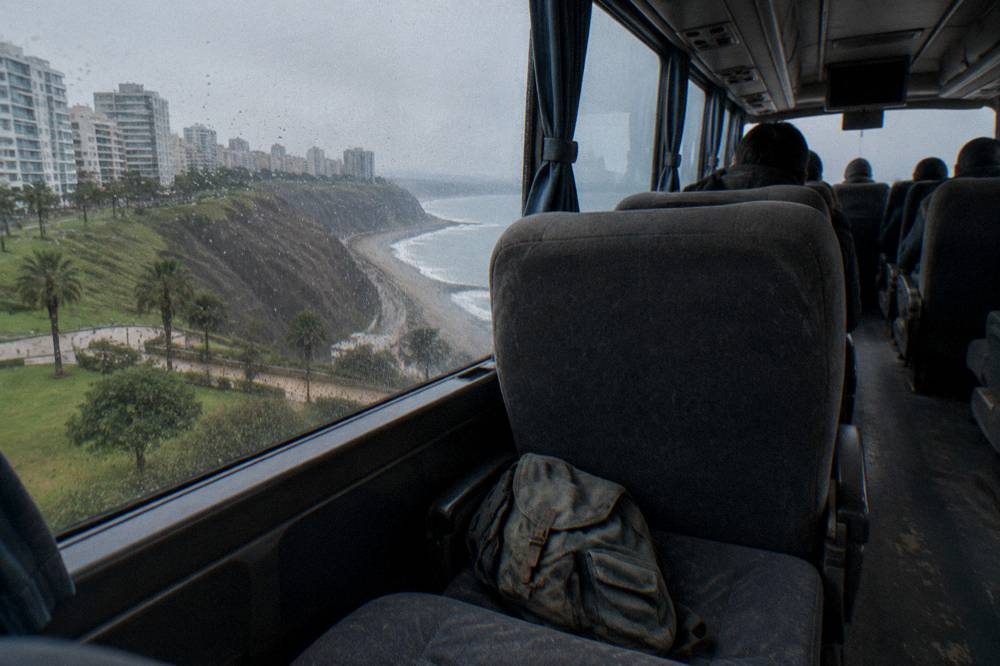
Comfort on the bus is a mixed but honest report. Peru Hop buses run a climate-control system that keeps the cabin at a steady temperature, including the cold high-altitude legs, and each passenger gets a blanket. Wifi and USB charging are fitted, though a few reviewers note both can be inconsistent, which is worth expecting rather than being surprised by. Luggage has no strict published weight limit: a standard suitcase goes in the under-bus hold plus one carry-on daypack. Some legs run long, and a couple run overnight or into the evening, so a neck pillow earns its place in your bag. The full index of guides sits on Lima To Cusco.
The plane's comfort case is simpler: it is over quickly. Even a delayed flight plus a two-hour airport arrival buffer plus the 20-minute transfer into Cusco rarely costs more than half a day. But that speed drops you into altitude with no ramp, which is why the standard advice for flyers is to build a light first day in Cusco and why many doctors suggest asking about altitude medication before a direct flight. The pass traveler rarely needs any of that.
What Does The Bus Route Give You That Flying Cannot?
The southern corridor is not filler between two cities: it stacks Paracas and the Ballestas Islands, the Huacachina oasis, the Nazca Lines, Arequipa, Colca Canyon and Lake Titicaca into one continuous drive. A flyer sees these only by buying separate tours and transfers after landing; a pass traveler is already passing through them.
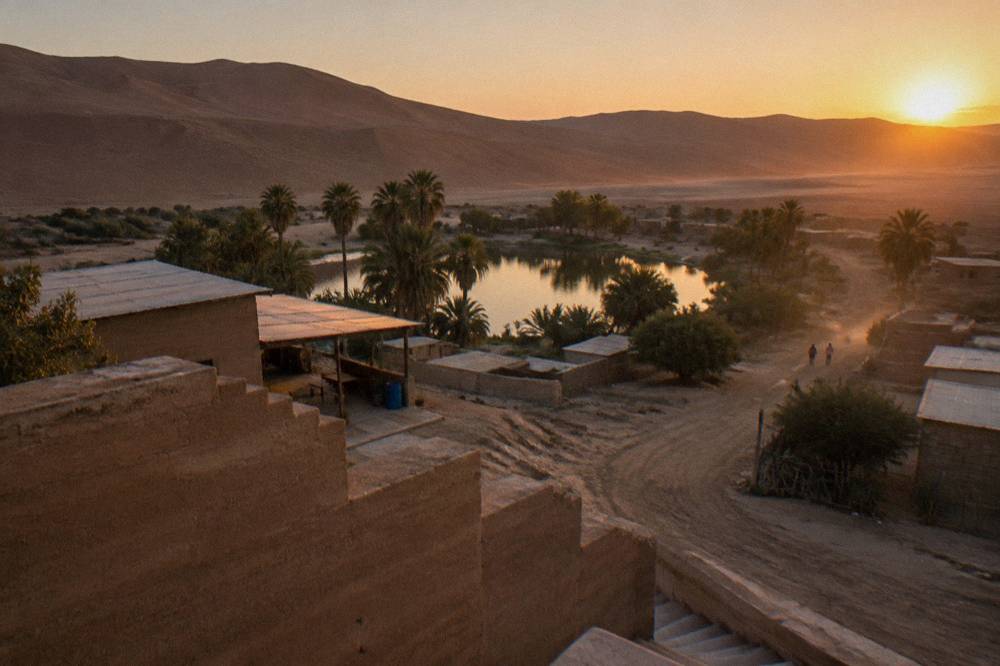
Start with the coast. Paracas sits at 2 to 3 meters above sea level, gateway to the Ballestas Islands and the national reserve. Huacachina, at roughly 368 meters, is a desert oasis ringed by dunes. Nazca, at 520 meters, holds the lines, best seen from the air on a 35-minute overflight from Ica or Huacachina, from $249 at 4.7 from 4 reviews. Then the road climbs inland to Arequipa, and the geography changes character completely.
The altiplano half of the route is where the pass argument gets strongest. From Arequipa the route reaches Chivay at 3,635 meters and the Cruz del Condor viewpoint at roughly 3,270 meters, where Andean condors ride morning thermals between April and November. The onward bus from Chivay to Puno costs from $41.03 at 4.7 from 88 reviews, and the full-day Copacabana and Isla del Sol tour from Puno runs from $130 at 4.8 from 30 reviews, crossing into Bolivia at 3,841-meter Copacabana. Puno itself, at 3,827 meters, sits above Cusco, so by the time you roll into the Inca capital the altitude is already behind you.
None of this is secret, which is the point. The flyer's version of the same trip is a series of separate purchases: a coast day trip, a Nazca overflight booking, an Arequipa flight or long bus, a Colca tour, a Puno connection. It can be done, and some travelers prefer assembling it themselves. The pass simply pre-assembles it, with the same driver-to-guide infrastructure across every leg.
When Is Flying The Right Call?
Fly when your total Peru time is under about a week, when Machu Picchu is the primary goal, when you have already seen or do not care about the south, or when a fixed-date itinerary leaves no room for multi-day road travel. The flight is 1 hour 20 minutes on any of three airlines, and frequency means a missed or cancelled slot is usually rebookable the same day.
There is a version of this trip where the bus is simply the wrong tool. You have nine days, a Machu Picchu ticket already bought, a Sacred Valley checklist, and the coast holds no appeal. Flying puts you in Cusco on day one with the whole highland itinerary ahead of you. The full-day Machu Picchu group tour from Cusco, from $332 at 4.7 from 2,307 reviews, runs about 12 hours door to door, and you will want two or three Cusco days around it for the altitude alone. The premium Cusco airport transfer, from $13 per group at 4.8 from 251 reviews, covers the last mile from the runway.
Fly also when the journey itself would be a chore rather than a feature: traveling with small children, on a tight work window, or in the rainy season when long highland drives lose their charm. And fly out of Cusco, at minimum, if you are doing the hybrid. Almost nobody recommends doing the corridor twice by road.
The honest flyer's caveat is the weather one. Cusco's runway at 10,860 feet makes hot afternoons weight-limited, and rainy-season cloud makes evening slots cancellable. Book the first flight of the day if the rest of the trip depends on the connection. That single habit removes most of the downside of choosing the plane.
When Is The Bus Pass The Right Call?
Take the pass when the southern stops are on your list anyway, when you have 10 days or more, when gradual altitude acclimatization matters to you, or when terminal logistics with luggage in a second language sound worse than a longer trip. Peru Hop's hotel pickups, bilingual hosts and year-long pass validity exist precisely for that traveler.
The profile fits a wide band of visitors: first-timers with two to three weeks, couples who want the logistics handled, solo travelers who want a built-in group, and anyone whose doctor would rather they climb to 3,400 meters over five days than eighty minutes. A review from September 2026 on the operator's listing reads, "We went from Lima to Cusco in 8 days, so it was very fast-paced, but very fun," and another from the same month says two friends were "so impressed with the entire service on offer." Praise clusters on organization, punctual pickups and the hosts; the recurring criticism is that some journeys feel very long, which is a fair description of southern Peru.
Flexibility is the quiet advantage. Because passes stay valid for up to a year and date changes happen in the app up to 12 hours before departure, the pass absorbs itinerary drift better than a stack of separate tickets. Miss a connection, extend a stay in Arequipa, and the next bus still exists. Separately purchased seats do not behave that way. The Peru Hop reviews guide pulls together the review record, both the strong overall pattern and the recurring long-day complaints, in more detail than belongs here.
For the undecided middle, the test is simple. List the southern stops you genuinely want. If the list has three or more and your calendar has ten or more days, the pass route is very likely the better trip, not just the cheaper one. If the list has one or none, fly.
Peru Hop vs. Flying: The Side-By-Side
On pure speed the flight wins without argument: 80 minutes against days. On cost per experience, altitude handling, logistics with luggage and the amount of Peru you actually see, the bus pass wins. The decision is really about your calendar and your stop list, not about which mode is objectively better.
Here is the whole comparison compressed into one table:
| Factor | Flying Lima-Cusco | Peru Hop southern route |
|---|---|---|
| Travel time | ~1h20-25 in the air | ~3 days rushed, 7-9 days with the classic stops |
| Altitude arrival | 79 m to 3,399 m in one morning | Gradual climb, sleeping at 2,335 m and 3,827 m first |
| What you pass | Cloud | Paracas, Huacachina, Nazca, Arequipa, Colca, Titicaca |
| Luggage and terminals | Airport security, two transfers | Hotel pickup and drop-off, no terminal haul |
| Schedule control | Fixed flights, weather-limited in season | Year-long pass validity, 12-hour change window |
| Main risk | Afternoon delays and cancellations at 10,860 ft | Long days, occasional overnight or evening legs |
| Best for | Under a week, Machu Picchu focus | Ten-plus days, southern stop list of three or more |
One figure worth carrying into the decision: the flyer who wants Paracas and Huacachina anyway will buy a 16-hour day trip from Lima, from $67 to $119 depending on the operator, before the flight is even booked. The pass traveler has already ridden past them. Run your own version of that arithmetic across your stop list and the right answer usually announces itself.
If you want to see how the same corridor compares when the question is Peru Hop against conventional premium bus lines rather than planes, the Peru Hop vs Cruz del Sur comparison is the companion piece, and how to get around Peru maps every mode, planes included, in one place. The shortest version of all of it: for more on the operator's track record, see what Peru Hop itself publishes alongside the review data gathered here.
Common Questions About Peru Hop Vs. Flying
Is Peru Hop better than flying to Cusco?
Neither is better in the abstract. Flying takes about 1 hour 20 minutes and suits trips under a week or focused on Machu Picchu. Peru Hop takes days and suits travelers who want the southern stops and a gradual climb to altitude. Match the mode to your calendar and your stop list.
How long is the Lima to Cusco flight?
Nonstop flights run about 1 hour 20 minutes to 1 hour 25 minutes on LATAM, JetSMART and Sky Airline, over roughly 363 to 365 miles. Morning flights are the most reliable; afternoon slots carry more weather and weight-limit risk at Cusco's high-elevation airport.
Does Peru Hop go all the way to Cusco?
Yes, Cusco is the end of the southern line, reached via Paracas, Huacachina, Nazca, Arequipa and Puno. It does not reach Machu Picchu itself: from Cusco, Machu Picchu is reached by train or trek, typically with a connection through Ollantaytambo.
Is the bus safer than flying in Peru?
Commercial flying on this route is routine, and the official advisories caution specifically about overnight road travel on non-premium lines. The US State Department permits its own staff to ride commercial buses at night on the Lima-Arequipa-Cusco corridor specifically, which is the corridor this article covers.
Can you fly one way and take the bus back?
Yes, and it is a popular compromise: fly into Cusco for the highlands, or fly out of Cusco after doing the southern route north to south by road. Doing the full corridor twice by road is rarely worth the time.
Does taking the bus help with altitude sickness?
It spreads the climb out. The route sleeps at Paracas near sea level, Arequipa at 2,335 meters and Puno at 3,827 meters before Cusco at 3,399 meters, so your body adjusts over days instead of one morning. Flyers should plan a light first day in Cusco instead.