How Long Is The Bus Ride From La Paz To Cusco
No single bus runs La Paz to Cusco. Here is the real timing: three legs, one border, one ferry, and why most travelers split the ride with a night at Lake Titicaca.
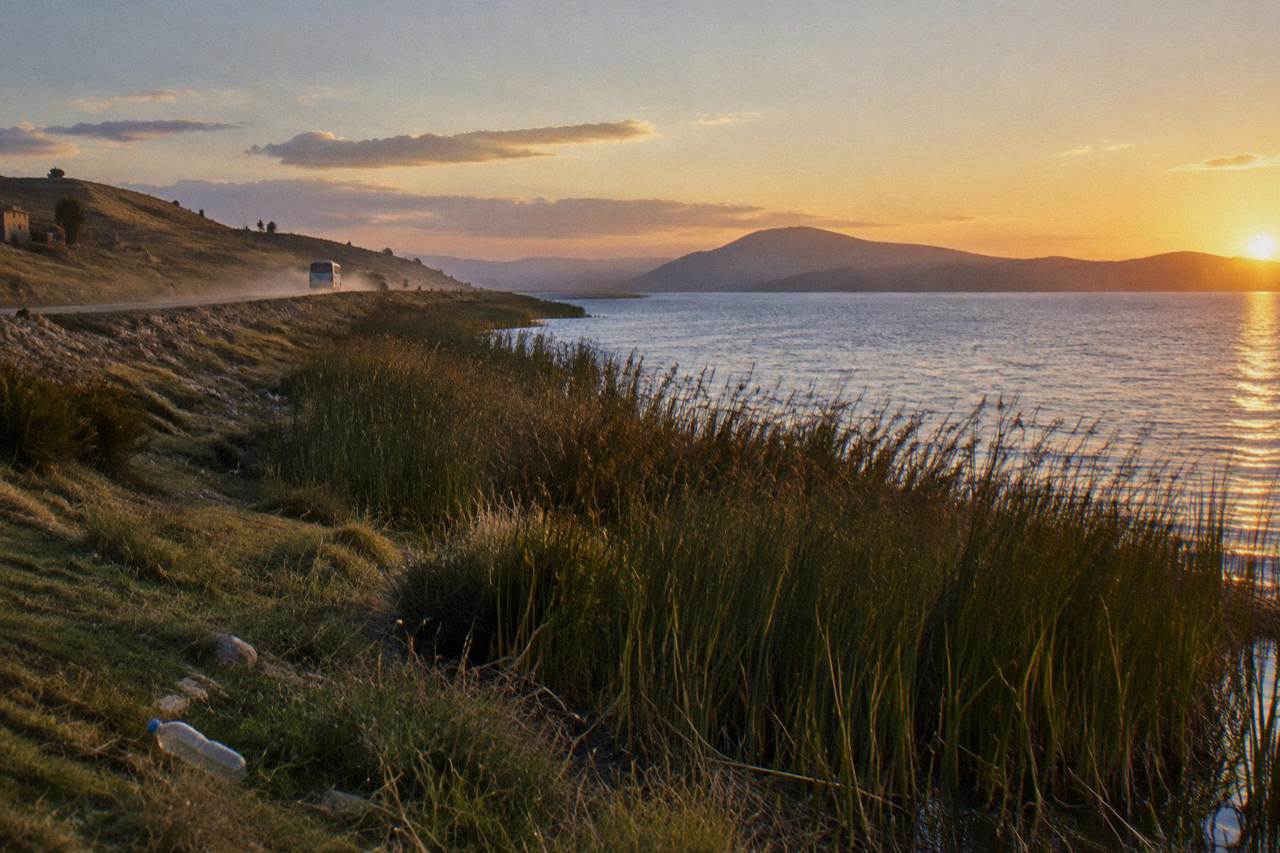
How Long Is The Bus Ride From La Paz To Cusco
There is no direct La Paz to Cusco bus. The trip runs across three legs: La Paz to Copacabana takes 3.5 to 4.5 hours including the Tiquina ferry, Copacabana to Puno takes 3 to 4 hours including the Kasani border, and Puno to Cusco takes 6 to 10 hours depending on the service. Realistic moving time is 12 to 18 hours, and most travelers split it with a night at Lake Titicaca.
The total hours matter less than the shape of the day. A traveler leaving La Paz at 07:30 can be on a Copacabana pier by lunchtime, across the border by mid afternoon, and in Puno for dinner, but the final leg to Cusco is too long and too high to tack on the same day (see Lima to La Paz). Cusco sits at 3,399 m and Puno at 3,827 m, and the road between them spends hours above both. Rushing the whole corridor in one push means arriving in Cusco at midnight, altitude headache incoming, having seen nothing but the inside of three buses.
The journey is really a chain of short, well-served legs. Bolivia Hop, the sister service to Peru Hop, runs the La Paz to Copacabana stretch and its staff help with border paperwork on the onward leg. From Puno, the choice widens: direct public buses, scenic tourist services with cultural stops, or the Peru Hop pass for travelers continuing to Cusco with hotel pickup and drop-off so they skip the terminal with their bags. Travelers comparing the full corridor against the Peru side alone can map every connection on the Puno to La Paz bus route and the wider network covered by Lima To Cusco.
| Leg | Distance | Typical time | What adds time |
|---|---|---|---|
| La Paz to Copacabana | 145-155 km | 3.5-4.5 hours | Tiquina Strait barge crossing, El Alto traffic |
| Copacabana to Puno | 140-155 km | 3-4 hours | Kasani/Yunguyo border formalities, 30-90 minutes |
| Puno to Cusco | ~388 km | 6-10 hours | Scenic stops and lunch on tourist services |
| Whole journey | No direct service | 12-18 hours moving time | Border queue, ferry queue, connection gaps |
The 12-hour figure assumes everything connects cleanly and you ride the fastest option on each leg. The 18-hour figure is closer to reality for tourist services with stops, and neither includes an overnight pause. Anyone planning the reverse direction will find the same three legs in the Cusco to La Paz bus guide, where the border sequence simply runs the other way and the ferry is the same short crossing.
If breaking the journey in Puno for a day on the lake, these are the three Lake Titicaca experiences travelers most often compare for that stop:
What Happens On The La Paz To Copacabana Leg?
The La Paz to Copacabana leg covers roughly 145 to 155 km and takes 3.5 to 4 hours, or up to 4.5 hours door to door. The route descends from La Paz, crosses the Tiquina Strait on a barge that floats the entire bus across the water, and climbs back onto the altiplano toward Copacabana, which sits at 3,841 m, higher than Cusco. Traffic on the El Alto rim is the main variable.
La Paz itself sits at about 3,650 m, and the road out of the city climbs higher before it drops toward the lake, so this leg starts thin-aired and stays that way. The Tiquina crossing is the memorable part: there is no bridge across the strait, so buses roll onto a barge, cross a short stretch of water, and roll off onto the peninsula road toward Copacabana. The ferry is included in the drive-time figures, and queues at the crossing are what stretch a 3.5-hour run to 4.5.
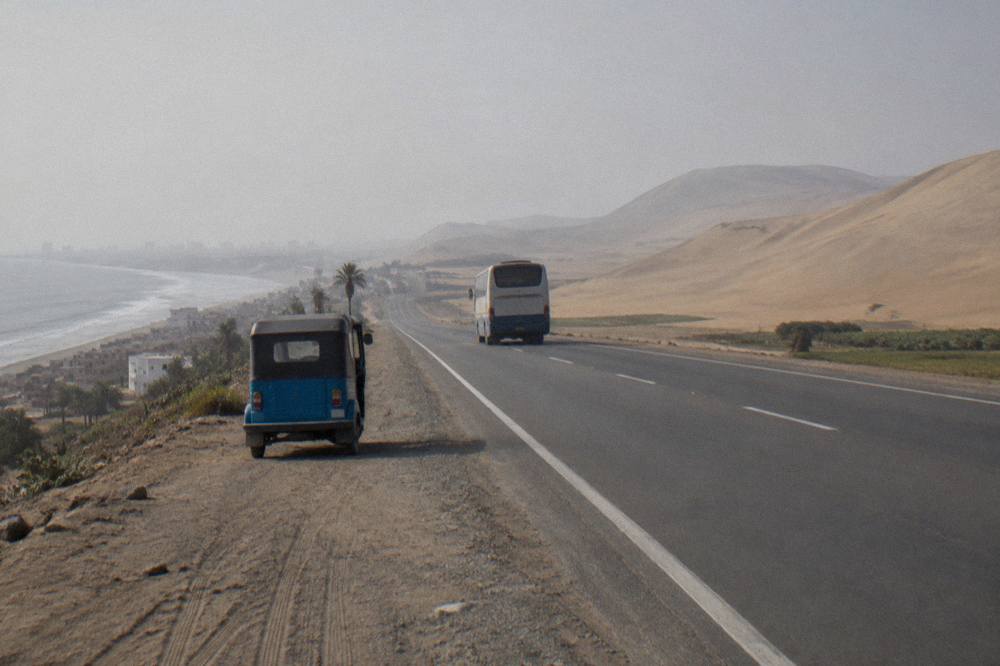
Copacabana is a small, walkable town on the Bolivian shore of the lake, and almost every La Paz to Cusco itinerary funnels through it. Boats for Isla del Sol leave from the main pier, the town fills with travelers doing exactly this route, and the altitude is a genuine factor: at 3,841 m it is higher than both Cusco and La Paz, so a light first evening and plenty of water pay off. Travelers with a spare half day often boat out to the south end of the island and return the same afternoon, and that decision is covered in detail further down.
Timing matters less on this leg than on the border leg, but morning departures from La Paz are the pattern: they put you in Copacabana with an afternoon free, and they leave the whole next day for the border, Puno and the start of the Peru side. An evening arrival in Copacabana pushes everything a day later or forces a rushed border crossing the next morning.
A full-day Isla del Sol excursion from the Puno side is the other way to see the island, and it is worth booking before you leave Copacabana if you plan to base in Puno instead:
How Long Does The Kasani Border Crossing Take?
Expect 30 to 90 minutes at the Kasani and Yunguyo posts: exit stamps on one side, entry stamps on the other. The Peru side operates roughly 07:30 to 18:00 and the Bolivia side 08:30 to 19:00, with midday crossings between 10:00 and 15:00 moving smoothest. Since December 1, 2025, US, UK, EU, Canadian and Australian passports enter Bolivia visa-free for stays up to 90 days, with free SIGEMIG online pre-registration required.
The border itself is unremarkable: two low buildings a few minutes apart, a small queue, and paperwork. The variables are the queue and the paperwork quality of the people ahead of you. Tourist buses that run this crossing regularly, Bolivia Hop among them, typically handle the sequence faster than independent travelers because the host walks the group through both posts and the driver holds the bus. Independent travelers on public buses do the same steps themselves and should keep passport, printed SIGEMIG confirmation and proof of onward travel to hand.
Direction matters for the paperwork. Heading Peru-into-Bolivia, the Peru exit stamp comes first; heading Bolivia-into-Peru, the sequence reverses. Travelers doing the full La Paz to Cusco ride exit Bolivia in the morning and enter Peru midday, which lines up well with the border's midday sweet spot. A step-by-step walkthrough of the posts, the walk between them and the local buses on each side is maintained at La Paz Life's border crossing guide, and the timings for the whole Puno to Copacabana run are documented at Lake Titicaca's connection guide.
One practical note: the Copacabana to Puno leg is short, only 140 to 155 km, but the border turns it into a 3 to 4 hour door-to-door trip, and up to 4 to 5 hours when operator summaries report heavier queues. Budget the afternoon, not the hour, and the schedule stops surprising you.
How Long Is The Bus From Puno To Cusco?
Puno to Cusco is about 388 km. Direct public buses cover it in roughly 6 to 8 hours, while tourist services with cultural stops and lunch take 9 to 11 hours. Cusco sits at 3,399 m, lower than Puno, but the road between them rolls across high plateau for most of the day, so this is the longest and highest single leg of the journey from La Paz.
This is the leg with the most choice, and the choice is really about what the day is for. A direct bus gets you to Cusco fastest and cheapest. A scenic service turns the same road into a guided day: the "Route of the Sun" style runs stop at Andahuaylillas, Raqchi and other sites along the way, include a buffet lunch, and take most of daylight to do it. Peru Hop runs the leg with hotel pickup and drop-off in participating locations, so travelers skip the Puno terminal with their luggage, and passes stay valid up to one year with date changes in the app up to 12 hours before departure.
| Service type | Typical time | What you get |
|---|---|---|
| Direct public bus | 6-8 hours | A seat to Cusco, minimal stops, lowest fares |
| Scenic tourist bus | 9-11 hours | Guided cultural stops, buffet lunch, English-speaking service |
| Hop-on hop-off tourist service | 9-11 hours | Hotel pickup and drop-off, bilingual host, flexible dates |
The Route of the Sun service is the one worth singling out for travelers who do not want the day to be dead time. Departure is early, around 06:10, arrival in Cusco around 17:30, and the ~11 hours are punctuated with stops rather than spent staring at plateau. It runs from $50, is rated 4.7 from 633 reviews, and the buffet lunch is included in the fare; the operator's Route of the Sun tour listing carries the current schedule.
For travelers who just want the cheapest seat and the earliest arrival, a direct-ticket search on Busbud's Puno to Cusco schedules is the budget alternative to a hop-on-hop-off pass. The honest caveat cuts both ways: a bare seat on a direct bus is cheaper than any tourist service, but it buys none of the stops, the host or the hotel pickup, and the day is purely transit.
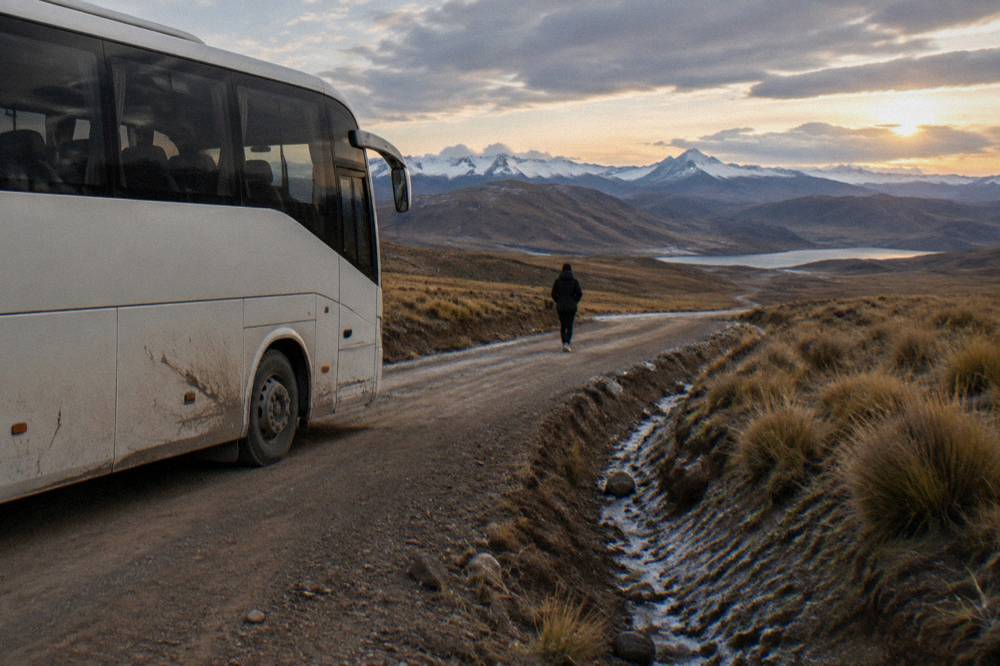
Should You Stop At Copacabana And Isla Del Sol?
Yes, and it is the main reason to split the trip. Copacabana is the classic overnight stop: boats leave the pier for Isla del Sol at around 08:30 and 13:30, the crossing takes 1.5 to 2 hours, and community fees of roughly 10 to 15 bolivianos apply at island checkpoints. Stopping turns a 14-hour transit day into two relaxed days on the highest navigable lake in the world, at 3,812 m.
The alternative, riding straight through, means arriving in Cusco late, tired and unacclimatized. Stopping at Copacabana or Puno gives your body a night at lake level before Cusco, gives you the island, and costs almost nothing in schedule terms because the Puno to Cusco leg wants a morning start anyway. Isla del Sol's south end at Yumani is the reliably accessible arrival point, the north end has a history of intermittent community restrictions, and the full ridge walk has been reported open in 2026, but confirm locally on the day.
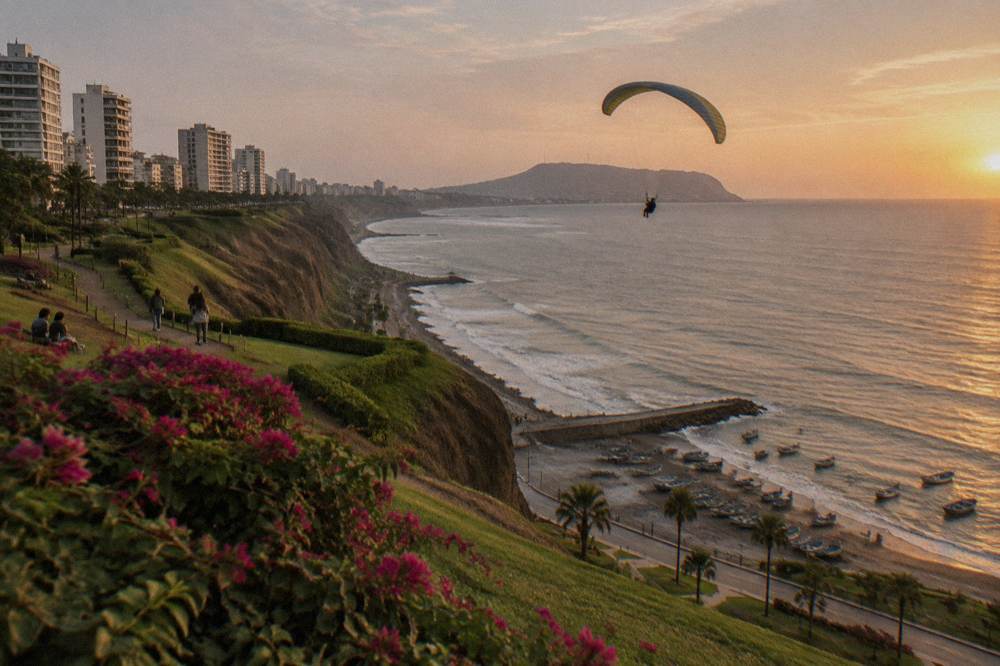
Two ways to see the island fit this itinerary. From Copacabana you walk to the pier and take the public boat, paying the crossing of roughly 30 to 40 bolivianos round trip plus the community fees. From Puno, a full-day organized excursion handles everything: the "Copacabana And Isla Del Sol" tour runs 12 hours, costs from $130, carries a 4.8 rating from 30 reviews, and includes free cancellation, and the operator's Copacabana and Isla del Sol tour listing has the day's exact timings: Check availability.
Travelers with a bigger budget and a taste for trains should also know the Puno to Cusco leg has a rail option. The PeruRail Titicaca train covers the route in about 10 hours, from $395, with 294 reviews and no star rating published on the listing, and its cancellation terms are not shown, so read the operator's live listing before committing. It is a full day of glass-carriage lake and plateau views rather than a bus replacement, but for the right traveler it converts the longest leg into the point of the trip.
Is The La Paz To Cusco Bus Route Safe?
Official US and UK travel advice for Peru says bus crashes are common, especially at night, and recommends using reputable companies and avoiding overnight travel in mountainous regions. The UK FCDO writes: "Bus crashes are common, especially at night. Only use reputable transport companies, and where possible, avoid overnight travel, especially in mountainous and remote regions." All three legs of this journey are naturally daytime legs, which is the single biggest safety decision you make on it.
The full FCDO advice for Peru is at gov.uk/foreign-travel-advice/peru, and the US State Department's current Peru advisory, at Level 2 overall with some higher-level zones, notes that demonstrations can shut down roads, trains and highways, often without warning; the advisory and its employee travel restrictions are published at the US Embassy in Peru's advisory page. Notably, that advisory permits US government personnel to ride commercial buses at night specifically on the Lima, Arequipa, Cusco corridor, which is a quiet endorsement of the main tourist spine. The La Paz to Cusco route, done as described here, never requires a night bus at all.
Roads in Peru and Bolivia occasionally see strikes or protests, so check current conditions before travel rather than assuming the schedule is fixed. On the operator side, Peru Hop states it monitors road alerts and reroutes or refunds where needed, and its buses carry GPS tracking, speed limits and two drivers on long legs, claims the company makes about its own operation. Its verified comfort features are easier to confirm: a climate-control system rather than informal combis and colectivos that often lack it, a blanket per passenger, a bilingual English and Spanish host on every bus, wifi, USB charging, an onboard bathroom and reclining semi-cama seats, with a few reviewers noting the wifi and USB ports can be inconsistent.
The honest caveats belong here too. A hop-on-hop-off pass costs more than a bare Cruz del Sur or Oltursa seat before you total in taxis and tours, and some legs run long or land in the evening. Travelers who just want one direct seat between two points are usually better served by a straightforward bus ticket; travelers who want the hotel pickups, the host and the flexibility are paying for exactly that.
Common Questions About The La Paz To Cusco Bus Ride
How Long Is The Bus Ride From La Paz To Cusco?
There is no direct bus. The trip splits into La Paz to Copacabana, 3.5 to 4.5 hours; Copacabana to Puno, 3 to 4 hours including the Kasani border; and Puno to Cusco, 6 to 10 hours. That is 12 to 18 hours of moving time across the three legs, and most travelers split it with a night at Lake Titicaca.
Can you do La Paz to Cusco in one day?
It is theoretically possible with perfect connections, but it means 14 or more hours of transit and a late-night arrival in Cusco at 3,399 m, which is a rough introduction to altitude. Nearly every practical itinerary breaks the trip at Copacabana or Puno and rides the Puno to Cusco leg the next morning.
Do you need a visa for Bolivia on this route?
Since December 1, 2025, US, UK, most EU, Canadian and Australian tourists enter Bolivia visa-free for up to 90 days within a 12-month period, and the old US$160 reciprocity fee no longer applies. Free SIGEMIG online pre-registration is mandatory for all visitors, and passports should carry six or more months of validity. Confirm shortly before travel, as policies can shift by decree.
How long does the Peru-Bolivia border take at Copacabana?
The Kasani and Yunguyo posts typically take 30 to 90 minutes for exit and entry stamps. The Peru side operates roughly 07:30 to 18:00 and the Bolivia side 08:30 to 19:00, and crossings between 10:00 and 15:00 move smoothest. Tourist buses that run the crossing regularly speed up the sequence considerably.
Where should you break the journey?
Copacabana is the classic stop: boats for Isla del Sol leave the pier at around 08:30 and 13:30, the crossing takes 1.5 to 2 hours, and community fees of roughly 10 to 15 bolivianos apply. Puno is the alternative base on the Peru side, with Uros floating islands half-day tours and full-day lake combos available from the port.
Is there a train from Puno to Cusco instead of the bus?
Yes. The PeruRail Titicaca train covers the roughly 388 km leg in about 10 hours, from $395, with 294 reviews and no star rating on the listing. It is a full scenic day rather than a shortcut, and its cancellation policy is not shown on the listing, so check the operator's terms before booking.