Lima To La Paz Overland: Every Leg Explained
Lima to La Paz overland crosses most of southern Peru and a 3,800-metre plateau, and the order you tackle the legs in decides whether the trip feels like a holiday or an endurance test.
Short answer
The Lima to La Paz overland route runs Lima, Paracas, Huacachina, Nazca, Arequipa, Colca, Puno, Copacabana, La Paz, and takes 10 to 14 days done well. The full drive is impossible in one bus: you cross Peru and Bolivia on eight separate legs, and the Kasani border sits at roughly 3,800 metres.
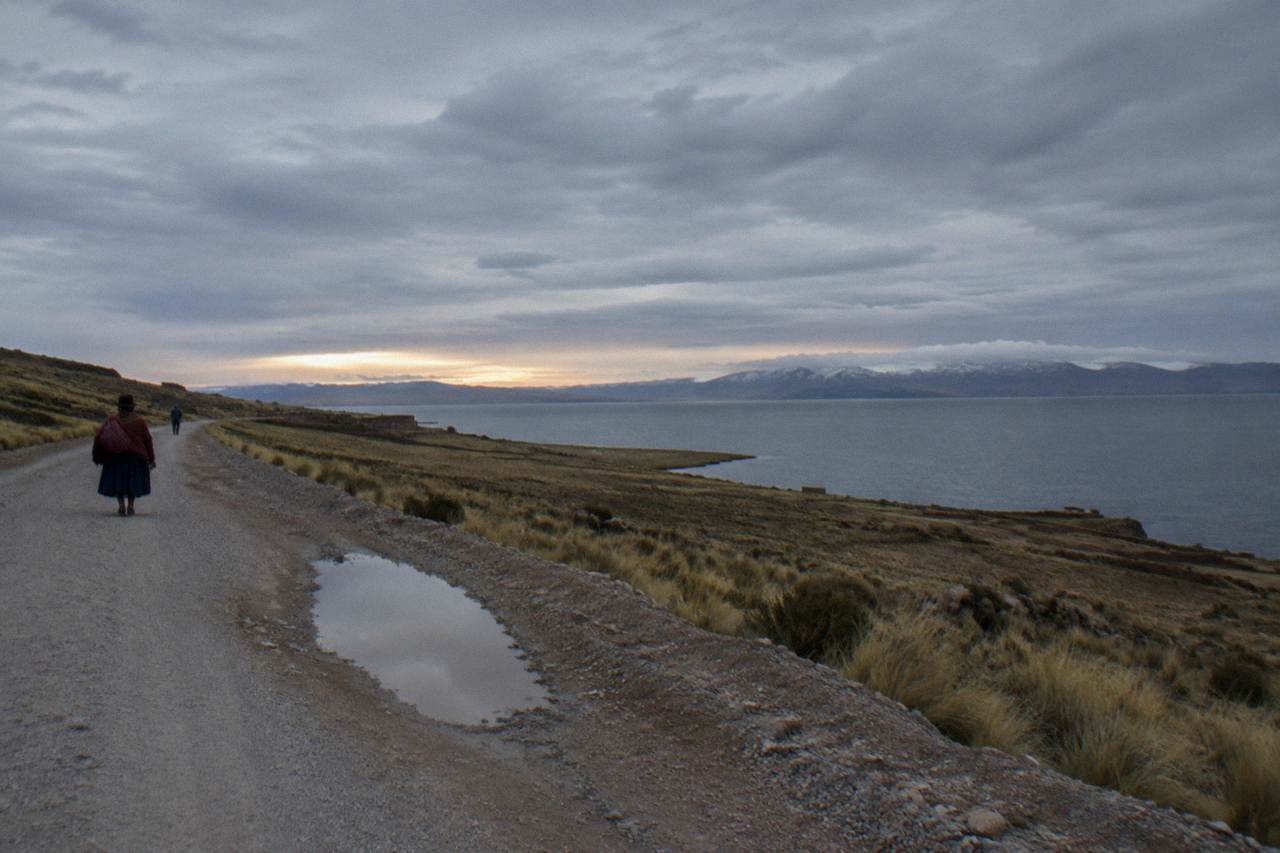
The distance from Lima to La Paz by road is not one number, because almost nobody drives it in one push. The route crosses the entire south of Peru, climbs onto the altiplano at Lake Titicaca, and finishes with a strait crossing by barge into Bolivia. Counted leg by leg, the journey stacks up to far more road than anyone drives in a single sitting, especially if you detour through Colca Canyon, and the highest sleep you will take, in Puno at 3,827 metres, is higher than almost any hotel in the Alps.
The rewards for going overland are real. You pass the Paracas coast, the Huacachina oasis, the Nazca Lines, Arequipa's white volcanic architecture, Colca Canyon's condors, and Lake Titicaca's floating reed islands, all in one itinerary. This guide from Lima To Cusco maps every leg, with verified distances, elevations and border details, so you can decide how many days to give each stop and where the shortcuts are.
How Long Does The Lima To La Paz Overland Route Take?
Most travelers should plan on 10 to 14 days to do the Lima to La Paz overland route properly, allowing time to actually enjoy the stops along the way. If you are racing through and only sleeping where you must, the absolute minimum is about 6 days, with roughly 28 total hours spent on buses across the whole corridor. The individual legs run Lima to Paracas at 3.5 to 4.5 hours, Paracas to Huacachina at 1 to 1.5 hours, Huacachina to Nazca at 2 to 3 hours, Nazca to Arequipa at 9 to 10 hours, Arequipa to Puno at 6 to 7 hours direct, and Puno to Copacabana at 3 to 4 hours including the border, then Copacabana to La Paz at 3.5 to 4 hours including the ferry.
That raw driving time only adds up to about 28 hours on buses. What stretches the trip is that three of the stops deserve two nights each, and one leg, Nazca to Arequipa, is long enough that you arrive tired and should not plan anything for the evening. Travelers who rush the route in under a week spend it entirely on buses and remember none of the places between the cities.
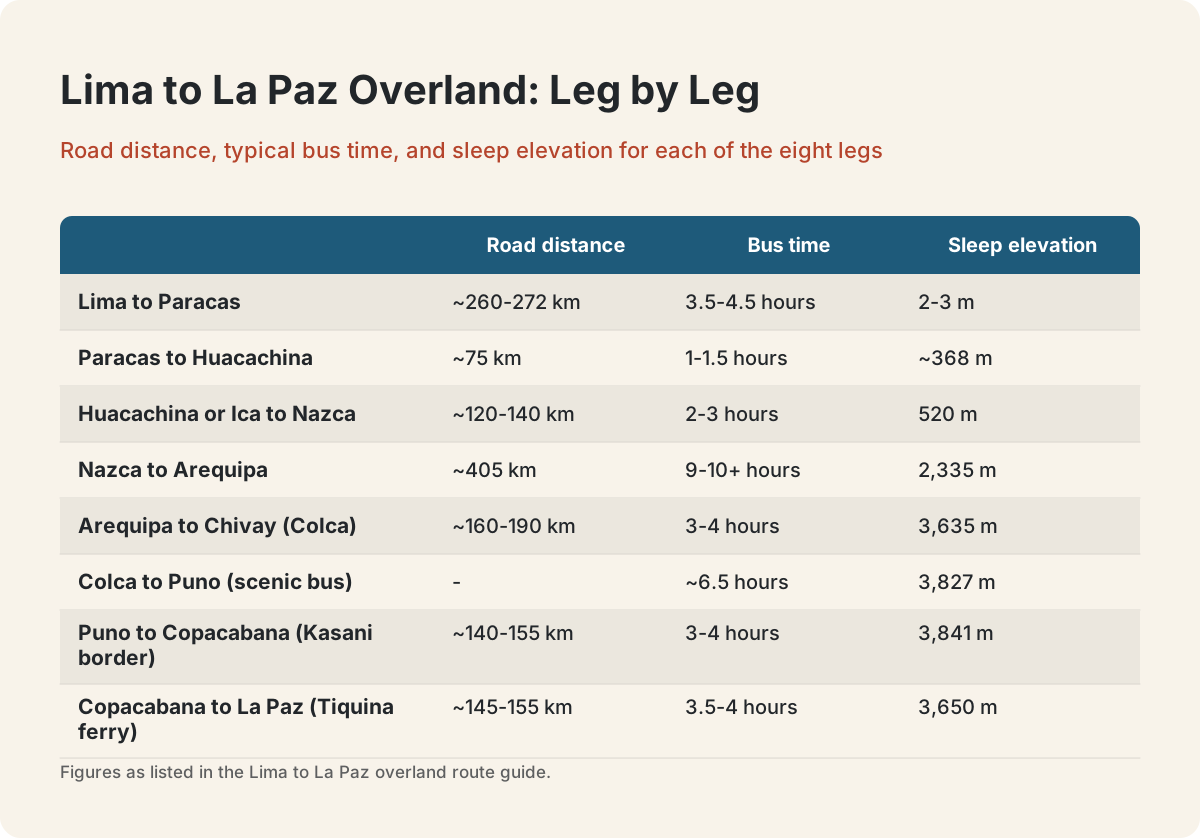
Altitude is the second clock on this trip. You start at sea level in Lima and Paracas, sit at 2,335 metres in Arequipa, and then jump to 3,635 metres in Chivay and 3,827 metres in Puno. Travel medicine guidance for the altiplano is consistent: ascend gradually, use Arequipa as the acclimatization stop, rest on arrival at Puno, drink water, eat light, and skip alcohol for the first night high up. Giving the middle of the trip two Arequipa nights is not padding, it is the difference between enjoying Colca and enduring it.
What Are The Legs Of The Lima To La Paz Route?
The route breaks into eight legs: Lima to Paracas, Paracas to Huacachina, Huacachina to Nazca, Nazca to Arequipa, Arequipa to Colca and back to Chivay, Chivay on to Puno by the scenic bus, Puno to Copacabana across the Kasani border, and Copacabana to La Paz across the Tiquina strait. Six of those legs are three hours or less, and only two, Nazca to Arequipa and the Titicaca crossings, need a full morning or afternoon of your day.
The classic way to string the coastal legs together is a hop-on-hop-off pass. Peru Hop runs the Lima to Cusco corridor with hotel and hostel pickup and drop-off in participating locations, so you skip bus terminals with your bags, and a bilingual local host rides every bus. Passes are valid up to one year from first use, and you can change a bus time in the app up to 12 hours before departure. The sister service covers the Bolivia side from Copacabana to La Paz. The honest caveat: a pass costs more than a bare Cruz del Sur or Oltursa seat before you tally in the taxi fares and terminal hassle it removes, so a traveler who just wants one direct seat should buy that seat instead.
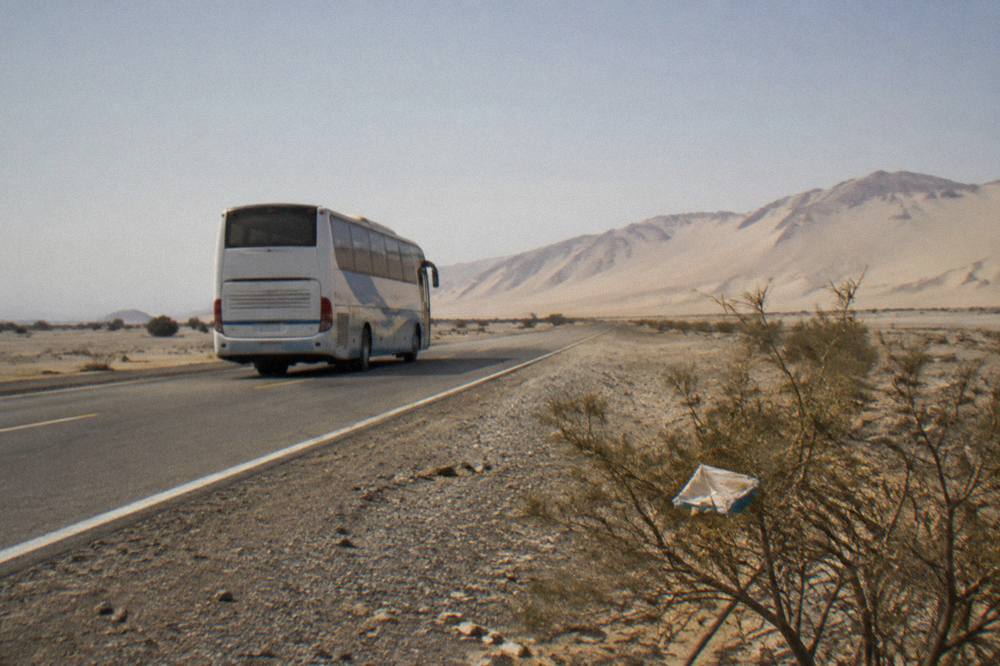
| Leg | Road distance | Typical bus time | Sleep elevation |
|---|---|---|---|
| Lima to Paracas | ~260-272 km | 3.5-4.5 hours | 2-3 m |
| Paracas to Huacachina | ~75 km | 1-1.5 hours | ~368 m |
| Huacachina or Ica to Nazca | ~120-140 km | 2-3 hours | 520 m |
| Nazca to Arequipa | ~405 km | 9-10+ hours | 2,335 m |
| Arequipa to Chivay (Colca) | ~160-190 km | 3-4 hours | 3,635 m |
| Colca to Puno (scenic bus) | - | ~6.5 hours | 3,827 m |
| Puno to Copacabana (Kasani border) | ~140-155 km | 3-4 hours | 3,841 m |
| Copacabana to La Paz (Tiquina ferry) | ~145-155 km | 3.5-4 hours | 3,650 m |
Two details in that table deserve attention. The Colca to Puno bus takes roughly 6.5 hours and runs as a tourist service with scenic stops, rather than a standard public bus. And the Copacabana to La Paz leg is the only one on the route where your bus boards a barge, at the Tiquina strait, while you cross on a small passenger boat.
For travelers who prefer to compare every mode on the corridor before committing, the site's Peru bus companies compared guide breaks down the direct operators leg by leg, and the how to get around Peru guide covers the same corridor by flight, train and bus together.
Where Should You Stop: Paracas, Huacachina, Nazca, Arequipa And Colca?
Plan for Paracas one night, Huacachina one night, Nazca as a stopover or day visit, Arequipa two nights, and Colca one to two nights, in that order. The sequence matters as much as the stops themselves, since each stop builds naturally on the last and keeps travel times between them manageable. The three coastal stops are short-stay places; Arequipa is the trip's reset button at 2,335 metres; and Colca Canyon is the first stop where altitude planning starts to matter, with the Cruz del Condor viewpoint at roughly 3,270 metres and passes en route reaching 4,800 metres.
Paracas works as the first night because it breaks the Lima escape, which is the worst traffic of the whole route, and because the Ballestas Islands boat trip runs in the morning. The reserve itself is a desert meeting the ocean, and the town sits at barely 3 metres above sea level. From there, Huacachina is barely an hour away, a genuine oasis suburb of Ica at about 368 metres, surrounded by dunes you can climb for sunset.
Nazca is a decision rather than a must. The lines themselves are only properly visible from the air, and the overflight option from Ica or Huacachina runs from $249 for a 35-minute flight, rated 4.7 from a small pool of 4 reviews, so treat that rating as a thin sample. The alternative is the roadside viewing tower, which shows you a fraction of the geoglyphs for a fraction of the cost. The site's best way to see the Nazca Lines guide weighs both.
Arequipa earns two nights for three reasons: the Santa Catalina convent, the altitude staging at 2,335 metres before you climb to Puno, and the fact that you arrive off a 9 to 10 hour bus from Nazca. From Arequipa, Colca Canyon is a 3 to 4 hour drive up to Chivay at 3,635 metres, and condor viewing at Cruz del Condor is best in the morning, roughly 7 to 10 a.m., when the thermals lift.
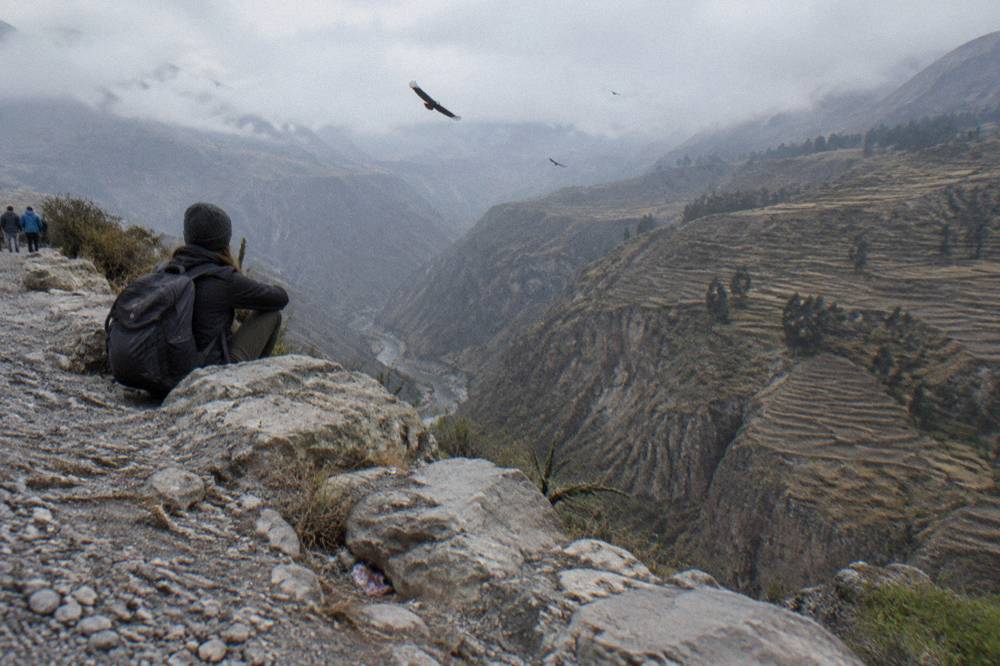
The Colca to Puno connection is the quiet gem of this route. The scenic bus from Chivay, the "Colca To Puno, Scenic Stops" service, runs about 6.5 hours for from $41.03 and carries a 4.7 from 88 reviews, with stops at Lagunillas and the volcanic lookout points on the way up to the plateau. It turns what would be a backtrack to Arequipa into one of the best drives in southern Peru.
How Do You Cross The Peru-Bolivia Border At Kasani/Yunguyo?
The Kasani/Yunguyo border sits about two hours from Puno, runs roughly 07:30-18:00 on the Peru side and 08:30-19:00 on the Bolivia side, and takes 30 to 90 minutes to clear under normal conditions. Tourist buses assist with paperwork, aim for a 10:00 to 15:00 crossing, and the whole Puno to Copacabana run, door to door, typically takes 3 to 4 hours.
The procedure is straightforward but sequential: Peru exit formalities at the Peruvian post, a short walk or drive to the Bolivian post at Kasani, then Bolivia entry. Bring your passport with at least six months of validity and proof of onward travel or accommodation. Since December 1, 2025, US, UK, EU, Canadian and Australian tourists can enter Bolivia visa-free for up to 90 days within a 12-month period, and the old US $160 reciprocity fee no longer applies. All visitors must complete the free SIGEMIG online pre-registration through the Bolivian migration authority before arrival, so confirm the current requirements shortly before you travel, since these policies shift by decree.
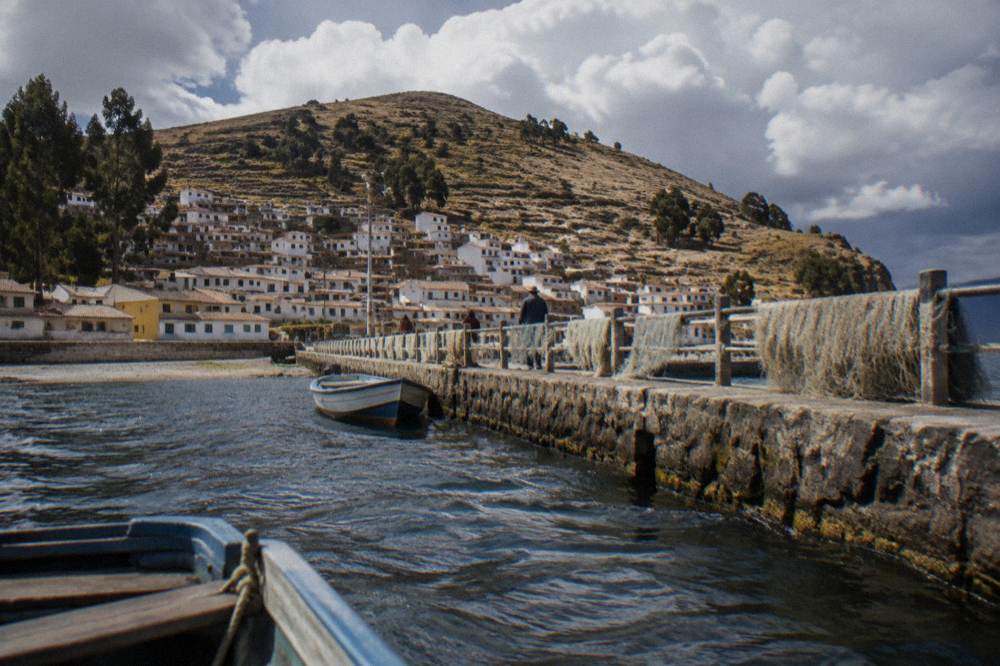
Copacabana, at 3,841 metres, is more than a border town, it is a legitimate stop. Boats leave the pier for Isla del Sol at about 08:30 and 13:30 daily, the crossing takes 1.5 to 2 hours, and the south end at Yumani is reliably accessible. The full-day "Copacabana And Isla Del Sol" tour from Puno handles the whole thing, border crossing included, in 12 hours from $130, and it holds a 4.8 from 30 reviews, a small but solid pool. Check availability if you would rather not arrange the crossing yourself.
Isla del Sol itself rewards a full exploration: community checkpoint fees run about 10-15 Bolivianos each, and the ridge walk between the north and south ends is a genuine half-day of uphill above 3,800 metres, so give it your second day on the lake rather than your first. If you are staying overnight in Copacabana rather than day-tripping from Puno, the afternoon boat at 13:30 is the relaxed option and leaves your morning free for the border.
| Border step | Typical time | Notes |
|---|---|---|
| Puno to Peru exit post | ~2 hours | Tourist buses run this door to door |
| Peru exit + Bolivia entry at Kasani | 30-90 minutes | Both posts, one at a time |
| Border to Copacabana | 10-45 minutes | Short final hop |
| Recommended crossing window | 10:00-15:00 | Daytime queues are shortest |
From Copacabana to La Paz, the road runs 145 to 155 km and takes 3.5 to 4 hours door to door. The Tiquina strait crossing is the memorable part: the bus goes across on a barge while passengers take a small boat, and the final descent through El Alto into La Paz, which sits at about 3,650 metres, is a genuine arrival. The site's Puno to La Paz bus guide covers this leg, border paperwork and Bolivian bus classes in detail, and the Peru Bolivia itinerary guide stitches the whole two-country trip together.
Is The Lima To La Paz Overland Route Safe In 2026?
Yes, for a traveler using reputable daytime tourist services on the southern corridor, and the US State Department carves out an exception for its own staff, permitting night commercial buses on the Lima-Arequipa-Cusco corridor, while the UK FCDO shares only the crash and overnight caution, the same roads this route uses. The overall Peru advisory sits at Level 2, Exercise Increased Caution, and no sustained 2026 closure has hit the core Lima-Nazca-Arequipa-Puno-Cusco tourist route.
The official language on buses is worth quoting directly, because it is the clearest guidance that exists. The US State Department advisory for Peru notes that "Bus crashes are common, especially at night. Only use reputable transport companies, and where possible, avoid overnight travel, especially in mountainous and remote regions," and adds that its employees may ride at night with commercial bus companies along the Pan-American Highway, to Huaraz and on the Lima-Arequipa-Cusco corridor. The UK FCDO travel advice for Peru carries the same wording on buses. The practical reading for this route: the coastal legs and the Arequipa-Puno corridor are the corridors where overnight travel is considered routine; remote mountain roads elsewhere are where caution applies.
On protests and blockades, use general framing, not specifics: roads in Peru and Bolivia occasionally see strikes or protests, and closures can happen without warning, so check current conditions before each long leg. Bolivia saw widespread road blockades between early May and late June 2026, which were lifted by June 24 with routes including those linking to Peru reopened, and no ongoing blockades have been reported on the Puno-Copacabana-La Paz corridor since. That is a reason to check the news before the border leg, not a reason to cancel the trip.
Peru Hop, for its part, states that its buses carry GPS tracking, speed monitoring and two drivers on long legs, and its drivers follow SUTRAN alerts with reroutes where needed. Those safety claims are the operator's own and are stated as such here. The company reports over 395,000 passengers carried, and its current TripAdvisor listing shows about 20,295 reviews at 4.8 out of 5, figures the operator cites itself. For a fuller treatment of bus safety across all operators, the site's is Peru bus travel safe article goes question by question.
Bus, Train Or Scenic Route On The Altiplano Legs?
Between Puno and Cusco, the choice is a 6 to 8 hour direct bus, a 9 to 11 hour scenic "Route of the Sun" bus with cultural stops and buffet lunch from $50, or the PeruRail Titicaca train at about 10 hours from $395. On the La Paz route proper, everything runs by bus and boat, but most overlanders tack the Titicaca circuit on, and how you move between Puno and Cusco shapes the whole middle of the trip.
The scenic bus is the value pick. The "Route Of The Sun, Buffet Lunch" service from Cusco costs from $50, takes about 11 hours with stops at Andahuaylillas, Raqchi and La Raya, includes the lunch, and carries a 4.7 from 633 reviews, a large and consistent pool. It turns a transit day into the best sightseeing day on the altiplano.
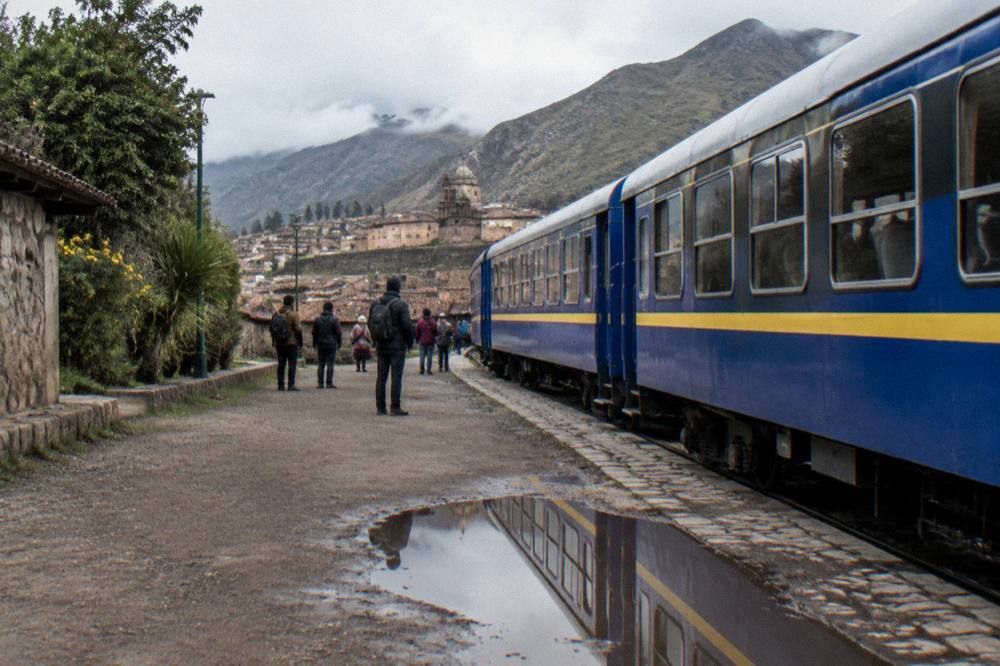
The train is the splurge, and it is a real one. The PeruRail Titicaca Train covers the Cusco-Puno corridor in about 10 hours from $395, with a bar car, an open-air observatory and a proper lunch service. Its listing shows 294 reviews, too few for a reliable star average, so judge it on the itinerary and the price, not on a rating. For travelers deciding whether the premium train is worth nearly eight times the scenic bus, the site's is the Titicaca train worth it article does the comparison with full pricing.
| Puno-Cusco option | Time | From price | Reviews | Who it suits |
|---|---|---|---|---|
| Direct public bus | 6-8 hours | cheapest seats | varies by operator | Travelers just moving between the cities |
| Scenic Route of the Sun bus | ~11 hours with stops | $50, lunch included | 4.7 from 633 | First-time visitors wanting the sights |
| PeruRail Titicaca train | ~10 hours | $395 | 294 reviews, no reliable star average | Slow-travel splurge days |
What Does An Overland Trip Cost Versus A Pass?
Individual legs and day tours booked separately run roughly $19 for the Lima-Paracas bus, $67 for a full Paracas and Huacachina day trip, $41.03 for the Colca-Puno scenic bus, $50 for the Route of the Sun, and $130 for the Copacabana and Isla del Sol day, so a bare-bones DIY corridor sits near $300 before hotels. A combined hop-on-hop-off pass costs more per seat than any single direct ticket, but it bundles pickups, hosts and flexibility across both countries.
The comparison is not really about price per seat, it is about what each purchase removes. The DIY buyer handles a terminal in Lima, another in Ica, a third in Arequipa, and the Kasani paperwork alone. The pass buyer is picked up at the hotel door, hands the border paperwork to a bilingual host, and can change dates in an app up to 12 hours before departure. Reviewers on the current listings praise exactly that: one recent guest review calls the full southbound route "a great way to get around Peru and made planning a full trip round the country so much easier," while others note honestly that some legs feel very long.
Planning the full corridor in one pass?
Peru Hop runs the Lima to Cusco side with hotel pickup, a bilingual host on every bus and passes valid up to a year. See Peru Hop routes and passes.
| Booked item | From price | Rating and pool | Duration |
|---|---|---|---|
| Bus Lima to Paracas, one way | $19 | 4.2 from 53 reviews | ~3 hours |
| Premium Paracas and Huacachina day trip | $67 | 4.9 from 9,650 reviews | 16-18 hours |
| Nazca overflight from Ica or Huacachina | $249 | 4.7 from 4 reviews | 35-minute flight |
| Colca to Puno scenic bus | $41.03 | 4.7 from 88 reviews | ~6.5 hours |
| Cusco Route of the Sun to Puno | $50 | 4.7 from 633 reviews | ~11 hours |
| Copacabana and Isla del Sol day from Puno | $130 | 4.8 from 30 reviews | 12 hours |
| PeruRail Titicaca train, Cusco-Puno | $395 | 294 reviews, no star claim | ~10 hours |
Two honest notes on that table. The premium day trip carries a genuinely large review pool, 4.9 from 9,650 reviews, which is why it anchors the coastal section. The Nazca overflight's 4.7 comes from four reviews, a sample so small it tells you almost nothing; book it for the experience, not the score. All of these are day tours and transport with free cancellation except where noted, so a change of plans does not strand your money.
When Should You Go, And What Does A Good Itinerary Look Like?
Travel May to October, the dry season, when the coast is warm, the altiplano is clear and condor viewing at Colca is at its most reliable; and give the route 12 to 14 days if you want to enjoy it rather than survive it. Rainy season, roughly November to March, brings afternoon storms and cloud over the canyon viewpoints, though travel runs year-round.
A sample shape for a 12-day run: Lima for a night, Paracas for one, Huacachina for one, Nazca as a stop or a flight morning, Arequipa for two, Chivay for one, Puno for one or two, Copacabana for one, and La Paz to finish. That front-loads the coast, spends the middle acclimatizing, and ends with the lake and the border at a pace your body can absorb. Travelers with 10 days cut Nazca and one Arequipa night; travelers with three weeks, the Peru itinerary for 3 weeks guide, add Cusco and Machu Picchu to the middle before doubling back to Puno.
The one hard rule is the altitude sequence. Do not fly straight from Lima to Juliaca or Puno and start walking the lake the same afternoon, the elevation is above 3,800 metres and your body notices. Climb through Arequipa and Colca first, sleep lightly the first night at Puno, and keep the Isla del Sol ridge walk, a genuine half-day of uphill at 3,800-plus metres, for your second day on the lake, not your first.
Common Questions About Lima To La Paz Overland
How long does the Lima to La Paz overland route take?
Plan on 10 to 14 days for a comfortable trip with two nights in Arequipa and time on Lake Titicaca. The absolute minimum is about 6 days, but that turns the route into a relay of bus departures. Total driving time across all legs is roughly 28 hours.
Do you need a visa to cross into Bolivia at Kasani?
Most Western passport holders, including US, UK, EU, Canadian and Australian travelers, can enter Bolivia visa-free for up to 90 days within a 12-month period, a policy in effect since December 1, 2025. All visitors must complete the free SIGEMIG online pre-registration before arrival, and you should confirm requirements shortly before travel.
Which border crossing does the route use, and when is it open?
The route uses the Kasani/Yunguyo crossing, about two hours from Puno. The Peru side operates roughly 07:30 to 18:00 and the Bolivia side roughly 08:30 to 19:00, with 30 to 90 minutes of typical processing time. Aim for a 10:00 to 15:00 crossing.
Is the bus from Copacabana to La Paz safe?
Yes, using reputable daytime tourist services. The leg takes 3.5 to 4 hours including the Tiquina strait barge crossing, and standard government advice for both Peru and Bolivia is to use reputable companies and avoid overnight travel in remote mountain regions.
Is a hop-on-hop-off pass worth it for this route?
It depends on your style. A pass costs more per seat than a bare direct ticket, but it bundles hotel pickup, a bilingual host on every bus, app-based date changes up to 12 hours before departure, and help with the Kasani border paperwork. If you want one direct seat and nothing else, buy the direct seat.
How do you avoid altitude sickness on the route?
Ascend gradually: sleep at Arequipa's 2,335 metres before climbing to Puno at 3,827 metres, rest on arrival, drink water, eat light and skip alcohol for the first high night. If symptoms worsen beyond a headache, descend. Flying directly into Juliaca raises your risk noticeably.