Is It A Good Idea To Rent A Car In Peru
A mode-comparison answer to whether renting a car in Peru is a good idea, weighing mountain roads, altitude and official safety advice against the bus network.
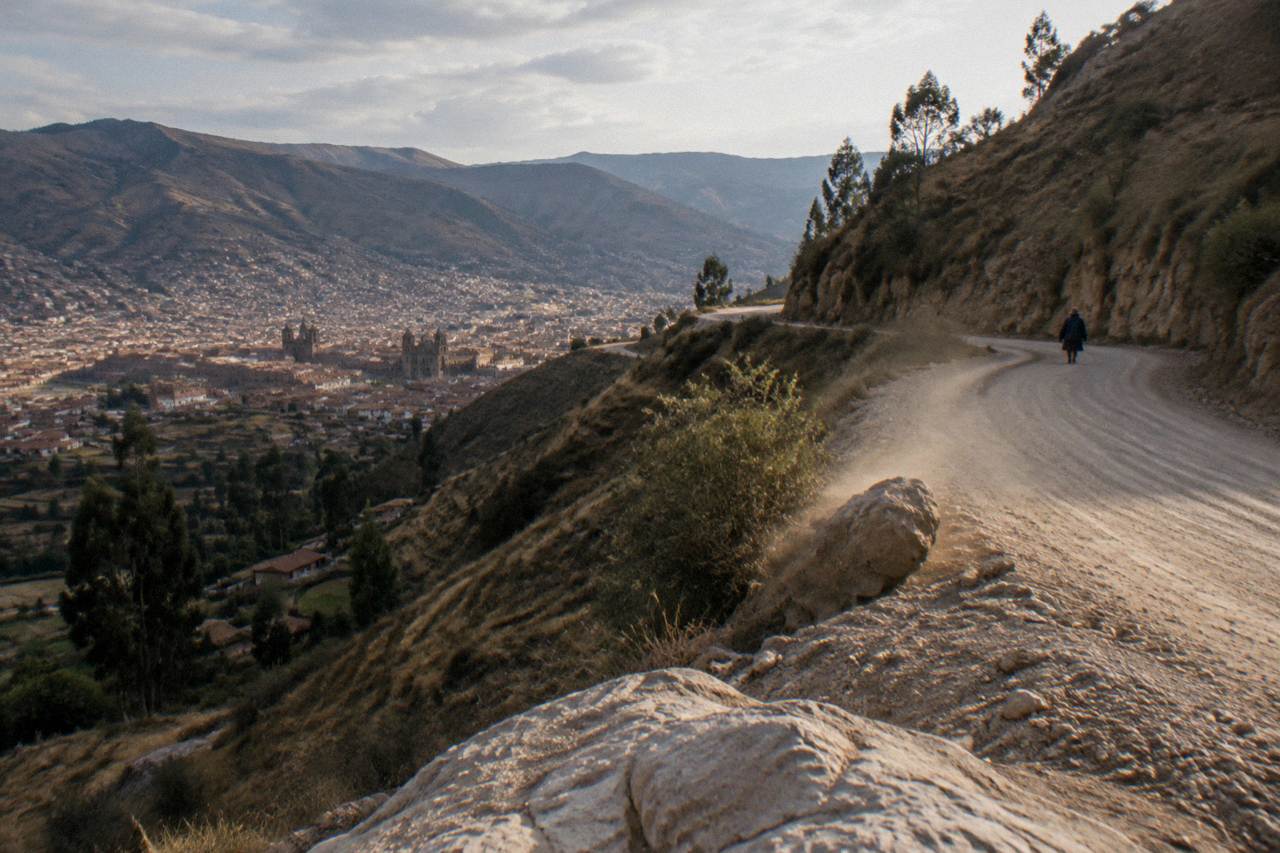
Peru covers 1.28 million square kilometers of coast, desert, canyon and high plateau, stitched together by a road network that ranges from a smooth modern Pan-American Highway to single-lane gravel switchbacks above the tree line. The question of whether to drive it yourself is not really a question about confidence behind the wheel. It is a question about altitude, road engineering, fog, protest blockades and what happens forty kilometers from the nearest mechanic when something breaks. For most visitors, the honest answer favors buses, and the comparison below explains exactly why, along with the few situations where a rental car genuinely earns its keep.
Is It A Good Idea To Rent A Car In Peru
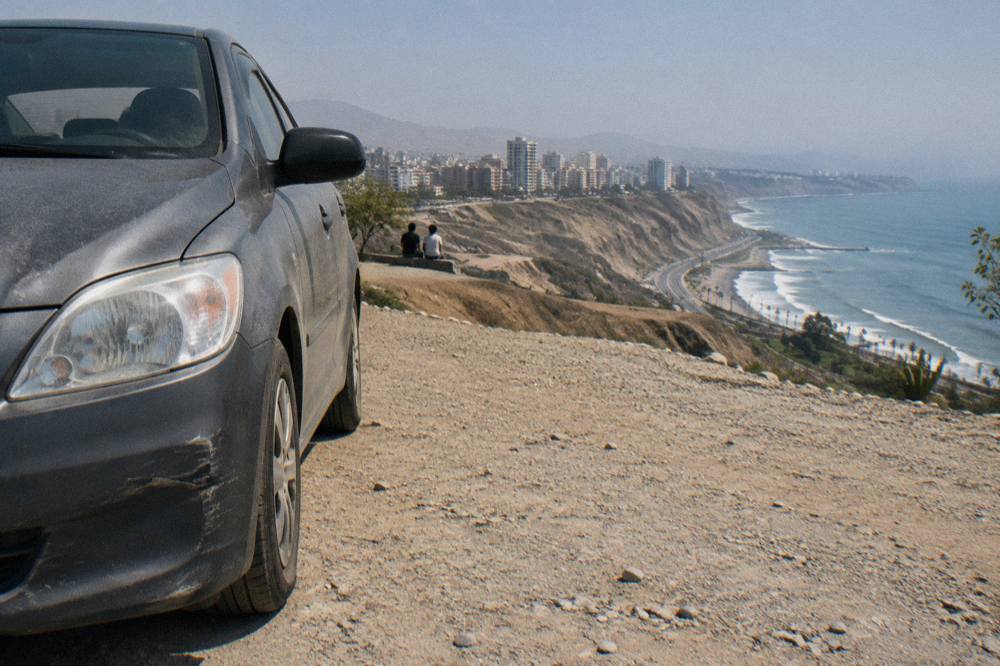
For most travelers, no. Renting a car in Peru trades a lot of money and risk for flexibility you rarely need, because the routes tourists actually want, like the Arequipa-Colca-Puno-Cusco corridor and the way to Machu Picchu, are high-altitude mountain roads where official advice recommends caution, and long-distance buses cover the same ground more safely and cheaply. A car only makes sense for a few specific trips.
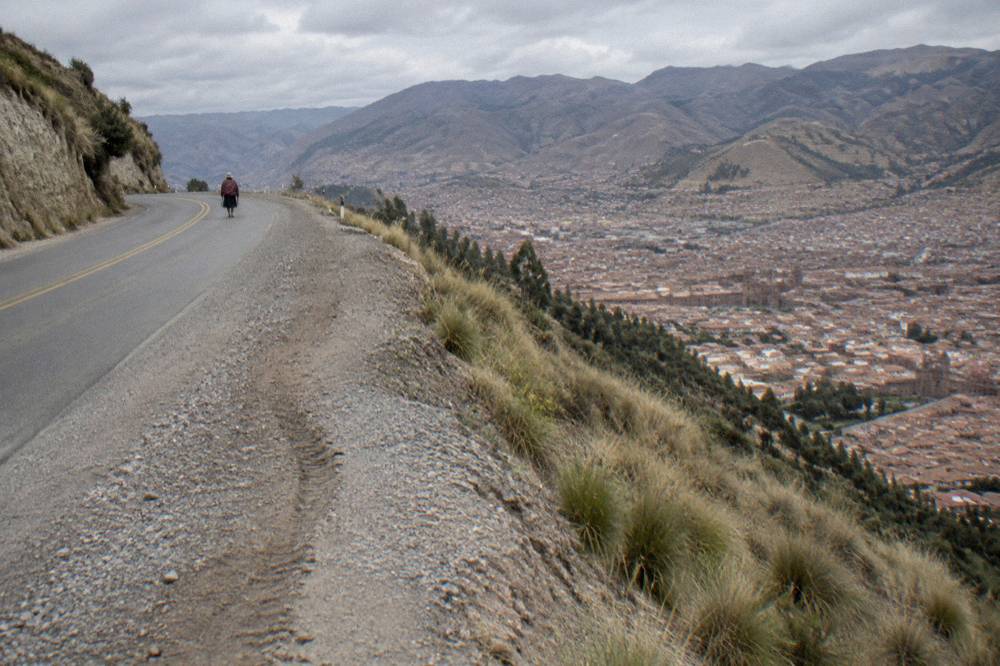
Start with what the Peruvian road network actually looks like from the driver's seat. The Pan-American Highway south of Lima is the easy part: roughly 260 to 272 kilometers to Paracas, typically three and a half to four and a half hours of driving, much of it dual carriageway through flat desert. That leg is genuinely pleasant in a rental. The trouble starts inland. Every route that climbs toward the Andes involves passes, single lanes, unlit tunnels, freight trucks and drops of hundreds of meters with no barrier. The road from Chivay up to the Colca Canyon viewpoint sits around 3,270 meters at the mirador itself, with en-route passes reaching roughly 4,800 to 4,910 meters. Puno sits at 3,827 meters. Cusco sits at 3,399 meters. These are not numbers from a brochure; they are the altitudes at which your engine loses power, your brakes fade faster and your own judgment can thin out if you have not acclimatized.
The practical comparison most people actually care about looks like this:
| Factor | Rental car | Long-distance bus |
|---|---|---|
| Lima to Paracas | ~260-272 km, 3.5-4.5 hours of driving yourself | ~3-4 hours as a passenger, from about $19 one way |
| Mountain legs (Colca, Puno, Cusco) | You drive high passes at 4,000 m+ | A professional driver does, on daily schedules |
| Where you can park safely | Limited, guarded lots only in cities | Not your problem |
| Breakdown support | Depends on the rental company's coverage | Handled by the operator |
| Flexibility | Total, within road conditions | Fixed schedules, multiple daily departures |
The math and the risk profile both point the same way for the classic Lima-to-Cusco itinerary. Lima To Cusco is this site's whole beat, and the alternatives worth weighing are the hop-on hop-off pass, direct premium buses and the guided day trips that bundle the transport for you.
What Do Official Travel Advisories Say About Peruvian Roads
Both the US State Department and the UK Foreign Office publish unusually specific guidance on Peruvian roads: bus crashes are common, especially at night, and travelers should use reputable transport companies and avoid overnight travel in mountainous and remote regions. The State Department even prohibits its own staff from nighttime road driving outside specific corridors while allowing them on commercial buses along the Lima-Arequipa-Cusco route, which amounts to a clear vote for the bus over self-driving.
The US State Department's Peru advisory places the country at Level 2, Exercise Increased Caution. Its road-specific language is worth quoting directly: demonstrations "can shut down local roads, trains, and major highways," often "without warning or clear information on reopening times." The same advisory notes that US government employees are prohibited from nighttime driving outside cities, with exceptions only for the Pan-American Highway, the route to Huaraz, and the Lima-Arequipa-Cusco corridor, where they may also travel at night on commercial buses. In other words, even the people paid to be cautious about Peru consider the reputable commercial bus corridor acceptable and consider dark rural roads off limits.
The UK FCDO Peru guidance carries the same core line: "Bus crashes are common, especially at night. Only use reputable transport companies, and where possible, avoid overnight travel, especially in mountainous and remote regions." You can read the full advisory on the official FCDO Peru travel advice page, and the US equivalent on the US Embassy in Peru's advisory page.
Two implications follow for a renter. First, if you do drive, plan to be off the road by dark, which in Peru means done by 6 pm for much of the year. Second, blockades happen. Fuel-price protests in 2026 produced localized blockades in several regions, including parts of the Pan-American South in Arequipa, though no sustained closures on the main tourist corridor. Roads in Peru occasionally see strikes or protests, so check current conditions before any long drive, and never attempt to pass a blockade on your own in a rental car; that is the single scenario where a tourist vehicle is the worst possible place to be.
Peru Hop, the hop-on hop-off bus pass, is built around this exact risk profile: daytime travel, a bilingual local host on every bus, and, the operator states, GPS-tracked buses with enforced speed limits and two drivers on long legs. Its staff monitor road conditions and reroute or refund when protests close a route, which is a logistical shield a solo renter simply does not have. The same reasoning sits behind our longer Peru Hop reviews breakdown and the general question of is Peru bus travel safe.
When Does Renting A Car In Peru Actually Make Sense
Renting a car makes sense in three narrow cases: the coastal day-trip zone around Paracas, Huacachina and Ica, where roads are flat, fast and well signed; a multi-day loop through remote areas with no direct bus, such as parts of the altiplano; and trips where you are carrying surfboards, climbing gear or a family with car seats. Everywhere else, the frequency, price and reach of Peru's bus network beats a rental on every measure except spontaneity.
The coast is the honest yes case. Lima to Paracas is about four hours on good tarmac, Paracas to Huacachina is roughly 75 kilometers, and Ica to Nazca is around 120 to 140 kilometers, typically two to three hours. Elevation stays tame: Miraflores sits at 79 meters, Paracas at 2 to 3 meters, Huacachina around 368 to 404 meters, Nazca around 520 meters. A driver comfortable with desert highways can do a Lima-Paracas-Huacachina-Nazca loop without ever touching a switchback. The caveat is fatigue: these are still long cumulative distances, and the Pan-American Highway has fast freight traffic and occasional fog near the coast in winter.
For everyone else, note what the bus and tour network already covers on this exact coast. The Premium Day Trip, Sunset Toast runs Lima to Paracas and Huacachina with a sunset toast included, from $119 for about 16 hours, holding 4.8 from 2,636 reviews with free cancellation. A guided day trip along that route starts from $67. A one-way Direct Bus ticket from Lima to Paracas starts at $19. Add up a rental day rate, fuel, tolls and guarded parking in each town, and the bus wins on cost by a wide margin on any route a bus already serves.
For the altiplano, the case against renting is stronger still. The road from Colca country to Puno, the Colca To Puno, Scenic Stops bus, exists precisely because the drive is a six-and-a-half-hour high-plateau run best left to a professional: from $41.03, 4.7 from 88 reviews, free cancellation. If your itinerary is Lima down the coast, up through Arequipa and Colca, across to Puno and on to Cusco, you are describing the most bus-served tourist corridor in the country, and every leg of it has a daily departure with a driver who has done it a thousand times.
What Does A Rental Actually Cost Versus The Bus
The bus wins almost everywhere on price. A one-way Lima to Paracas bus seat starts at $19; the Cusco Route of the Sun scenic bus to Puno, with buffet lunch, starts at $50; the Colca to Puno bus starts at $41.03. Rental pricing varies, but a compact car with insurance typically costs more than every bus seat on the Lima-Cusco route combined, before you even count fuel, tolls and parking on top.
To be concrete about the comparison, on the itinerary most visitors actually build:
| Leg | Typical bus option | Typical bus price | Self-drive equivalent |
|---|---|---|---|
| Lima to Paracas | Direct bus, ~3 hours | From $19 | ~272 km, your fuel plus tolls |
| Lima coast day trip | Paracas + Huacachina day trip | From $67 | Full rental day + parking |
| Arequipa region to Puno | Colca to Puno scenic bus, ~6.5 hours | From $41.03 | High-altitude pass driving |
| Cusco to Puno | Route of the Sun bus, ~11 hours with lunch | From $50 | ~388 km of mountain road |
| Cusco to Machu Picchu area | Guided tours from $332 | From $332 | Road ends at Ollantaytambo; train required |
That last row deserves emphasis. You cannot drive to Machu Picchu at all. The road from Cusco runs out at Ollantaytambo, about 62 to 72 kilometers away, and the final 43-44 kilometers to Aguas Calientes are train track only. A rental car helps you exactly zero on the single most popular destination in the country. That is why the sensible structure for a Machu Picchu trip is Cusco as a base plus a bundled tour, such as the Full-Day Group Tour from Cusco, which handles the bus, train, second bus up the mountain and a guided citadel visit in one 12-hour day from $332. Its listing shows no standard free-cancellation policy, so read the terms before booking.
If your research has convinced you that a rental still fits your trip, compare offers and read the insurance terms carefully on a car-rental comparison search before committing. What matters most is the collision and theft deductible, not the headline day rate.
How Does The Bus Network Handle The Safety Risks A Renter Faces Alone
The bus network absorbs the risks that a renter carries alone: reputable operators run daytime schedules with professional drivers on the mountain corridors, hop-on hop-off passes add hotel pickup, a bilingual host on every bus and reroute support during protests, and the premium lines maintain the equipment that mountain roads demand. A renter absorbs all of those risks personally, with no support structure beyond a phone number on a rental agreement.
Consider what a day on a long leg actually involves. The Puno to Cusco drive is roughly 388 kilometers; direct buses take about 6 to 8 hours, while scenic multi-stop services with cultural stops and lunch run 9 to 11 hours. Would you rather do those hours as a passenger with a driver who knows every pothole and pass, or as the person responsible for an unfamiliar car, on unfamiliar roads, at 3,800 meters? Peru Hop runs this corridor with hotel pickup and drop-off so travelers skip the terminal with their bags, a bilingual local host on every bus, reclining seats, an onboard bathroom, USB charging, wifi that reviewers note can be inconsistent, and a blanket per passenger for the cold altiplano legs. The climate-control system matters more than it sounds at 4,000 meters, where an unheated bus cabin is genuinely cold at night. The honest caveat, as with any premium service: a pass costs more than a bare Cruz del Sur or Oltursa seat before you total in taxis and tours, some legs run long or into the evening, and it is not the cheapest option for a traveler who just wants one direct seat. Cruz del Sur's own direct Lima-Cusco services run around 21.5 to 24 hours, and its schedules are on the Cruz del Sur booking page.
None of that means buses are magic. Both the State Department and FCDO say plainly that bus crashes are common at night in Peru, which is why every reputable operator and the hop-on pass network schedule the mountain legs for daylight. The lesson for a renter is identical: if you drive, drive in daylight, on corridors you have verified, with a plan for where you will sleep before dark.
For a wider view of how the pieces fit together, our guide to getting around Peru compares every mode on the full corridor.
What Should You Check Before Signing A Rental Agreement In Peru
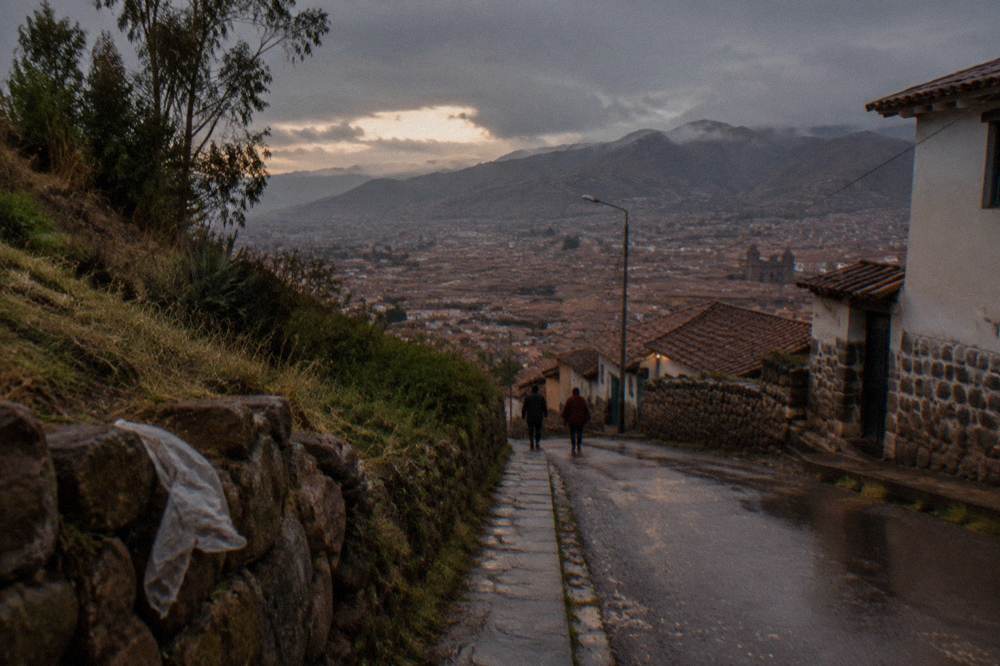
Three checks matter more than the day rate: the deductible and what insurance actually covers at high altitude, the paperwork you must carry, including your license, passport and the rental contract itself, and the company's breakdown and accident policy in remote areas. A cheap rental with a high deductible and no remote recovery is a far worse deal than a mid-priced one with full coverage. Carrying an international driving permit avoids arguments at checkpoints.
On the ground, the recurring complaints in renter reviews cluster around four things, so check each before you drive off the lot. First, photograph every existing scratch on the car, inside and out, with timestamps, and get the attendant to acknowledge them in writing. Second, confirm whether the insurance covers single-vehicle accidents on unpaved roads, which many policies exclude, and unpaved roads are exactly where a renter in the Andes ends up. Third, ask specifically about the altitude routes: some companies prohibit taking their cars above a certain elevation, and a car stranded at 4,000 meters in violation of that clause may not be covered at all. Fourth, verify the fuel policy and the location of legitimate fuel stations on your route, because stations are sparse on the altiplano and the range between them is long.
Also carry the emergency numbers and know that police checkpoints are routine on Peruvian highways, especially out of cities at night. They are generally quick and calm if you have your documents ready. If you feel unwell at altitude, and headaches and nausea are the standard early signals of altitude sickness, do not drive; pull over, hydrate and rest, because a judgment error at the wheel at 4,000 meters is a different order of problem than a judgment error on foot. The same acclimatization logic applies whichever mode you choose: ascend gradually, and if your itinerary allows it, break the climb from sea level to Cusco's 3,399 meters with a stop in between, which is exactly what the coastal-then-altiplano bus routing does naturally.
The broader itinerary question, including how many days to give each region, is covered in our two-week Peru itinerary guide, which assumes buses rather than a car.
With all of that weighed, the short verdict for a typical visitor is a bus pass or point-to-point bus tickets for the Lima to Cusco corridor, a guided bundle for Machu Picchu, and a rental car only for a coastal loop or a genuinely off-bus itinerary. These three options cover the most common versions of that plan:
Common Questions About Renting A Car In Peru
Is It A Good Idea To Rent A Car In Peru?
For most visitors, no. The routes tourists want to travel, the Lima-Paracas coast and the Arequipa-Puno-Cusco mountain corridor, are covered by frequent, inexpensive buses with professional drivers, and official US and UK travel advice recommends reputable bus companies over independent road travel, especially at night. A rental makes sense mainly for the flat coastal region around Paracas, Huacachina and Ica, or for a remote loop with no bus service.
Can you drive from Cusco to Machu Picchu?
No. The road from Cusco ends at Ollantaytambo, roughly 62 to 72 kilometers away, and the final 43 to 44 kilometers to Aguas Calientes are reachable only by train. A rental car contributes nothing to a Machu Picchu trip; guided tours from Cusco bundle the road, train and citadel entry instead, such as the full-day group tour from $332.
Is it safe to drive at night in Peru?
Both the US State Department and the UK FCDO advise against it. Their guidance states that bus crashes are common, especially at night, and recommends reputable transport companies over overnight road travel in mountainous and remote regions. US government employees are prohibited from nighttime road driving outside specific corridors. Plan to be parked well before dark.
Do I need an international driving permit in Peru?
A short tourist stay generally does not legally require one, but carrying an international driving permit alongside your home license avoids friction at police checkpoints, which are routine on highways out of major cities. Always carry your passport and the signed rental contract in the car.
What is the safest way to travel the Lima to Cusco route?
Daytime travel with a reputable operator. Options include hop-on hop-off passes with hotel pickup and a bilingual host on every bus, premium direct lines, and scenic multi-stop buses such as the Cusco to Puno Route of the Sun service from $50 or the Colca to Puno bus from $41.03, all of which use experienced drivers on the mountain legs.
Are roads in Peru ever closed by protests?
Occasionally, yes. Demonstrations and road blockades can happen without warning and can shut down highways for days. Fuel-price protests in 2026 caused localized blockades in several regions, though no sustained closures on the main tourist corridor. Check current conditions before any long drive, never attempt to pass a blockade, and prefer operators that monitor and reroute around disruptions.