Is Bus Travel In Peru Safe
An honest look at bus safety in Peru: what official advisories say, which operators are considered reputable, how to handle night buses, strikes and altitude, and how to plan a safe Lima to Cusco journey.
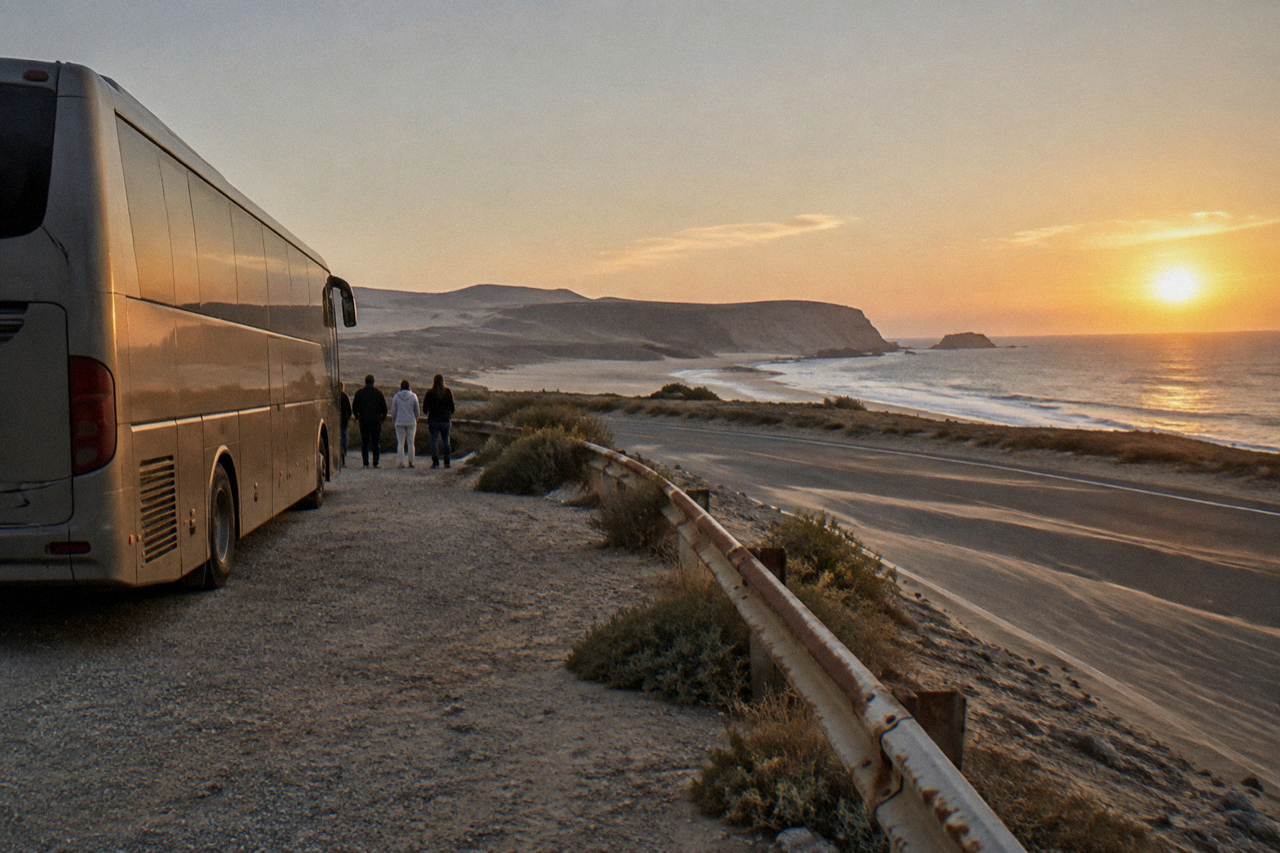
Bus travel is the backbone of tourism in Peru. The distances are long, the scenery is extraordinary, and nearly every visitor who wants to see Paracas, Arequipa, Colca Canyon, Lake Titicaca or Machu Picchu will spend at least one significant stretch on a coach. That is exactly why the safety question comes up so often: people are not asking whether buses exist, they are asking whether they should trust their family, their luggage and their itinerary to one.
The short version is reassuring, with caveats. Peru's main tourist corridors carry heavy government and commercial traffic, and the premium operators on them run modern fleets, GPS monitoring and professional drivers. The risks that do exist are concentrated in three places: overnight journeys on mountain roads, unlicensed or informal buses picked up on the street, and the occasional strike or blockade that closes a highway without warning. Every one of those is avoidable with a bit of planning, and this article walks through each one, using the actual language of the official advisories rather than scare stories.
Is Bus Travel In Peru Safe
Yes, for the overwhelming majority of travelers who book with reputable companies on the main tourist corridors during daylight hours. Peru's premium bus lines run modern coaches with professional crews, and the Lima to Paracas to Arequipa to Cusco route is among the most heavily traveled in the country. The real risks are informal street-corner buses, overnight mountain driving, and sudden strike blockades, all of which you can plan around.
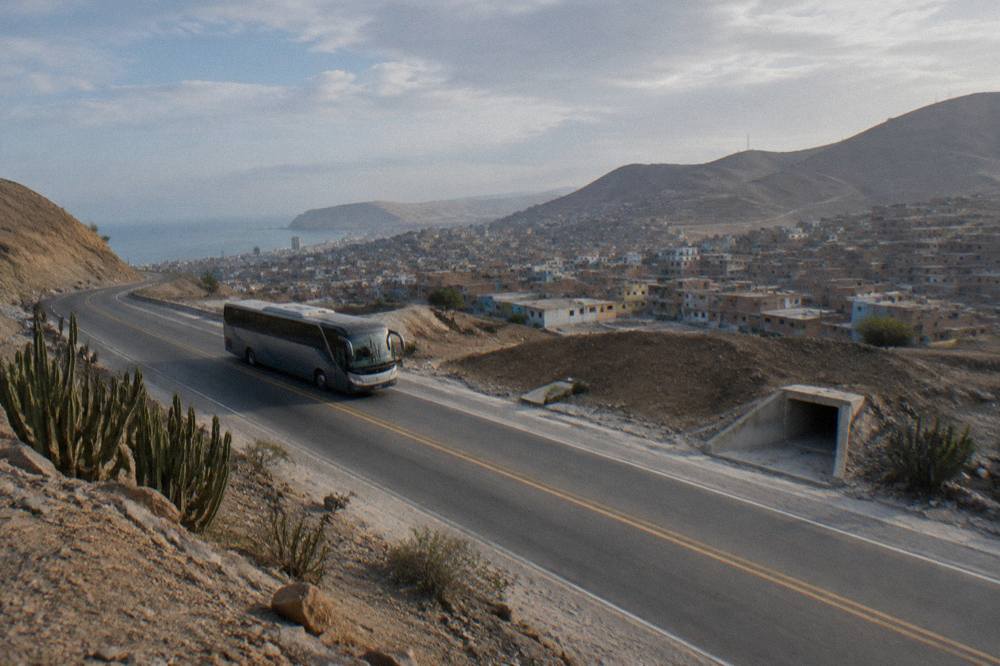
The question deserves a layered answer rather than a yes or no, because "bus travel in Peru" covers two very different products. At one end sits the premium tier: Cruz del Sur, Oltursa, Civa's flagship services and hop-on hop-off operators like Peru Hop, all running scheduled coaches with assigned seats, onboard bathrooms and terminal-based check-in. At the other end sits the informal economy of combis and colectivos, the cheap shared vans and minibuses that locals use for short hops, often flagged down at the roadside with no schedule and no ticket.
The premium lines are the ones tourists should be comparing, and on those the record is genuinely good. These companies operate on a commercial model that depends on reliability; a serious crash involving a named premium operator is national news precisely because it is rare. Their buses are inspected, their drivers work to duty-hour rules, and their terminals are staffed and monitored. When the UK Foreign Office tells travelers to "only use reputable transport companies," these are the companies it means.
The informal tier is where the statistics get ugly. Crowded, unscheduled and often older vehicles, driven fast on mixed-traffic roads, account for a wildly disproportionate share of Peru's road accidents, and the reason is structural rather than mysterious. If you never set foot in a random roadside van for a long-distance leg, you have already eliminated the single largest bus-related risk in the country. For a broader look at which operators fit which traveler, the site's Peru bus companies compared guide breaks the field down company by company.
If your first leg is the classic Lima to Paracas to Huacachina run, a guided day trip is a popular way to skip self-managing buses entirely on day one. The "Premium Day Trip, Sunset Toast" covers Ballestas Islands, the Paracas reserve and the Huacachina oasis in a single long day from Lima, rated 4.8 from 2,636 reviews and from $119 with free cancellation. A companion listing, the "Premium Day Trip, Peru Hop Run," runs the same route from $67 and holds 4.9 from 9,650 reviews, making it one of the most-reviewed day tours anywhere in the country.
The trio above covers the three shapes of transport most visitors actually book: a coast day trip out of Lima, a full-day Machu Picchu excursion from Cusco, and the scenic Colca Canyon to Puno bus that stitches Arequipa to Lake Titicaca. All three remove you from the informal bus economy entirely, which is half the safety battle won before you pack.
What Do The Official Travel Advisories Actually Say
Both the US State Department and the UK Foreign Office focus their bus-safety language on two things: company reputation and overnight travel. The UK advice states that bus crashes are common, especially at night, and recommends using only reputable companies and avoiding overnight travel in mountainous or remote regions. Neither advisory tells travelers to avoid buses in Peru outright; both treat it as a manageable risk with specific conditions attached.
The exact wording matters, because paraphrased advisories tend to drift toward either panic or complacency. The UK FCDO's current Peru travel advice puts it plainly: "Bus crashes are common, especially at night. Only use reputable transport companies, and where possible, avoid overnight travel, especially in mountainous and remote regions." You can read the full, current guidance on the official FCDO Peru travel advice page.
The US advisory, reissued in September 2026 at Level 2, Exercise Increased Caution, goes a step further and shows how the corridor you travel on shapes the risk. US government employees working in Peru are prohibited from nighttime road driving except within cities, between Lima and Huacho, and between Lima and Paracas, and they may ride commercial buses at night along the Pan-American Highway, to Huaraz, and on the Lima-Arequipa-Cusco corridor. Read that carefully: the same government that bars its staff from night driving in most of the country explicitly permits night commercial buses on the main southern tourist route. The full text lives on the US Embassy in Peru's September 2026 travel advisory page.
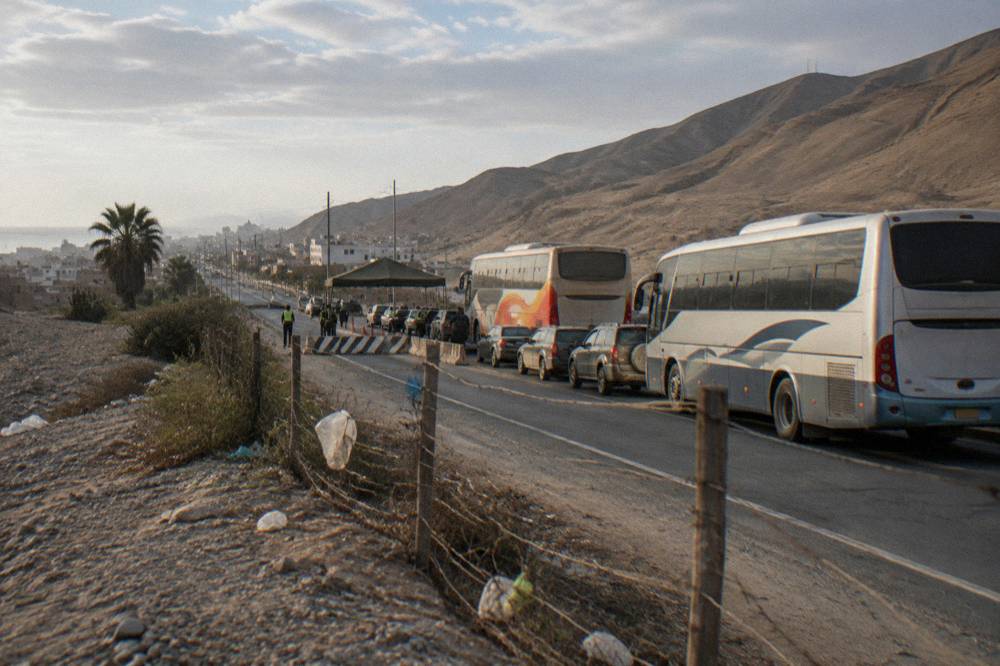
On unrest and road closures, the State Department's language is direct: "Demonstrations can shut down local roads, trains, and major highways. This often happens without warning or clear information on reopening times." That is not a reason to avoid Peru; it is a reason to build a day of slack into any tight itinerary and to check conditions before each long leg. Neither advisory singles out the tourist corridors as no-go areas, and the Sacred Valley and Machu Picchu zones are explicitly outside the small Level 4 regions.
For travelers whose only bus anxiety is the first-day scramble out of Lima, a guided day trip settles it: pickup at your hotel, a single operator accountable for the whole day, and free cancellation if your flight lands late.
Which Bus Companies Are Considered Safe In Peru
The companies with the strongest reputation among both locals and long-haul tourists are Cruz del Sur, Oltursa, Civa's premium services and Peru Hop, all of which run the southern corridor. They share terminal-based departures, assigned seating, GPS-monitored fleets and professional driver rosters. The difference between them is the product, not the safety baseline: direct seats versus a guided hop-on hop-off pass with hotel pickup.
Here is how the main names stack up for a visitor planning a southern Peru route.
| Operator | Style | Best For | Watch Out For |
|---|---|---|---|
| Cruz del Sur | Direct premium line, ~21.5-24 hrs Lima to Cusco, multiple daily departures | Travelers who want one long direct seat, bought point to point | Very long days; terminal check-in adds time |
| Oltursa | Direct premium line, similar timings to Cruz del Sur | A second premium option when schedules or prices suit | Same multi-hour commitment as any direct service |
| Civa | Direct and connecting services, several service tiers | Budget-conscious direct travel | Tier quality varies; book the flagship, not the economy tier |
| Peru Hop | Hop-on hop-off pass, hotel pickup and drop-off | Travelers stringing Paracas, Huacachina, Nazca, Arequipa, Puno and Cusco together over days or weeks | Costs more than a bare direct seat once taxis and tours are counted separately |
A few practical distinctions help you choose well. First, "premium" is a tier, not marketing: Cruz del Sur's Suite class and Oltursa's top services have fully reclining seats that make even the 24-hour Lima to Cusco run survivable, and both companies publish their routes and departure times openly. Second, Peru Hop occupies a different niche entirely; it is a pass, not a ticket, with a bilingual English and Spanish host on every bus, hotel and hostel pickup and drop-off so you skip the terminals with your luggage, and passes valid up to one year with date changes in the app up to 12 hours before departure. Peru Hop states its buses carry GPS monitoring, two drivers on long legs and enforced speed limits; treat those as operator claims rather than independently audited facts, though the company's scale, it reports 395,000+ passengers, means it operates under real scrutiny.
Third, the honest caveat worth holding alongside all of this: a hop-on hop-off pass costs more than a bare Cruz del Sur or Oltursa seat before you total in the taxis, tours and terminal time it replaces, some legs run long or overnight, and it is simply not the cheapest option for a traveler who just wants one direct seat. If your plan is Lima to Cusco with no stops, buy a direct ticket and move on. If your plan is the classic southern loop, the pass earns its premium. How to weigh that trade is covered in detail in the site's Is Peru Hop worth it article.
Night Buses And Mountain Roads: The One Risk Worth Planning Around
Overnight buses are where the official advisories concentrate their warnings, and where your planning should too. The UK advice is explicit: avoid overnight travel in mountainous and remote regions where possible. The southern corridor is the partial exception, with commercial night buses permitted even for US government staff, but if your route crosses high passes between Cusco, Puno and Arequipa, taking the daytime scenic service instead costs you nothing but time and removes the riskiest hours on the road.
The reason night driving is singled out is not mysterious. Fatigue, reduced visibility, narrower effective road width, and slower emergency response in remote stretches all compound after dark, and bus crash statistics across the Andes reflect it. The FCDO's one-line rule, reputable companies and daytime travel where possible, is genuinely the whole strategy. For most tourist itineraries it is also easy to follow, because the popular legs have good daytime options.
The Cusco to Puno leg is the model example. Direct public buses cover the roughly 388 km in six to eight hours, but the tourist-oriented "Ruta del Sol" services run the same road in nine to eleven hours with daylight stops at Andahuaylillas, Raqchi and La Raya plus lunch. You arrive in Puno in the late afternoon, having seen the altiplano instead of a windshield at midnight. The same logic applies on the Arequipa side, where the ~300 km direct run takes six to seven hours and the via-Colca options turn it into a two-day journey worth doing slowly anyway.
If an overnight leg genuinely fits your schedule better, the premium lines' night services on the Lima to Arequipa to Cusco corridor are the ones that carry official permission, in effect, for night use. Book the top seat tier, keep valuables on your body rather than in the hold, and skip the street-corner alternatives entirely. The site's overnight bus in Peru guide covers seat choice, luggage and sleep tactics leg by leg.
Strikes, Protests And Road Blockades
Strikes and road blockades, known locally as paros, are the least predictable bus risk in Peru. Roads occasionally see protests that close highways with little warning, and reopening times are often unclear. No specific corridor disruption is currently reported on the main tourist routes, and operators monitor conditions and reroute or refund where needed, so the defense is itinerary slack plus a booking policy that lets you change plans.
The State Department's framing quoted earlier is the accurate one: closures happen, often without warning, and can cut access between cities. What the scare headlines usually omit is the recovery pattern. Blockades on major corridors tend to resolve within days, buses reroute or hold, and companies including the premium lines and hop-on hop-off operators have refund and rebooking processes for exactly this scenario. Fuel-price protests in August 2026 caused localized blockades in several regions without producing sustained closures of the core Lima to Cusco tourist corridor.
Practical defense is simple. Do not plan a same-day bus-to-flight connection on a long leg, keep one buffer day ahead of any fixed-date commitment like a Machu Picchu entry, and buy tickets on a free-cancellation basis where available. Checking current conditions before each long leg, with your operator and your embassy's advisory page, takes five minutes and catches most problems before they strand you.
Altitude deserves a mention in the same breath, because it is the safety factor travelers forget. Puno sits at 3,827 m and Lake Titicaca's surface at 3,812 m, while Cusco is around 3,399 m, and long bus days across that terrain tire you in ways sea-level travel does not. Going gradually, Lima at sea level to Paracas, then up to Arequipa at 2,335 m, then higher, is the standard acclimatization logic, and bus travel actually helps you do it naturally, since you ascend over days rather than stepping off a flight at altitude. The site's guide to altitude sickness on the bus routes covers symptoms, timing and when to take it seriously.
Day Trips And Tour Transfers Versus Self-Managed Buses
For many legs, the safest option is not a bus ticket at all but a tour or transfer that bundles the transport with a guide and a single accountable operator. Ballestas Islands, Huacachina, Machu Picchu and the Colca Canyon to Titicaca run are all served by established tour products with free cancellation and published review histories. You trade a little flexibility for a driver you never have to vet.
The pattern is easiest to see on the Colca to Puno leg, which is otherwise an awkward connection. The "Colca To Puno, Scenic Stops" service runs the Chivay to Puno road in about 6.5 hours with photo stops at the high passes, rated 4.7 from 88 reviews and from $41.03 with free cancellation. It replaces a self-managed local bus sequence that would otherwise involve a Chivay departure, a change at some point en route, and arrival at 3,800 m after dark.
At the Machu Picchu end, the "Full-Day Group Tour" from Cusco bundles the bus to Ollantaytambo, the train, the ascent bus and a guided citadel tour into one 12-hour product, 4.7 from 2,307 reviews and from $332. Note honestly that this one shows no standard free-cancellation policy on its listing, so it is the exception to the flexible-booking pattern above; check the operator's terms before committing to fixed dates. The train itself is the safest surface in Peru, and the road segment, Cusco to Ollantaytambo at roughly 62 to 72 km and one to one and a half hours, is a low, populated valley run.
On the coast, the day-trip logic is strongest of all, because the Lima to Paracas leg is where first-time visitors are most exposed: an unfamiliar terminal, a 3.5 to 4.5 hour drive, and a tight onward connection. A single operator handling hotel pickup, the Ballestas boat, the reserve and the dune buggy at Huacachina removes every one of those decisions. If you are still weighing whether the stop is worth the day, the is Paracas worth visiting piece makes the case both ways.
A Practical Bus Safety Checklist For Peru
The safe playbook fits in one paragraph: book premium or tour operators only, travel the main corridors, prefer daytime legs, keep a buffer day before fixed commitments, carry valuables on your body, and buy refundable where available. None of it is complicated, and none of it requires avoiding buses. The table below compresses the whole article into decisions you make at booking time.
| Decision | Safe Choice | Why It Matters |
|---|---|---|
| Operator tier | Premium lines or established tour operators only | Informal buses carry a disproportionate share of accidents |
| Departure time | Daytime legs on mountain routes | Night driving is where both advisories concentrate their warnings |
| Route | Main tourist corridors: Lima, Paracas, Arequipa, Puno, Cusco | Heaviest traffic, best road maintenance, fastest emergency response |
| Booking policy | Free cancellation where offered | Blockades and delays are the one risk you cannot schedule around |
| Itinerary slack | One buffer day before fixed commitments | Reopening times after protests are often unclear |
| Valuables | Daypack on your body, suitcase in the hold | Terminal theft is a property risk, not a safety risk, but it is the most common one |
| Altitude order | Ascend gradually, coast before Arequipa before Puno | Bus travel naturally spreads your ascent over days |
Two final habits close the gap between theory and practice. Keep your embassy's Peru advisory page bookmarked and glance at it before each long leg, since both the US and UK pages are updated when conditions shift rather than on a fixed calendar. And when a leg offers both a bus and a scenic tour version of the same road, remember the tour version is usually the safer one for the simple reason that a guided product cannot afford to run unsafe logistics; a 4.8 from 2,636 reviews on the coast day trip, or 4.7 from 88 on the Colca run, is a crowd-sourced safety audit before you ever board.
The honest summary for anyone asking the question behind this article: yes, and the parts of Peru you are almost certainly going to see are the parts where buses are safest. Travel the corridor in daylight with a reputable operator, give your itinerary a day of slack, and skip anything flagged down at a curb. That is the whole strategy, and it has carried a few hundred thousand visitors a year from Lima To Cusco without incident.
For the fixed-commitment end of the trip, the "Full-Day Group Tour" from Cusco is the one booking worth making early: Machu Picchu entry is capped and timed, and a 12-hour guided product with 2,307 reviews behind it handles the bus, train and citadel logistics in a single purchase, from $332 on the live listing. It is also the tour to check cancellation terms on before you lock dates, since no standard free-cancellation policy is shown.
Whichever shape of booking you choose, the principle from every section above holds: a named operator with a review history and a published schedule is a safer bet than an anonymous seat, and the main corridors are where those operators concentrate. The final selection below pulls together the coast day trip, the Machu Picchu excursion and the Colca to Puno run, the three products that between them cover the classic southern route from Lima to Titicaca with safety handled by someone whose job depends on it.
Common Questions About Bus Safety In Peru
Is Bus Travel In Peru Safe?
Yes, for travelers using reputable premium operators on the main tourist corridors in daytime. The US and UK advisories recommend reputable companies and caution against overnight travel in mountainous and remote regions, and both permit commercial night buses on the Lima-Arequipa-Cusco corridor. The main avoidable risks are informal street-corner buses and tight schedules with no slack for blockades.
Which bus companies are safest in Peru?
Cruz del Sur, Oltursa, Civa's premium tiers and Peru Hop are the names with the strongest reputations on the southern corridor. All offer terminal check-in, assigned seats and monitored fleets. Peru Hop adds hotel pickup and drop-off and a bilingual host on every bus, at a higher price than a bare direct seat.
Are overnight buses in Peru dangerous?
They carry higher risk than daytime travel, which is why the UK advisory says to avoid overnight travel in mountainous and remote regions where possible. Night commercial buses on the Lima-Arequipa-Cusco corridor are explicitly permitted for US government employees, making that route the main exception. Where a daytime scenic service exists, like the Cusco to Puno Ruta del Sol runs, it is the better choice.
Do strikes and road blockades affect tourist buses?
Occasionally, yes. Demonstrations can shut down major highways with little warning, and reopening times are often unclear. No sustained disruption is currently reported on the core tourist corridor, and operators monitor conditions with reroutes and refunds. A buffer day before any fixed commitment is the practical defense.
Is it safe to take a bus from Lima to Cusco?
Yes. It is the busiest tourist corridor in the country, served by premium direct lines taking roughly 21.5 to 24 hours, plus hop-on hop-off and multi-stop scenic options. The safer pattern is splitting it over several days through Paracas, Huacachina, Arequipa and Puno, which also helps your body acclimatize to Cusco's 3,399 m gradually.
Should I take a tour instead of a bus for some legs?
Often, yes. Day trips and transfers bundle the driving with a guide and a single accountable operator, which removes the informal bus economy and terminal logistics entirely. Legs like Lima to Paracas to Huacachina, Chivay to Puno and the Machu Picchu run are all well served by established tour products with free cancellation on most listings.