How Does The Peru To Bolivia Border Crossing Work By Bus
A step-by-step guide to crossing from Puno to Copacabana by bus at the Yunguyo and Kasani border posts, with timings, the Tiquina ferry to La Paz, and what to check before you go.
How Does The Peru To Bolivia Border Crossing Work By Bus
Your bus drives you from Puno to the Peruvian exit post at Yunguyo, you walk or ride a few hundred metres across the line to the Bolivian entry post at Kasani, both migrations officers stamp you, and the bus carries on to Copacabana roughly 3 to 4 hours after leaving Puno. Tourist buses assist with the paperwork, the posts keep daytime hours, and Bolivia runs one hour ahead of Peru, so set your watch forward when you cross.
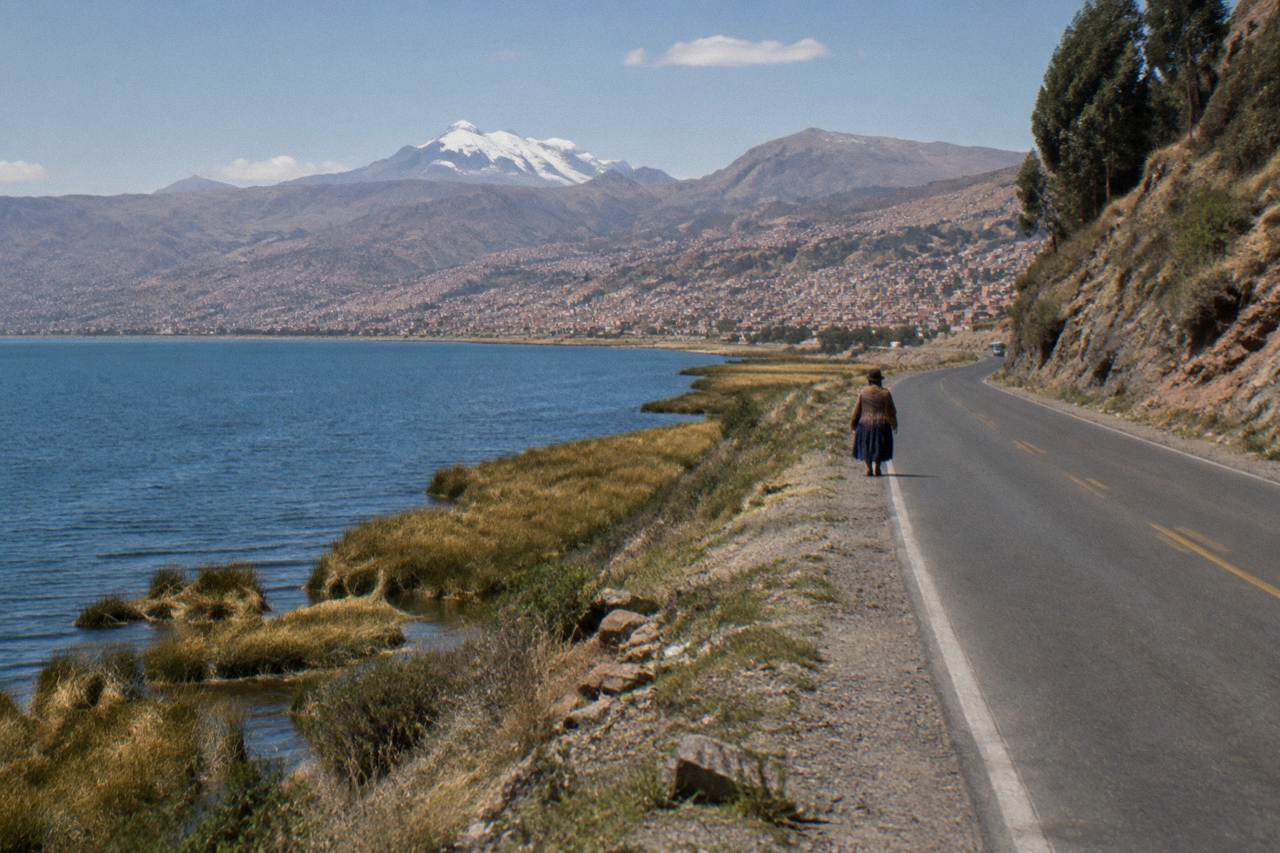
That is the short version, and in practice the crossing is genuinely straightforward. The route runs along the western shore of Lake Titicaca for roughly 140 to 155 kilometres, climbing nothing steeper than rolling altiplano between Puno at 3,827 metres and Copacabana at 3,841 metres, so there is no dramatic pass to worry about. The border itself is a pair of small, functional buildings rather than a fortress, and on a normal midweek morning the whole stop takes somewhere between 30 and 90 minutes depending on how many buses arrived at the same time.
Two things catch people out, and both are worth knowing before you board. The first is the time zone: Peru and Bolivia look adjacent on the map but Bolivia is one hour ahead, so a 10:00 a.m. departure from Puno lands you in a country where the clock already reads close to noon. The second is paperwork. Entry rules for Bolivia, including any online pre-registration and visa requirements, depend on your nationality and can change by decree, so check the current requirements for your passport with the Bolivian consulate before you travel rather than relying on a blog post, a fellow passenger, or even the bus driver.
For most travellers this border is a highlight rather than an obstacle. Copacabana is a relaxed lakeside town with a famous cathedral, boat trips to Isla del Sol, and some of the best-value accommodation on the whole Peru-to-Bolivia trail, and La Paz is only a further half-day away across the Tiquina Strait. If you are still shaping the overall route, our Puno to La Paz bus guide covers the full corridor in one place, and the broader route planning on Lima To Cusco ties the whole southern trail together.
Which Border Crossing Should You Use: Kasani Or Desaguadero?
Most travellers cross at Yunguyo on the Peru side and Kasani on the Bolivia side, because it is the direct route to Copacabana and Isla del Sol and the posts are geared up for tourist buses. Desaguadero, the alternative, is busier, more freight-oriented, and better suited to travellers heading straight to La Paz without stopping at the lake.
The choice really comes down to your first destination in Bolivia. If Copacabana is on your itinerary, and for most people following the Titicaca circuit it is, then Kasani is the only sensible option: the bus rolls off the ferry-free lakeside road, clears both posts, and drops you in Copacabana's main street about 10 to 45 minutes after the Bolivian stamp. The town is small enough that everything, from the cathedral to the boat pier, is within a ten-minute walk of where buses arrive.
Desaguadero sits further south on the main Arequipa-to-La-Paz axis. It handles far more commercial traffic, the formalities can feel more chaotic, and you would then need to arrange onward transport to Copacabana if the lake was your goal. Its advantage is directness for La Paz-bound travellers coming from southern Peru, and some services from Arequipa or Puno route this way precisely to skip the Copacabana stop. If you are planning the whole overland journey from Cusco, our Cusco to La Paz bus guide explains how the pieces connect.
| Crossing | Best For | Typical Formality Time | Notes |
|---|---|---|---|
| Yunguyo / Kasani | Copacabana, Isla del Sol, Titicaca circuit | 30-90 minutes | Direct tourist-bus route, daytime hours, walkable between posts |
| Desaguadero | Direct La Paz from southern Peru | Variable, often longer | Busier, freight-oriented, better for skipping the lake |
The border posts at Kasani keep roughly daytime hours, generally around 07:30 to 18:00 on the Peruvian side and 08:30 to 19:00 on the Bolivian side, and experienced overlanders suggest aiming to cross between about 10:00 and 15:00. The Bolivian side may close for a lunch window of an hour or two, and arriving late in the day risks finding the entry post thin on staff. A morning bus from Puno handles all of this naturally.
Travelling on a hop-on pass changes the mechanics slightly, in a good way. Peru Hop is linked with its sister network Bolivia Hop for the onward leg into Bolivia, and a bilingual host rides Peru Hop buses. Confirm border handling and timings with the operator when you book, since procedures at the crossing can change. Passes are valid up to one year from first use, with date changes possible in the app up to 12 hours before departure. For a deeper look at how the pass holds up on the road, our Peru Hop reviews guide collects the honest verdicts.
One honest caveat before you book anything: a hop-on pass costs more than a bare seat on a conventional line such as Cruz del Sur or Oltursa once you count a single direct ticket alone, and some legs run long or overnight. What you are paying for is the hotel pickup, the host, and the flexibility, so weigh that against how fixed your itinerary already is. And if your goal at the far end of the crossing is Isla del Sol itself, you can lock in that day on the lake before you leave Puno, which removes the need to plan boats and checkpoint fees on the fly.
What Happens At The Border, Step By Step
The process is: the bus stops at Peruvian Migraciones, everyone gets off for an exit stamp, the bus continues or you walk a few hundred metres to Bolivian Migracion for an arrival form and entry stamp, and then everyone reboards and carries on. Keep your passport and any entry slip from Peru handy, carry small cash, and expect the whole stop to take under an hour and a half.
Here it is in order, because knowing the sequence removes most of the anxiety. On the way out of Peru the bus pulls into the Migraciones yard at Yunguyo. You take your passport, get in the short queue, and receive an exit stamp. If you were issued a paper entry slip when you entered Peru, keep it with your passport the whole trip, because the officer may ask for it. Bags usually stay on the bus during this stop.
Then comes the short hop across the line. Depending on traffic and how the operator works, the bus either drives the few hundred metres to the Bolivian post at Kasani or drops you to walk it while the driver handles vehicle paperwork. At Bolivian Migracion you complete a short arrival form, present your passport, and receive your entry stamp. Buses typically wait for the whole group to clear before continuing, so nobody gets left behind, but stay close to your driver or host and follow the group.
Three practical points make the stop smoother. First, there are no ATMs at the posts, so carry some cash, whether US dollars, soles, or a little already-changed boliviano, for small fees and incidentals. Second, currency changers work the crossing, and the rates for small amounts are generally tolerable, but change only what you need until Copacabana, where banks and ATMs are easy to find. Third, keep your daybag with you rather than in the hold, since you will be off the bus at both posts with your main luggage locked inside it.
On safety, the standard government advice for the region is to use reputable transport companies and avoid overnight travel where possible. The UK Foreign Office puts it plainly: "Bus crashes are common, especially at night. Only use reputable transport companies, and where possible, avoid overnight travel, especially in mountainous and remote regions." The Puno to Copacabana leg is a short daytime run, which is exactly why most travellers do it in daylight hours.
How Long Does The Bus Take From Puno To Copacabana?
Expect roughly 3 to 4 hours door to door from Puno to Copacabana, of which about 2 hours is the drive to the border, 30 to 90 minutes covers the two migration stops, and the final 10 to 45 minutes is the short run from Kasani into Copacabana. Some operator summaries stretch this to 4 to 5 hours with queues or a slow day.
Those ranges come from current operator and guide sources on the route, and they hold up well in practice. The road itself hugs the lake for most of the way, passing through flat altiplano farmland and small towns, and it is paved the whole distance. There is no mountain pass, no unpaved section, and no ferry before Copacabana, so the only real variable is the border. A coach full of tourists clears slower than a minibus with four people on it.
Morning departures dominate the schedule, and for good reason. Leaving Puno around 07:00 or 08:00 puts you at the border late morning, inside the recommended 10:00 to 15:00 crossing window, and in Copacabana with time for lunch and an afternoon boat if you are quick. An afternoon departure risks the Bolivian lunch closure and lands you in town after the day-trip boats have stopped running.
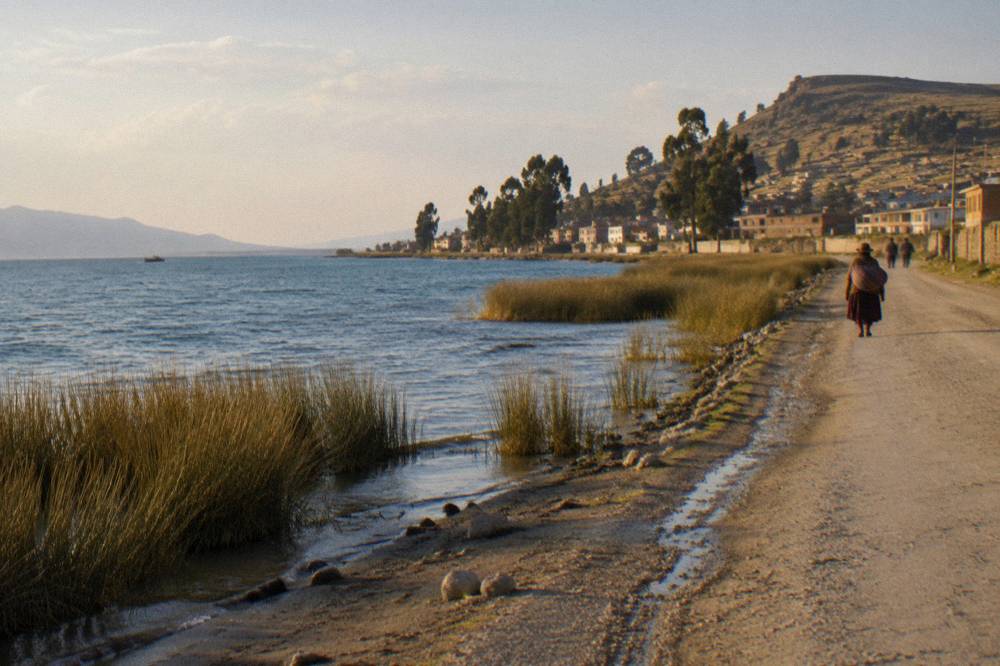
If Isla del Sol is the reason you are crossing, you can do it as a day trip from Puno without changing beds at all. The Copacabana and Isla del Sol tour from Puno runs a full 12-hour day, holds a 4.8 rating from 30 reviews, and starts from $130 with free cancellation, and you can Check availability alongside the full Copacabana and Isla del Sol day tour rundown on its tour page. Boats from Copacabana pier to the island typically leave around 08:30 and 13:30, take 1.5 to 2 hours or more each way, and community checkpoint fees of roughly 10 to 15 bolivianos apply on the island, so carry small notes.
Getting To Puno First: Bus Or Train From Cusco
Most travellers reach Puno from Cusco by road, either on a direct bus of roughly 6 to 8 hours or on a scenic multi-stop service of about 9 to 11 hours that includes cultural stops and lunch. A train alternative, the PeruRail Titicaca service, covers the same corridor in around 10 hours from a starting price of $395, turning the transfer itself into the day's main event.
The road distance between Cusco and Puno is roughly 386 to 388 kilometres, and the choice is between speed and spectacle. Direct public buses are the fastest and cheapest way to cover it. The tourist-favourite alternative is the so-called Route of the Sun, a sightseeing service that stops at sites along the way, including Inca ruins and colonial churches, and serves a buffet lunch on board the day. It runs from about 6:10 a.m. to 5:30 p.m., so you trade a couple of hours for a full day of guided stops.
The Cusco Route of the Sun to Puno service carries a 4.7 rating from 633 reviews and starts from $50, with free cancellation if plans shift. It suits travellers who want the journey to count for something rather than burning a day staring at a headrest, and it pairs neatly with a next-morning border crossing since it arrives into Puno in the late afternoon.
At the top end of the budget, the train reframes the whole day. The PeruRail Titicaca Train runs roughly 10 hours between Cusco and Puno, with an observation car and full service on board, from $395 per person. Its review pool on the live listing stands at 294 reviews, too few for a reliable star rating, so judge it on the itinerary and the inclusions rather than a headline score. The cancellation policy is not shown on the listing, so confirm the terms before committing.
Whichever way you arrive, one night in Puno before crossing is the pattern most travellers follow. It breaks the journey, lets you see the Uros floating islands on a half-day boat trip if you want, and sets you up for a relaxed morning bus to Copacabana instead of a dawn connection.
Copacabana To La Paz: The Tiquina Strait Ferry
From Copacabana to La Paz expect roughly 3.5 to 4.5 hours door to door for about 145 to 155 kilometres, because the route crosses the Tiquina Strait by barge ferry, where the bus drives onto a flatboat to cross the water and traffic queues can stretch the wait. The driving itself is around 3 to 3.5 hours split either side of the strait.
The ferry is the memorable part. Lake Titicaca narrows into a strait near the peninsula, and rather than bridging it, the route loads vehicles onto small barges that shuttle back and forth across a few hundred metres of water. Passengers usually stay on the bus for the crossing, which takes only a few minutes on the water but can involve a queue on busy afternoons. The fare is a small per-vehicle charge, normally handled by the bus company and included in your ticket.
After the strait the road climbs toward El Alto, the high satellite city above La Paz, and then descends into the bowl where La Paz sits at roughly 3,650 metres, noticeably lower than Copacabana's 3,841. The final descent is a genuine spectacle, with the whole city spread below as the bus switchbacks down, so try to sit on the side facing the valley. Traffic in El Alto and the descent itself add most of the variability in the total time.
Buses between the two cities run through the day, and morning departures are again the safer bet, both for the ferry queue and for arriving in La Paz with daylight to find your accommodation. Bolivia's long-distance terminal in La Paz is well connected to the city centre by local transport, and hotels are used to overlanders arriving off the Titicaca route.
Do You Need A Visa Or Pre-Registration To Enter Bolivia?
Entry requirements for Bolivia depend on your nationality and can change by decree, so verify the current rules for your passport with the Bolivian consulate before you travel. Recent reporting indicates that many Western nationalities, including US, UK, EU, Canadian, and Australian citizens, are visa-free for tourism stays up to 90 days, and that a free online pre-registration may be required, but neither should be treated as settled fact for your trip.
The reason for the caution is that Bolivian entry policy has shifted multiple times in recent years, including changes to reciprocity fees and the introduction of electronic pre-registration systems. What was true for a traveller last year may not be true for you, and border officers apply the rules as they stand on the day you cross. The reliable move is to check with the Bolivian consulate or embassy for your nationality, and to complete any required online steps before you leave home, since doing them at the border with patchy wifi is nobody's idea of fun.
A few document basics apply regardless. Your passport should generally have at least six months of validity remaining, and carrying proof of onward travel, such as a bus or flight booking out of Bolivia, and evidence of accommodation is standard practice at this and most South American land borders. A yellow fever certificate matters only for certain itineraries, so check whether your route triggers the requirement.
Political conditions are also worth a quick check before you commit to dates. Bolivia saw widespread road blockades from early May through late June 2026, disrupting interdepartmental routes, but these were largely lifted by 24 June 2026 and passenger services resumed. As of the latest reporting, no ongoing blockades specifically affect the Puno to Copacabana to La Paz corridor, though roads in the region occasionally see strikes or protests, so check current conditions before travel.
Altitude, Timing And Practical Tips
Puno, Copacabana, and the border region all sit above 3,800 metres, so the crossing is a high-altitude day even though the terrain is gentle: pace yourself, hydrate, skip alcohol the night before, and plan light meals on travel days. Morning crossings beat afternoon ones, weekdays beat weekends, and carrying small cash in two currencies covers every fee you will meet.
The altitude numbers explain a lot about how the day feels. Puno sits at 3,827 metres, Copacabana at 3,841, and the road between them never drops meaningfully lower. If you have come straight up from sea level, this is the ceiling of your trip so far, and the standard guidance applies: gradual ascent where possible, rest on arrival, plenty of water, and light food. Many travellers acclimatise in Arequipa at 2,335 metres before climbing to the lake, which is the classic staging pattern on the southern route.
Timing the whole sequence is the difference between a smooth day and a rushed one. A morning bus from Puno, a midday border, an afternoon in Copacabana, and either a night in town or a late bus to La Paz is the standard rhythm, and it works because every stage has slack in it. Trying to compress Puno, the border, and La Paz into one very long day is possible but leaves no margin for a slow migration queue or a full ferry at Tiquina.
Pack for the conditions rather than the latitude. The altiplano is cold at night year-round, the sun is fierce through thin air during the day, and layered clothing with a proper sun hat covers both. On board, tourist buses on this corridor generally run climate control, wifi and USB charging, an onboard bathroom, and reclining seats, though a few reviewers note the wifi and charging can be inconsistent, so keep a power bank charged. Blankets are provided on many premium services, but an extra layer in your daybag costs nothing.
Common Questions About The Peru To Bolivia Border Crossing By Bus
How Does The Peru To Bolivia Border Crossing Work By Bus?
The bus drives from Puno to the Peruvian exit post at Yunguyo, you get an exit stamp, then cross a few hundred metres to the Bolivian entry post at Kasani for an arrival form and entry stamp, and the bus continues to Copacabana about 3 to 4 hours after leaving Puno. Tourist buses assist with the paperwork at both stops.
Which border crossing is better, Kasani or Desaguadero?
Kasani, paired with the Peruvian post at Yunguyo, is the direct route to Copacabana and Isla del Sol and is geared up for tourist buses. Desaguadero is busier and freight-oriented, and suits travellers heading straight to La Paz from southern Peru without stopping at the lake.
How long does the bus take from Puno to Copacabana?
Roughly 3 to 4 hours door to door: about 2 hours driving to the border, 30 to 90 minutes for both migration stops, and 10 to 45 minutes from Kasani into Copacabana. Some operator summaries stretch this to 4 to 5 hours with queues.
Is there a time difference between Peru and Bolivia?
Yes, Bolivia is one hour ahead of Peru. Set your watch forward as you cross, and double-check any onward bus or boat departure time against the local clock rather than your phone's home setting.
How long does the bus take from Copacabana to La Paz?
About 3.5 to 4.5 hours door to door for 145 to 155 kilometres, including the Tiquina Strait ferry crossing where the bus drives onto a barge. Driving time is around 3 to 3.5 hours, with ferry queues and the El Alto descent adding the rest.
Do I need a visa to enter Bolivia by land?
Entry requirements depend on your nationality and can change by decree, so check the current rules for your passport with the Bolivian consulate before travel. Recent reporting suggests many Western nationalities are visa-free for tourism stays up to 90 days, with a free online pre-registration possibly required, but confirm both for your own trip.