Is Lake Titicaca Worth A Stop On The Way To Cusco
A practical route-stop guide to Puno and Lake Titicaca on the Cusco corridor, with altitude facts, time options, onward buses and the Bolivia side.
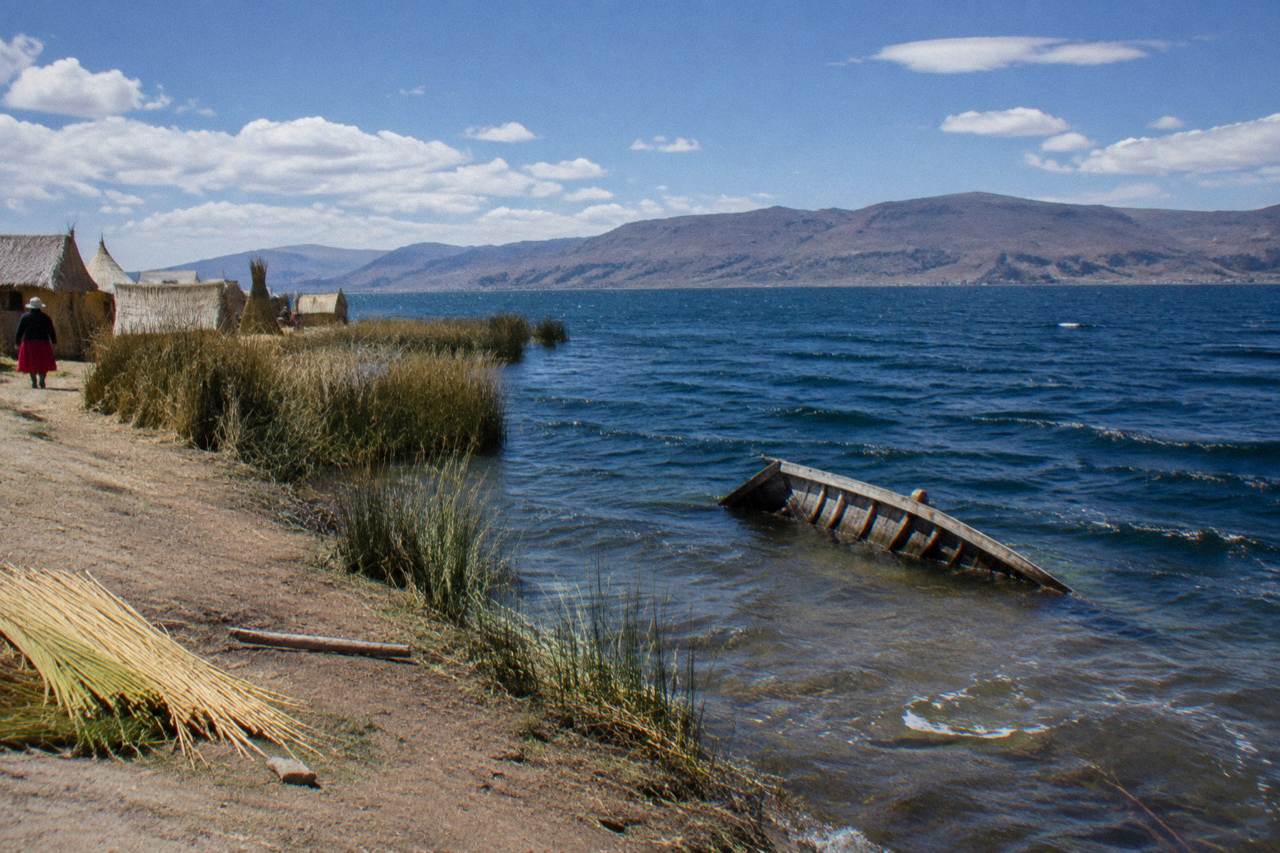
Is Lake Titicaca Worth A Stop On The Way To Cusco
Yes, if you can spare at least one full night and handle 3,827 meters above sea level. Lake Titicaca breaks the long Cusco to Puno leg into a real stop with the Uros floating islands and a Bolivia day trip option, but it is not a quick side trip from the main road.
On the Lima To Cusco corridor, Lake Titicaca sits at the highest point of the southern Peru route. Puno, the main Peruvian base, is at 3,827 m, and the lake surface is 3,812 m, so a stop here doubles as an acclimatization test before Cusco or after it. The decision is not about whether the lake is beautiful, it is, but whether the detour fits a route that is already long and high.
Peru Hop runs its southern route through Puno with hotel or hostel pickup and a bilingual host on board, which removes the terminal hassle for travelers stringing together Lima, Arequipa, Puno and Cusco. That matters here because Puno's bus terminal sits outside the center, and a hotel pickup saves a taxi run with luggage.
For most travelers the stop is a one-night or two-night pause, not a destination in itself. The Uros floating islands can be seen on a half-day boat trip from Puno, and the longer Taquile or Amantani visits need a full day. If you only have a few hours between buses, you will see the town but not the lake. The stop also works as a natural break on the way to Bolivia: Copacabana and Isla del Sol are reachable on a day trip from Puno, and the border crossing at Yunguyo/Kasani is straightforward for most nationalities now that Bolivia has dropped visa requirements for US, UK, EU, Canadian and Australian tourists.
How Much Time Does Lake Titicaca Actually Need
One night in Puno is the realistic minimum, and two nights are better if you want the Uros islands plus Taquile or a Bolivia day trip. A half-day stop is not practical because the lake sits at 3,827 m and the main sights require boat departures from the Puno dock.
Puno's altitude means the first few hours are better spent walking slowly, drinking water and eating light than rushing onto a boat. Most Uros tours leave in the morning and return by early afternoon, so arriving on an afternoon bus means you either wait until the next day or skip the islands. The town itself has a modest plaza, a cathedral and a few streets of restaurants and shops, but it is not a destination you would cross the altiplano to see. The reason to stop is the lake, and the lake demands a boat.
| Stop length | What you can do | Altitude note | Verdict |
|---|---|---|---|
| 2-3 hours, bus transfer pause | See Puno town and the dock, no boat trip | Risk altitude symptoms without acclimatization | Skip unless no choice |
| 1 night | Uros half-day boat next morning, basic acclimatization | First hours at 3,827 m feel slow | Minimum for a real stop |
| 2 nights | Uros plus Taquile or Amantani, or a Bolivia day trip to Copacabana and Isla del Sol | Better altitude adjustment | Best value for the detour |
| 3 nights | Add a slower lake day or Colca Canyon connection | Full acclimatization | Only if time is generous |
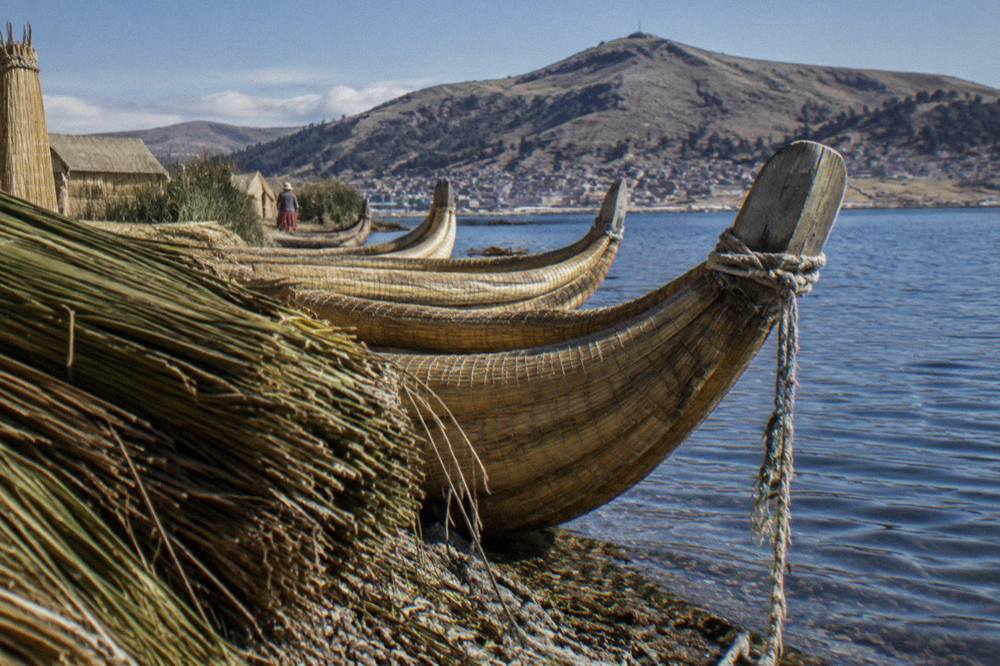
The lake surface sits at 3,812 m, and Copacabana on the Bolivia side is 3,841 m, so every option here is high. Arequipa, at 2,335 m, is the better acclimatization stop if you are coming from Lima, and many travelers use it before Puno. If you are flying into Juliaca, the airport sits at roughly 3,825 m, and the sudden jump from sea level can trigger altitude sickness within hours. In that case, a two-night stop in Puno with a light first day is the safer plan.
What You See And Skip At Lake Titicaca
The Uros floating islands are the quick win, a half-day boat trip from Puno to reed-built communities on the lake. Skipping the lake means missing the world's highest navigable lake and the chance to step onto Bolivia's Isla del Sol, but you save a full travel day and a high-altitude night.
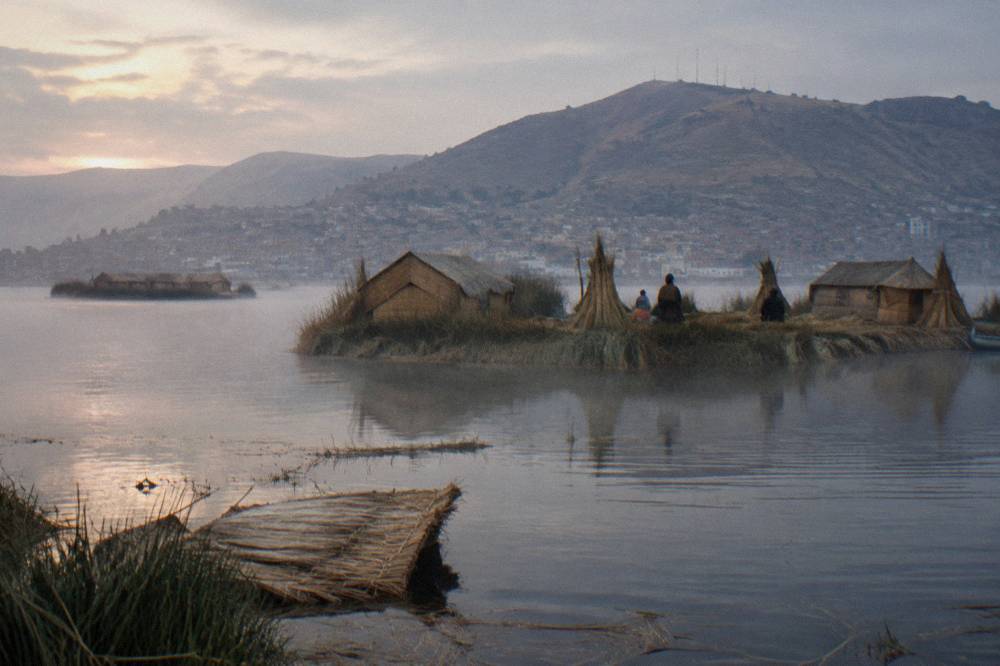
The Uros islands are the most accessible sight and the one most travelers mean when they ask if Lake Titicaca is worth a stop. A half-day boat trip takes you to the floating reed islands where families maintain traditional homes and sell handicrafts. It is touristy, but it is also unlike anything on the rest of the Cusco corridor. The islands are built entirely from totora reeds, and walking on the springy surface is a strange sensation at nearly 4,000 m. Most tours include a short ride on a traditional reed boat, and the guides explain how the islands are anchored and maintained.
Longer boat trips go to Taquile, known for its textile traditions, or Amantani for an overnight homestay. Taquile is a full-day excursion with a steep climb from the dock to the main square, so it is not a good choice on your first day at altitude. Amantani homestays are basic, with no heating and shared facilities, but they give you a night on the lake and a sunrise view that makes the early start worthwhile.
The Bolivia side adds Copacabana, a town at 3,841 m on the lake shore, and Isla del Sol, reached by a boat of roughly one and a half to two hours from Copacabana pier. Community fees of about 10 to 15 bolivianos apply at checkpoints on Isla del Sol, and boat departures are typically around 08:30 and 13:30. The full north-south ridge walk on Isla del Sol is open, but it takes several hours at high altitude, so a day trip from Puno is ambitious unless you start very early. Most travelers who want to hike the island stay overnight in Copacabana or on the island itself.
If you are already moving between Cusco and Puno, the stop rarely feels like a detour because the road and rail lines pass through Puno anyway. The real question is whether to spend the night or push straight through to La Paz or Cusco. If you skip the lake, you will still see the altiplano from the bus or train window, a vast, brown grassland with distant snow peaks and occasional herds of alpacas, but you will miss the blue expanse of the lake itself and the strange, quiet world of the floating islands.
How Altitude Affects A Lake Titicaca Stop
At 3,827 m, Puno is higher than Cusco and most travelers feel the altitude within hours. Headache, nausea and shortness of breath are common, and the best prevention is a gradual ascent, hydration and a light first day with no alcohol.
The altiplano is a high, dry plateau, and the air at Lake Titicaca contains roughly 40% less oxygen than at sea level. Even fit travelers can feel winded walking up a flight of stairs in Puno. The standard advice is to spend a night at a lower intermediate elevation, such as Arequipa at 2,335 m or Cusco at 3,399 m, before arriving in Puno. If you are coming from the coast, a stop in Arequipa for a night or two is the gentlest path.
| Symptom | What to do | When to worry |
|---|---|---|
| Mild headache, fatigue | Rest, drink water, avoid alcohol | If it worsens or does not improve overnight |
| Nausea, loss of appetite | Eat light, sip coca tea, consider acetazolamide if prescribed | If vomiting persists |
| Shortness of breath on exertion | Slow down, take breaks | If breathless at rest |
| Dizziness, confusion | Descend immediately | Medical emergency |
Coca tea and coca candies are widely available in Puno and can take the edge off mild symptoms, but they are not a substitute for rest and hydration. Acetazolamide is a prescription medication that helps the body adjust faster, but it must be started a day or two before ascent. Many travelers carry it on the Cusco-Puno corridor, and it is available in Peruvian pharmacies without a prescription, though a doctor's advice is still the safest route.
Peru Hop buses run a climate-control system and provide a blanket per passenger, which helps on the cold altiplano nights, but the altitude itself is the bigger challenge. The bus does not climb gradually enough to prevent symptoms, so a night in Puno is still a shock if you have not acclimatized elsewhere. The US State Department travel advisory notes that bus crashes are common, especially at night, and recommends using reputable transport companies and avoiding overnight travel in mountainous regions. The UK FCDO gives the same advice. Peru Hop states that it uses GPS tracking, two drivers and speed limits, but these claims are the company's own and not independently verified by a government agency.
How To Get In, Out And Onward From Puno
Puno sits on the main Cusco to La Paz bus corridor, so onward travel is straightforward. The scenic Route of the Sun bus from Cusco to Puno takes about 11 hours with a buffet lunch, while the PeruRail Titicaca train covers the same corridor in about 10 hours at a much higher fare.
The Cusco Route of the Sun bus is the most popular budget option for this leg, with a 4.7 rating from 633 reviews and a fare from $50 per person. It runs roughly 11 hours from early morning to late afternoon, with stops at Andean viewpoints and a buffet lunch included. The PeruRail Titicaca train is a different product, a 10-hour sightseeing train with 294 reviews but no star rating, priced from $395 per person.
| Route | Product | Time | Price | Notes |
|---|---|---|---|---|
| Cusco to Puno | Cusco Route of the Sun bus | 11 hours | from $50 | 4.7 from 633 reviews, buffet lunch, free cancellation |
| Cusco to Puno | PeruRail Titicaca train | 10 hours | from $395 | 294 reviews, no star rating, sightseeing train |
| Chivay to Puno | Colca Canyon bus | 6.5 hours | from $41.03 | 4.7 from 88 reviews, scenic stops |
| Puno to Copacabana | Tourist bus | 3-4 hours including border | operator listing | Yunguyo/Kasani crossing, daytime recommended |
For travelers coming from Arequipa and the Colca Canyon, the Colca to Puno bus is a useful connector at $41.03 with a 4.7 rating from 88 reviews, taking about 6.5 hours with scenic stops. It is not a Cusco route, but it lets you combine Colca Canyon with Lake Titicaca without returning to Arequipa.
The full Cusco to Puno route is covered in the Cusco to Puno bus guide, which breaks down the stops and timings in more detail. For travelers who want a direct bus ticket without the hop-on-hop-off pass, 12Go lists seats on Cruz del Sur and Oltursa for the Cusco-Puno leg, a budget alternative to the tourist services. These direct buses take about 7 to 8 hours with fewer stops, but they leave from the Terminal Terrestre in Cusco rather than picking you up at your hotel.
Puno To Cusco Or Cusco To Puno: Which Direction Works Better
Most travelers stop at Lake Titicaca while moving between Cusco and Puno, not as a detour from Lima. Heading Cusco to Puno lets you acclimatize at 3,399 m before climbing to 3,827 m, which is easier than flying into Juliaca and starting high.
Cusco sits at 3,399 m, so a night or two there before Puno gives your body a step up. Flying directly into Juliaca, the airport for Puno at about 3,825 m, is the fastest but hardest option for altitude. Arequipa, at 2,335 m, is the gentlest acclimatization stop if you are coming up from the coast.
The direction also changes the light and the stops. Cusco to Puno buses leave early and arrive with afternoon light on the altiplano, while the reverse direction can feel longer because the high pass comes after lunch. Neither direction is wrong, but the Cusco to Puno option is the one most travelers choose because it fits the classic Lima to Cusco route. If you are heading to Bolivia, the Puno to Copacabana leg is a short 3 to 4 hours including the border, and the Yunguyo/Kasani crossing is open roughly 07:30 to 18:00 on the Peru side and 08:30 to 19:00 on the Bolivia side. Aim for a crossing between 10:00 and 15:00 to avoid the lunch closure on the Bolivian side. The border process is straightforward: exit stamp at Peruvian Migraciones, a short walk across, then an entry stamp and SIGEMIG check on the Bolivian side. Tourist buses wait for the group, and the whole stop takes 30 to 90 minutes depending on queues.
What The Route Of The Sun Bus And The Titicaca Train Actually Deliver
The Route of the Sun bus is the value pick at $50 for an 11-hour scenic day with a buffet lunch and stops at Andean viewpoints. The PeruRail Titicaca train is a $395, 10-hour sightseeing experience with 294 reviews but no star rating, aimed at travelers who want the journey itself to be the event.
The bus is the practical choice for most travelers because it runs daily, includes lunch and stops at places like La Raya pass and Andahuaylillas, and costs a fraction of the train. The train is a one-carriage experience with panoramic windows and onboard service, but it does not run every day and the cancellation policy is not shown on the listing.
| Feature | Route of the Sun bus | PeruRail Titicaca train |
|---|---|---|
| Duration | 11 hours | 10 hours |
| Price | from $50 | from $395 |
| Reviews | 4.7 from 633 reviews | 294 reviews, no star rating |
| Lunch | Buffet lunch included | Onboard service |
| Cancellation | Free cancellation | Policy not shown |
The train is worth the upgrade only if the journey itself is a priority. If Puno is just a stop on the way to Cusco or La Paz, the bus does the same corridor for far less money. Both options leave you in Puno by late afternoon, so you will still need that overnight before any lake activity.
Altitude, Timing And The Bolivia Option
Lake Titicaca sits at 3,812 m surface elevation and Puno at 3,827 m, so a stop here is also an acclimatization test. The dry season from May to October offers clearer skies and better boat conditions, while the Bolivia side adds a visa-free day trip for many nationalities.
The dry season, roughly April to November, is the best window for lake crossings and condor viewing if you are also stopping at Colca Canyon. Mornings are calmer on the lake, and the Uros boat trips are most reliable before afternoon winds pick up. Rainy season from November to March brings afternoon storms and colder nights, but the route stays open year-round.
Since December 1, 2025, US, UK, EU, Canadian and Australian tourists have been visa-free for tourism stays up to 90 days in Bolivia, though a free online pre-registration called SIGEMIG is required. That makes the Puno to Copacabana day trip much easier than it used to be. The Copacabana to La Paz leg adds another 3.5 to 4 hours including the Tiquina Strait ferry, so a full Puno to La Paz journey with a lake stop can be done in a long day, but it is more comfortable with an overnight in Copacabana.
Peru Hop reports 395,000+ passengers and cites roughly 19,000 TripAdvisor reviews, with current TripAdvisor showing about 20,295 reviews at 4.8 out of 5. Its buses run a climate-control system, provide a blanket per passenger and carry a bilingual host, but the service costs more than a bare Cruz del Sur or Oltursa seat before you add taxis and tours, so it is not the cheapest option if you only want one direct seat. A recent TripAdvisor review from September 2026 calls the service “a great way to get around Peru and made planning a full trip round the country so much easier,” though the reviewer noted that some journeys felt very long.
The stop works best when it is planned as part of the Cusco to Puno or Puno to La Paz movement, not as a last-minute add-on. If you have the night, the lake earns it; if you are racing to Machu Picchu, save it for a slower trip. The Bolivia option adds a genuine two-country experience for the price of a border crossing and a boat ticket, and the visa-free policy makes it a low-friction addition to any Peru itinerary.
Common Questions About Lake Titicaca
Is Lake Titicaca Worth A Stop On The Way To Cusco?
Yes, if you can spare at least one night and handle 3,827 m of altitude. It breaks the long Cusco to Puno leg with the Uros floating islands and a Bolivia day trip option, but it is not a quick side trip.
How many days do you need for Lake Titicaca?
One night is the minimum for the Uros islands. Two nights let you add Taquile, Amantani or a Bolivia day trip to Copacabana and Isla del Sol without rushing.
Is Puno safe for a one-night stop?
Puno is a standard tourist stop on the Cusco to La Paz corridor. Use reputable transport companies, avoid walking alone late at night and keep valuables close, the same precautions as any high-altitude bus town.
Can you visit Lake Titicaca from Cusco in one day?
No, the one-way journey takes about 10 to 11 hours by bus or train, so a day trip is not realistic. You need at least one overnight in Puno.
Do you need a visa for the Bolivia side of Lake Titicaca?
Since December 1, 2025, US, UK, EU, Canadian and Australian tourists are visa-free for tourism stays up to 90 days. A free online SIGEMIG pre-registration is required before entry.
What is the best way to get from Cusco to Puno?
The Cusco Route of the Sun bus is the value pick at $50 for an 11-hour scenic day with lunch. The PeruRail Titicaca train is a $395, 10-hour sightseeing alternative for travelers who want the journey to be the event.