What Are The Cruz Del Sur Bus Classes
A plain explanation of Cruz del Sur bus classes, seat recline angles, routes, luggage rules and safety features, plus when a hop-on-hop-off pass fits better than a fixed seat.
What Are The Cruz Del Sur Bus Classes
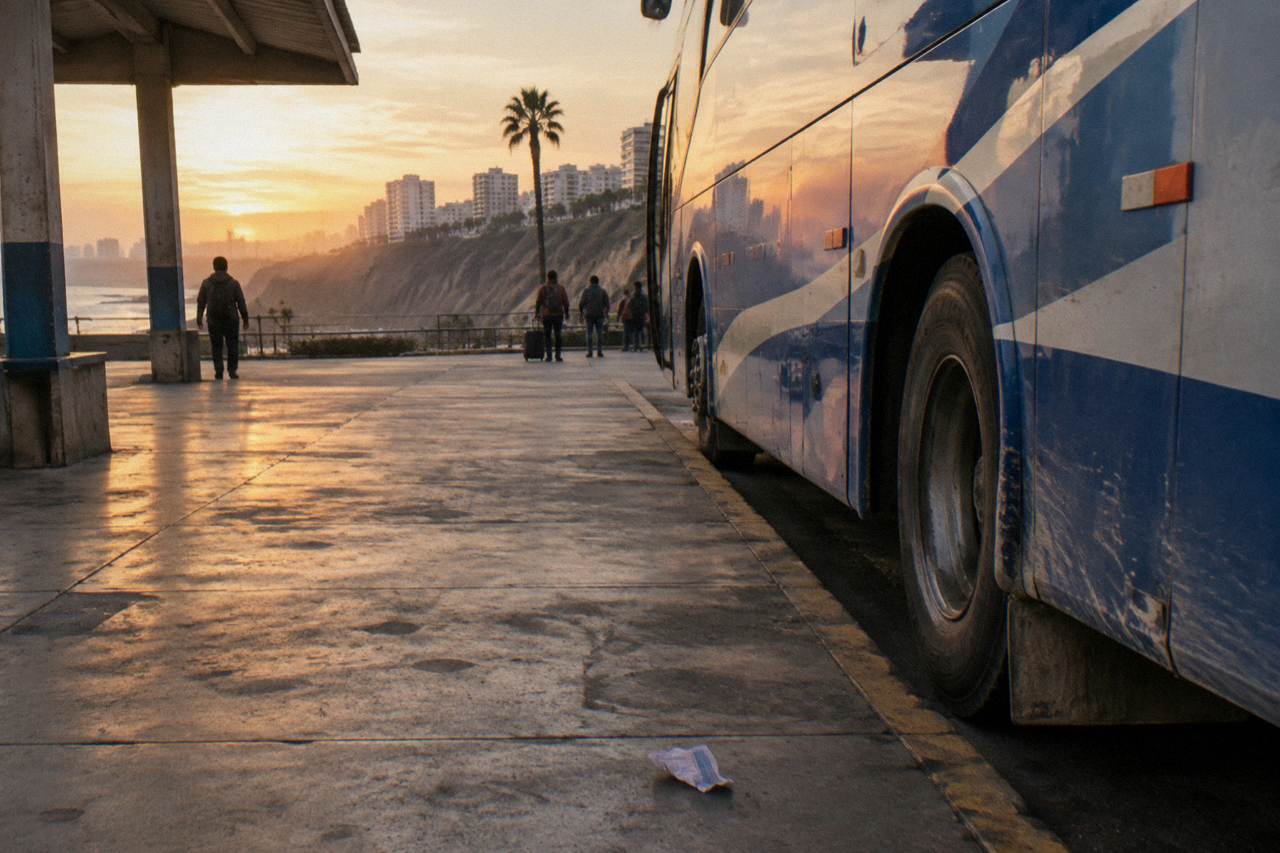
Cruz del Sur's main classes are Cruzero and Cruzero Evolution at roughly 140 degrees of recline in a semi-cama layout, then Cruzero Suite, Exclusiva and Confort Suite at roughly 160 to 180 degrees, which approach a flat bed. The company also runs Imperial and Económica variants on selected routes. Every class is a seat specification rather than a separate bus line, so the same vehicle often mixes several of them.
The naming trips up first-time buyers because the words do not map onto anything a foreign passenger already knows. Semi-cama means an armchair-style seat that reclines to about 140 degrees, which is fine for daytime legs and survivable overnight. Cama is the middle tier at about 160 degrees. Suite and Exclusiva seats push toward 180 degrees, close enough to flat that most people can genuinely sleep, and on many services these sit on the lower deck or a single-deck coach where the ride is calmer.
Two practical details matter more than the marketing names. First, upper-deck seats on double-deck coaches give better views on scenic stretches such as the descent into the Andes, but they move more. Second, the premium tiers bundle extras, individual screens, wifi, power outlets and a more generous meal or snack service, so the price gap buys comfort and frills together.
For readers planning the full southern route, the comparison that usually decides things is not Cruzero versus Suite at all. It is a fixed point-to-point seat versus a pass that stops at Paracas, Huacachina and Nazca along the way. More on that trade-off near the end of this article, and in the site's Lima To Cusco route planning pages generally.
Cruzero, Cruzero Evolution, And Suite: The Seat Ladder Explained
The ladder runs from Cruzero and Cruzero Evolution, both semi-cama at about 140 degrees of recline, up through intermediate cama seats at about 160 degrees, to full Suite seats near 180 degrees on premium overnight services. Recline is the headline, but legroom, deck position, screens, wifi, power outlets and meal service all climb with the tier. Cheaper Económica and Imperial variants exist on some routes with fewer of those extras.
Semi-cama at 140 degrees is the workhorse of the network and the class most Lima to Cusco passengers end up in. On Cruzero Evolution double-deckers, semi-cama seats occupy the upper deck, reclining to roughly 140 degrees, while the lower deck offers higher-recline seating at around 160 degrees. If you book a Cruzero Evolution service, the deck you pick changes the experience more than the ticket label does.
The near-flat tiers are where the money question lives. A 160-degree cama seat and a 180-degree suite seat both let an average adult sleep through a night drive, and on the roughly 21.5 to 24 hour Lima to Cusco run, that sleep is the whole product. Suite-class services also tend to run single-deck or lower-deck configurations with more attentive service, a proper blanket and pillow, and a meal tray rather than a snack box.
| Class | Approx. recline | Typical position | What climbs with the tier |
|---|---|---|---|
| Cruzero / Cruzero Evolution | ~140° | Upper deck, semi-cama | Reclining seat, climate control, wifi and USB on most services |
| Intermediate cama | ~160° | Lower deck or single-deck | More legroom, calmer ride, improved meal service |
| Cruzero Suite / Exclusiva / Confort Suite | ~160°–180° | Lower deck or single-deck | Near-flat bed, individual screens, full bedding, premium meal |
| Imperial / Económica | Varies by route | Mixed | Baseline service on routes where the premium tiers are not offered |
One honest note on the table: recline angles are the company's own published specifications, and real-world comfort also depends on the seat's age and the specific coach assigned to your departure. Oltursa, the other big premium operator on the southern corridor, runs a broadly similar ladder of Económica and semi-cama tiers with its own terminals, a comparison covered in detail in Peru bus companies compared.
Which Cruz Del Sur Classes Run Between Lima And Cusco?
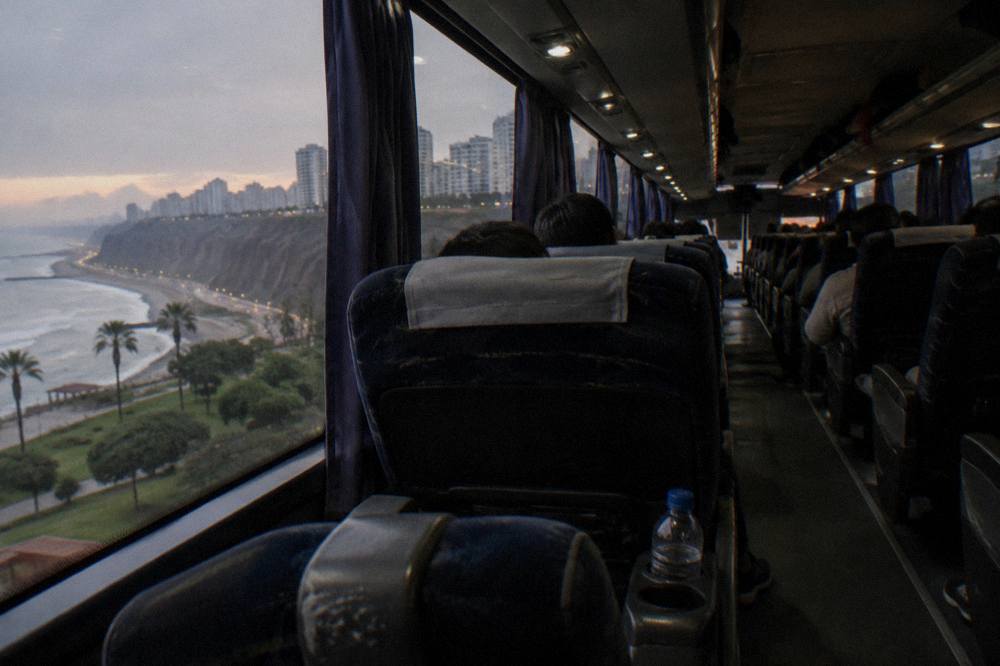
Direct Cruz del Sur Lima to Cusco buses take roughly 21.5 to 24 hours and typically run in Suite class, with multiple daily departures from the Javier Prado terminal in Lima. The company also serves Lima to Arequipa, Lima to Ica, Nazca and Paracas, Arequipa to Cusco, Lima to Puno and Cusco to Puno, so nearly every leg of the southern tourist corridor is covered by one class or another.
The Lima to Cusco run is the flagship and the one where paying for the top tier makes most sense. A 21.5 to 24 hour ride crosses the coast, climbs high Andean passes and finishes on winding mountain roads near Cusco at 3,399 meters above sea level. Doing that in a 140-degree seat is a very different trip from doing it at 180 degrees with bedding. Some services route via Arequipa, others run more directly, and the timetable difference between those variants can be several hours, so check which one you are booking.
Shorter legs flip the calculus. Lima to Paracas is about 260 to 272 kilometers and typically 3.5 to 4.5 hours of driving, and Ica to Nazca runs roughly 119 to 143 kilometers in 2 to 3 hours. On legs that short, the class barely registers, and the decision that matters is simply getting a seat on a reputable daytime departure. A one-way ticket from Miraflores in Lima to Paracas, the "Direct Bus, One Way" option on this site's roster, runs from $19 with a 4.2 rating from 53 reviews and free cancellation, bookable through the operator's live listing.
Further along the corridor, the altiplano legs deserve a class upgrade for a different reason: cold. The Puno area sits at about 3,827 meters and the passes between Arequipa and Puno climb toward 4,800 meters, where overnight temperatures drop sharply even inside a climate-controlled cabin. The Chivay to Puno scenic bus, the "Colca To Puno, Scenic Stops" option, covers that high plateau in about 6.5 hours from $41.03, with a 4.7 rating from 88 reviews.
Before committing to that first coastal leg, it is worth weighing whether a fixed one-way seat is even the right shape of ticket. If Paracas is a definite stop but Huacachina is a maybe, a hop-on-hop-off structure handles the maybe for you, while a fixed seat does not. The Lima to Paracas bus guide breaks the seat-versus-pass decision down leg by leg.
Luggage, Boarding, And Terminal Basics
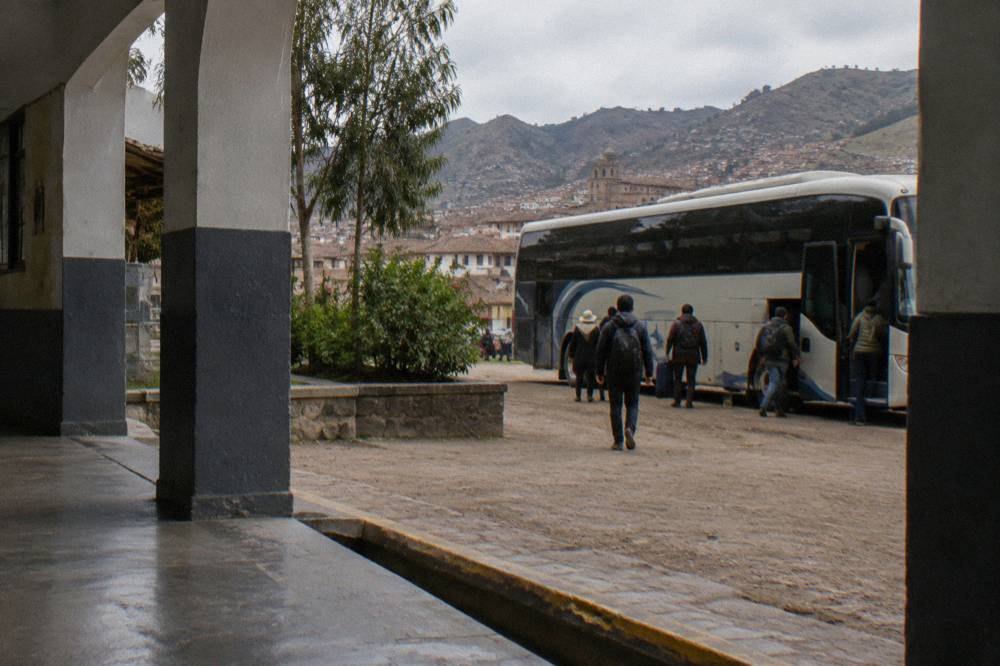
Cruz del Sur allows up to 20 kg of tagged hold baggage plus a carry-on capped at 6 kg and 50 x 35 x 21 cm, with excess charged subject to space. In Lima, southern departures leave from the Javier Prado terminal in La Victoria, while Oltursa uses its own Surquillo terminal. In Cusco, all long-distance companies share the single Terminal Terrestre on Vía de Evitamiento, which charges a small S/1 terminal usage fee.
The hold system is more organized than most first-time visitors expect. Bags are tagged at check-in and photographed in some cases, and the tag is checked against your ticket at pickup, which is a genuine deterrent to the wrong-bag walk-off. The 6 kg carry-on limit is enforced with a sizer at busier departures, so a small daypack with documents, medication, a charger and a warm layer is the safe play. Never check anything you cannot afford to lose, and never leave valuables in a hold bag on any operator in Peru.
Terminal logistics are the part that surprises people who have only flown in Peru until now. In Lima, Cruz del Sur's main hub is at Av. Javier Prado Este in La Victoria, and Civa and other companies cluster in the same area; northern routes also use the Plaza Norte terminal in Independencia. Southern and southeastern services, the ones that matter for Ica, Arequipa, Cusco and Puno, mainly leave from the Javier Prado area. From central Cusco's Plaza de Armas to the Terminal Terrestre, a taxi runs roughly 10 to 15 soles and about 15 minutes; agree the price before getting in.
Boarding itself works like an airport in miniature. You check in at the company counter inside the terminal, your hold bag is tagged, and you queue at the gate number on your ticket. Buses are called, documents are checked, and departure is usually punctual to the minute. The bus terminals in Lima and Cusco walkthrough covers the layouts in more depth for anyone connecting between companies.
Safety Features: What The Company States
Cruz del Sur states that its coaches carry GPS monitoring, seatbelts, video surveillance and speed compliance systems, with driver changes every four hours plus medical and alcohol checks before departure. These are the company's own claims, published on its safety pages, not independently audited statistics. Official foreign advisories recommend reputable companies on this corridor and caution against overnight road travel in general.
That distinction matters, so it is worth being precise. The GPS tracking, the four-hour driver rotation, the pre-trip medical and alcohol screening and the speed-limit compliance system are all things Cruz del Sur says about itself, and the company has built its brand on exactly this reputation. No independent regulator statistic was located in this site's research that confirms or contradicts those specific claims, so they are presented here as stated, not as verified fact.
The official advisory language is more useful for calibrating risk. The UK FCDO advises for Peru: "Bus crashes are common, especially at night. Only use reputable transport companies, and where possible, avoid overnight travel, especially in mountainous and remote regions." The US State Department's Peru advisory, reissued in September 2026, carries the same sentence and adds that US government employees are prohibited from nighttime driving outside cities, with an explicit exception allowing them to travel at night with commercial bus companies on the Pan-American Highway, to Huaraz and on the Lima-Arequipa-Cusco corridor. That corridor carve-out is a meaningful signal: the main southern bus route is the one stretch where official guidance treats overnight commercial coach travel as acceptable.
The practical reading for a tourist is straightforward. Choose the reputable premium operators, Cruz del Sur and Oltursa chief among them, prefer daytime departures where the timetable allows, and treat the long overnight legs as the place to spend on the higher seat class rather than the place to save. Roads in Peru occasionally see strikes or protests, so check current conditions before any long journey. The is Peru bus travel safe article covers the advisory picture in full.
How To Book A Cruz Del Sur Seat
Cruz del Sur sells through its official website at reservas.cruzdelsur.com.pe, at terminal counters in person, through agencies, and through ticket platforms. Booking direct gives the fullest view of classes and deck positions; the terminal counter is the fallback for same-day travel. Prices vary by class, date and how far ahead you book, and no reliable flat fare exists for the Lima to Cusco run.
The official booking site is the best starting point because it shows the class options available on each specific departure, and on a double-decker service the deck choice is part of the booking. For the flagship overnight routes, book the premium tier several weeks ahead in high season, because the near-flat seats sell out first and the 140-degree seats are what remains. For short daytime legs like Lima to Paracas or Ica to Nazca, same-week booking is usually fine outside peak holiday periods.
Aggregator platforms are a legitimate alternative for comparing schedules across companies at a glance, and a reader who just wants one direct seat can compare direct bus seats across operators before committing. The one thing worth avoiding is buying from a street agency with no receipt, which voids most of the protections the terminal system exists to provide.
For the coastal first leg specifically, the "Direct Bus, One Way" product on this site's roster, from $19 with free cancellation and a 4.2 rating from 53 reviews, is the budget benchmark, and the premium alternative is the "Premium Day Trip, Sunset Toast" excursion from $119 with a 4.8 rating from 2,636 reviews, which folds Paracas and Huacachina into a single long day. You can also check availability on the one-way bus listing and Check availability on the operator's live listing before locking dates.
When A Hop-On Hop-Off Pass Beats A Fixed Seat
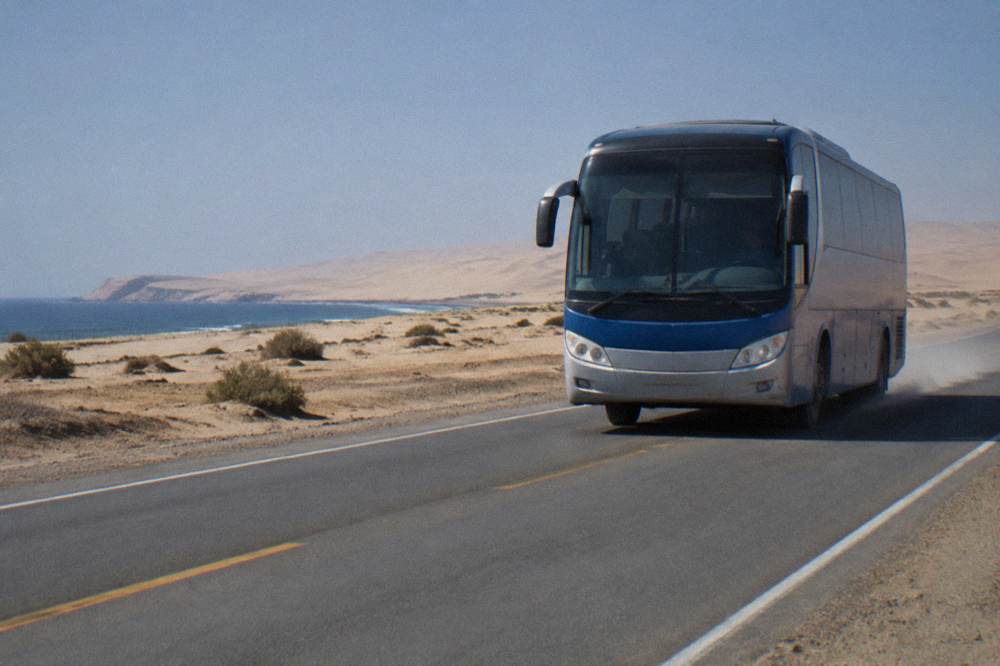
A hop-on-hop-off pass fits better than a fixed Cruz del Sur seat when your route is flexible, when you want hotel pickup instead of terminal logistics, or when you plan to stop at two or more of Paracas, Huacachina, Nazca, Arequipa and Puno over more than a couple of weeks. A fixed point-to-point seat wins when you have a hard date, a tight budget for one leg only, or no interest in the intermediate stops.
The fixed seat is the honest answer for a specific kind of traveler. If you know you are going from Lima straight to Cusco with no detours, a single premium seat on a direct departure is cheaper than any pass and gets you there in one booking. Cruz del Sur's direct service is a serious product, and nothing in this article should be read as a claim that the company cuts corners or lacks air conditioning; its premium coaches run climate control, and the class ladder exists precisely because it invests in cabin comfort.
The pass argument starts when the itinerary becomes a question rather than a statement. Peru Hop picks up and drops off at your hotel or hostel in participating cities, so you skip the bus terminal with your bags, and a bilingual English and Spanish host rides every bus. Passes are valid up to one year from first use, and you can change a bus time in the app up to 12 hours before departure, subject to availability. Buses come with wifi, USB charging, an onboard bathroom and reclining semi-cama seats, though a few reviewers note the wifi and USB ports can be inconsistent. Peru Hop reports 395,000-plus passengers carried and cites roughly 19,000 TripAdvisor reviews, with the current listing showing about 20,295 reviews at 4.8 out of 5.
The honest caveat cuts the other way too. A pass costs more than a bare Cruz del Sur or Oltursa seat before you total in the taxis and tours you would otherwise pay separately, and some legs run long or overnight, which not every traveler enjoys. If you just want one direct seat from A to B, the pass is the wrong instrument. The full comparison, including seat-by-seat comfort scoring, is in Peru Hop versus Cruz del Sur, and the budget question is handled honestly in how much does Peru Hop cost.
Traveling the whole southern route?
Peru Hop covers Lima, Paracas, Huacachina, Nazca, Arequipa, Puno and Cusco with hotel pickup, a bilingual host on every bus and date changes up to 12 hours before departure. Passes are valid up to one year, so the pace is yours to set.
Common Questions About Cruz Del Sur Bus Classes
What Are The Cruz Del Sur Bus Classes?
Cruzero and Cruzero Evolution are semi-cama seats at roughly 140 degrees of recline, typically on the upper deck of double-deckers. Intermediate cama seats recline to about 160 degrees, and Cruzero Suite, Exclusiva and Confort Suite reach roughly 160 to 180 degrees, close to a flat bed. Imperial and Económica variants run on selected routes with baseline service.
Is semi-cama comfortable enough for the Lima to Cusco overnight bus?
It depends on your sleep tolerance. A 140-degree semi-cama seat is fine for daytime legs and manageable overnight for many travelers, but the run takes roughly 21.5 to 24 hours and crosses high-altitude terrain. If sleeping on the bus matters to you, the near-flat Suite tier is the one worth paying for on this specific route.
How much luggage can I bring on Cruz del Sur?
Up to 20 kg of hold baggage, which is tagged at check-in, plus a carry-on capped at 6 kg and 50 x 35 x 21 cm. Excess baggage is charged subject to space. Keep documents, medication, electronics and valuables in your carry-on at all times.
Where do Cruz del Sur buses leave from in Lima and Cusco?
In Lima, southern departures use the Javier Prado terminal at Av. Javier Prado Este in La Victoria. In Cusco, all long-distance companies including Cruz del Sur use the Terminal Terrestre on Vía de Evitamiento, about a 15-minute, 10 to 15 sol taxi ride from the Plaza de Armas, with a small S/1 terminal usage fee.
Are Cruz del Sur buses safe at night?
Cruz del Sur states that its coaches carry GPS monitoring, seatbelts, video surveillance and speed compliance, with driver changes every four hours and medical and alcohol checks. Official advisories note that bus crashes are common in Peru at night and recommend reputable companies; US government employees are permitted to travel at night with commercial bus companies specifically on the Lima-Arequipa-Cusco corridor.
Should I book Cruz del Sur or a hop-on-hop-off pass?
Book the fixed seat if you have a hard date and a direct route. Choose a pass if your itinerary is flexible and you want to stop at Paracas, Huacachina, Nazca, Arequipa or Puno, with hotel pickup instead of terminal transfers and the ability to change dates up to 12 hours before departure on a pass valid up to one year.