Can You Get To Machu Picchu By Bus
No long-distance bus reaches Machu Picchu itself. Here is the honest breakdown of the Hidroelectrica road-and-walk route, the train from Ollantaytambo, and the Aguas Calientes shuttle.
Can You Get To Machu Picchu By Bus
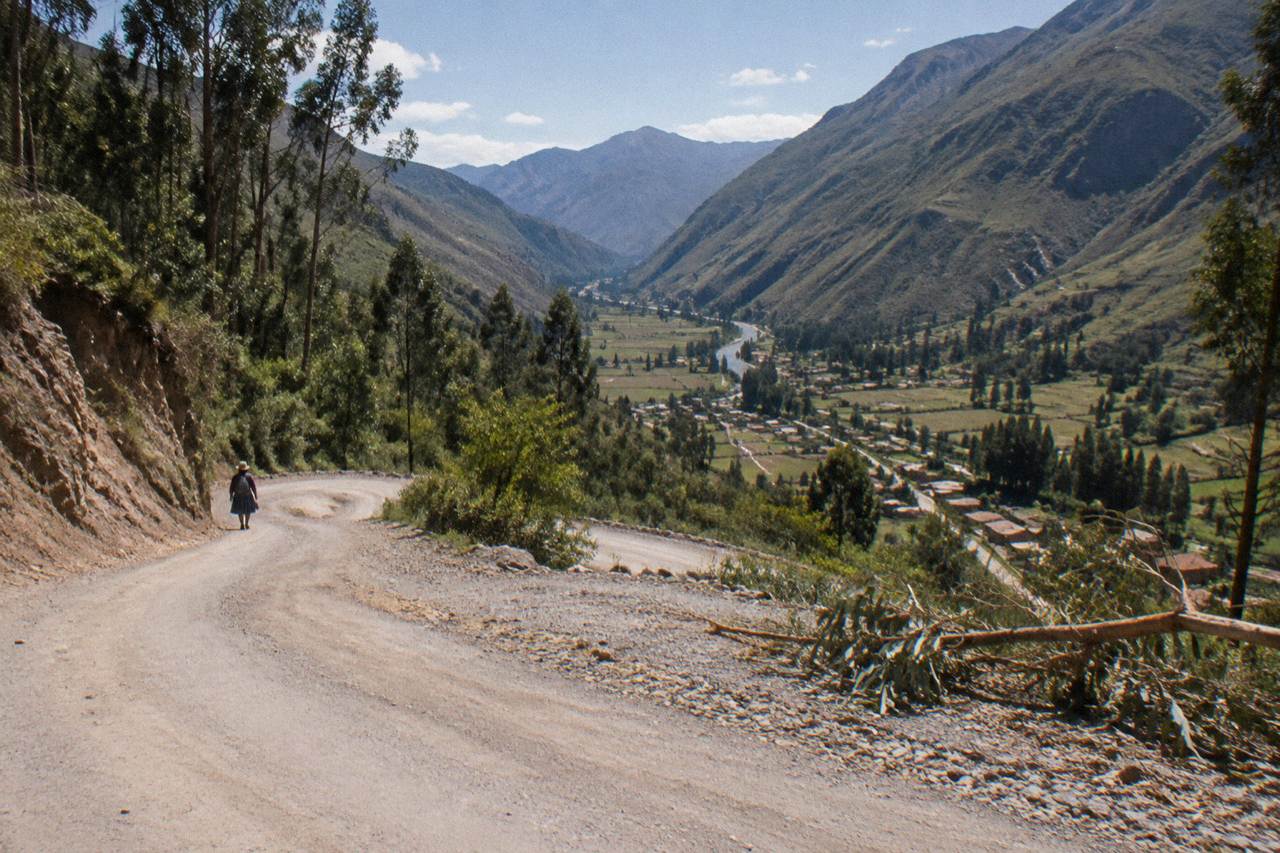
No scheduled long-distance bus reaches Machu Picchu itself, because no road reaches the ruins. Every land route ends in Aguas Calientes, the town at the base of the mountain, followed by a 25-30 minute shuttle bus up the switchbacks. A road-and-walk option via Hidroelectrica exists and is genuinely cheaper in cash terms, but it trades roughly six to seven hours of mountain road plus a two-and-a-half to three hour walk for that saving.
That is the honest headline, and it is worth unpacking because the question hides two different ones. The first is whether a bus can replace the famous train from Ollantaytambo. The answer there is yes, partially: the Hidroelectrica route is a real, functioning alternative that budget travelers use every day, and it is the only way to reach Aguas Calientes without setting foot on a train. The second is whether hop-on-hop-off or long-distance coach networks get you there directly. They do not. Peru Hop, the hop-on-hop-off tourist service that covers the Lima to Cusco corridor, ends its line at Cusco, and the operator is explicit that Machu Picchu is reached from there by train or trek, not by its buses. Cruz del Sur, Oltursa and the other major Peruvian coach companies are in the same position: their southern network terminates at Cusco's Terminal Terrestre, and the last stretch of the journey to the citadel simply has no long-distance bus in it.
So the real question becomes how you cover that final stretch, and there are three ways to do it. The classic route is a bus or private transfer from Cusco to Ollantaytambo, roughly 62 to 72 kilometres and one to one and a half hours, then a PeruRail or Inca Rail train for about 43 to 44 kilometres down the Urubamba gorge, taking between 1 hour 20 minutes and 1 hour 45 minutes depending on the service. The budget route is the Hidroelectrica road, covered in detail below. And the shortcut that most time-pressed visitors take is simply handing the whole chain to a day tour, which is why the full-day Machu Picchu group tours from Cusco exist in such volume.
If you are still building the wider trip, our Lima to Machu Picchu planning guide covers how the citadel leg slots into a coast-and-mountains itinerary, and the question of how to get around Peru more broadly is worth settling before you commit to any single mode.
How The Hidroelectrica Road Route Actually Works
The Hidroelectrica route runs a bus or tourist van from Cusco through Ollantaytambo, Santa Maria and Santa Teresa to the hydroelectric plant, roughly six to seven hours of road time, then a flat 10 to 11 kilometre walk along the railway tracks to Aguas Calientes taking two and a half to three hours. A short PeruRail train of roughly 30 to 45 minutes covers the same stretch when a departure is available.
The shape of the day matters as much as the headline numbers. Vans typically leave Cusco between about 6:00 and 6:45 in the morning from the Regocijo and Plaza de Armas area, climb over a pass that tops out around 4,321 metres above sea level, and descend through the cloud-forest valleys beyond Santa Teresa. There are stops for snacks, water and restrooms along the way, but this is a mountain road with switchbacks and drop-offs, and travelers prone to motion sickness should plan for it. Arrival at Hidroelectrica lands between roughly 1:30 and 2:00 in the afternoon, which is where the walk begins.
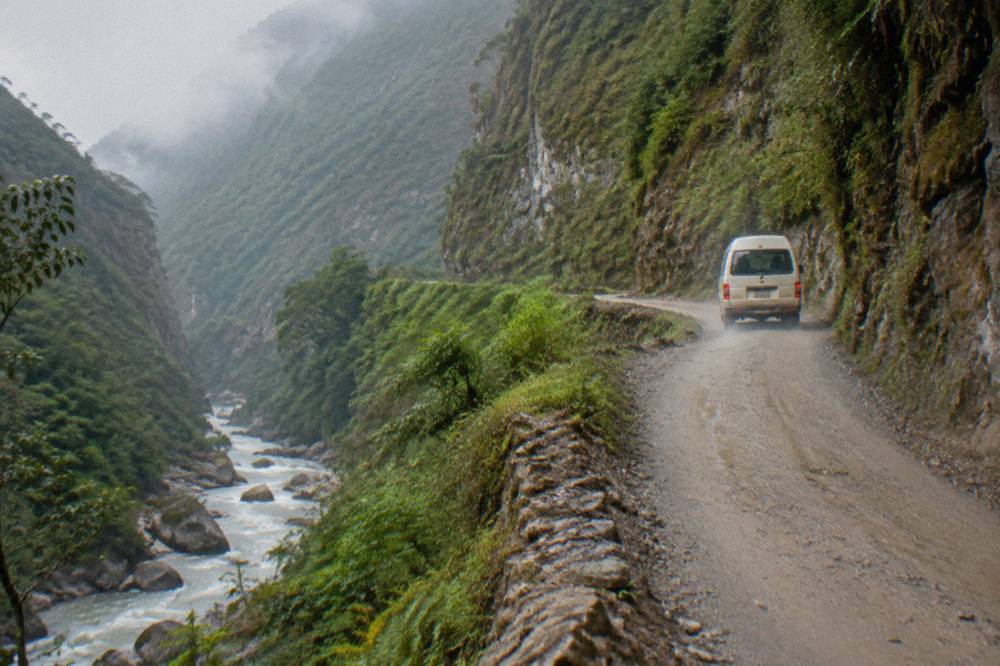
The walk itself is the part that surprises people in both directions. It is genuinely flat, following the railway line along the river through hot, humid forest at low elevation compared with Cusco, and most people complete it comfortably in two and a half to three hours. But it is exposed in stretches, there is essentially no shade-free shortcut, and if you are carrying a full backpack rather than a daypack it stops feeling like a scenic stroll. The alternative is the short PeruRail service from Hidroelectrica to Aguas Calientes, roughly 30 to 45 minutes when a departure lines up with your arrival; PeruRail has published sample times including a 14:50 departure, so the train is a real option rather than a rumor, but it is not frequent enough to plan around without checking the current schedule on the operator's own site.
One honest note on this route: in 2026, authorities conducted checks on unauthorized transport operating on the Hidroelectrica road. No route closures or major circuit-rule changes came out of those checks, but it is a reminder that this corridor runs on informal and semi-formal vans as much as scheduled coaches, and the quality of vehicle and driver varies more than on the main Cusco to Puno or Lima to Arequipa corridors. Book through an operator with a named pickup point and a real cancellation policy rather than a person with a clipboard.
| Stage | Typical time | Notes |
|---|---|---|
| Cusco departure (Regocijo / Plaza de Armas area) | 6:00-6:45 a.m. | Vans and tourist buses, not terminal-based coaches |
| Road to Hidroelectrica via Ollantaytambo, Santa Maria, Santa Teresa | ~6-7 hours | Pass at ~4,321 m, then long descent; motion sickness is common |
| Arrival at Hidroelectrica | ~1:30-2:00 p.m. | Snack and restroom stops en route |
| Walk to Aguas Calientes along the tracks | 2.5-3 hours | Flat, hot, humid; ~10-11 km |
| Or short PeruRail train Hidroelectrica to Aguas Calientes | ~30-45 minutes | Sample 14:50 departure; check the live schedule |
The trade-off is time and comfort against cost, and only you can price your own energy. What the route is not, is a way to see Machu Picchu and be back in Cusco the same day comfortably: with a 1:30 p.m. arrival at Hidroelectrica plus the walk, most people on this route overnight in Aguas Calientes and visit the citadel the following morning. That is a different trip shape from the classic day tour, and it is worth deciding deliberately rather than drifting into.
The Train From Ollantaytambo, The Standard Alternative
The standard route is a bus, taxi or private transfer from Cusco to Ollantaytambo, one to one and a half hours, then a PeruRail or Inca Rail train 43 to 44 kilometres down the gorge to Aguas Calientes, taking 1 hour 20 minutes to 1 hour 45 minutes. Multiple daily departures run from early morning onward, and the train is the only way to reach Aguas Calientes without the Hidroelectrica walk.
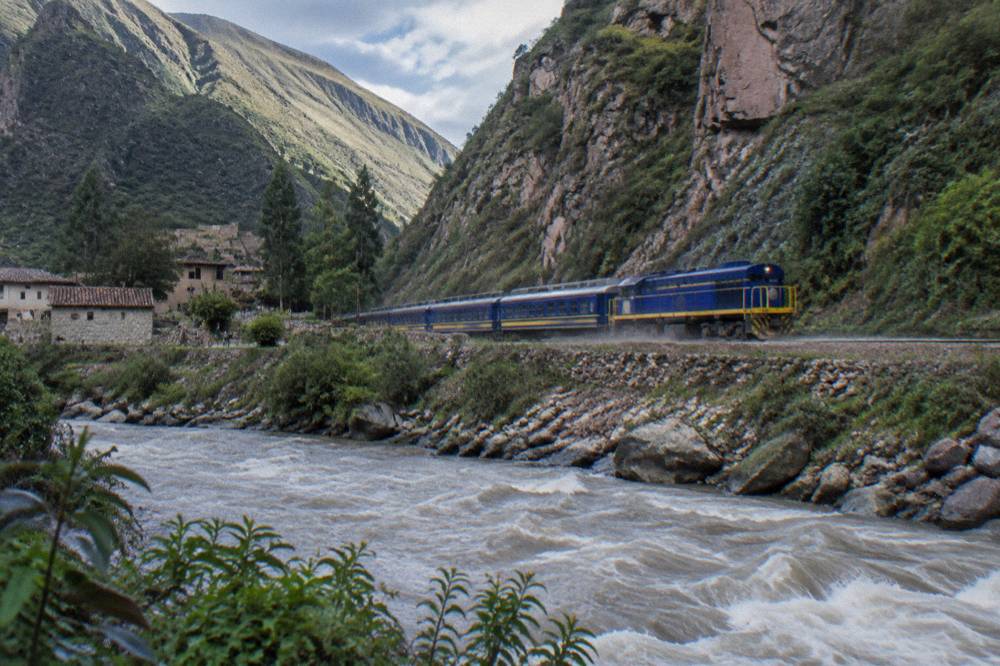
Ollantaytambo sits at 2,792 metres, low enough that the town itself is a useful acclimatization stop, and its station is the departure point for essentially all rail services to Machu Picchu Pueblo. PeruRail runs its Expedition and Vistadome services with multiple daily departures, from early windows around 5:05 to 7:05 in the morning through afternoon and evening options, while Inca Rail operates its Voyager, 360 and premium classes on comparable frequencies, with journeys of roughly 1 hour 21 minutes to 1 hour 42 minutes. Both operators publish full schedules and frequencies on their own sites, and PeruRail's schedule page is the primary source to check before locking a day. Because the gorge is single-track in practice, departures are tightly slotted, and the train you pick determines everything downstream: your arrival in Aguas Calientes, your shuttle window, and your citadel entry time.
Getting from Cusco to the station is the part travelers underestimate. The road segment is only 62 to 72 kilometres, but it is a winding hour to an hour and a half through the Sacred Valley, and morning traffic out of Cusco adds real time. A private transfer from Cusco hotels to Ollantaytambo station, rated 5.0 from 22 reviews and from $60, removes the connection risk entirely: door-to-door in about two hours with your luggage handled, and free cancellation if your train plans shift. Against that, a colectivo or taxi from Cusco is cheaper in cash but leaves you managing the terminal, the haggling and the timing yourself, with a hard train departure as the penalty for getting it wrong.
For travelers who want the train experience with the logistics erased, the Full-Day Vistadome Train tour is the other end of the spectrum: from $419, rated 5.0 from 317 reviews, roughly 16 hours door to door with free cancellation, and the panoramic-window Vistadome class for the gorge. It is a long day, but it is one decision instead of five.
Our Cusco to Machu Picchu train guide compares the operators, classes and stations in full if you want to go deeper on this leg.
The Aguas Calientes Shuttle, The Bus That Actually Matters
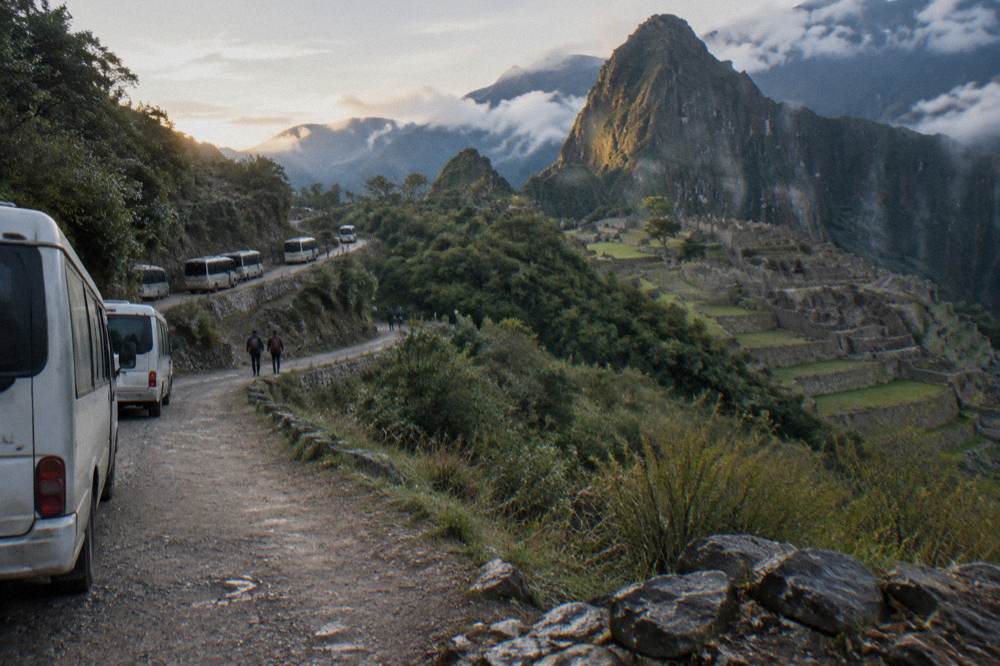
Yes, there is a bus to Machu Picchu, but it only covers the final climb: the shuttle from Aguas Calientes up to the citadel entrance takes 25 to 30 minutes, runs every 5 to 15 minutes in peak hours, uphill from about 5:30 a.m. to 3:30 p.m. and downhill until about 6:00 p.m. Tickets cost roughly $12 one-way or $24 round-trip for foreign adults, bought separately from the entry ticket.
This is the bus the question is usually really asking about, and it is the one stage nobody walks past. The shuttle, operated under concession on the Hiram Bingham road, is the only motorized way up from Aguas Calientes to the entrance, and it is not bundled with anything. You buy it at the official booth on Avenida Hermanos Ayar in town or online, separately from your citadel entry ticket, and the queue at dawn is a genuine logistical feature of the visit: on busy mornings the line for the first uphill departures starts well before 5:00 a.m., because timed entry windows at the top are strict. The rest of the planning pages sit on Lima To Cusco.
The alternative is the walking path from Aguas Calientes, a steep stone-stair climb of roughly an hour to an hour and a half that roughly parallels the road. It is free and some travelers prefer it for the dawn quiet, but it is a serious stair-master of a hike at what is, for most people, the start of a big sightseeing day, and it is not something to decide on spontaneously at 4:30 a.m. Note also that the shuttle is one-way-priced per direction, so a round-trip purchase only makes sense if you plan to descend by bus rather than on foot.
The entry ticket itself has its own rules that interact with the bus timing. Machu Picchu operates on three main circuits with ten sub-routes, timed hourly entry windows running roughly 6:00 a.m. to 4:00 p.m. with a 30-minute grace period, guide groups limited to 16 people, and daily capacity of 4,500 in regular season rising to as many as 5,600 on specific high-season dates. Tickets are sold primarily through the official portal tuboleto.cultura.pe, where the purchase flow now gives you 15 minutes to complete payment after selecting, with nominal, personalized tickets. Up to 1,000 in-person tickets remain available daily in Aguas Calientes, which is the fallback that the Hidroelectrica crowd sometimes leans on, but counting on it in high season is a gamble with an entire trip riding on it.
Getting To Cusco In The First Place
Peru Hop does not go to Machu Picchu, and neither does any other long-distance coach: Cusco is the end of the road network for the south, and everything beyond is train, trek or the Hidroelectrica van. Peru Hop's passes cover the Lima to Cusco corridor with hotel pickup and drop-off, a bilingual host on every bus, and passes valid up to one year with in-app date changes up to 12 hours before departure.
This is worth stating plainly because it is the single most common planning confusion on this route. Travelers hear "hop-on-hop-off bus around Peru" and reasonably assume the network includes the country's most famous sight. It does not, and the operator says so itself: Cusco is the end of the line, and Machu Picchu is reached from there by train or trek. What Peru Hop does do is solve the long, multi-day haul from Lima down through Paracas, Huacachina, Nazca, Arequipa and Puno to Cusco, with hotel or hostel pickup and drop-off in participating cities so you skip the bus terminal with your bags, a climate-control system on the buses, wifi, USB charging, an onboard bathroom and reclining semi-cama seats, though a few reviewers note the wifi and USB can be inconsistent. Passes are valid up to one year from first use, and you can change a bus time in the app up to 12 hours before departure, subject to availability.
The honest caveat: it costs more than a bare Cruz del Sur or Oltursa seat before you total in the taxis and tours those seats leave you to arrange, and some legs run long or overnight. If you just want one direct seat from Lima to Cusco, a premium coach line is cheaper. If you want the coast and the altiplano unpacked along the way, with a bilingual host handling the stops, it earns its premium. Our Peru Hop reviews page and the piece on whether Peru Hop is worth it cover the trade in full, and the comparison against flying instead of busing matters most for travelers short on time.
On safety, the official advisories are specific and worth quoting. The US State Department notes that "Bus crashes are common, especially at night. Only use reputable transport companies, and where possible, avoid overnight travel, especially in mountainous and remote regions," and its guidance for its own employees permits night travel with commercial bus companies on the Lima-Arequipa-Cusco corridor specifically. The UK FCDO carries identical language. The practical read for a Machu Picchu trip: reputable daytime services on the main corridor are the low-stress choice, and the Hidroelectrica road, while functioning daily, is the leg where vehicle and driver quality varies most.
Once you are in Cusco, the day-tour option collapses the whole chain into one booking. The Full-Day Group Tour from Cusco handles the bus to Ollantaytambo, the train, the shuttle and a guided citadel visit in a 12-hour day, rated 4.7 from 2,307 reviews and from $332, though note it carries no standard free-cancellation policy, so check the terms on the operator's live listing before committing.
Which Route Should You Actually Pick
Pick the train from Ollantaytambo if you value reliability and a same-day return, the Hidroelectrica road if your budget is tight and you can spare a night in Aguas Calientes, and a full-day tour if you want one booking to cover the bus, train, shuttle and guide. The deciding factors are time, tolerance for connection risk, and whether an overnight in Aguas Calientes fits your itinerary.
The three routes are not really competitors, they are three different trips. The train-and-transfer route is the premium path: predictable, schedulable, and compatible with a very long but single day out of Cusco. The Hidroelectrica route is the backpacker path: cheaper in cash, heavier in hours, and structurally an overnight trip. The group tour is the delegation path: the most expensive per hour of effort saved, and the only one where a missed connection is somebody else's problem. A useful tiebreaker is altitude: Cusco sits at 3,399 metres and Machu Picchu at 2,430, so the citadel day itself is downhill, but the Hidroelectrica road tops 4,321 metres at its pass, which matters if you have only just arrived in the Andes.
Timing within the day matters more than most itineraries admit. Morning trains and early shuttles give you the clearest weather window and the best shot at the classic postcard light, while afternoon arrivals at the citadel trade crowds for cloud risk. In the rainy season from roughly November to March, both the road and the walking track to Aguas Calientes degrade, and the case for the train strengthens further. Whenever you go, roads in Peru occasionally see strikes or protests, so check current conditions before travel, and build a little slack into any same-day chain.
Common Questions About Getting To Machu Picchu By Bus
Can You Get To Machu Picchu By Bus?
Not directly. No long-distance bus reaches the ruins because there is no road to them. The Hidroelectrica route gets you within a 10 to 11 kilometre flat walk (or a 30-45 minute train) of Aguas Calientes, and from there a 25-30 minute shuttle bus climbs to the citadel entrance.
Does Peru Hop go to Machu Picchu?
No. Cusco is the end of Peru Hop's line, and the operator is explicit that Machu Picchu is reached from Cusco by train or trek. Peru Hop covers the Lima to Cusco corridor, including Paracas, Huacachina, Nazca, Arequipa and Puno, but not the citadel.
How long is the walk from Hidroelectrica to Aguas Calientes?
Roughly 10 to 11 kilometres along the railway tracks, flat and hot, taking most people two and a half to three hours. A short PeruRail train covers the same stretch in about 30 to 45 minutes when a departure lines up with your arrival.
How much is the Aguas Calientes shuttle bus?
Roughly $12 one-way or $24 round-trip for foreign adults, bought separately from the Machu Picchu entry ticket at the official booth on Avenida Hermanos Ayar or online. The shuttle runs every 5 to 15 minutes in peak hours, uphill from about 5:30 a.m. to 3:30 p.m. and downhill until about 6:00 p.m.
Can you do Machu Picchu as a day trip from Cusco?
Yes, by train. A transfer or bus to Ollantaytambo, a train to Aguas Calientes and the shuttle up can be done in one long day, roughly 12 hours for a group tour and about 16 for a full Vistadome tour. The Hidroelectrica route generally requires an overnight in Aguas Calientes.
Do you need to book the Machu Picchu train in advance?
Yes, in high season. PeruRail and Inca Rail run multiple daily departures from Ollantaytambo but the gorge is effectively single-track, seats are finite, and timed citadel entry windows mean your train choice cascades into everything downstream. Check current schedules on the operators' own sites before committing to a day.