What Is The Best Way To See The Nazca Lines On The Way To Cusco
A route-stop decision guide: tower versus overflight versus skipping Nazca, with leg times, costs and what each choice adds to a Lima to Cusco overland trip.
The Nazca Lines are the most famous thing between Lima and Cusco, and also the most misunderstood. The geoglyphs were scratched into the desert floor roughly two thousand years ago, and from ground level almost none of them are visible, which forces every traveller into one of three choices: climb a roadside metal tower for a partial view, take a small aircraft over the pampas, or roll straight through and spend the time elsewhere. The town of Nazca sits at about 520 metres above sea level on the Panamericana Sur, roughly a third of the way into a southern Peru route that continues on to Arequipa, Puno and eventually Cusco. This guide walks through the decision the way a route planner actually faces it, with leg times, costs and the trade-offs of each viewing method.
What Is The Best Way To See The Nazca Lines On The Way To Cusco
The best way is a 35-minute overflight from Ica or Huacachina if the lines are a priority, because the tower shows only two figures at a shallow angle while a flight reveals the full designs, including the hummingbird, monkey and astronaut. If the lines are a nice-to-have, the viewing tower plus an overnight in Nazca costs a fraction of a flight and keeps the route intact. Skipping Nazca entirely suits only a tight schedule.
The reason the choice is binary in practice is geography. The lines spread across an arid plateau, and their shapes were made for viewing from above, not from the edge of the road. The metal observation tower on the Panamericana Sur, about 20 minutes north of Nazca town, puts you perhaps 15 metres up and lets you pick out the tree and the hands, two of the smaller figures, at an angle that flattens them. It costs a few soles and takes ten minutes. A flight, by contrast, banks over each figure in sequence so the pilot can point out the spiral, the dog, the condor and the rest, and it is the only method that shows the designs the way their makers likely intended.
The flight sold on this route is the "Nazca Overflight From Ica" tour, rated 4.7 from 4 reviews and priced from $249 per person for the 35-minute flight, with hotel transfer folded into a half-day package and free cancellation. The review pool is small, so treat the rating as an early signal rather than a verdict. The tower is the budget option; the flight is the experience option; the premium day trips that combine Paracas and Huacachina, like the "Premium Day Trip, Sunset Toast" run from Lima at from $119 with a 4.8 rating from 2,636 reviews, handle the coast before you ever reach Nazca.
How Does The Roadside Viewing Tower Compare To A Flight?
The tower costs a few soles, takes ten minutes and shows two partial figures from a shallow angle; the flight costs from $249, takes about 35 minutes in the air plus transfers, and shows the full set of designs. The tower is worth doing only as a free bonus on a drive-by, never as a substitute for a flight if the lines are the reason you stopped.
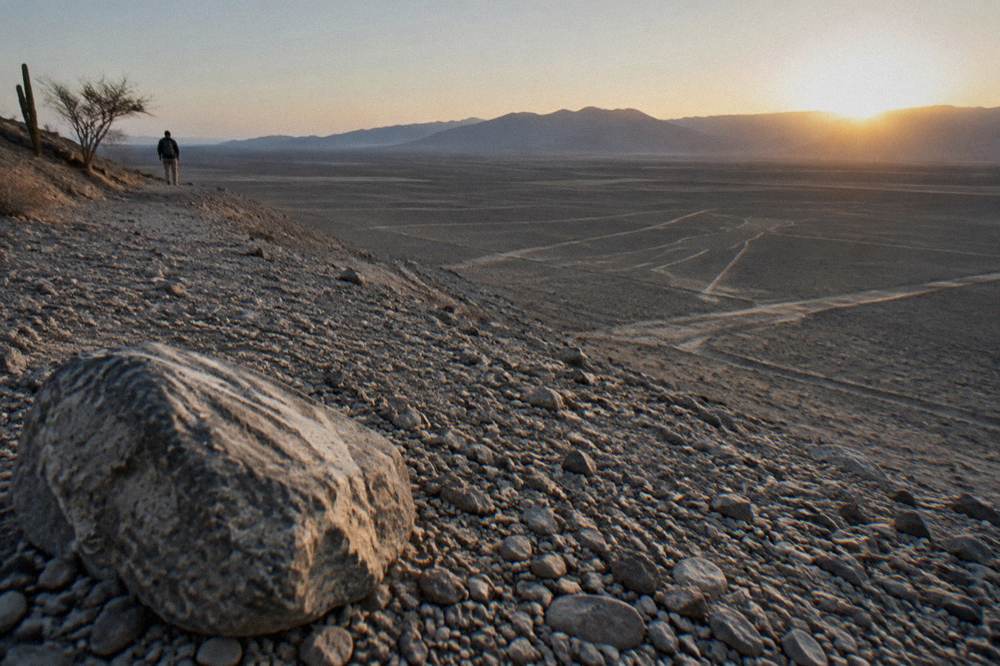
Start with what the tower actually delivers. You climb a staircase on the side of the Panamericana Sur, and from the platform the tree and the hands are visible as faint tracings in the gravel, close enough to recognise but far enough that the shapes read as suggestions. Photography is frustrating: the angle flattens the figures, the highway hums with trucks below, and the whole visit is over before it starts. If you are driving the coast anyway and the tower is on your route, stopping costs you almost nothing and gives you a genuine, if modest, encounter with the geoglyphs.
The flight is a different category of experience. Small Cessna-class aircraft fly out of both Nazca's own airstrip and the Ica and Huacachina area, and the circuit banks over each figure in turn, giving every passenger a window-side view from both sides of the aircraft. Two practical warnings matter more than any marketing copy. First, these are tight aircraft in warm desert air, and motion sickness is common enough that the standard advice is to take a remedy beforehand and fly early in the day when the air is calmer. Second, weather and capacity can ground flights, so the free-cancellation terms on a bookable overflight are not fine print, they are the safety valve for your onward schedule.
The overflight option listed on this site, the "Nazca Overflight From Ica", departs from Ica or Huacachina rather than Nazca town itself, which suits travellers following the coast route who have not yet committed to a night in Nazca. It runs from $249, holds a 4.7 rating from a small pool of 4 reviews, and includes the transfer. Flights also operate from Nazca's own Maria Reiche Neuman airstrip, booked locally or in advance, and prices there are set on the spot, so check the current rate at the counter rather than trusting any number quoted second-hand.
Where Does Nazca Fit Between Lima And Cusco?
Nazca sits roughly two-thirds of the way along the coastal stage: Lima to Paracas is about 260 to 272 km and 3.5 to 4.5 hours, Paracas to Huacachina about 75 km and 1 to 1.5 hours, and Ica to Nazca about 120 to 140 km and 2 to 3 hours. From Nazca, the next major stop, Arequipa, is about 405 km and 9 to 10-plus hours by bus.
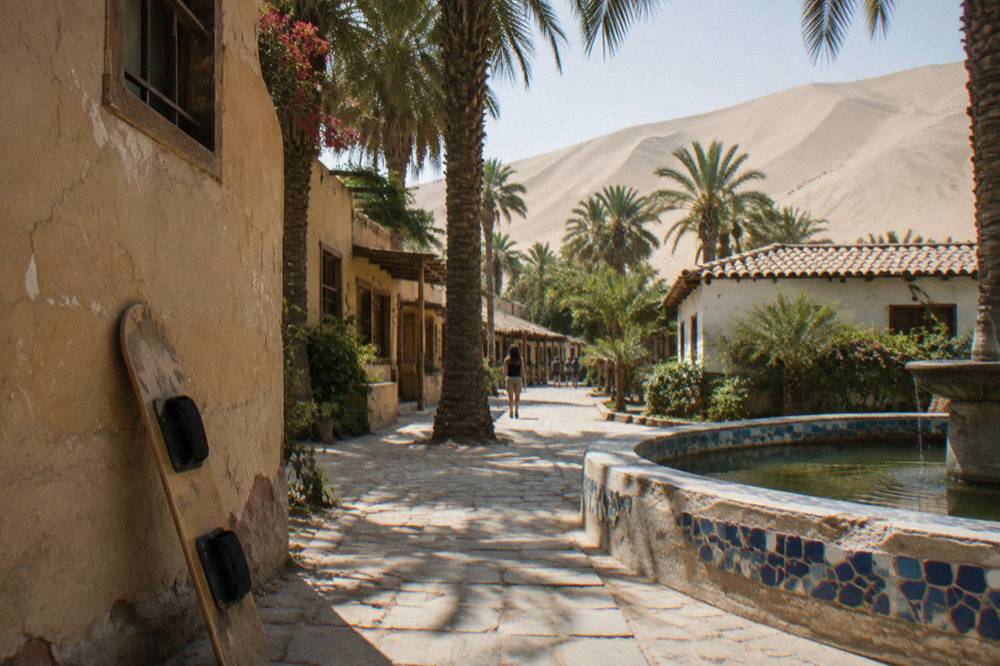
That geometry is why Nazca works as a route stop at all. The classic overland itinerary from the capital to the Andes runs down the Panamericana Sur through Paracas, Huacachina and Ica, and Nazca is the natural next leg before the road turns inland toward Arequipa. The town itself is functional rather than charming, a grid of hostels, tour agencies and chicken restaurants built to serve the airstrip, and one night is usually enough. Travellers who want the fuller picture of the region often follow the Huacachina to Arequipa via Nazca route, which strings the desert oasis, the lines and the white city into one sequence.
Hop-on hop-off travel makes this leg flexible in a way point-to-point bus tickets do not. Peru Hop runs stops at Paracas, Huacachina, Nazca, Arequipa, Puno and Cusco, with hotel or hostel pickup and drop-off in participating locations, so you skip the bus terminal with your bags, and a bilingual local host rides every bus. Passes are valid up to one year from first use, and you can change a bus time in the app up to 12 hours before departure, subject to availability, which is exactly the kind of flexibility a Nazca weather delay calls for. The honest caveat: it costs more than a bare Cruz del Sur or Oltursa seat before you tally the taxis and terminal transfers, and some legs run long or overnight.
If you would rather book single seats on the corridor, the budget alternative is a direct-ticket aggregator such as Busbud for Lima to Nazca bus times, which lists the conventional carriers on the Panamericana. For travellers planning the whole southern loop, the site's own Lima To Cusco route guides break down each leg separately, including the Lima to Arequipa bus options that pass through or near Nazca depending on the service.
One note on onward timing: the Nazca to Arequipa leg is the longest single stretch of the coastal route at roughly 405 km and typically 9 to 10-plus hours, and many services run it overnight. The UK FCDO's standing advice for Peru is to "only use reputable transport companies, and where possible, avoid overnight travel, especially in mountainous and remote regions," so weigh a daytime departure against your schedule. The US State Department takes a similar line, noting that demonstrations can shut down local roads and major highways, often without warning or clear information on reopening times, which is a further argument for building slack into any desert crossing.
A practical note on altitude: Nazca sits at roughly 520 to 600 metres above sea level, which is why most travellers sleep soundly here while acclimatising gradually to the Andes. Arequipa, by contrast, sits at about 2,335 metres, and Cusco is higher still at around 3,400 metres, so the coastal route delivers a gentler climb than flying straight into Cusco from Lima. Building a night or two at these intermediate elevations is one of the quiet advantages of doing the corridor overland rather than by air.
On the ground in Nazca, the airstrip is only a few minutes' drive from the town centre, and most flight operators run small Cessna aircraft carrying around four to twelve passengers per tour. Flights last roughly 30 to 35 minutes over the lines, and operators typically weigh passengers at check-in to balance the aircraft, so expect to step on a scale alongside your bags. Morning slots are the most reliable for visibility, since afternoon winds and haze frequently ground flights, which is another reason an overnight stay beats a same-day pass-through.
How Much Time Should You Give Nazca?
Give Nazca one night if you are flying from the town's own airstrip, or zero nights if you take the overflight from Ica or Huacachina before continuing. The flight circuit itself takes about 35 minutes; the tower takes ten minutes; and the onward bus to Arequipa eats most of a day, so the realistic range is between two hours and one full day added to your trip.
The zero-night version works like this: you spend a night in Huacachina or Ica, take a morning overflight from the local airfield, and board an afternoon or evening bus toward Arequipa. The "Nazca Overflight From Ica" is built exactly around this pattern, a half-day with transfer wrapped around the 35-minute flight. It rates 4.7 from 4 reviews, costs from $249, and carries free cancellation, which matters because desert weather and aircraft availability are the two things no itinerary controls.
The one-night version suits travellers who want to fly from Nazca's own airstrip, see the Maria Reiche museum, or simply break the long haul to Arequipa into two days. You arrive from Ica in 2 to 3 hours, fly in the morning when the air is calmest, and catch an afternoon bus south. The cost of that night is a day of your itinerary; the benefit is a slower pace and access to locally booked flights, whose prices are set on the day and cannot be quoted here with any honesty.
For context on how little the stop itself demands, here is how the main options stack up as route decisions:
| Option | Time added | What you see | Best for |
|---|---|---|---|
| Viewing tower only | 30-45 minutes | Two partial figures at a shallow angle | Travellers passing through who want a token look |
| Overflight from Ica or Huacachina | Half-day, no overnight | The full set of figures from above | Coast-route travellers who want the real experience |
| Overnight in Nazca plus local flight | One day | The lines plus the museum and town | Slow travellers breaking the Arequipa leg |
| Skip Nazca entirely | Zero | The coast and Arequipa only | Tight schedules prioritising the Andes |
What Do You Miss If You Skip Nazca Altogether?
You miss the second-largest set of geoglyphs in the region and one of the most recognisable archaeological sites in South America, but you lose almost nothing of the coast itself, since Paracas and Huacachina carry the scenic weight of that stage. If your trip is Andes-focused and under two weeks, skipping Nazca is a defensible trade, and the saved day usually goes to Arequipa, Colca Canyon or an extra day on Lake Titicaca.
The case for skipping is real. Nazca town is a transit hub, not a destination, and the lines are the only reason it appears on itineraries. A traveller who flies rather than drives from Lima to Cusco, or who takes the faster coastal highlights and heads inland, gives up the lines but keeps the Ballestas Islands, the Paracas National Reserve, the Huacachina dunes and everything the Andes offer. The question is whether a 2,000-year-old mystery etched into a desert you can only properly see from a plane justifies a day and a flight fee on your route.
For most travellers the answer is yes, the lines justify the stop, precisely because the stop is nearly free in routing terms. The town of Nazca was studied extensively by Maria Reiche, whose mapping work is why the figures are documented at all, and the site's significance is covered in the standard reference material on Nazca. But if the budget or the calendar says otherwise, the coastal stage before Nazca is where the scenery concentrates, and the premium day trips that cover it in one push are the strongest alternative. The "Premium Day Trip, Peru Hop Run" from Lima combines Paracas and Huacachina with a sunset toast, runs 16 to 18 hours, costs from $67, and holds a 4.9 rating from 9,650 reviews with free cancellation.
The pricier sibling, the "Premium Day Trip, Sunset Toast" from the same corridor, runs about 16 hours from $119 with a 4.8 rating from 2,636 reviews. Either one delivers the coast in a single day and leaves you positioned to push south or turn inland, which is the practical shape of skipping Nazca: you trade the desert mystery for a tighter schedule and more time in the mountains.
What Should You Know Before Booking A Nazca Flight?
Book with free cancellation, fly in the morning when the desert air is calmest, take motion-sickness remedies seriously, and confirm the departure airfield, because flights leave from both Ica and Nazca and the choice changes your overnight. Weight limits on small aircraft are enforced, so expect to be weighed with your bags at check-in.
Small aircraft over a hot desert are the whole story here. The flights bank hard and repeatedly, the cabins are tight, and even confident flyers report queasiness, so an early slot is not just about light for photography, it is about smooth air. Operators weigh passengers and distribute seating for balance, and a full flight may mean waiting for the next circuit. All of this argues for booking an overflight with flexible terms rather than committing cash you cannot recover if weather closes the field.
The route context matters for timing too. If you are coming from Lima, the day trips that reach Huacachina typically arrive in the afternoon, which sets up a Huacachina or Ica overnight and a morning flight, a sequence covered in detail in the site's Lima to Huacachina bus guide. If you are already committed to Nazca town, book locally the day before, confirm the morning's first available slot, and keep an afternoon bus to Arequipa as your fallback if the field closes.
Finally, keep the onward schedule loose. Roads in Peru occasionally see strikes or protests, so check current conditions before travel, and the long Nazca to Arequipa leg deserves a buffer either side. A traveller who treats the lines as a flexible half-day inside a loose three-day coastal window almost never regrets the stop; a traveller who hard-books a flight two hours before an overnight bus almost always does.
Common Questions About The Nazca Lines On The Way To Cusco
What Is The Best Way To See The Nazca Lines On The Way To Cusco?
A 35-minute overflight, either from Nazca town or from Ica and Huacachina before you arrive, is the best way if the lines are a priority. The roadside tower shows only two partial figures and works as a drive-by bonus, not a substitute. Skipping Nazca entirely suits only tight, Andes-focused itineraries.
Can you see the Nazca Lines without taking a flight?
Partially. The metal viewing tower on the Panamericana Sur north of Nazca town shows the tree and the hands from a shallow angle for a small fee, and the visit takes about ten minutes. Most of the famous figures, including the hummingbird and the monkey, are only visible from the air.
How long does the Nazca flight take?
The flight circuit itself lasts about 35 minutes, with a half-day window once transfers are included. The "Nazca Overflight From Ica" from Ica or Huacachina costs from $249, rates 4.7 from 4 reviews, and includes hotel transfer with free cancellation.
How far is Nazca from Lima and how long does the bus take?
The staged route runs Lima to Paracas at about 260 to 272 km and 3.5 to 4.5 hours, Paracas to Huacachina at about 75 km and 1 to 1.5 hours, and Ica to Nazca at about 120 to 140 km and 2 to 3 hours. Most travellers break the journey overnight at Paracas or Huacachina.
Is it worth staying overnight in Nazca?
Only if you are flying from the town's own airstrip or want to break the long leg to Arequipa, which runs about 405 km and 9 to 10-plus hours by bus. Otherwise, flying from Ica or Huacachina on a morning slot and continuing south the same day saves the overnight.
Do Peru Hop buses stop at Nazca?
Yes, Peru Hop's route includes a stop at Nazca alongside Paracas, Huacachina, Arequipa, Puno and Cusco, with hotel or hostel pickup and drop-off in participating locations. Passes are valid up to one year, and bus times can be changed in the app up to 12 hours before departure, subject to availability.