Is Paracas Worth A Stop On The Way To Cusco
A route-stop decision guide: whether Paracas earns its place between Lima and Cusco, how much time to give it, and how the onward legs work by bus.
Is Paracas Worth A Stop On The Way To Cusco
Yes, for most travellers making the overland run, Paracas earns one night, and it earns it for two reasons that are hard to replicate anywhere else on the route. The Ballestas Islands boat tour delivers dense wildlife in two hours, and the town sits at sea level, which makes it the gentlest possible first stop before the Andes. Travellers who skip it usually do so to save a day, not because the stop disappoints.
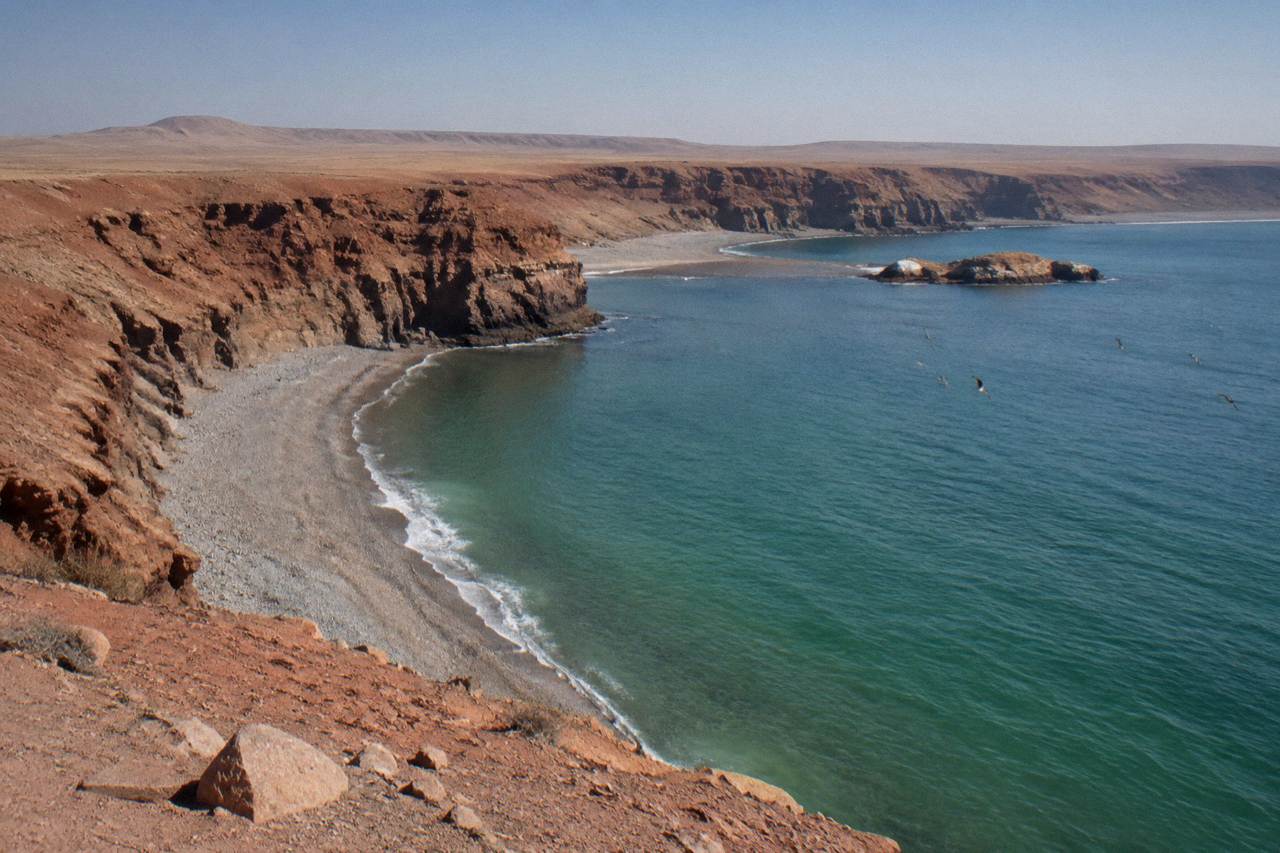
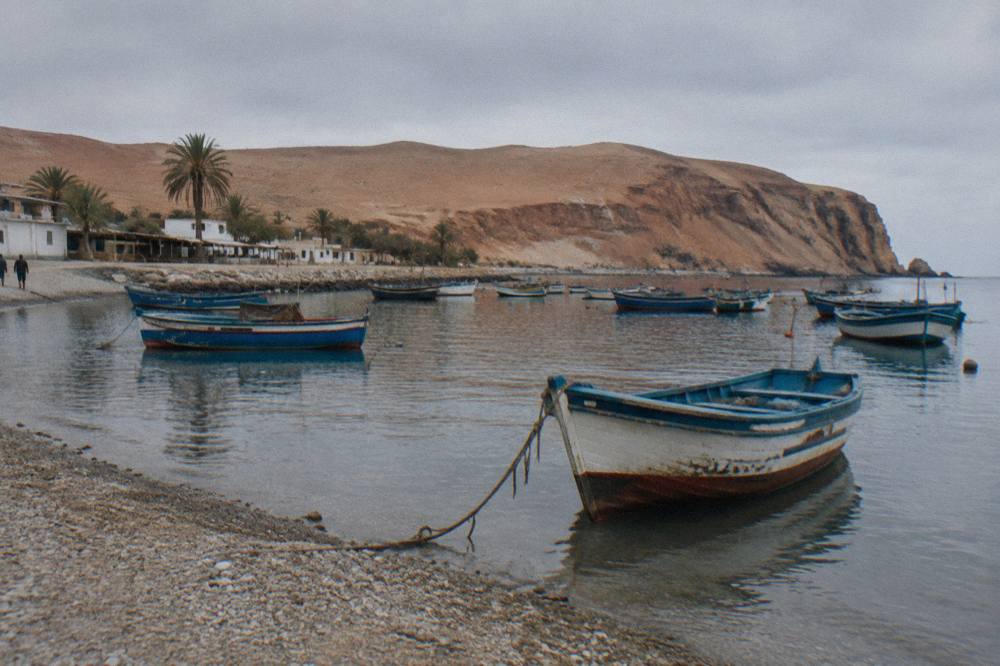
The honest framing matters here. Paracas is not a beautiful town. It is a functional fishing-and-tourism base of low buildings, a modest malecón and a harbor that smells like a harbor. What it guards access to is exceptional: a national reserve of desert cliffs and red-sand beaches, and a group of islands so crowded with sea lions, Humboldt penguins and guano-producing seabirds that Peruvians call them the poor man's Galapagos. The stop is about the water and the desert, not the town.
The route logic is what makes the decision easy. Almost every overland itinerary from Lima toward Cusco passes within a few kilometres of Paracas anyway, because the Panamericana Sur runs straight down this coast. The Lima to Paracas leg is roughly 260 to 272 km and takes three and a half to four and a half hours in normal traffic, with Lima's exit traffic the main variable. You are not detouring to Paracas. You are choosing to break a long drive you would otherwise be doing in one exhausted, unbroken slab.
There is a third argument that first-time visitors underrate: altitude staging. Lima sits at about 79 m, Paracas at 2 to 3 m, and Cusco at roughly 3,399 m. The coastal stops give your body several days at sea level before the climb, which is the opposite of the traveller who flies Lima to Cusco in 80 minutes and spends two days with a headache. If your plan is bus all the way, the coast is not dead time, it is acclimatization with penguins attached.
For travellers with very little time, there is a compressed version: the day-trip format that leaves Lima before dawn, runs the Ballestas boat in the morning, continues to the Huacachina oasis for the afternoon and returns to Lima at night. It works, and it is popular, but it is a 16-hour day. If your itinerary genuinely cannot spare a night, that format exists and this site covers it in detail on the premium Paracas and Huacachina day trip page, where the current listing shows a 4.8 rating from 2,636 reviews and a from price of $119.
The rest of this article works through the decision properly: how much time to give the stop, what you actually see, how the legs in and out work, and what you give up by pausing here rather than pushing straight through.
How Much Time Should You Give Paracas?
One night is the sweet spot for almost everyone, giving you an afternoon arrival, a morning Ballestas boat tour and an onward departure by early afternoon. Two nights are worth it only if you want a full day inside the Paracas National Reserve itself, walking or cycling the desert coastline. Anything less than a night means you are doing the day-trip format from Lima instead, which is a different product with different trade-offs.
The standard rhythm looks like this. You leave Lima in the morning, arrive Paracas in the early afternoon, check in and walk the malecón. The next morning you take the first Ballestas boat, which is the calmest water and the best light, and you are back on a bus toward Huacachina or Ica by early afternoon. That single night converts about four hours of bus time into a marine wildlife tour and a sunset on the coast.
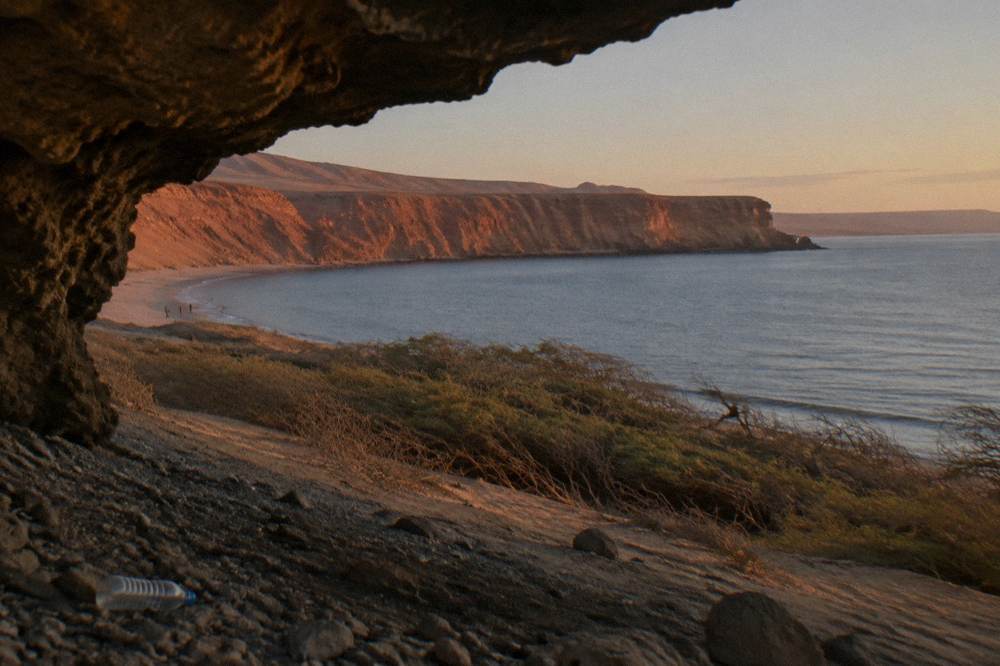
The two-night version is a real option, and it is the one experienced travellers defend. The Paracas National Reserve, which is separate from the Ballestas Islands, holds the Playa Roja red-sand beach, the La Catedral rock arch and long clifftop tracks. Seeing it properly takes most of a day, by rented bike, hired car or a small-group tour. If your trip is three weeks rather than ten days, this is a good place to spend the extra time, and the desert-meets-ocean scenery is genuinely unlike anything further inland.
What you should not do is the half-day version: arriving at midday and leaving by 4 p.m. The Ballestas boats run on a schedule that clusters around the morning, and the reserve is not a two-hour experience. A rushed Paracas visit is the worst of both worlds, all the packing and unpacking with none of the payoff. If you cannot give it a clean night, book the day-trip format from Lima instead and keep your evenings in one place.
What Do You Actually See And Do In Paracas?
The Ballestas Islands boat tour is the headline: a roughly two-hour round trip to islands packed with sea lions, Humboldt penguins, cormorants, boobies and pelicans, passing the pre-Inca Paracas Candelabra geoglyph carved into a hillside on the way. The second attraction is the Paracas National Reserve, a desert coastline of cliffs, red sand and empty beaches. Together they fill one full day comfortably.
The boat tour is the reason the town exists as a tourist destination. Small open boats leave from the Paracas harbor in the morning, and the run out to the islands takes about 30 minutes each way. What you find is one of the densest concentrations of marine life on the Peruvian coast: sea lions hauled out in noisy colonies, penguins standing in the guano-streaked rocks, and clouds of seabirds whose accumulated droppings made these islands a commercially valuable guano source in the era when Peru's fertilizer trade was a pillar of the national economy. The boats keep a set distance from the shore, and the whole outing, harbor to harbor, is about two hours.
On the way out, every boat slows at the Candelabra, a large trident-shaped figure cut into the sandy hillside facing the sea. Nobody knows who made it or exactly when; it is attributed to the Paracas culture, the pre-Inca society that gave the area its name, and it is best photographed in morning light from the water. The figure is visible only from the sea, which is a nice piece of trivia and also means you cannot skip it.
The reserve is the land half of the pair. The Paracas National Reserve protects desert that drops straight into the ocean, and its interior roads connect the interpretation center, Playa Roja, the La Catedral formation and a string of bays. There is little shade anywhere in it, so water, a hat and sunscreen are not optional. Travellers who cycle it should be honest about the distance and the heat; most people are happier in a vehicle with a local driver.
The town itself rounds out the stay without being an attraction. There is a small museum near the reserve entrance, a fish-market stretch with excellent ceviche, and a flat, walkable malecón. Evenings are quiet, which after Lima is part of the appeal.
Here is how the two headline experiences stack up against each other for planning purposes:
| Experience | Time needed | Best time of day | What it delivers |
|---|---|---|---|
| Ballestas Islands boat tour | About 2 hours round trip | Early morning, calmest water | Sea lions, Humboldt penguins, seabird colonies, the Candelabra geoglyph |
| Paracas National Reserve | Most of a day | Morning to mid-afternoon | Playa Roja, La Catedral, desert cliffs and empty beaches |
| Both in one visit | One full day | Split across two mornings if possible | The complete reason the stop exists |
How Do You Get From Lima To Paracas?
The Lima to Paracas leg is roughly 260 to 272 km down the Panamericana Sur and takes three and a half to four and a half hours by direct bus, with door-to-door time on hop-on services running longer because of hotel pickups and stops. Direct tickets on the route start from $19 one way, and the ride is flat, coastal and at sea level the entire way.
The simplest version is a direct one-way bus ticket. The roster's "Direct Bus, One Way" option, which departs from Miraflores, runs the leg in about three hours and starts from $19, with a 4.2 rating from 53 reviews and free cancellation. For a traveller who just wants the seat, this is the cheapest and fastest way in, and booking it in advance costs less than most airport meals.
The hop-on alternative is the other common format, and this site covers the leg in full in the Lima to Paracas bus guide. Peru Hop serves Paracas as a scheduled stop on its southern route, with hotel or hostel pickup and drop-off in participating locations so you skip the bus terminal with your bags, and a bilingual local host on every bus. A blanket is provided per passenger and the buses run a climate-control system, wifi, USB charging and an onboard bathroom, though a few reviewers note the wifi and USB can be inconsistent. Passes are valid up to one year from first use, and you can change a bus time in the app up to 12 hours before departure, subject to availability.
The safety picture on this leg is straightforward and worth stating plainly. The UK FCDO advises for Peru: "Bus crashes are common, especially at night. Only use reputable transport companies, and where possible, avoid overnight travel, especially in mountainous and remote regions." The Lima to Paracas leg is flat, daytime coastal highway and the least concerning bus ride in the country, but the advice to stick to reputable operators holds everywhere, and informal combis and colectivos are the segment where comfort and safety standards genuinely drop.
For travellers comparing every option in one place, 12Go's Peru bus search works as a budget direct-ticket alternative to a hop-on pass, useful when you just want the cheapest seat on a specific date.
How Do You Continue Onward From Paracas?
Paracas to Huacachina is about 75 km and one to one and a half hours by road, making it the natural next stop, and from Huacachina the Ica to Nazca leg runs roughly 120 to 140 km in two to three hours. From Nazca, buses continue to Arequipa in around nine to ten hours, and the standard route then climbs through Arequipa, Puno and Cusco.
The onward geography is what makes Paracas such a clean fit. It is the first bead on a string: Paracas, Huacachina, Nazca, Arequipa, Puno, Cusco. Each hop is a manageable daytime ride, and the whole chain can be done with a hop-on pass or with a sequence of direct tickets. This site's Paracas to Huacachina bus guide covers the shortest of those hops in detail, and the Huacachina worth-a-stop piece covers the decision for the next town down the line.
If you are moving fast, the same morning you land back from the Ballestas boat you can be in Huacachina for an afternoon of dune buggying and sandboarding, then take a next-morning bus toward Nazca. The Huacachina to Nazca leg, measured from Ica, is roughly 119 to 143 km and two to three hours, and public timetables from redBus average about two hours 51 minutes on the run. Nazca is where the flightseeing decision lives, and from there the long haul to Arequipa, about 405 km and nine to ten hours, is the one leg most travellers do overnight despite the general advice to prefer daytime travel in Peru.
The day-trip compression deserves one more mention here because it changes the onward math entirely. The "Premium Day Trip, Peru Hop Run" version of the combined Paracas and Huacachina circuit, from $67 with a 4.9 rating from 9,650 reviews over 16 to 18 hours, folds both stops into a single very long day from Lima. It suits travellers whose Cusco dates are fixed and who cannot stretch the coast into two nights. It does not suit anyone who wants to watch the sunset from a dune without a three-hour drive home ahead of them.
What Do You Skip By Stopping In Paracas?
The honest cost of a Paracas night is roughly half a day of itinerary time, and the honest cost of skipping it is the best wildlife experience on the entire coastal route plus the gentlest altitude staging available. Travellers on tight ten-day schedules sometimes cut it and push straight to Huacachina or Nazca; travellers with two weeks or more almost never regret keeping it.
Run the arithmetic both ways. A night in Paracas costs you one morning and one afternoon that could otherwise be spent further down the route, plus the fixed overhead of one more hotel check-in. On a ten-day trip that also includes Cusco, Machu Picchu and the Titicaca leg, that half-day is a real expense, and it is the reason the cut gets made. The compensating gain is that the Ballestas boat is a genuine highlight rather than filler, and it sits directly on your path, so the detour cost is measured in hours, not days.
What you never get back by skipping it is the staging. The sequence Paracas, Huacachina, Nazca, Arequipa spaces the climb from sea level to 2,335 m and then upward to the altiplano over several days. Arequipa is the acclimatization stop the standard guidance points to before Puno at roughly 3,827 m and Cusco at about 3,399 m, and the coastal run is what delivers you to Arequipa gently. The Lima To Cusco route exists as a corridor precisely because these stops chain so cleanly.
For the budget framing: the direct one-way bus seat from Lima starts from $19, the combined premium day trips run from $67 to $119 depending on operator and format, and a night's lodging in Paracas is modest by Peruvian standards. The stop is cheap relative to what it delivers. The resource that is genuinely scarce is your days.
One caveat on the hop-on option, stated plainly: a hop-on pass costs more than a bare seat on a premium line such as Cruz del Sur or Oltursa before you total in taxis and tours, and some legs run long or overnight. For a traveller who just wants one direct seat on one date, a direct ticket is the cheaper and simpler instrument. The pass earns its price through the hotel pickups, the host and the flexibility, not through the sticker.
Common Questions About Stopping In Paracas
Is Paracas Worth A Stop On The Way To Cusco?
Yes, for most overland travellers. It sits directly on the route, roughly three and a half to four and a half hours from Lima, and it holds the Ballestas Islands boat tour and a striking desert reserve. One night is the standard allocation, and skipping it usually only makes sense on very tight schedules.
How many hours is the bus from Lima to Paracas?
The drive is roughly 260 to 272 km down the Panamericana Sur and takes three and a half to four and a half hours by direct bus. Door-to-door times on hop-on services run longer because of hotel pickups, and Lima's exit traffic is the biggest variable.
Is the Ballestas Islands tour worth it?
For most travellers, yes. The roughly two-hour boat run reaches islands dense with sea lions, Humboldt penguins and seabirds, and it passes the Paracas Candelabra geoglyph on the way out. Morning departures have the calmest water and the best light.
Can you do Paracas and Huacachina in one day from Lima?
Yes. Combined day trips run the Ballestas boat in the morning and the Huacachina dunes in the afternoon, returning to Lima at night. The premium versions on this site's roster run 16 to 18 hours and start from $67 and $119 depending on operator, with ratings of 4.9 from 9,650 reviews and 4.8 from 2,636 reviews respectively.
What elevation is Paracas, and does altitude matter there?
Paracas sits at 2 to 3 m above sea level, so altitude is not a factor at all. Its role in an overland itinerary is the opposite: it is the comfortable sea-level start before the climb toward Arequipa at about 2,335 m and the higher altiplano beyond.
How do you get from Paracas to Huacachina and onward to Nazca?
Paracas to Huacachina is about 75 km and one to one and a half hours by road. From Huacachina, measured from Ica, the leg to Nazca is roughly 119 to 143 km and two to three hours, with public timetables averaging just under three hours on the run.